My full surname is Minelli Sarteri. Minelli comes from my paternal line and is the name under which my family has always been officially registered. Sarteri belongs instead to my maternal line and was the second (unregistered) surname of my grandfather with Sardinian origins, which disappeared from civil records after administrative unification under the Kingdom of Sardinia first and Italy second, when the use of double surnames gradually fell into disuse. This was not an identity choice, but a bureaucratic simplification that pushed Sarteri into oral memory.

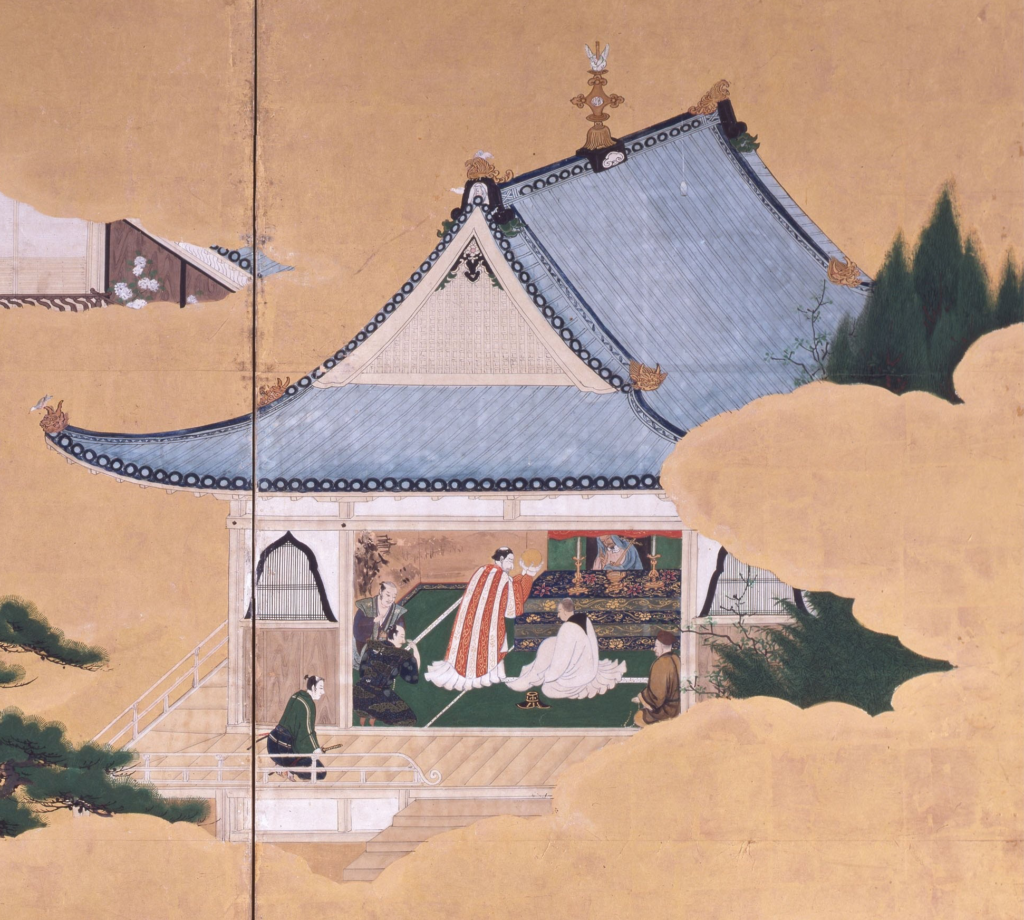
Its rediscovery came through the reconstruction of documents, testimonies, and linguistic coherence. Sarteri derives from the Italianization of the Japanese term Satori (悟り), which denotes deep understanding and intuitive awakening. Between the 16th and 18th centuries, along indirect trade routes connecting Asia and the Mediterranean, Japanese names were transmitted orally and adapted phonetically to local contexts. In Sardinia, Satori became Sateri and eventually Sarteri, stabilizing as a surname.
As a genealogical note, my maternal grandfather’s first officially registered surname was Sechi, also traceable to the same Asian matrix, in continuity with the Japanese term Seki, meaning threshold or passage. Sechi and Sarteri do not represent two separate origins, but two moments within the same trajectory of crossing and arrival.
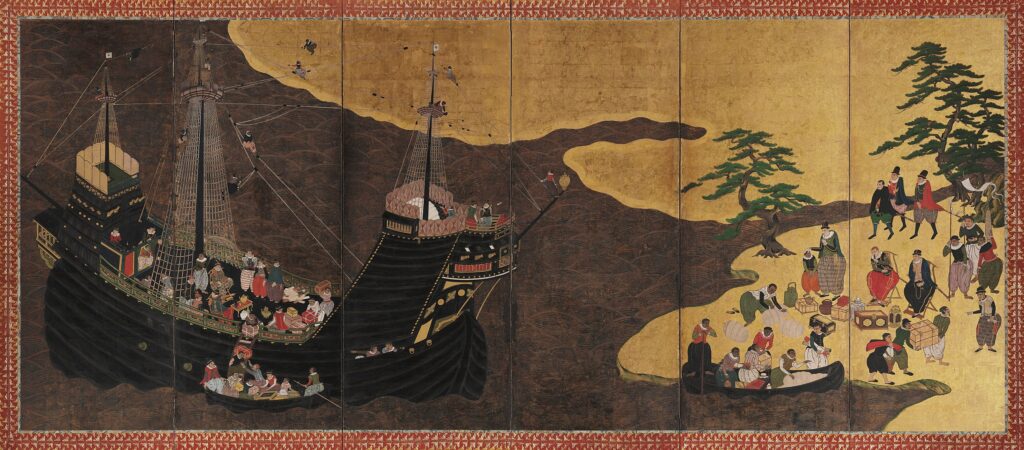
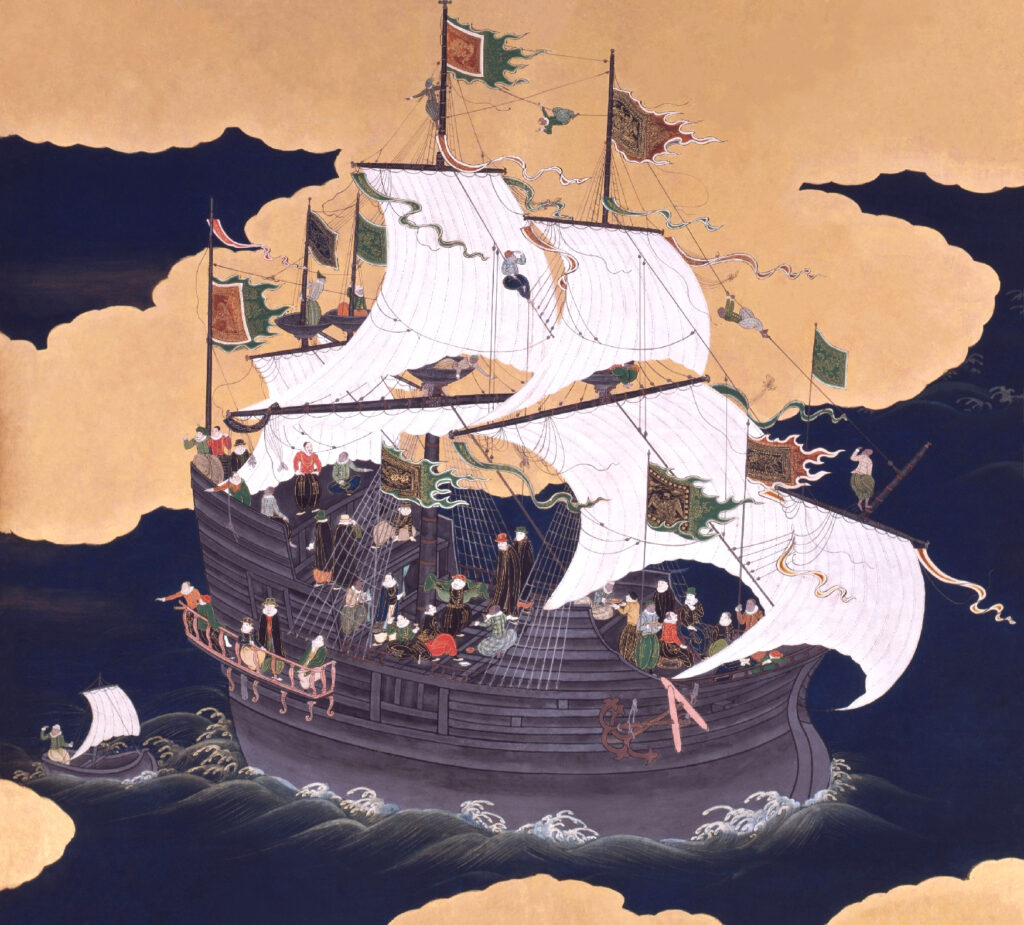
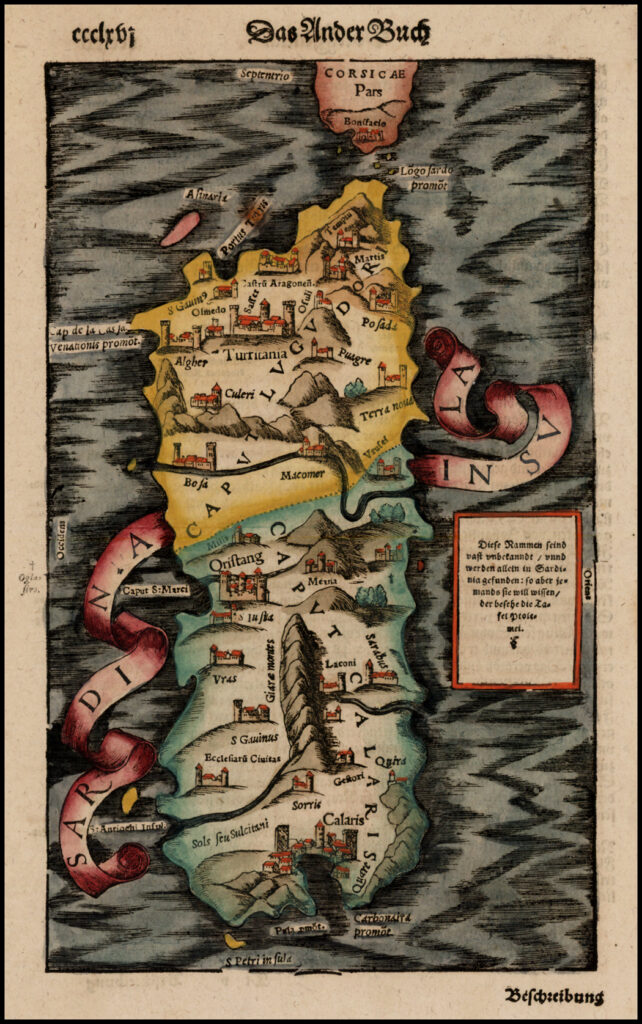
Between the sixteenth and eighteenth centuries, Japanese merchants and intermediaries entered the Mediterranean world through indirect but well documented trade networks. Traveling via Portuguese and Spanish maritime routes that linked Japan to Goa, Manila, Lisbon, and Seville, individuals moved with goods, skills, and names. The Mediterranean was not a single destination but a corridor. Sardinia functioned as a natural passage and anchoring point along these routes, positioned between major Iberian powers such as Spain and Portugal. While no permanent Japanese trading enclaves were established on the island, the historical context supports the transit and temporary settlement of individuals connected to Asian commerce. In these crossings, names were adapted, identities absorbed, and origins gradually folded into local cultures. What remained was not a record of markets, but the quieter evidence of passage, preserved in sound, memory, and lineage, linking Japan to a Mediterranean island through movement rather than maps.
A curiosity: Satori shares its semantic field with Satoshi, a Japanese given name that in some written forms uses the same ideogram (悟) or related characters associated with wisdom and clarity. Satori denotes the state of understanding, Satoshi the one who embodies it. My surname, Minelli Sarteri, thus unites a European family line with one born of an Asian much older crossing, not as a symbolic construction, but as a genealogical continuity brought back to light.