We have just returned from Cape Town, and the city is still present in the body before it settles into memory. The journey began with a long intercontinental flight with Air France, a slow suspension between continents that prepared us, unknowingly, for a place where distance, history, and landscape constantly overlap.
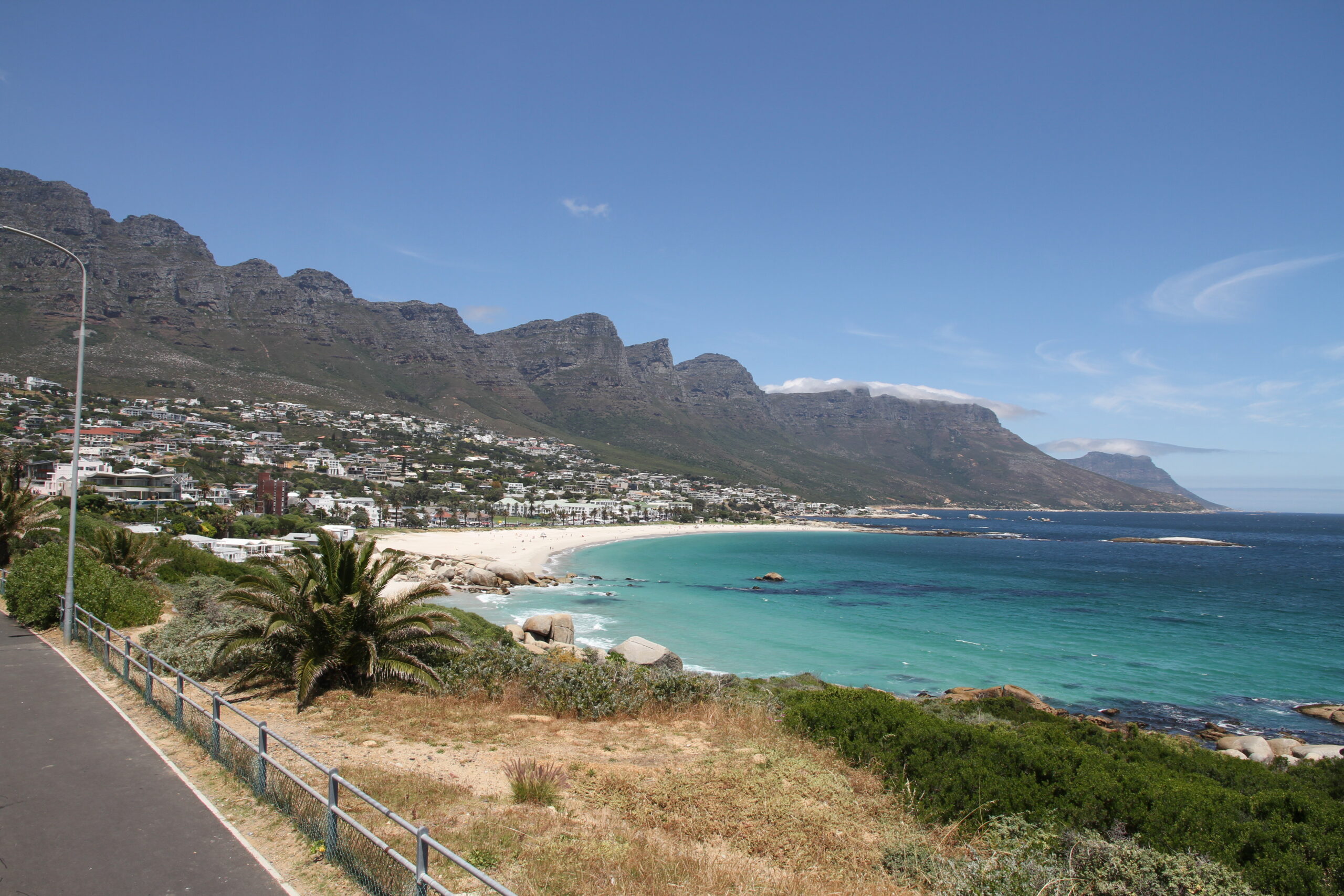
The visit was made possible thanks to the support of a Chinese company working on environmental design and advanced signage systems for emerging railroad stations and mobility infrastructures. Their interest in Cape Town feels natural. This is a city where movement, orientation, and public space are not abstract concepts, but daily necessities shaped by geography and social complexity.
One of the first moments that anchored us was ascending Table Mountain. The air was crisp and mineral, the light unusually sharp. From above, the city appeared fragmented yet coherent. Ocean, port, urban grid, informal settlements, and protected nature all compressed into a single visual field. It was immediately clear that here, design cannot be detached from ethics.
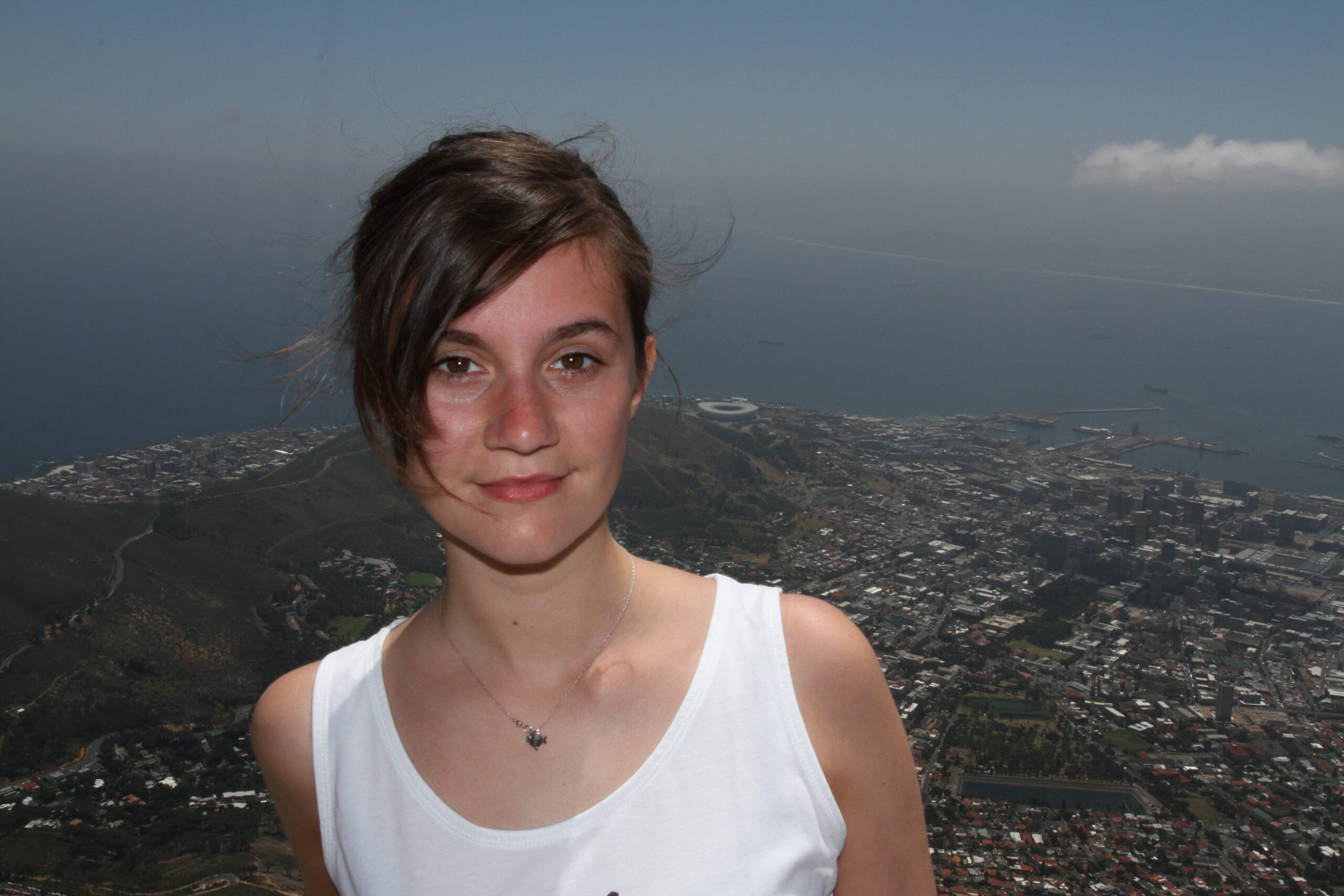
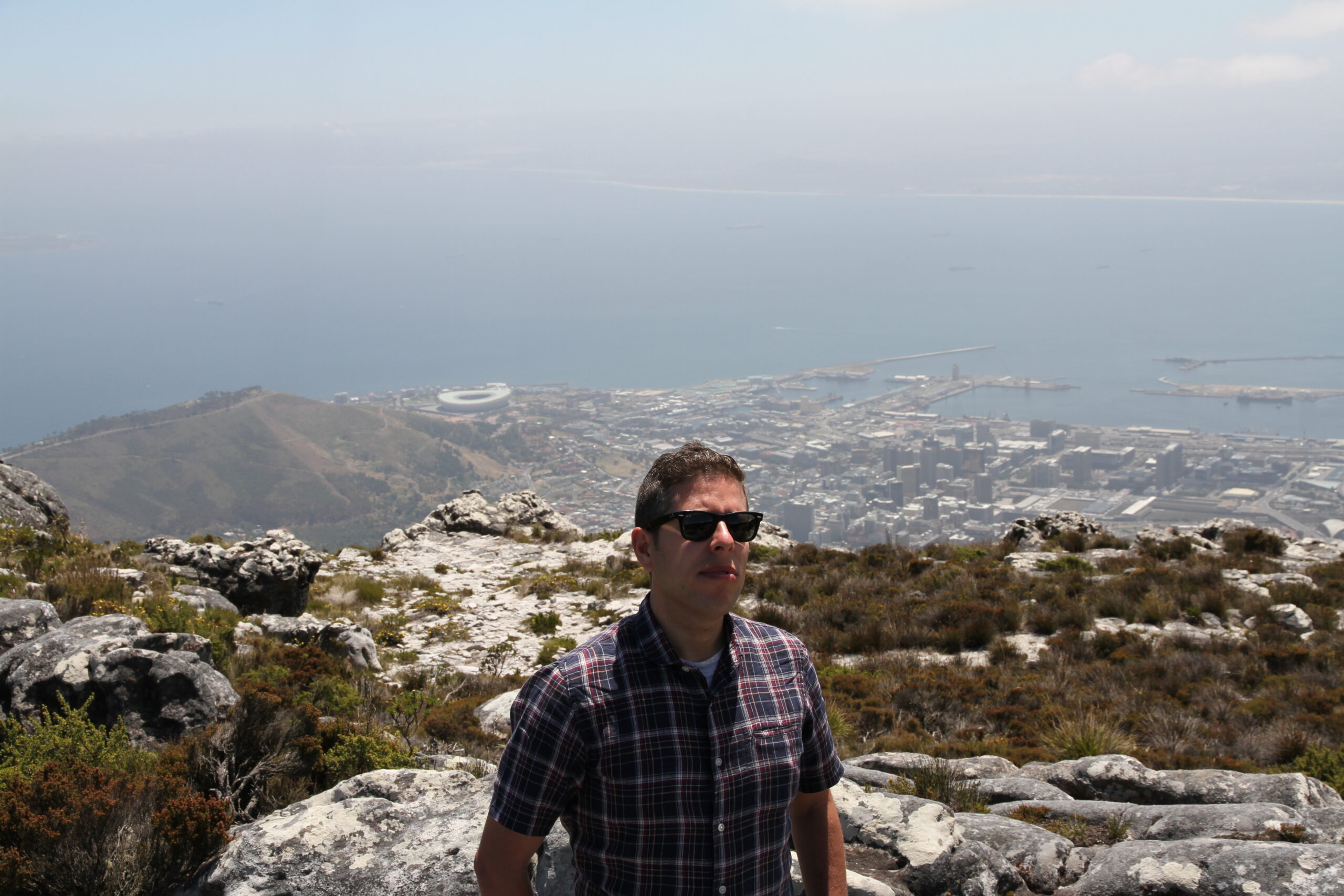
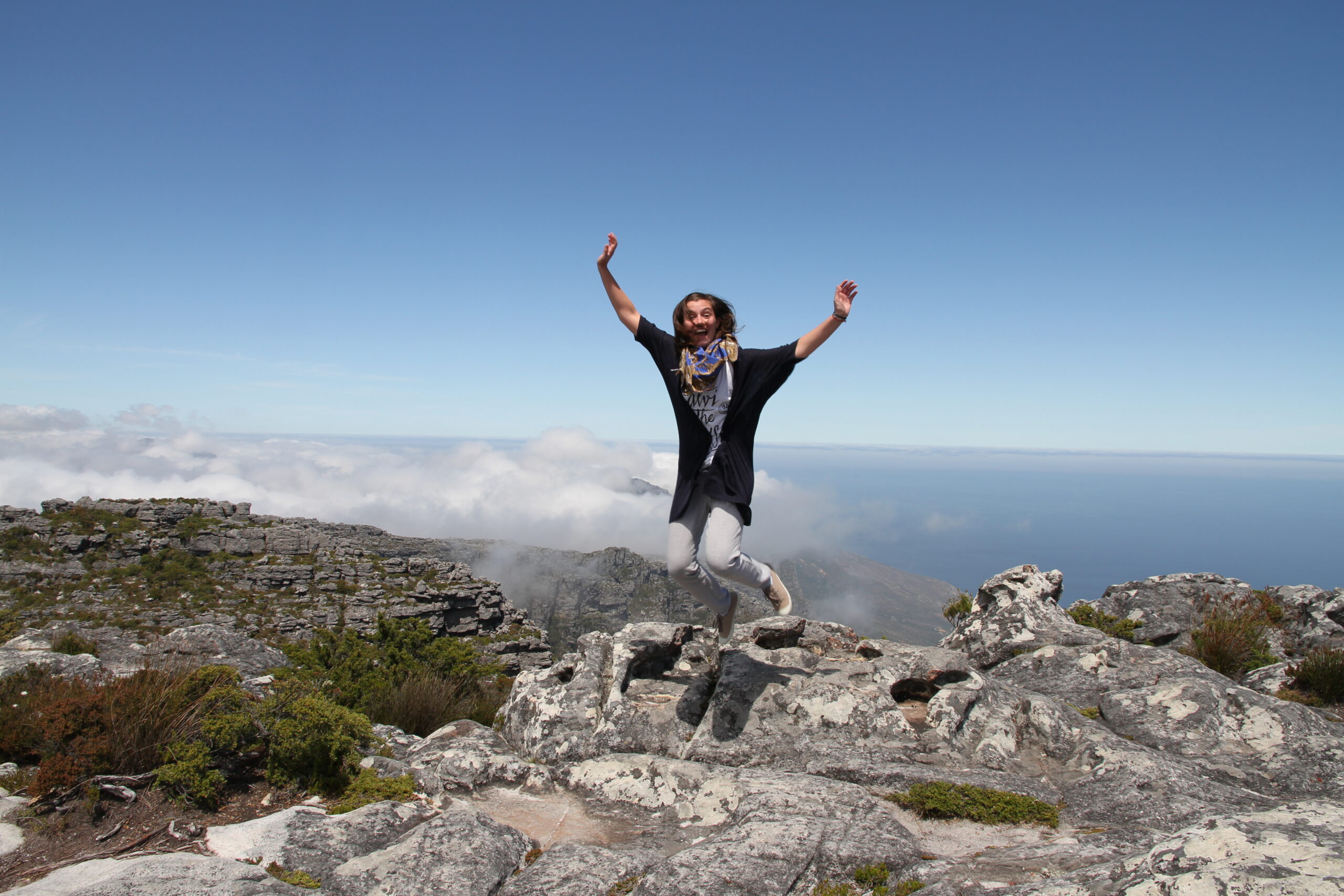
Together with Federica, we deliberately moved beyond the iconic image of the city. We spent time in neighborhoods on the outskirts, where the language of space is raw and direct. Hand painted signs, improvised materials, sound, dust, color. Everything communicates. These places do not wait to be designed. They design themselves. For anyone working with signage or environmental systems, they offer lessons no textbook can provide.

Some of the strongest impressions arrived through the senses. We tasted organic rooibos tea for the first time. Warm, earthy, naturally sweet. A flavor that felt inseparable from the land itself, grounding and calm. It stayed with us long after the cup was empty.
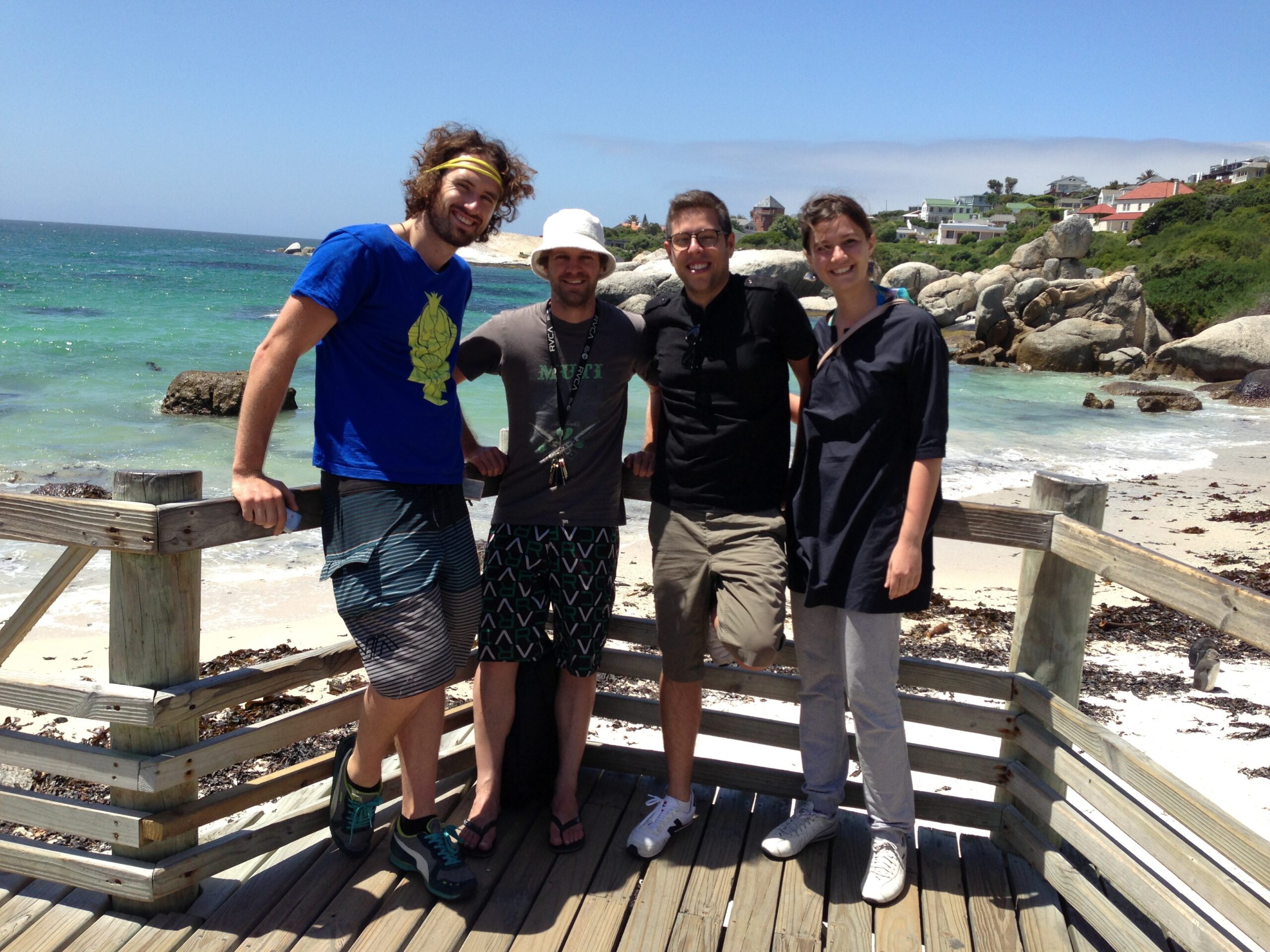
At the Atlantic coast, we stepped barefoot into the ocean. The water was shockingly cold, almost violent. It erased fatigue instantly. The body reacted before the mind could frame it. A moment of pure presence, etched in muscle and skin.
Along the coastline, we encountered penguins moving freely across sand and rock at Boulders Beach. Their presence felt surreal and precise at the same time. A reminder that this territory is shared, and that any future infrastructure here must negotiate with life that predates us.
Cape Town is also personal. Through fragments of family history, I felt close to my grandfather’s time living in the city. Walking its streets carried a subtle emotional weight, as if layers of time briefly aligned.
Another powerful layer of the city revealed itself through street art. Cape Town hosts a scene we had already encountered internationally, in galleries, festivals, and publications, but seeing its point of origin changes everything. On the street, murals feel less like isolated artworks and more like living interfaces with the city.
Encountering works by Faith47 in their native context was particularly intense. Her visual language, already known abroad, here feels grounded, urgent, and deeply connected to the social fabric. Alongside her, we get in touch with artists such as Paul Senyol, whose bold iconography and graphic symbolism resonate strongly in public space, as well as Falko One, Mak1one, Nardstar, and Ricky Lee Gordon.
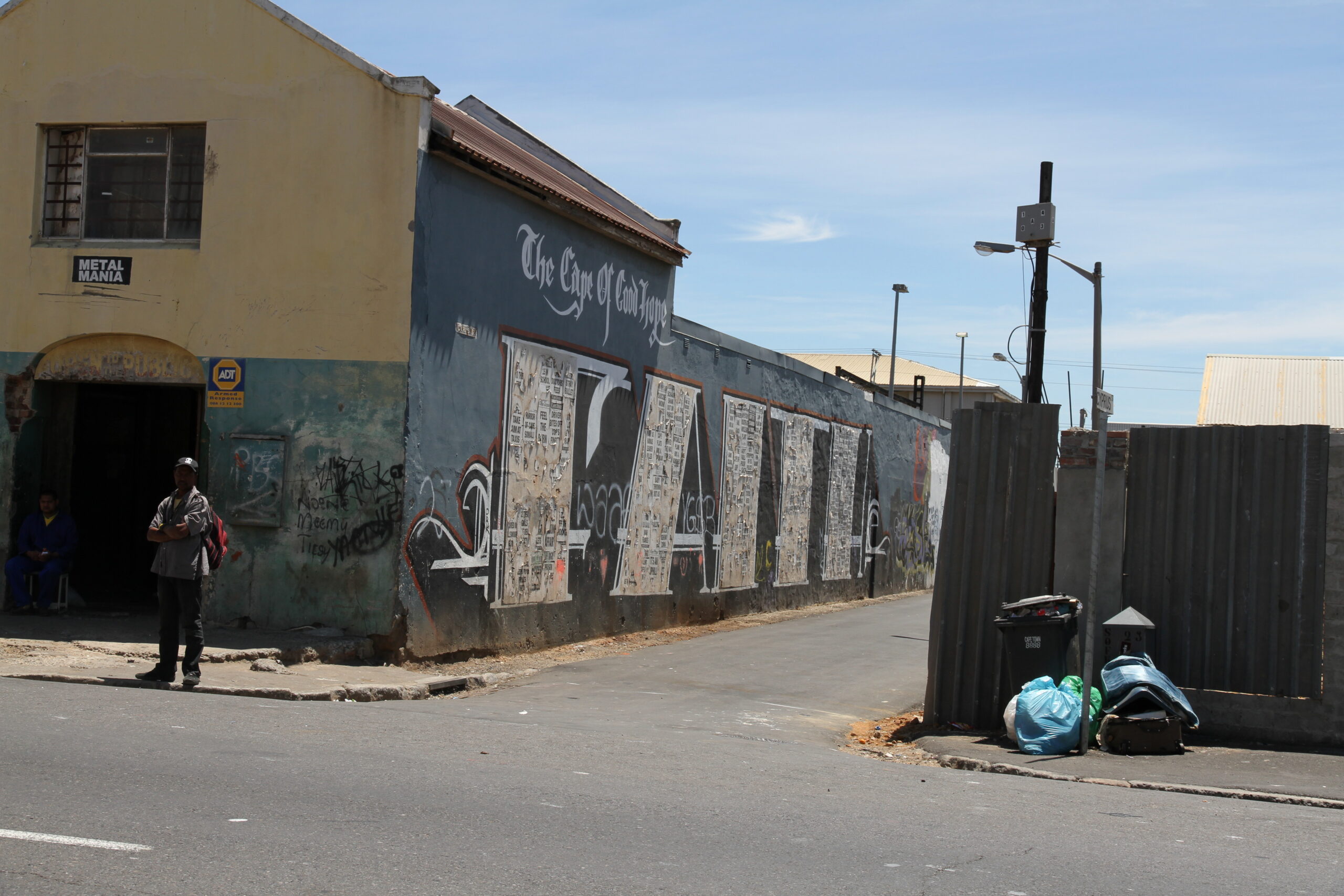
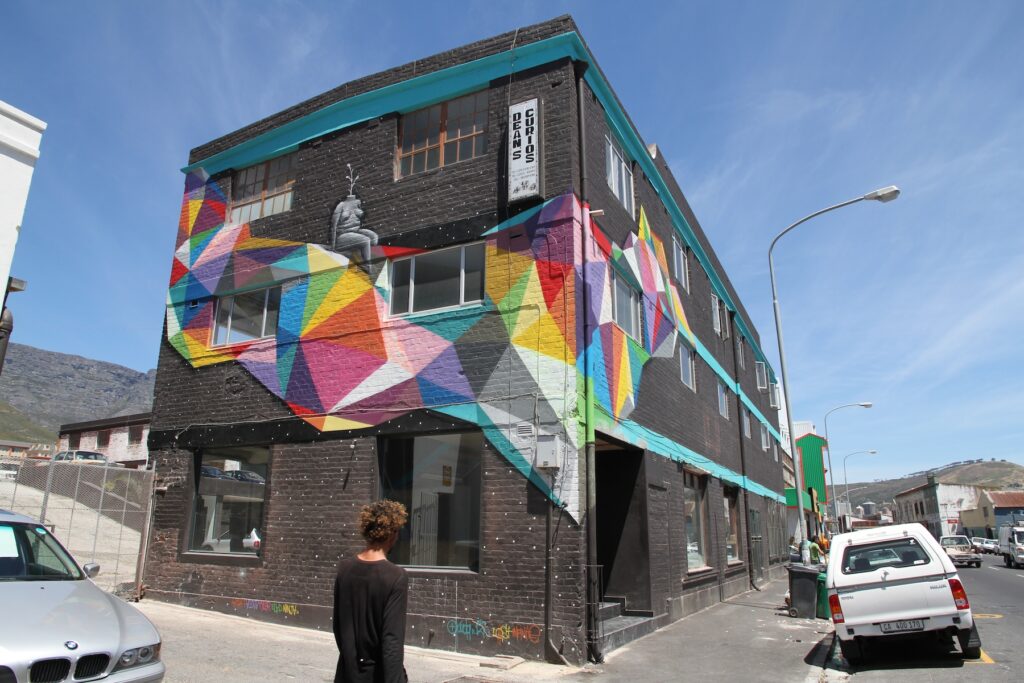
In areas like Woodstock, walls operate as collective memory. Messages of resistance, identity, and transition are layered directly onto the urban skin. Seeing these works where they were born makes something very clear. Street art in Cape Town is not decoration and not trend driven. It is a visual nervous system, reacting in real time to history, inequality, and the need to be seen.
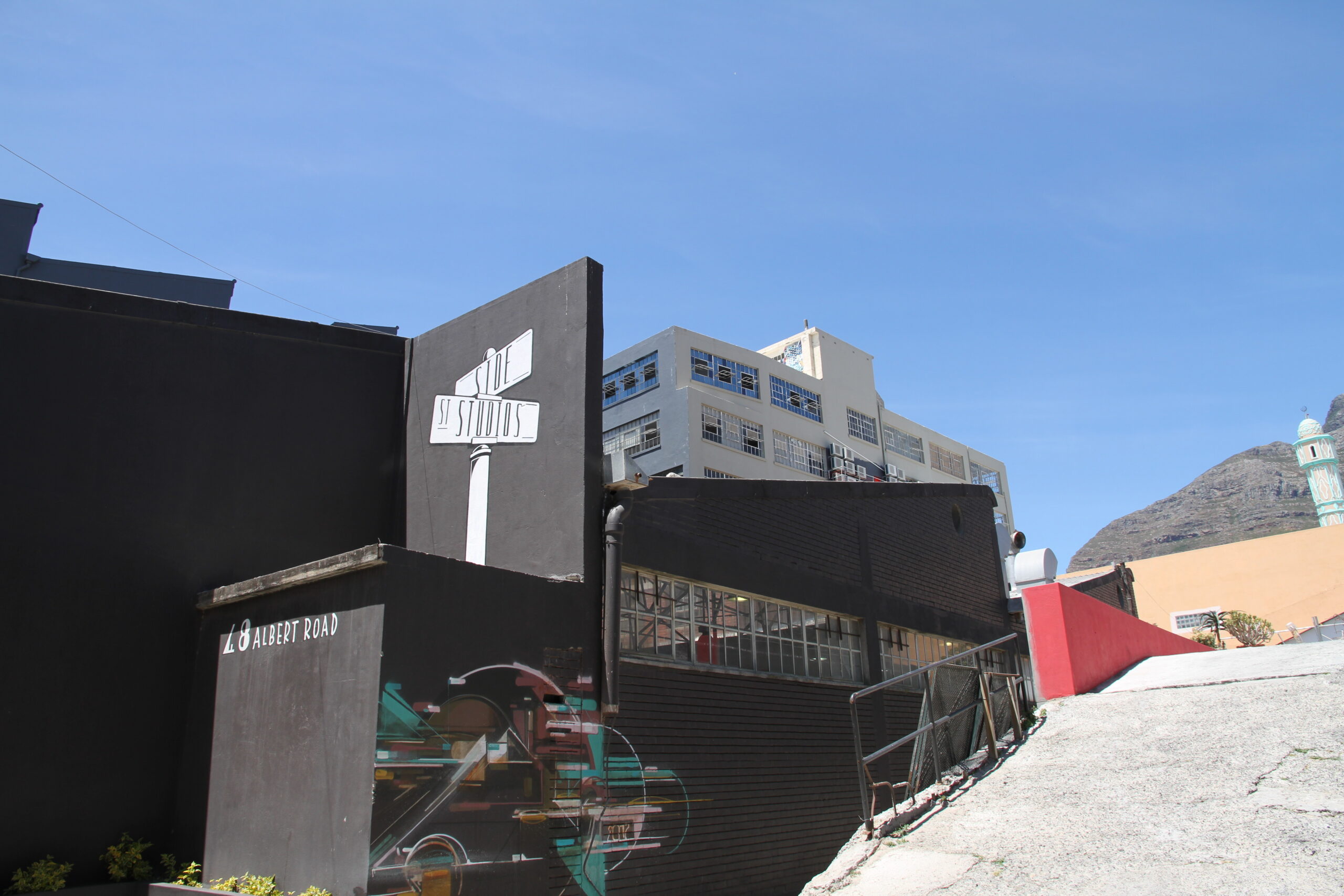
Walking these streets in the early evening light, the textures of paint, brick, and sky seemed to fuse with the city’s rhythm. At Side Street Studios, conversations with resident artists revealed how these walls serve as both canvas and compass, charting Cape Town’s stories of resistance, community, and reinvention. It was a reminder that in this city, art is embedded in everyday life, and creativity is both survival and celebration.
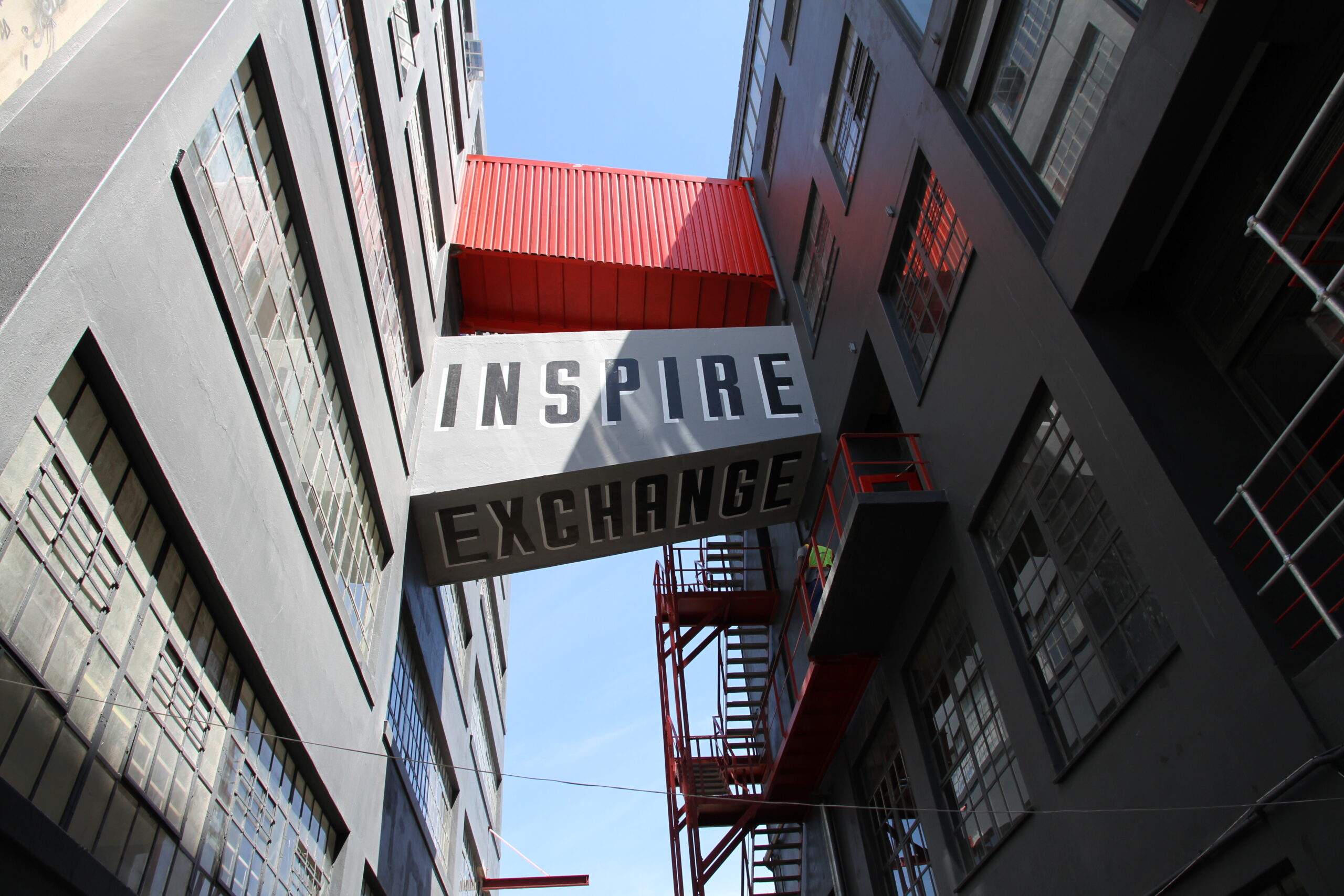
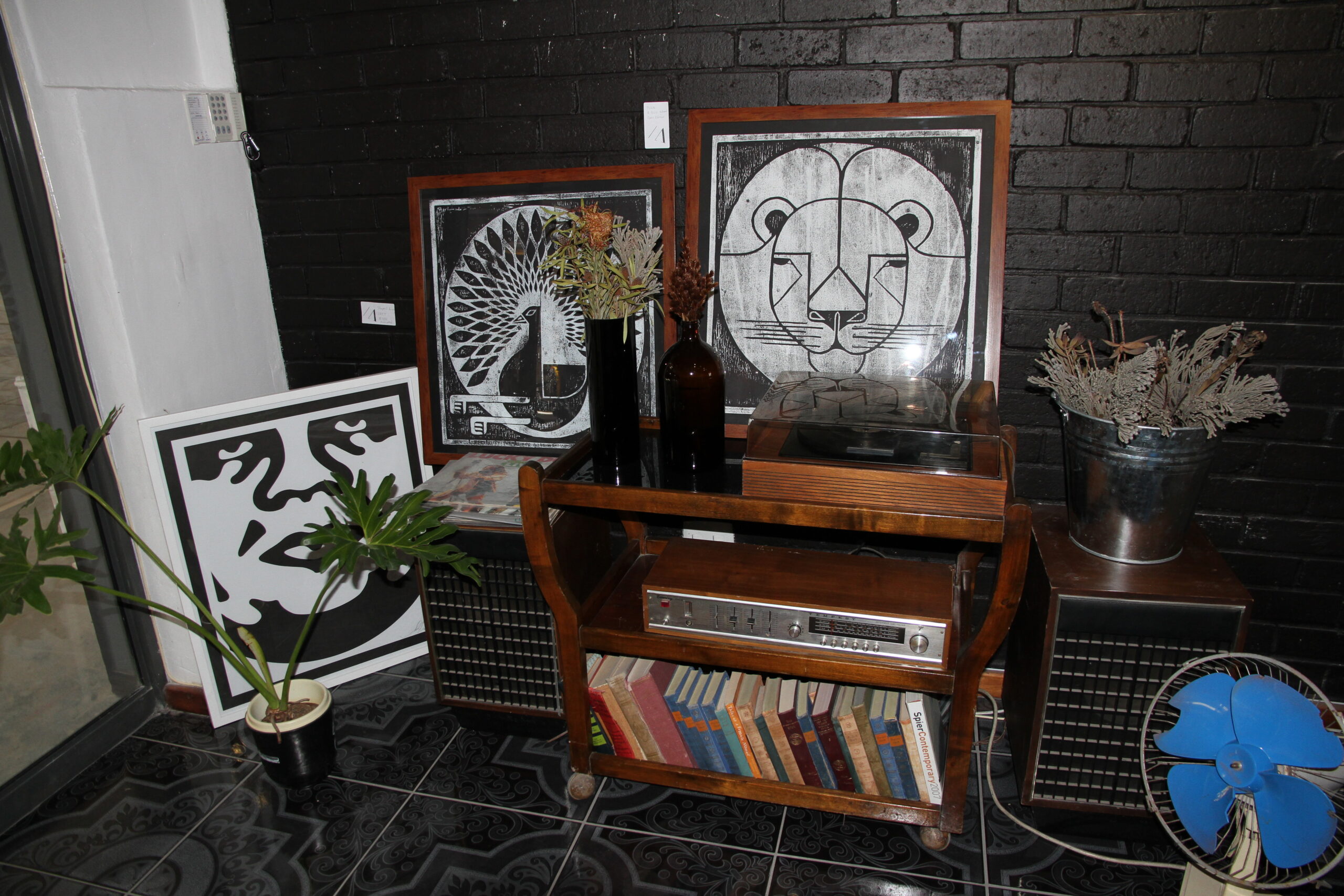
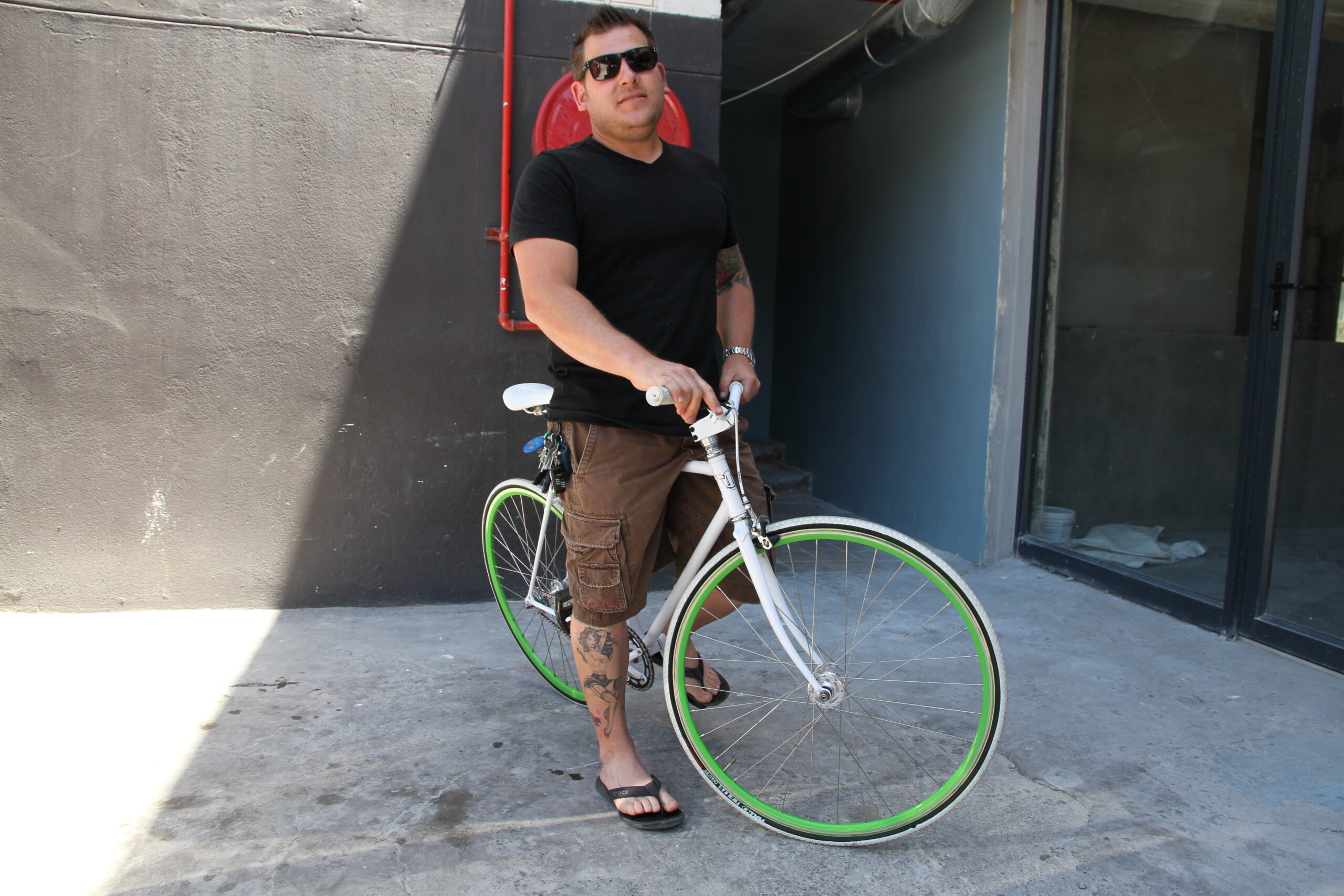
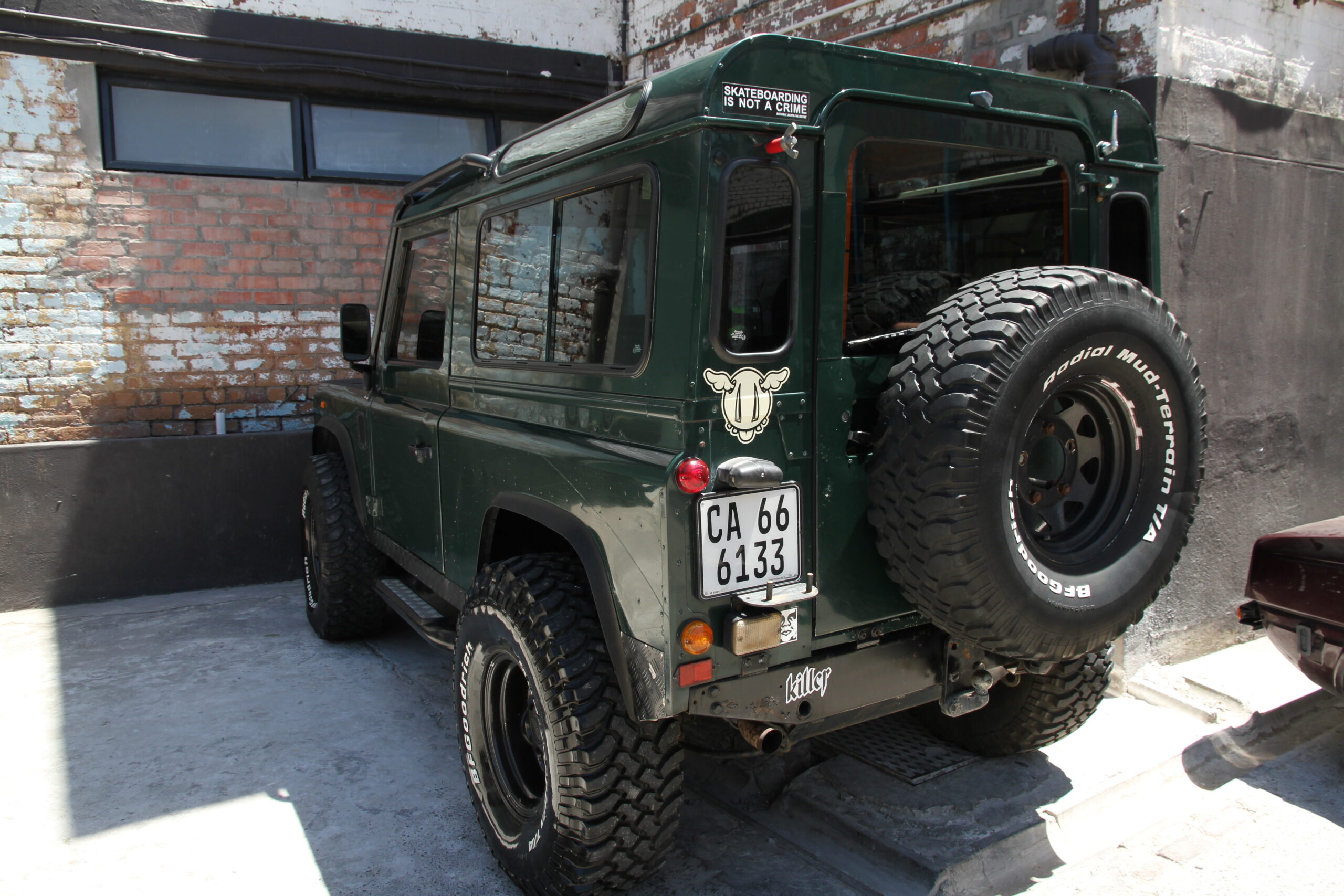
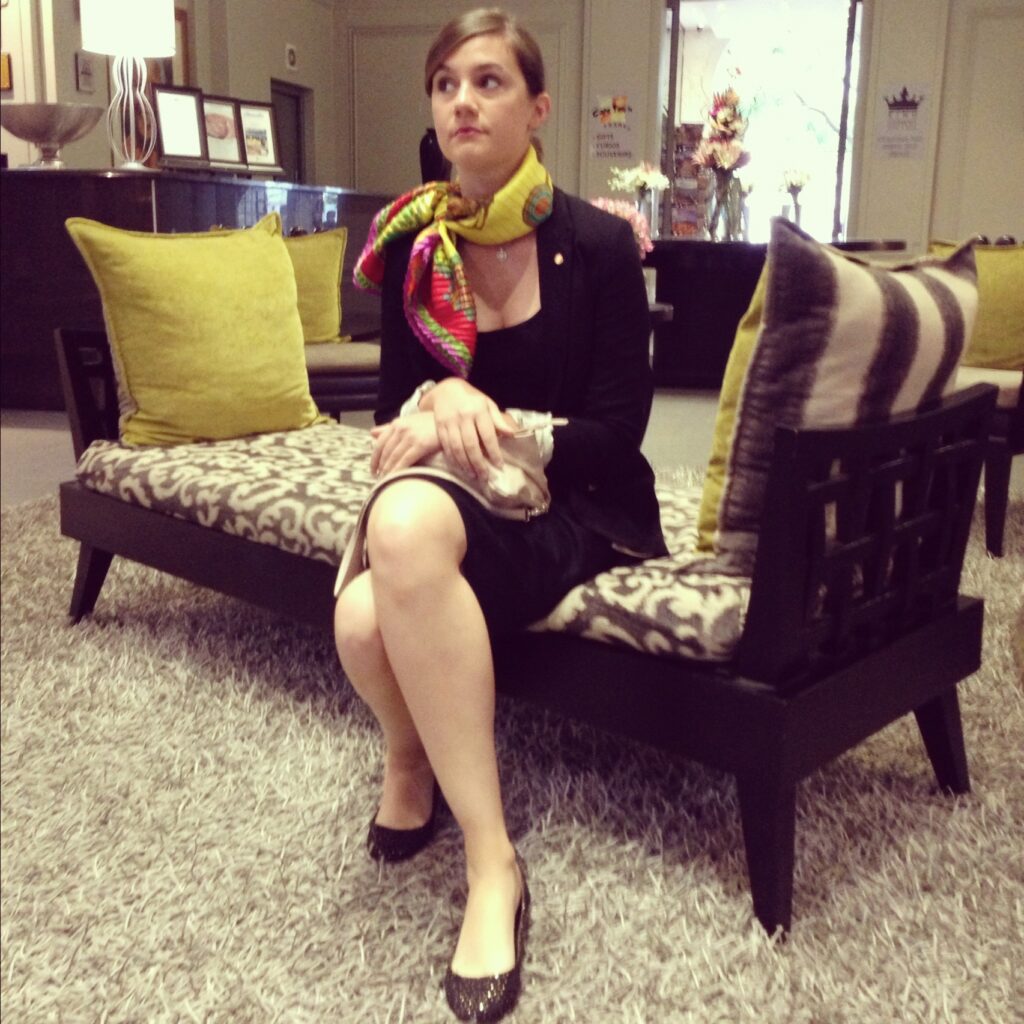
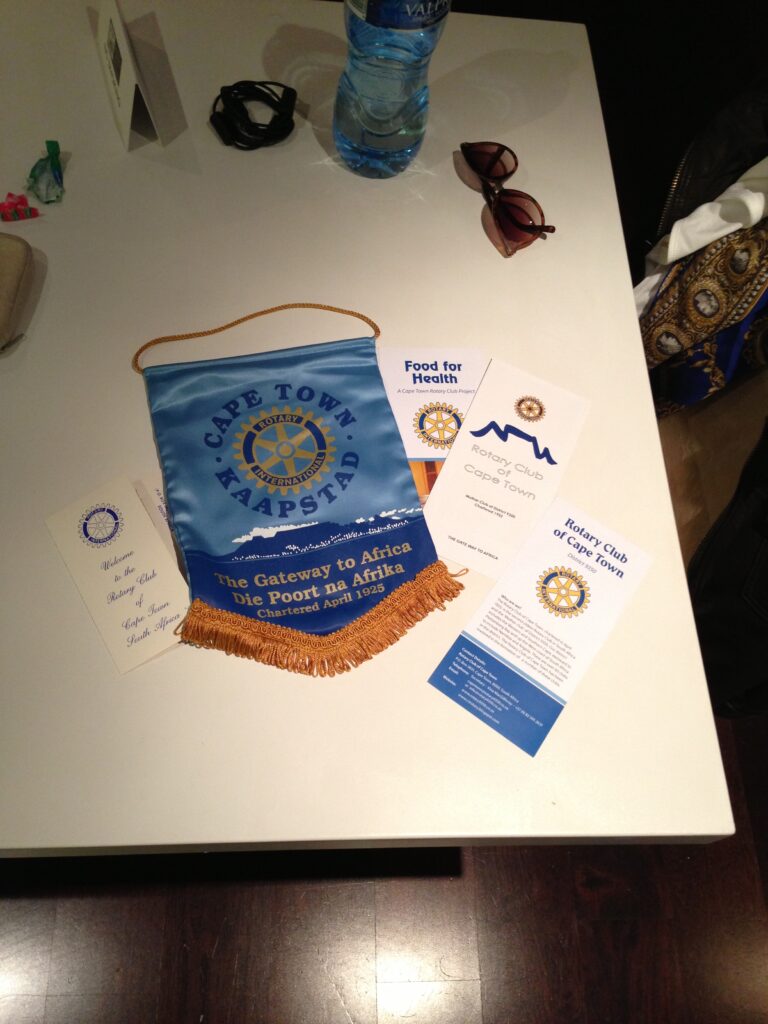
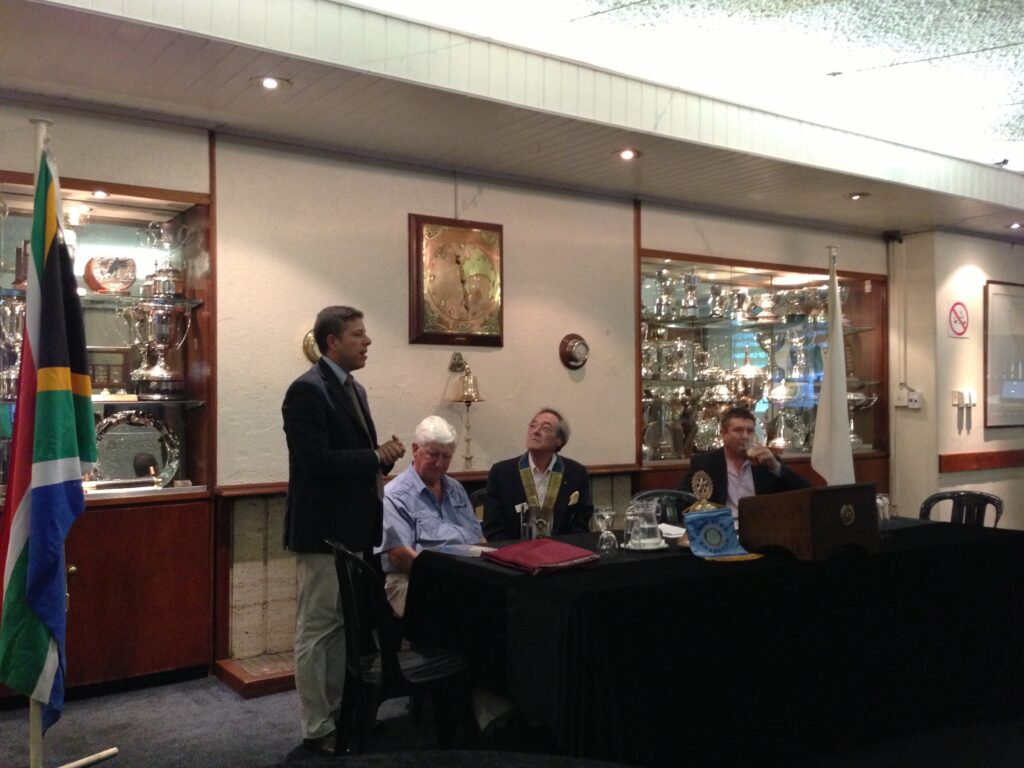
We connected with the city’s creative and institutional culture, engaging with artists, designers, and public officials. Meetings with government representatives and leaders from the Rotary Club of Cape Town were direct and substantive, focused on urban development, inclusivity, and long term responsibility.

Writing this now, just after returning, it is clear that Cape Town does not reveal itself through images alone. It operates through temperature, taste, sound, and contrast. It teaches you that infrastructure must listen before it speaks, and that environmental design here is not about control, but about translation.
This city does not ask to be simplified. It asks to be understood.