Another quick landing. Another city already different from the last time we left it.
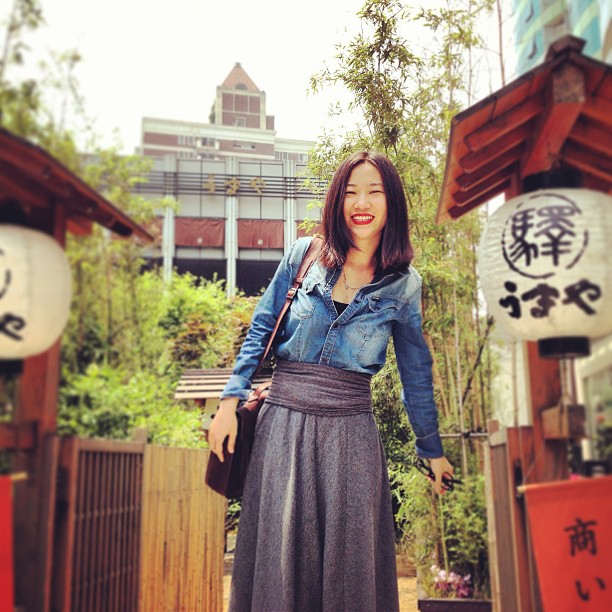
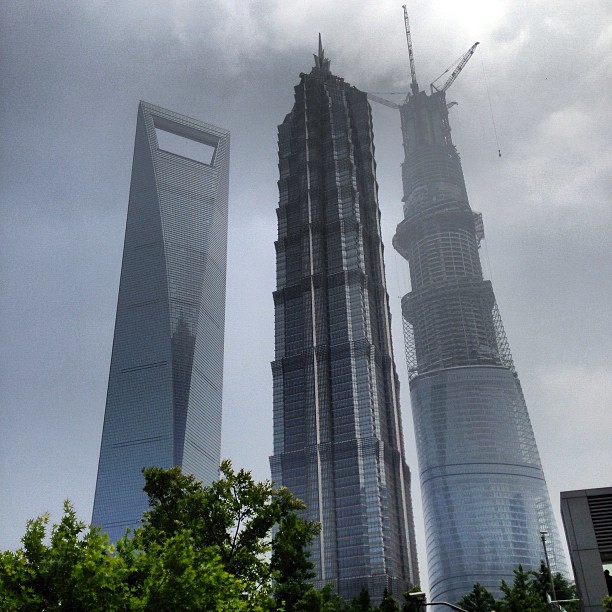
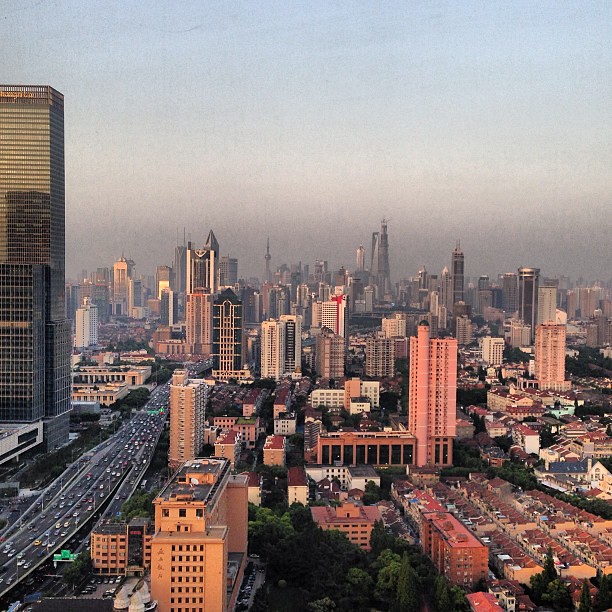
Shanghai had changed again. Taller. Faster. Corners erased. New ones rising before you could memorize the old. We reconnected with friends like Popil, talking while the city rewrote itself outside the window. Shanghai does not pause for recognition.
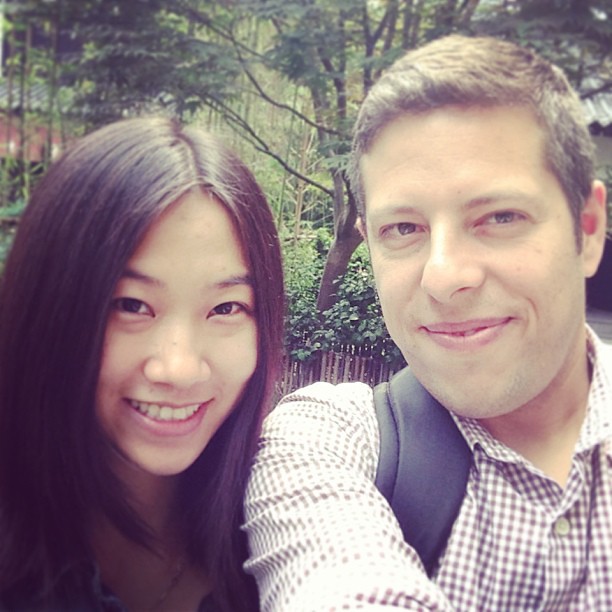
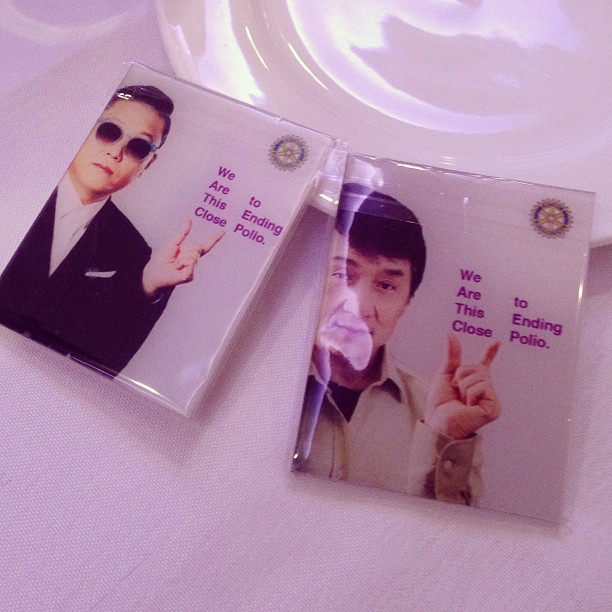
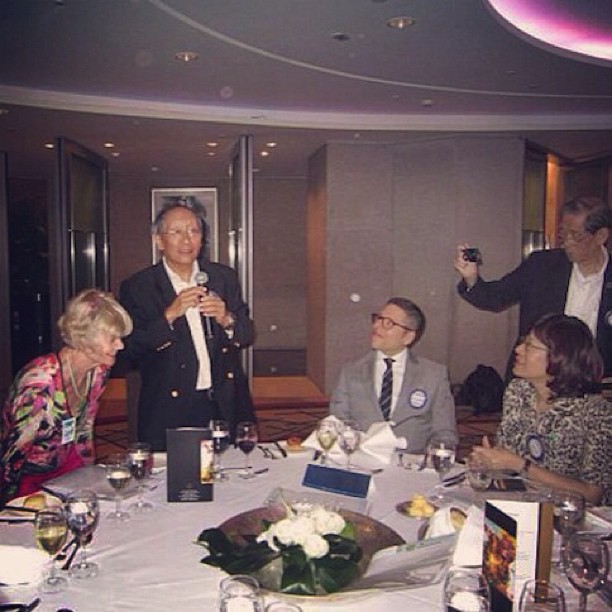
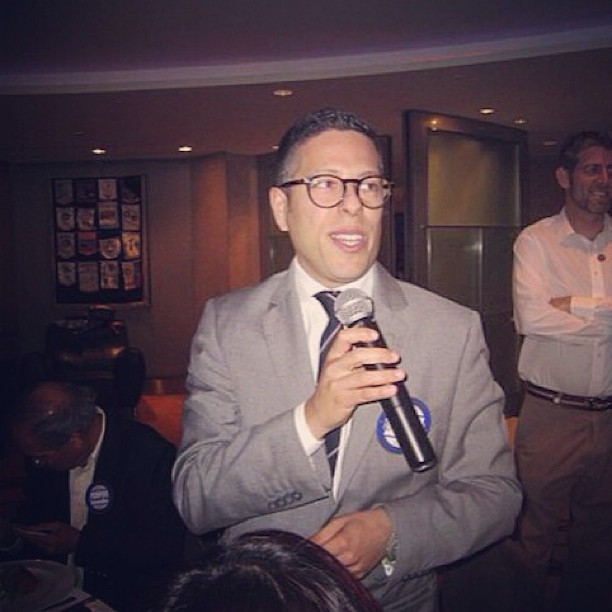
One evening, the pace slowed. Dinner with the historic Rotary Club of Shanghai. A long table. Familiar faces. New ones from every direction of the world. People living in the city and others passing through, all speaking the same quiet language of service and continuity. It felt stable in a city that refuses to be.

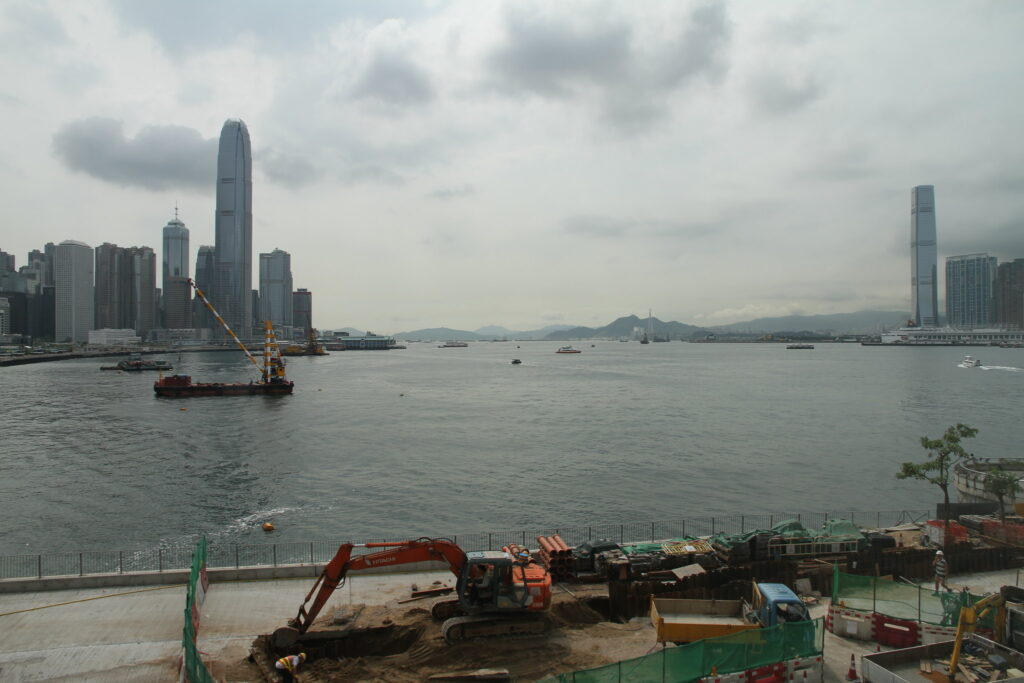
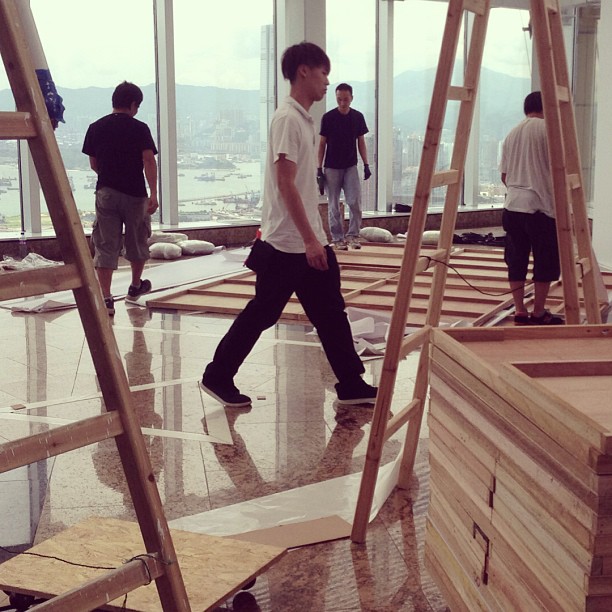
From there, the axis shifted south. Hong Kong. We were invited to start the construction of a client’s main showroom inside a skyscraper overlooking the harbour. Glass, height, water below. Work that required precision and calm, even while the city pressed in from every side.
Then art entered the schedule. A VIP invitation to our first Art Basel Hong Kong. The fair was young, international, confident. Collateral events spilled into the city. Keith Haring. Retna. No separation between street, gallery, and conversation.
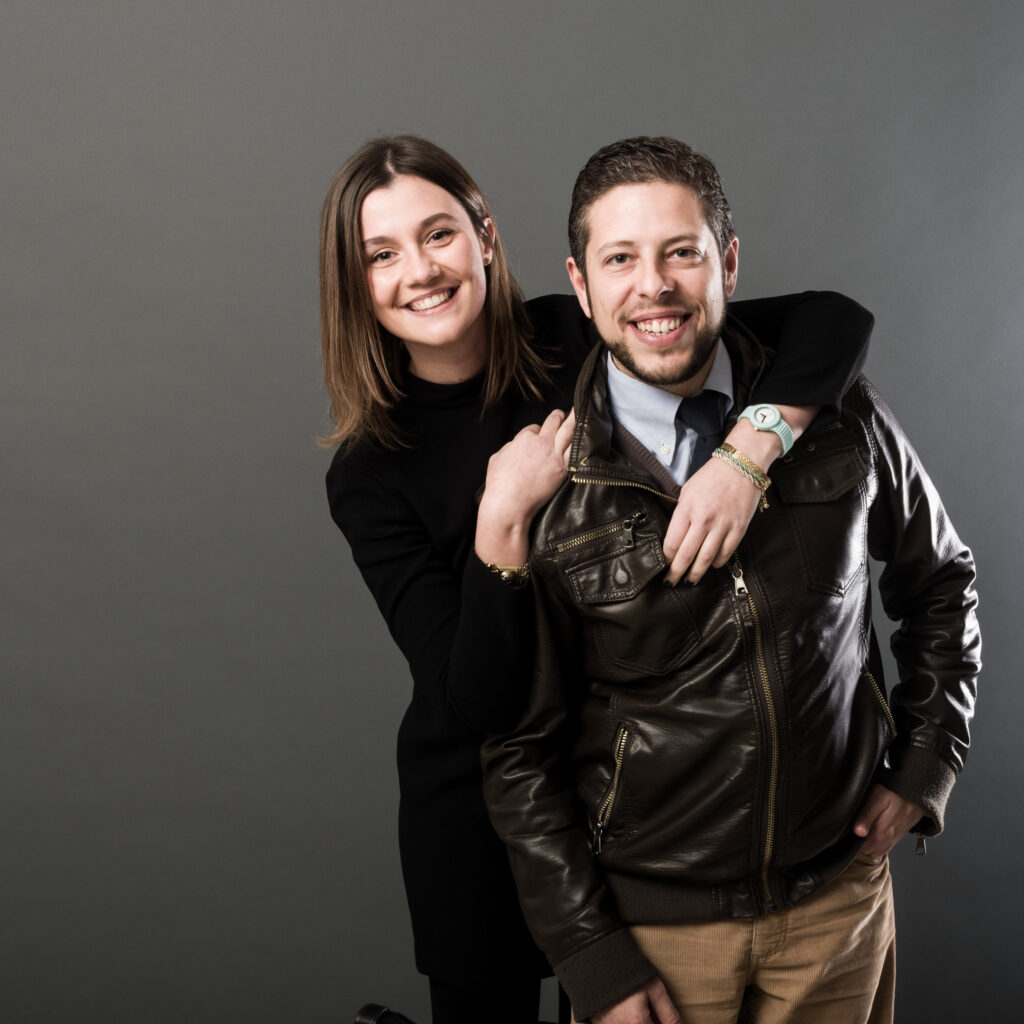
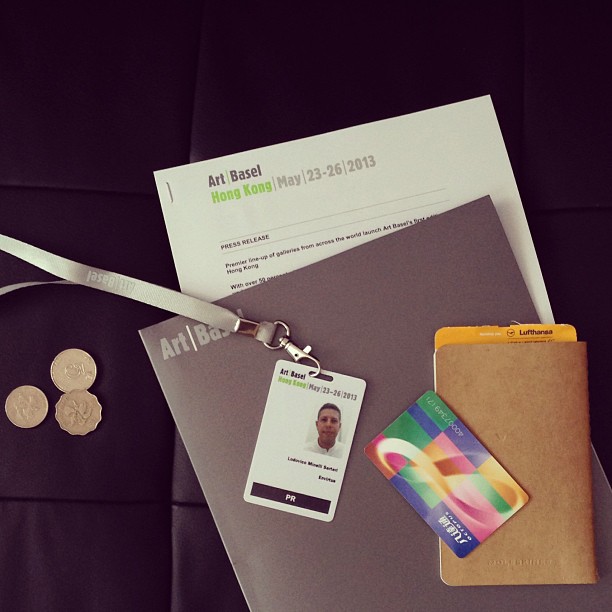
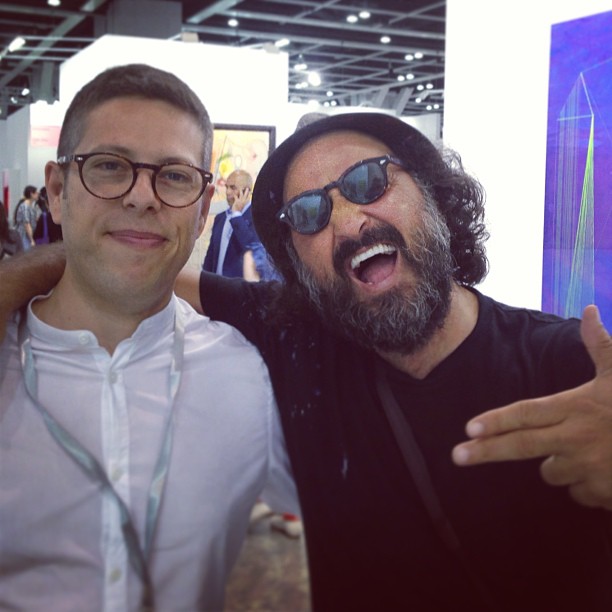
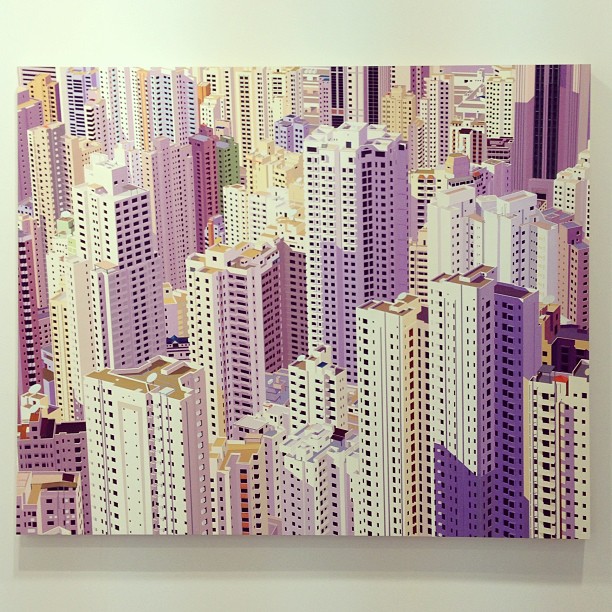
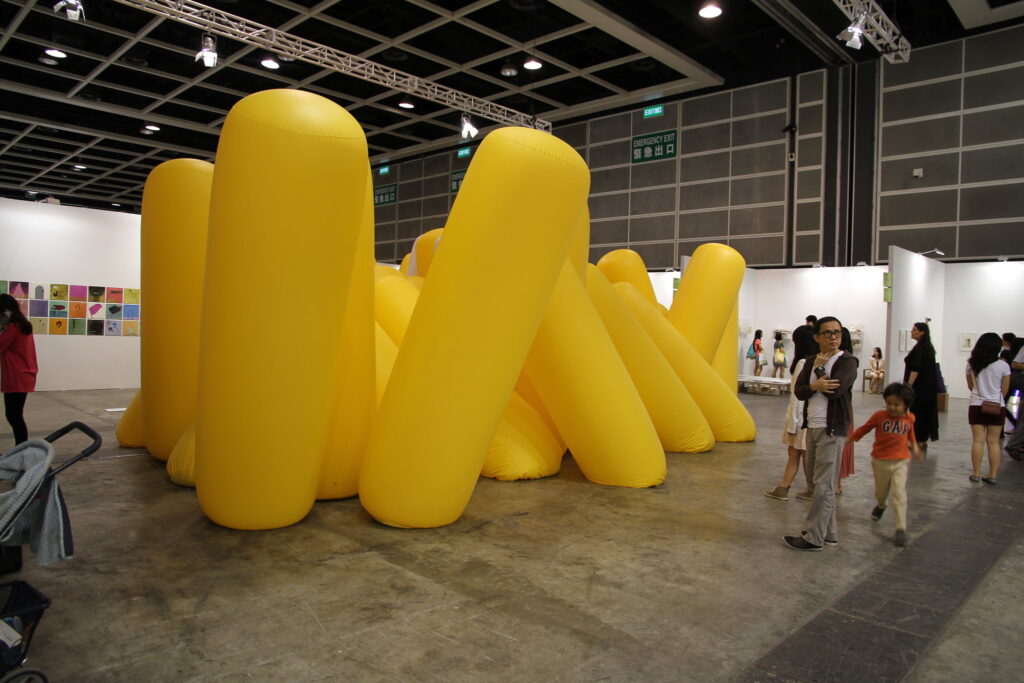
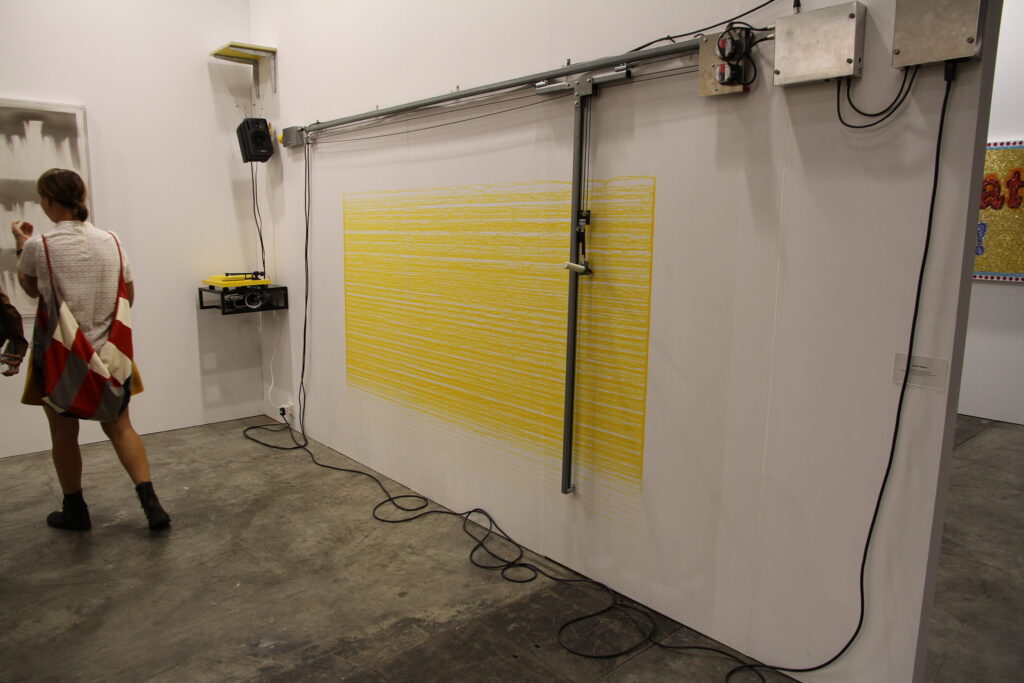
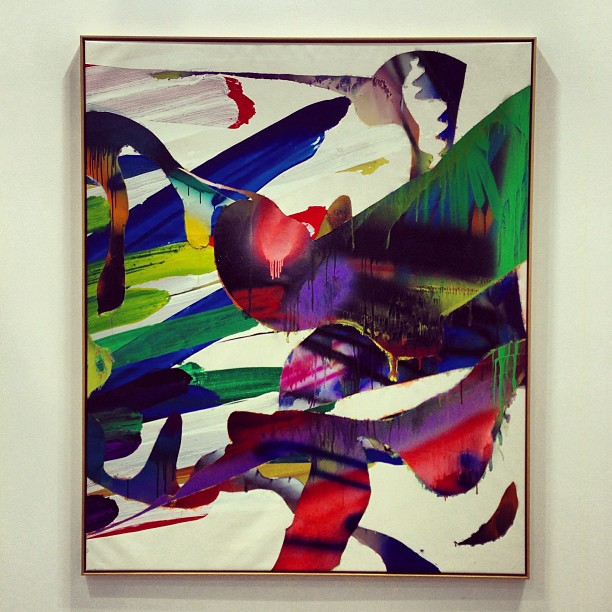
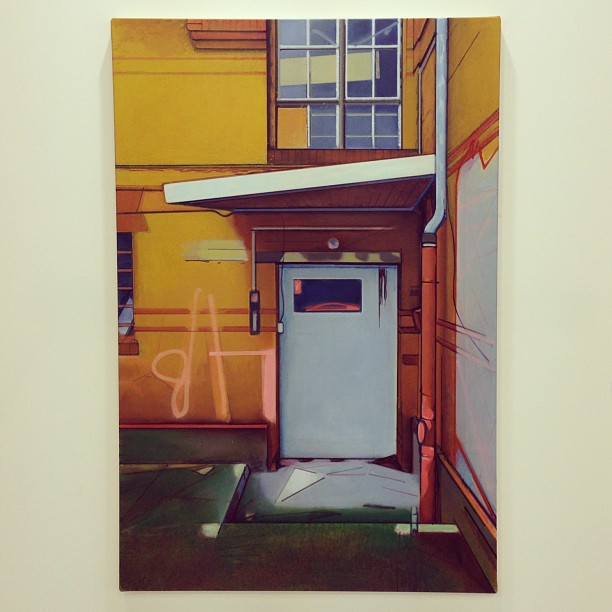
At Juice, we crossed paths with Julia Chiang, while Brian Donnelly was nearby for a book signing. It was informal. Immediate. Our first real contact with Hong Kong’s fashion ecosystem. Nothing forced. Everything real.
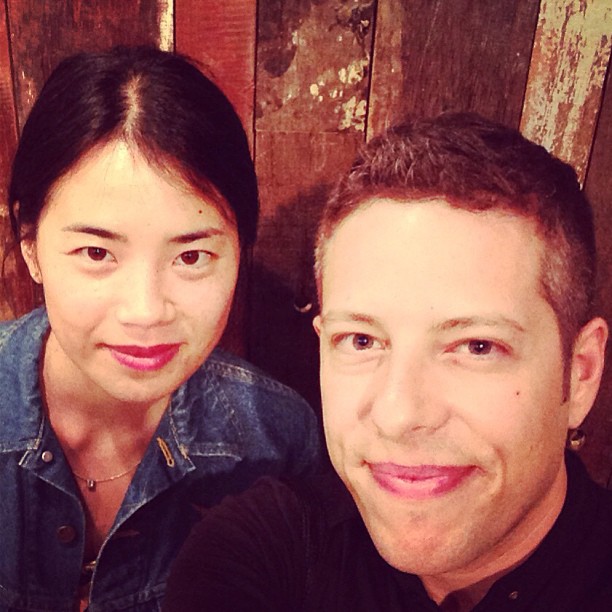
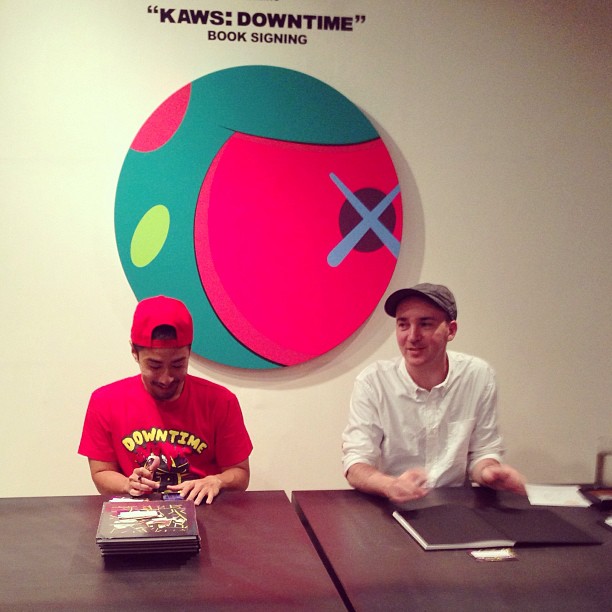

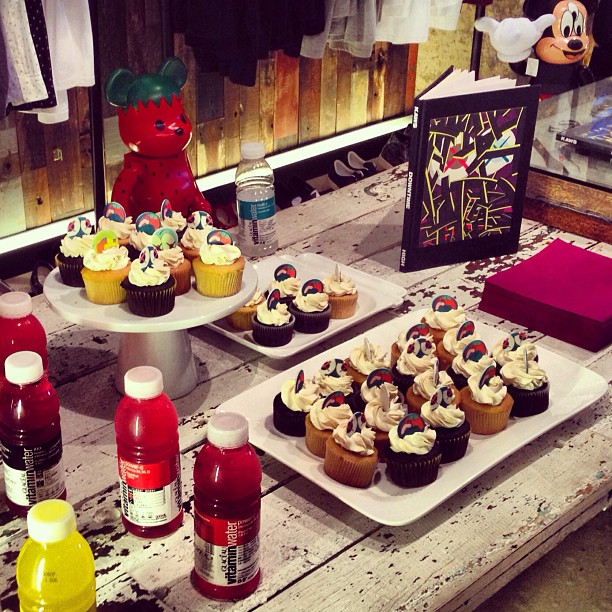
Only later did we realize how strange the timing had been.
During those same days, just across the street from the building where I was staying, Edward Snowden was hiding in plain sight. He had arrived in Hong Kong in May 2013 and was initially staying in a hotel before disappearing into the city, protected by asylum seekers connected to Robert Tibbo. While we moved between meetings, dinners, art, and construction plans, history was quietly unfolding in front of us with journalists screaming and pressing outside Snowden’s hotel.
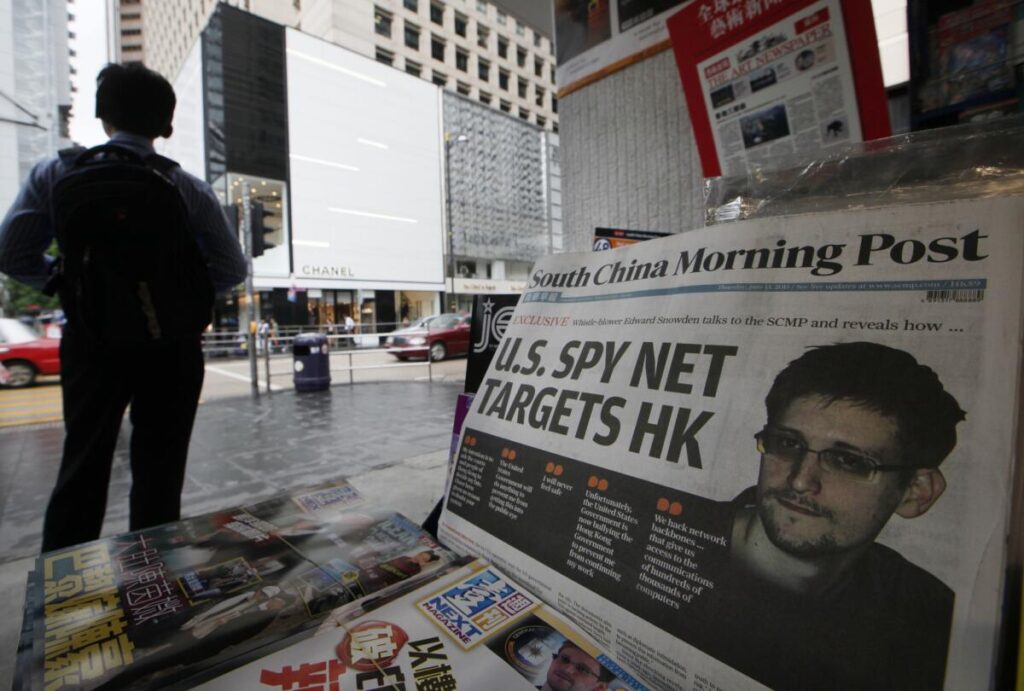
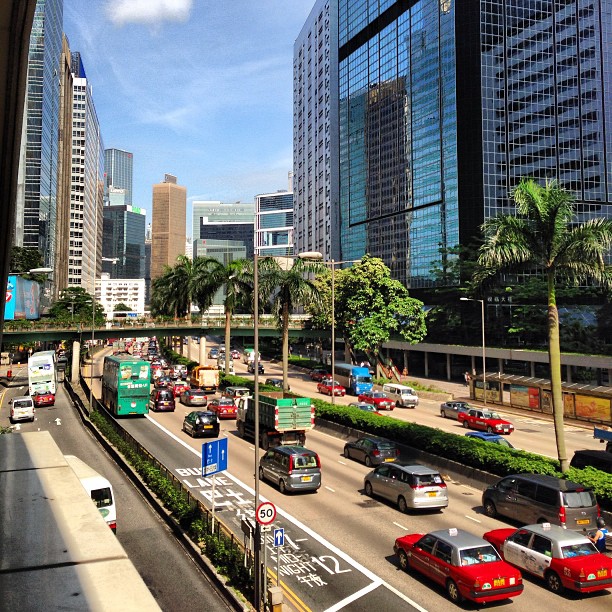
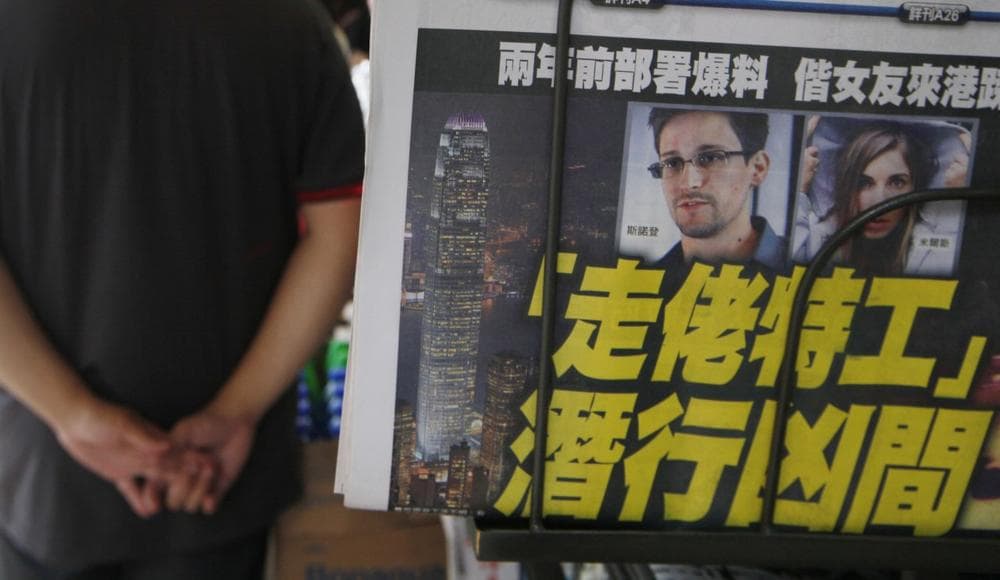
On June 14, the United States Department of Justice charged Snowden with espionage and formally requested his arrest and extradition. Hong Kong declined, stating the request did not meet legal standards. On June 23, he left the city on a flight to Moscow.
At the time, we felt nothing. No tension. No sign. Just the ordinary intensity of Hong Kong. Only later did the realization settle in. Two realities overlapping without touching. One public and fast. The other silent and decisive.
Shanghai was accelerating.
Hong Kong was crystallizing.
And history, as always, moved quietly through a side entrance.