Two days in London. Short enough to stay sharp. Long enough to feel the friction.
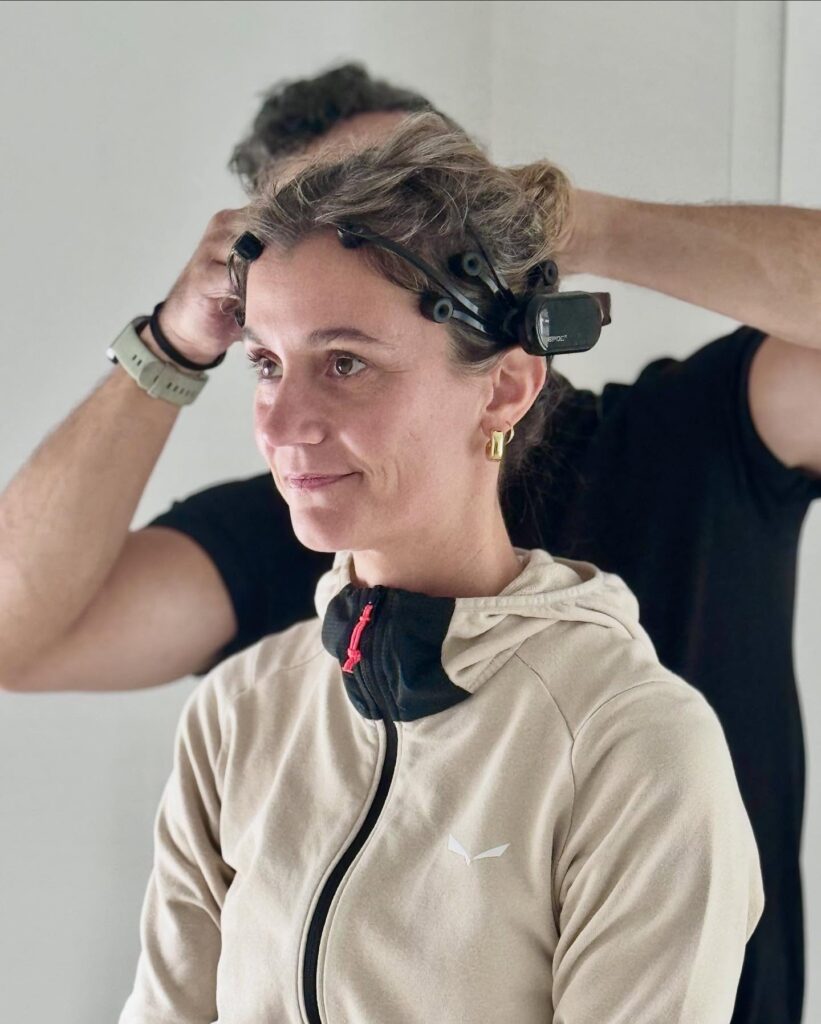
One of the reason for the trip was to attend a neuroscience work by Andrea Bariselli. Andrea works at the intersection of neuroscience, decision-making, and human behavior, translating complex brain processes into something that can be applied to leadership, creativity, and everyday life. His work is rigorous but accessible, grounded in research yet focused on how the brain actually behaves under pressure, uncertainty, and emotion. Listening to him in person, you feel the distance between theory and lived experience collapse. The brain stops being an abstract organ and becomes a system you recognize in yourself.




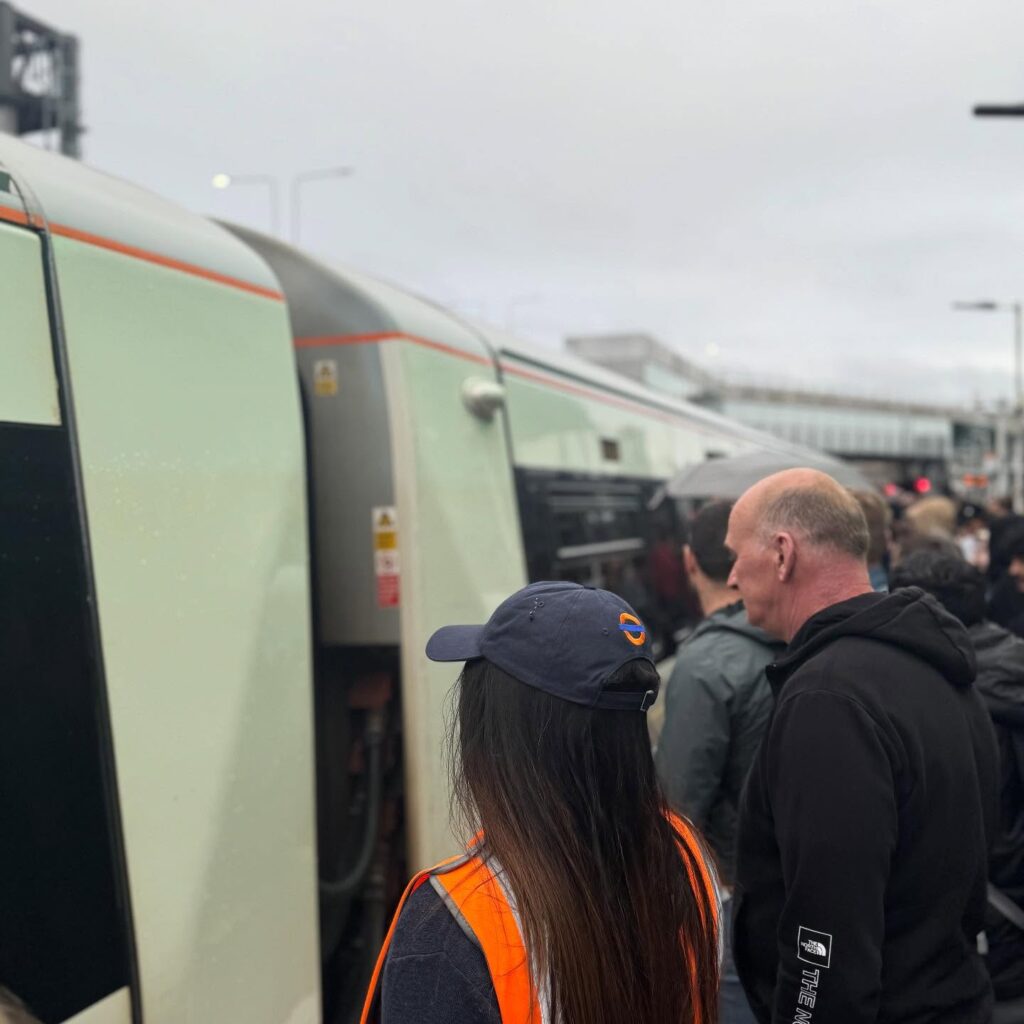
Outside the lecture rooms, London was testing patience. Transportation strikes were on. Trains stopped. Lines backed up. Streets filled faster than usual. The commute turned into a sequence of walks, reroutes, and improvised timing. You felt the city differently when movement was no longer guaranteed. London becomes louder when it slows down.

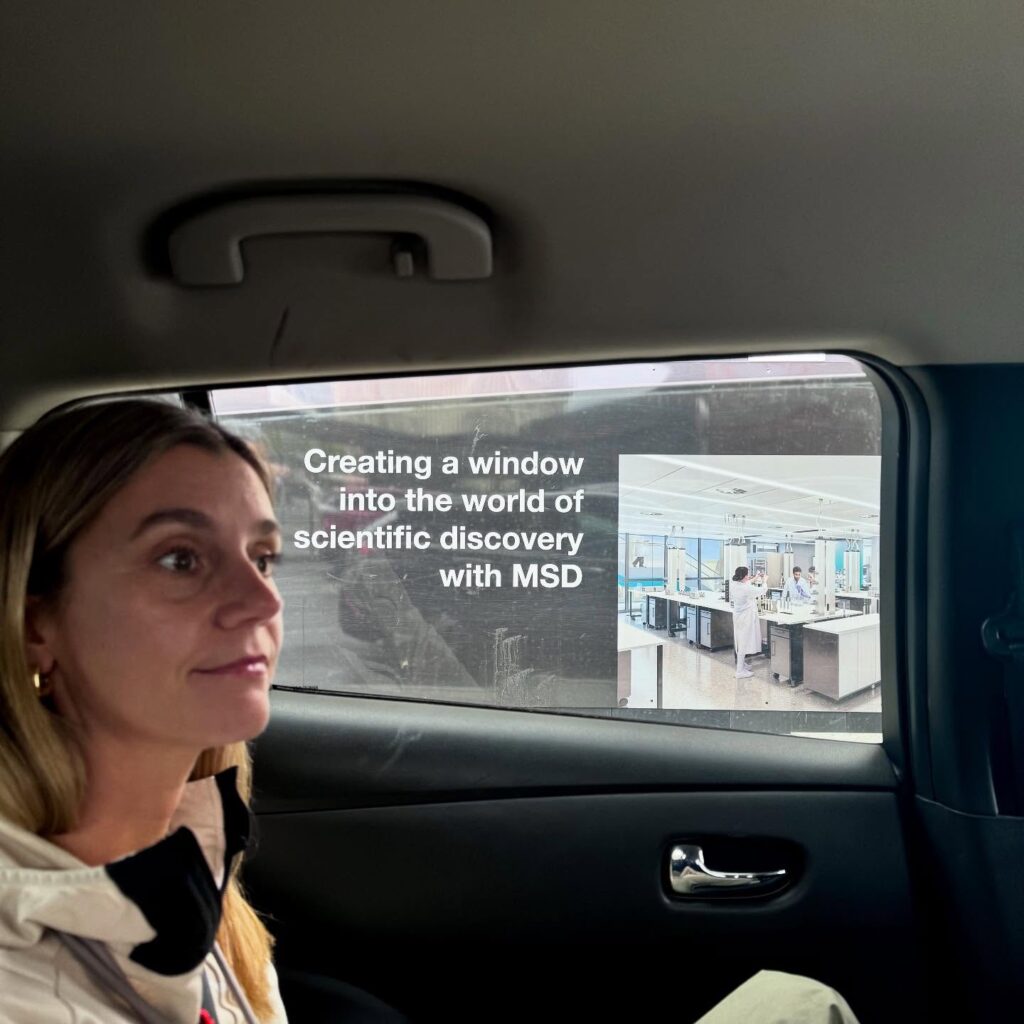
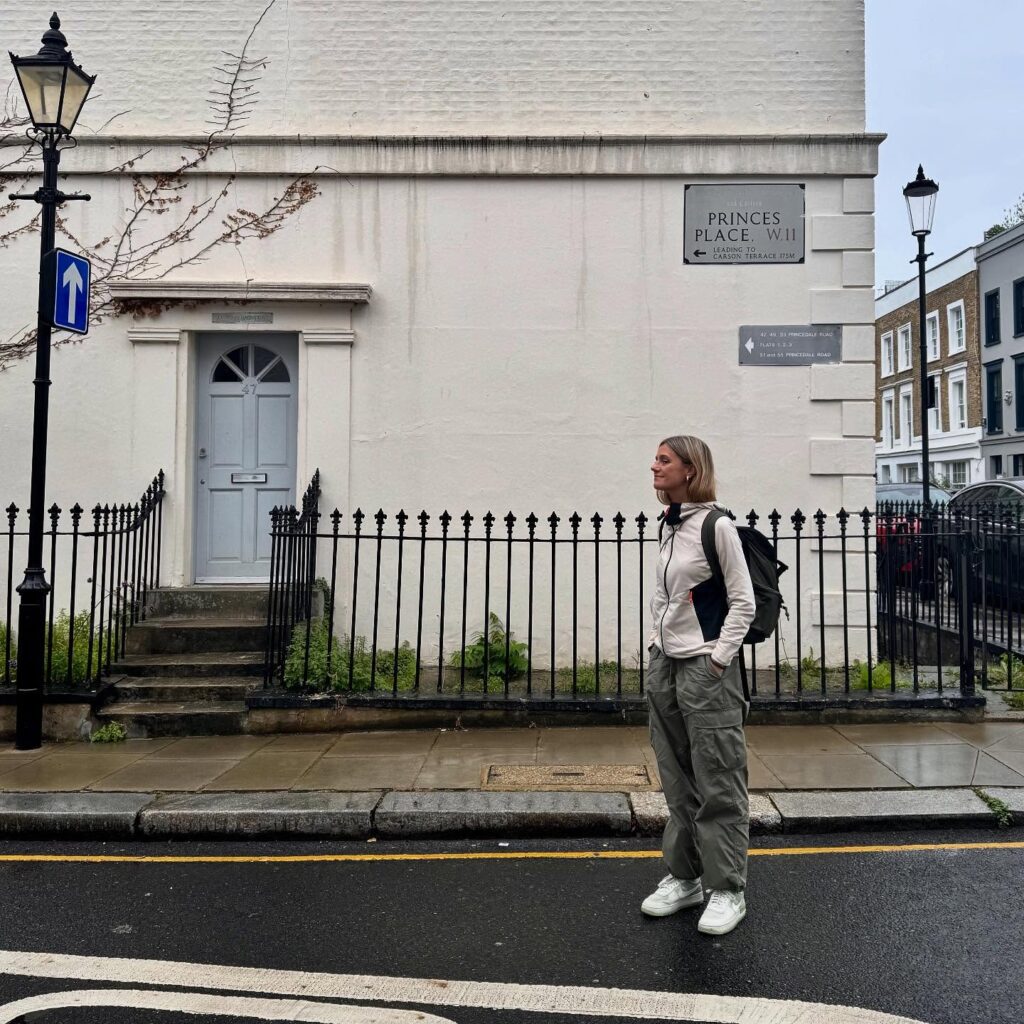
The best part, as often happens, was people.
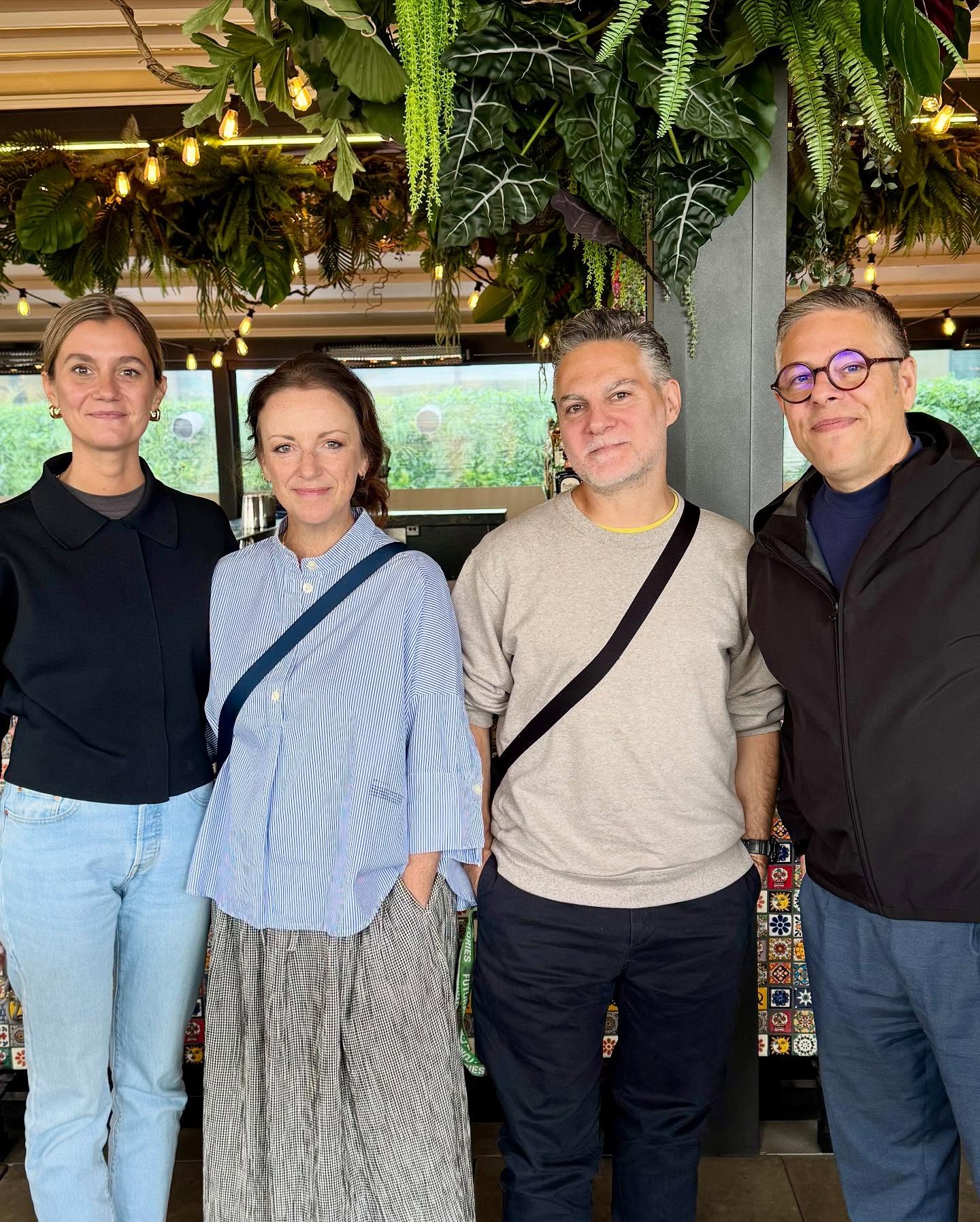
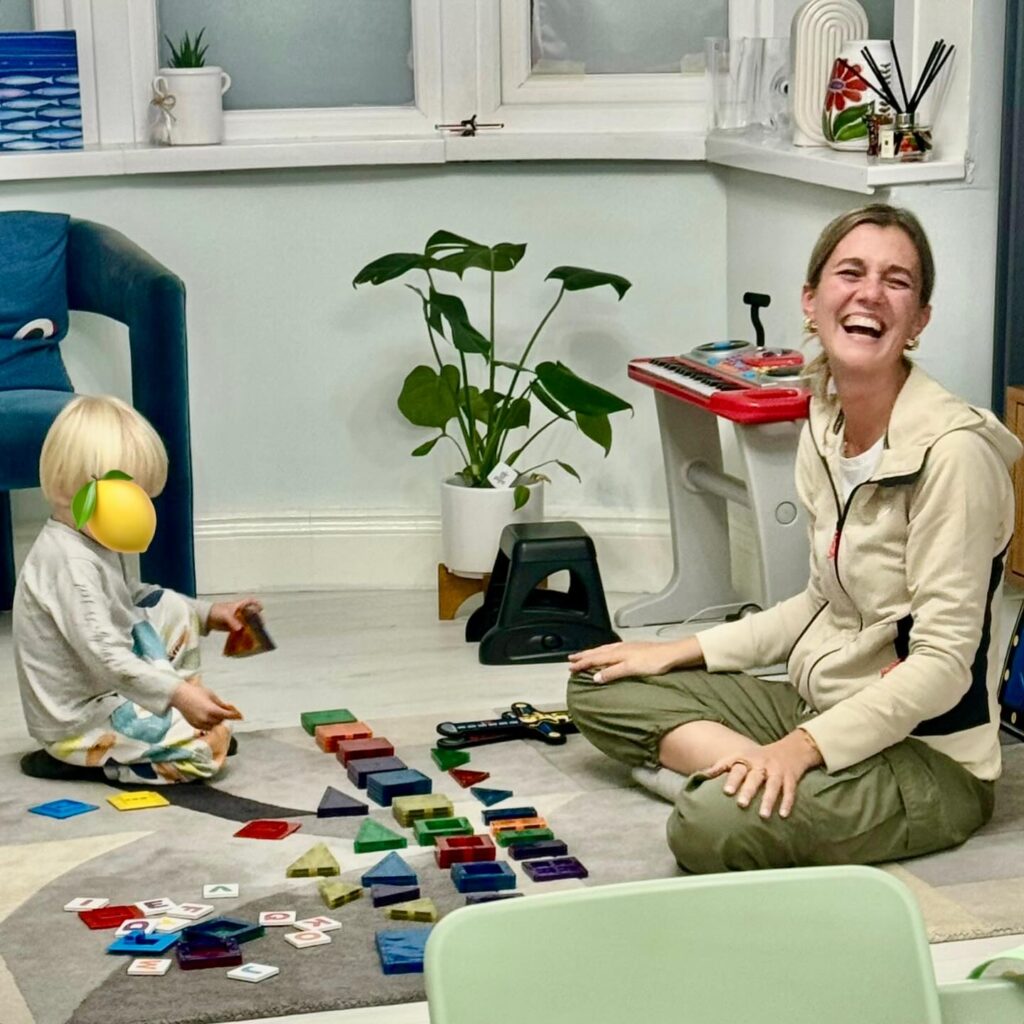
I met up with close friends, including Michelle Morgan and her husband Remi Rough. Michelle works across branding and cultural strategy, bridging business and creativity with clarity and restraint. Remi’s work needs little explanation. Precision, abstraction, discipline. Our friendship has grown naturally over time, and conversations always drift toward what’s next. Not forced. Not rushed. Future business ideas emerge the same way trust does, quietly.

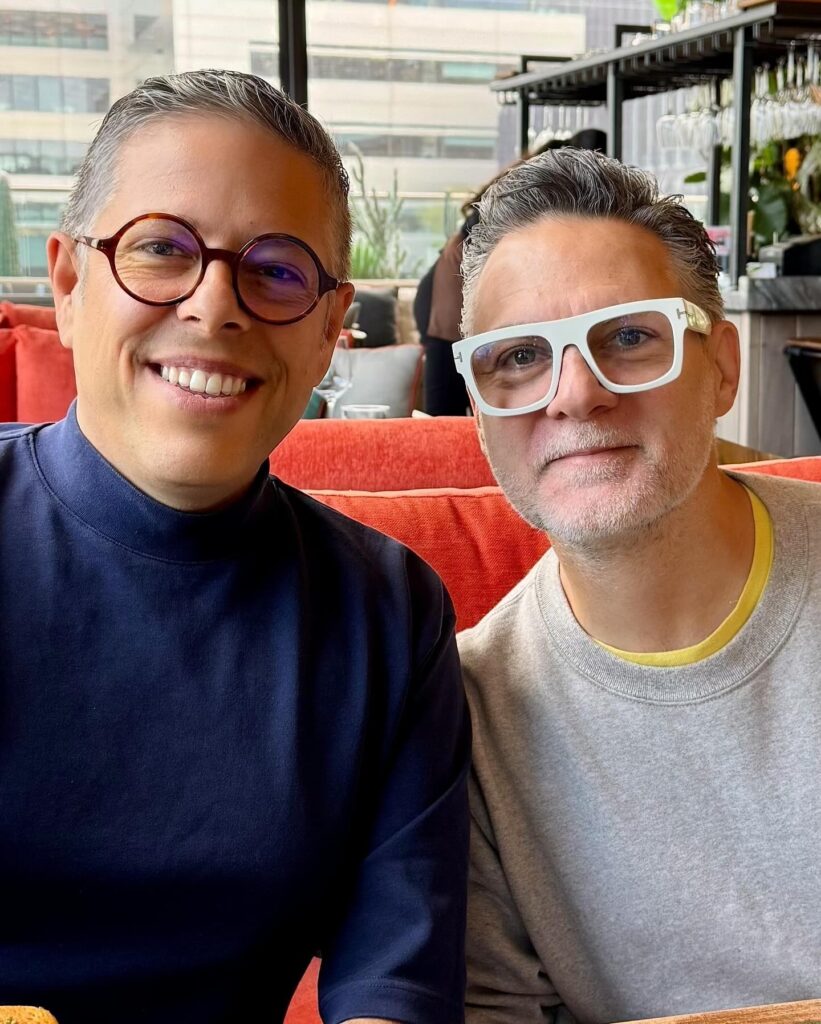



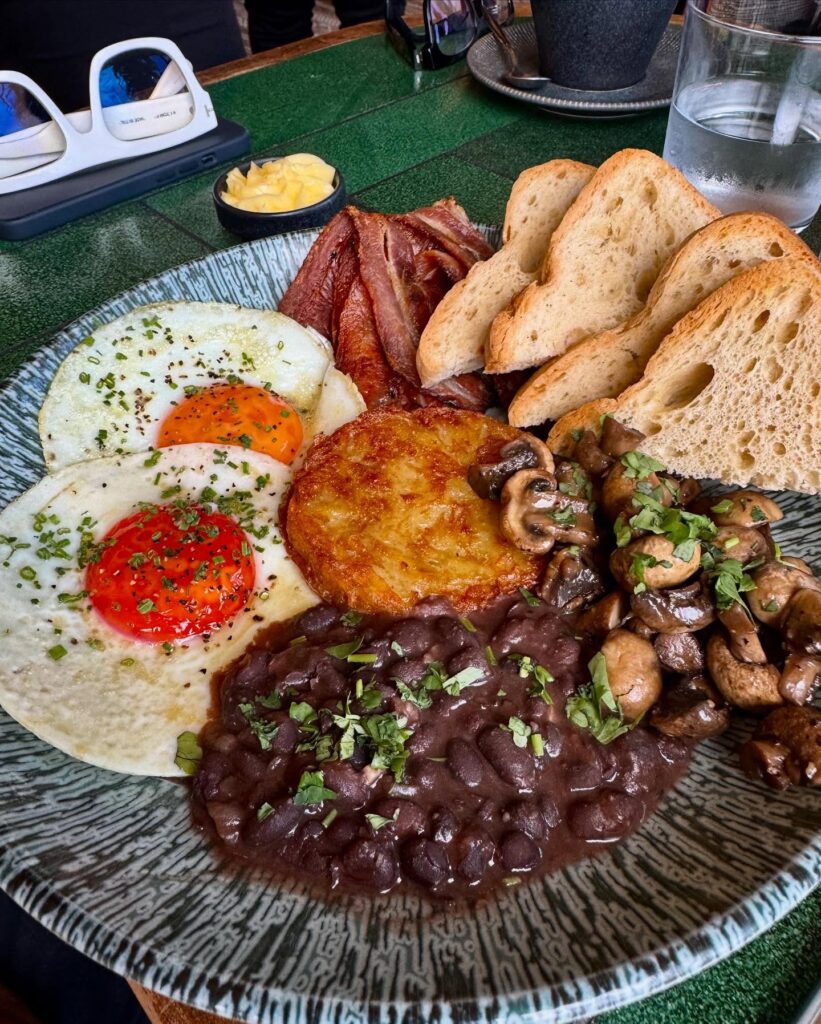
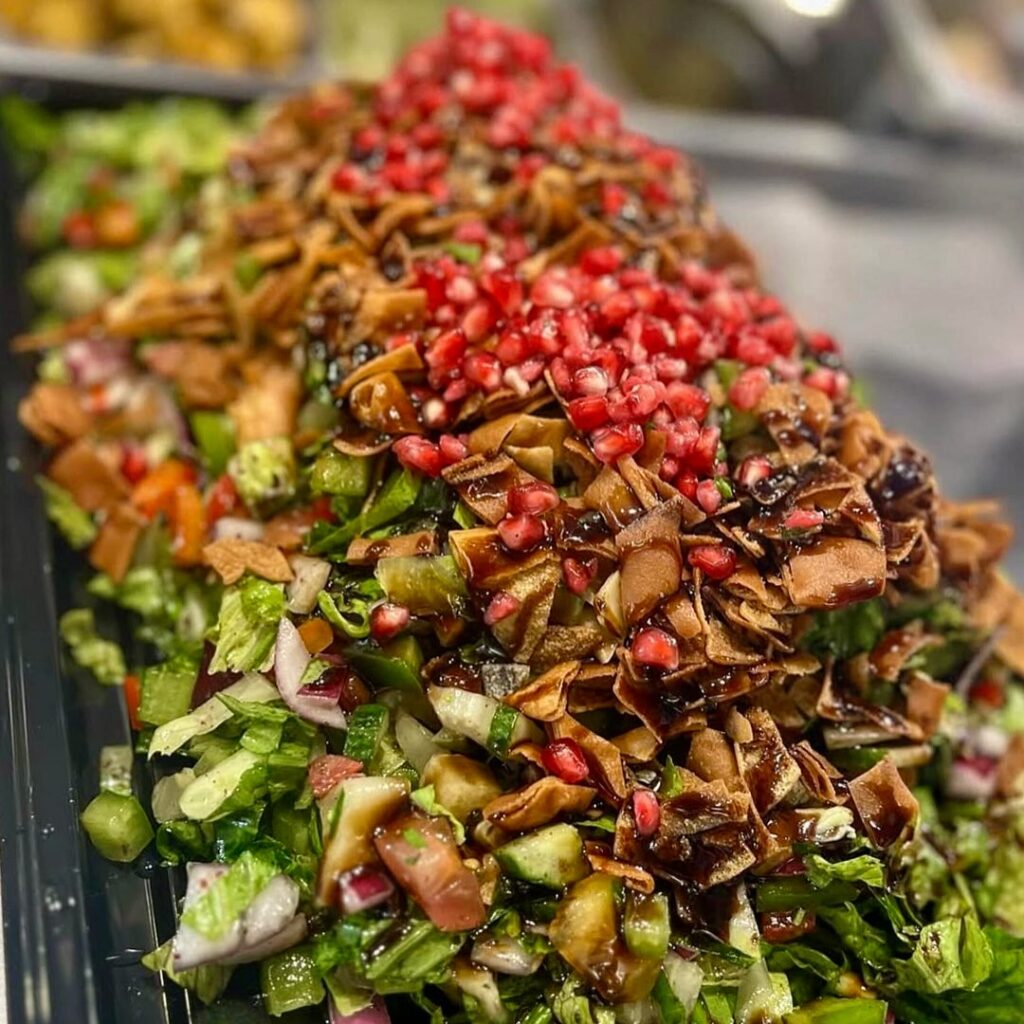
Evenings were spent at dinner with a wider group of friends. People working for major global companies, now building their lives in London. Different industries. Shared mindset. Conversations moved easily between work, cities, and choices. London attracts people who are willing to live with complexity. You could feel that at the table.

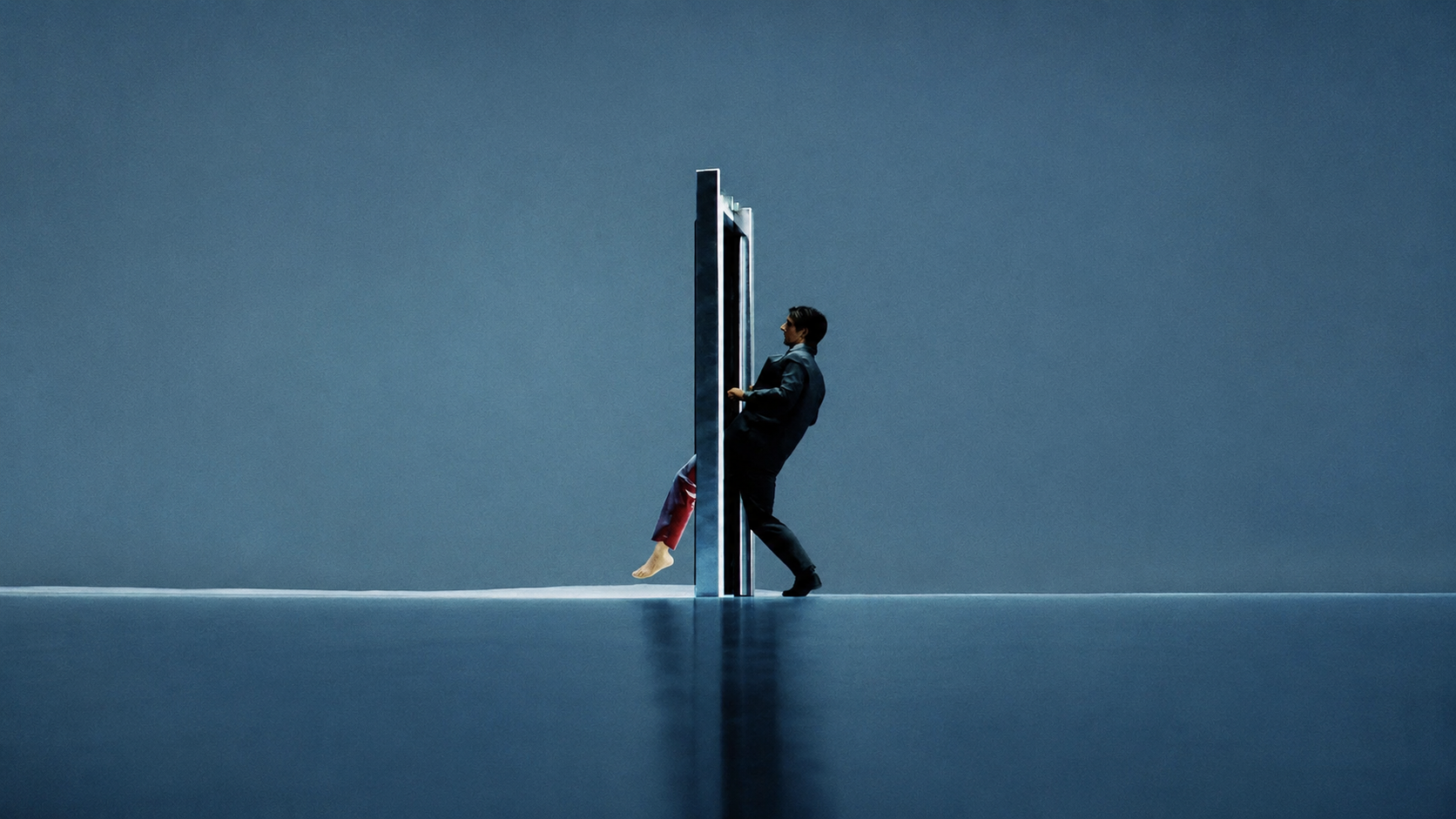
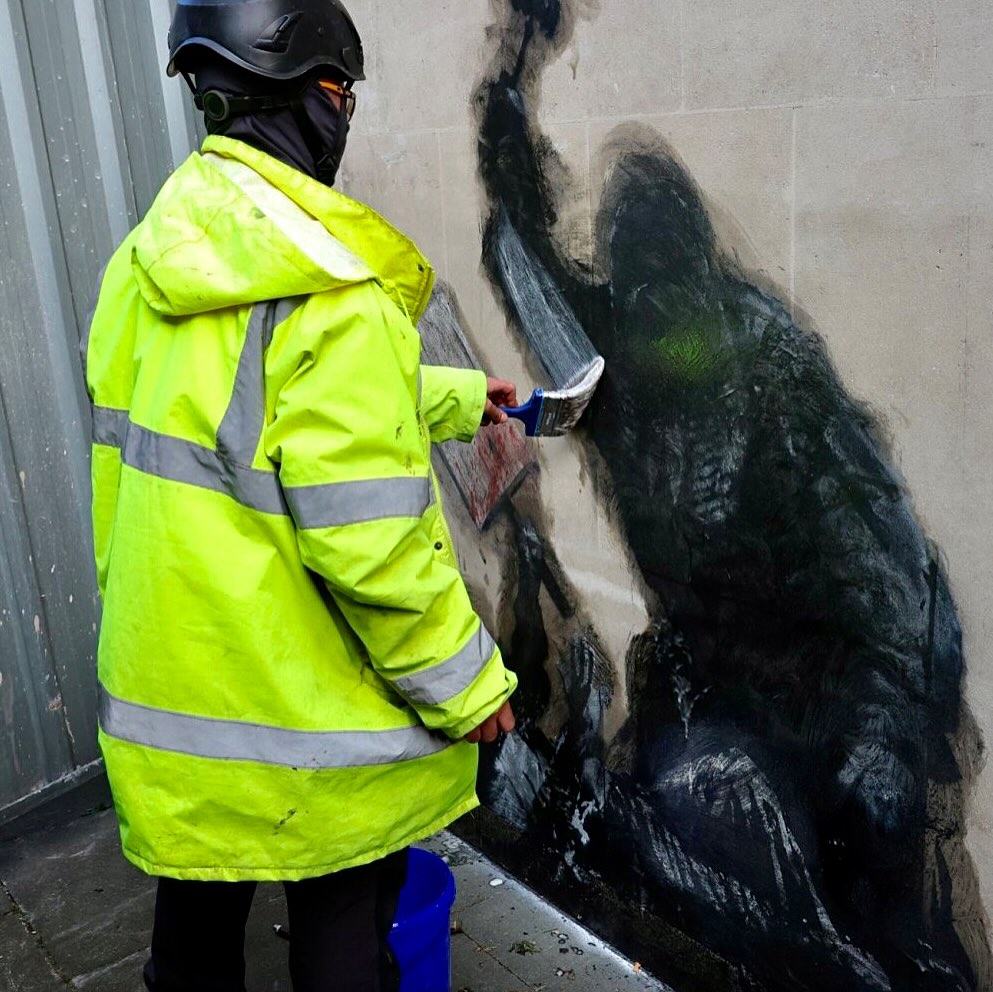
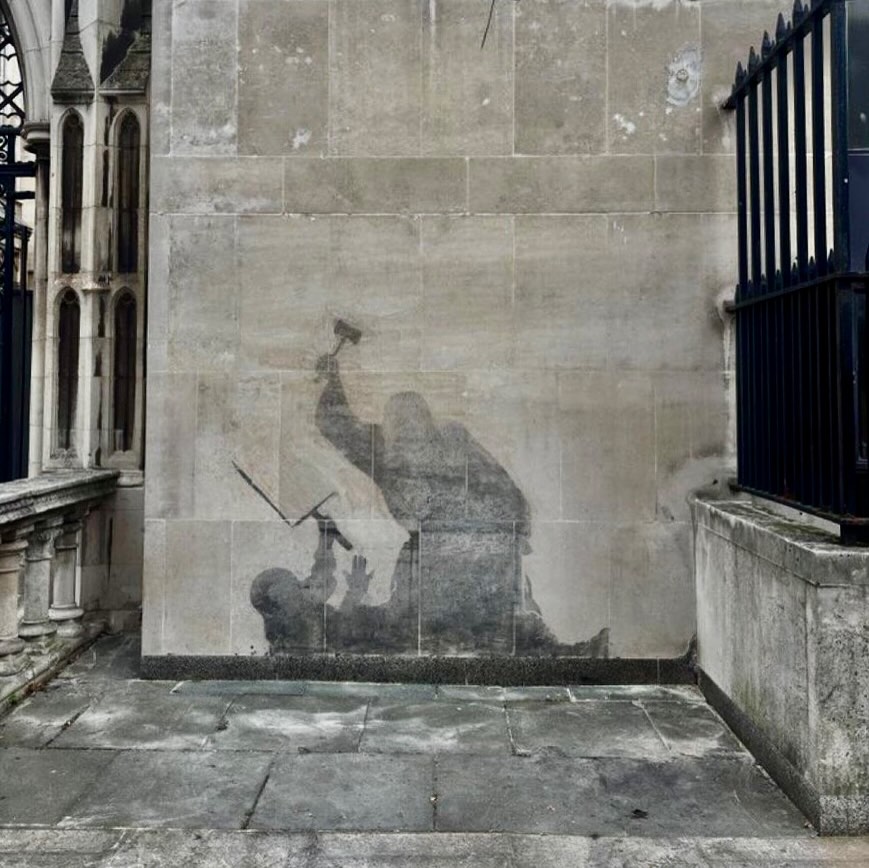
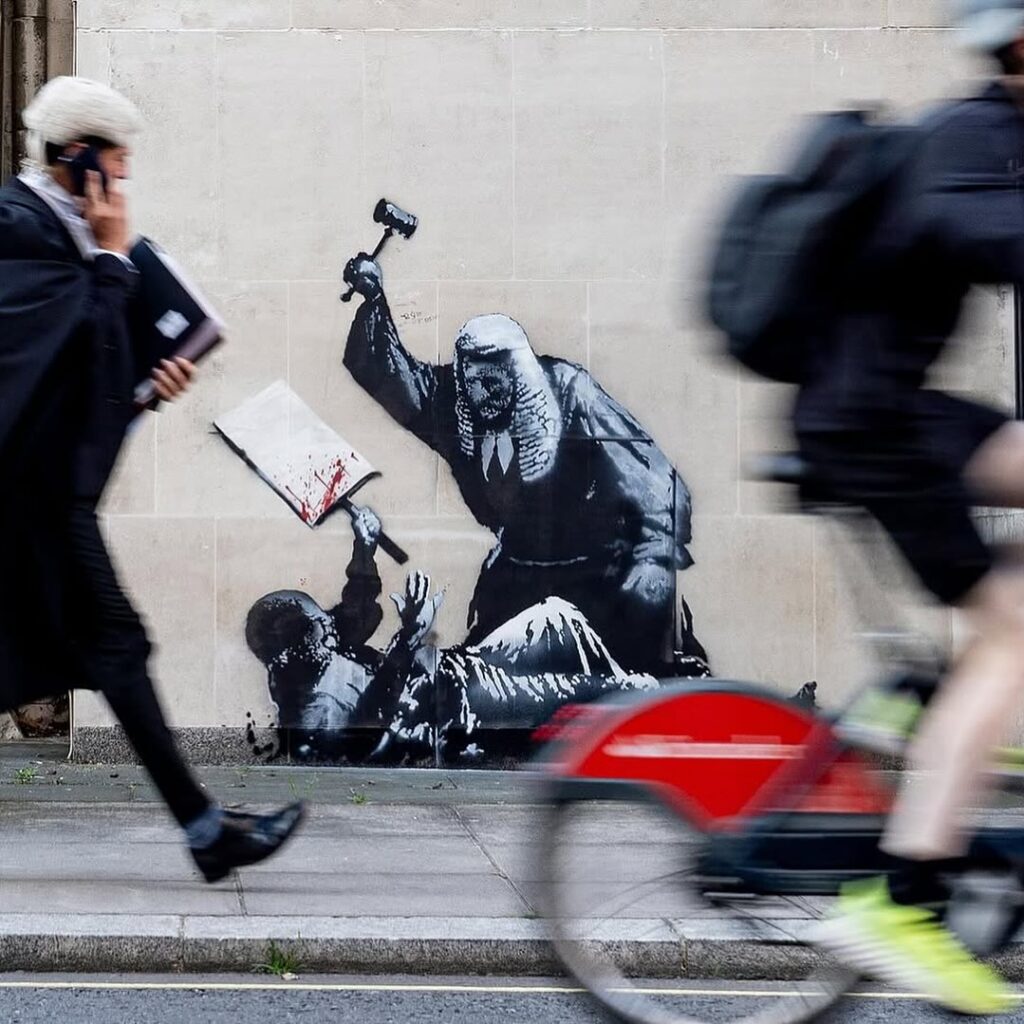
As often happens when I pass through London, Banksy had been there again. One early morning, before the city fully restarted after the strike, his mark appeared quietly overnight. No announcement. No permission. Just a new image folded into the urban fabric. It felt almost routine in the best sense, like a reminder that some layers of the city operate on their own clock. London wakes up, checks the walls, and adjusts. Art arrives before traffic, before headlines, before explanations.

Two days passed fast. Between neuroscience, blocked trains, long walks, and good food, the city showed both its friction and its generosity.
London does not make things easy. It makes them interesting.