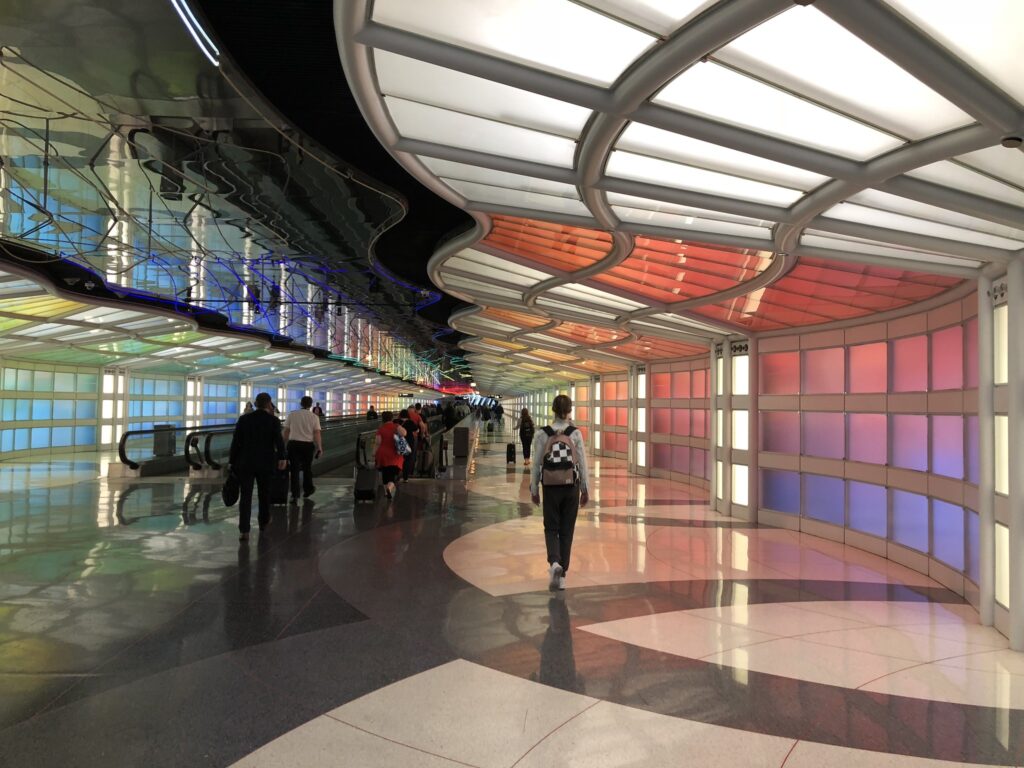
We went to Chicago this August for work. It was our first time in the city.
The task was simple and serious. Arrange agreements for a client preparing a special project for a major trade show the following year. Meetings, calendars, locations, commitments. The usual weight of responsibility that travels well.

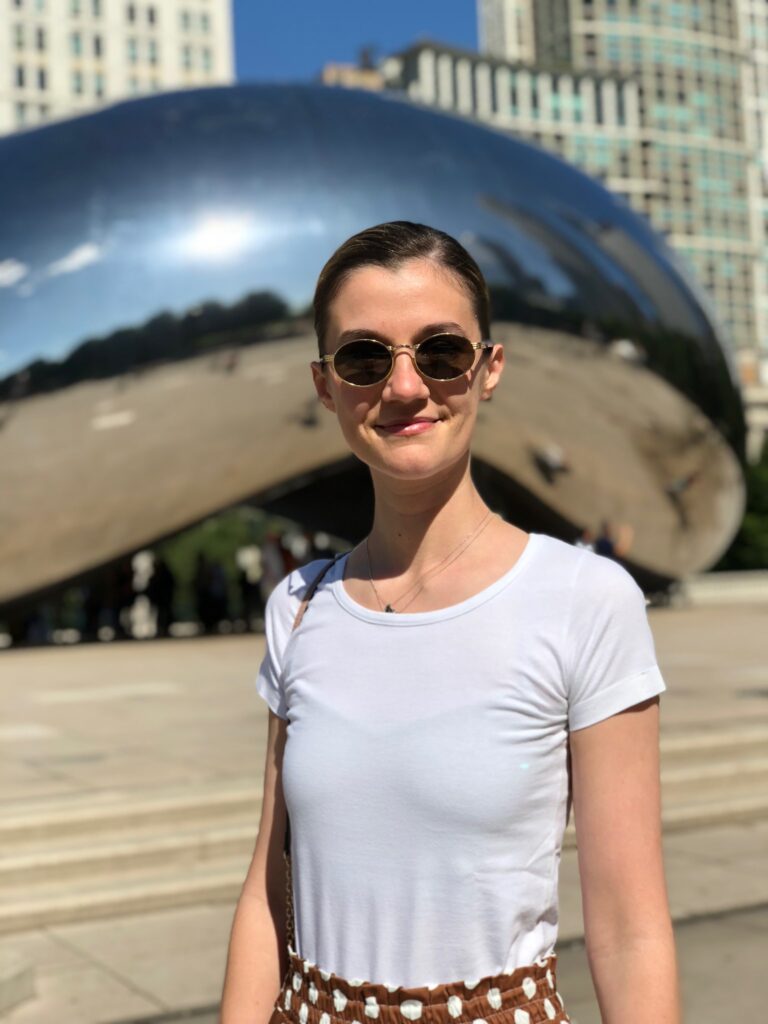


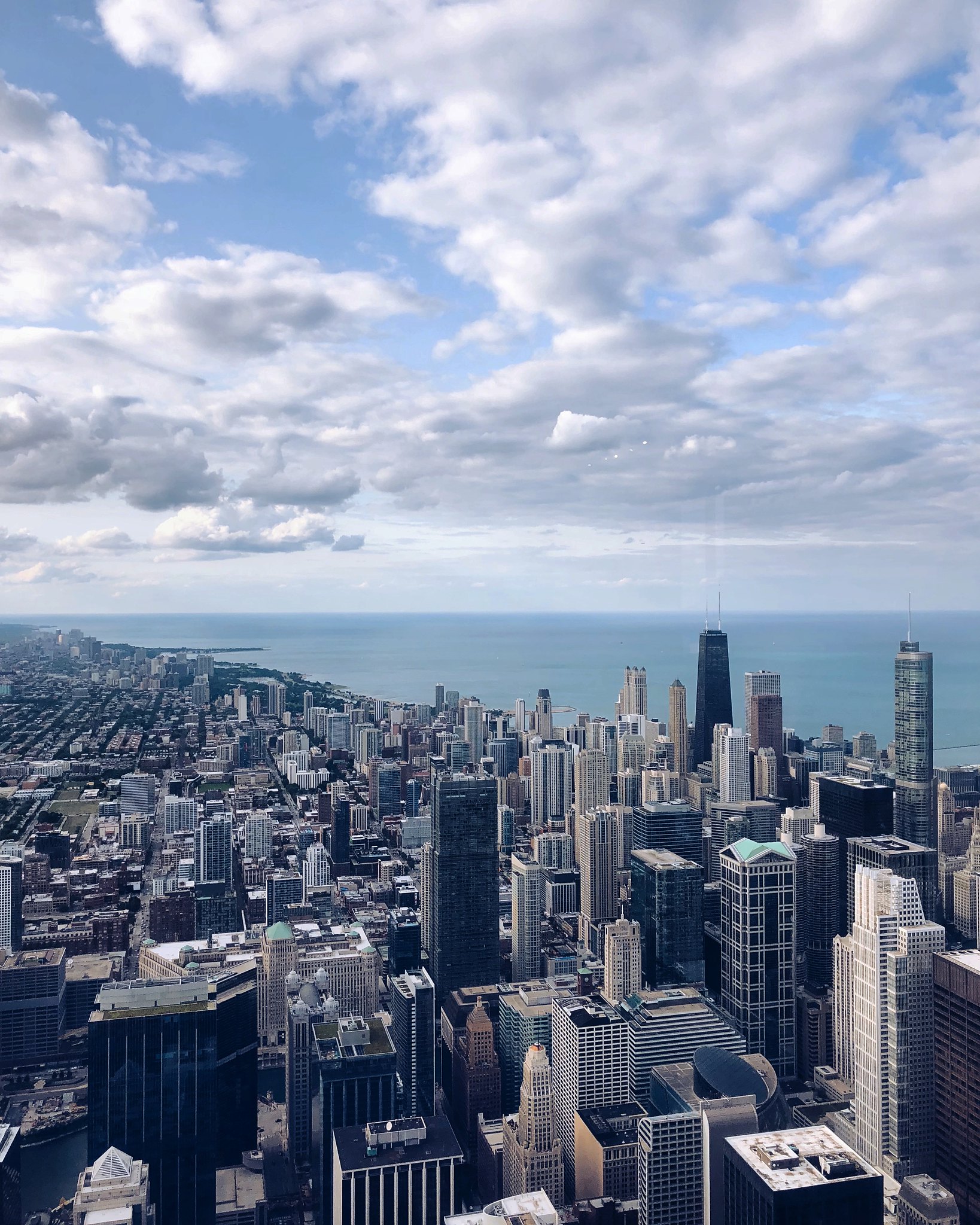
Chicago welcomed us with sun. Real sun, not the theatrical kind. The air was warm but clean. The city stood tall and calm at the same time. Glass, steel, water. The lake softened the skyline. The streets felt open. Everything seemed possible and already in motion.
Work moved fast. People were precise. Promises were made without noise. In between meetings, we walked. The city showed itself slowly, as if it had time.
That week, Lollapalooza was happening. Music everywhere. Crowds moving like tides. But we did not go to the festival. Friends from the city invited us somewhere else.
That night we went to a DJ set by Virgil Abloh. No stage distance. No spectacle. Just sound, bodies, heat, and focus. We stayed in the console with him most of the night. Vinyl, files, hands moving with intention. Music built and released. Sweat. Smiles.
We talked between tracks. Short sentences. Stories about Milan. About people we both knew. About nights that shaped ideas. There was no nostalgia. Just recognition. The kind that comes when paths cross again in another city.


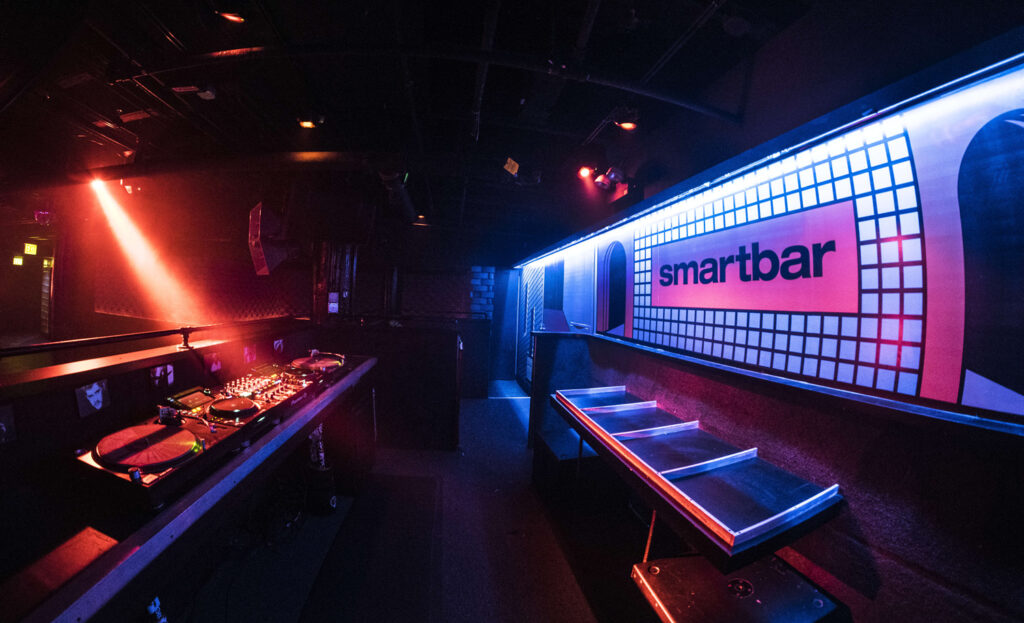
Chicago felt smaller after that night. More human.
A few days later, we were invited to Rotary One, the Rotary Club of Chicago. The first Rotary club in the world. History without dust.
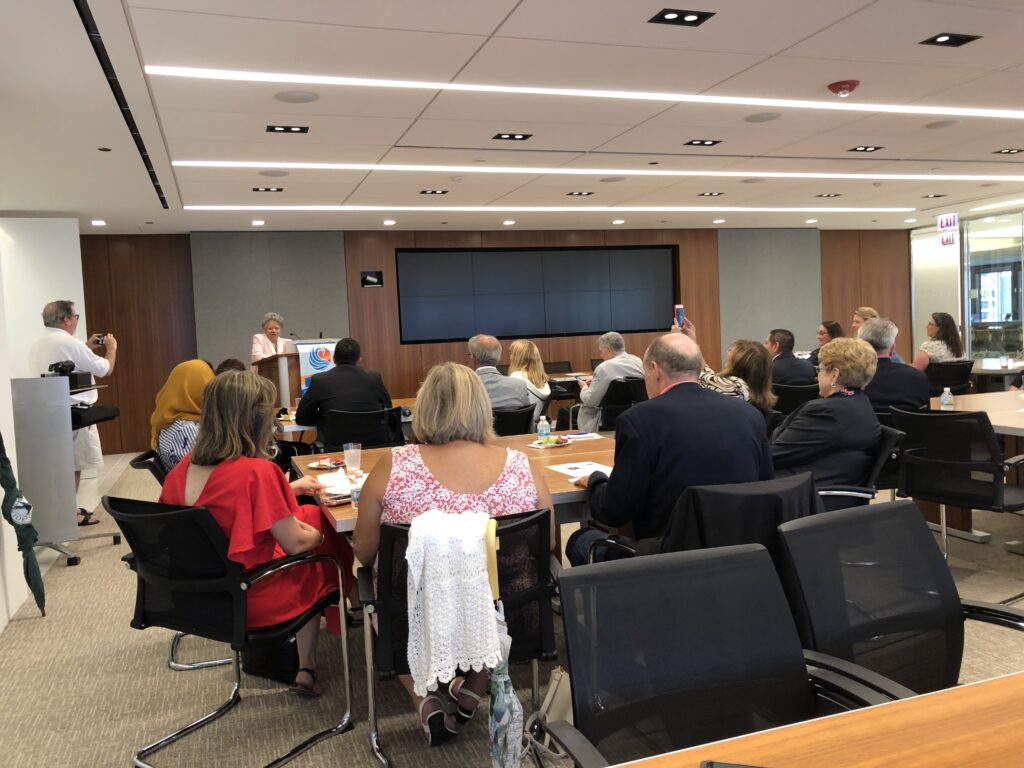
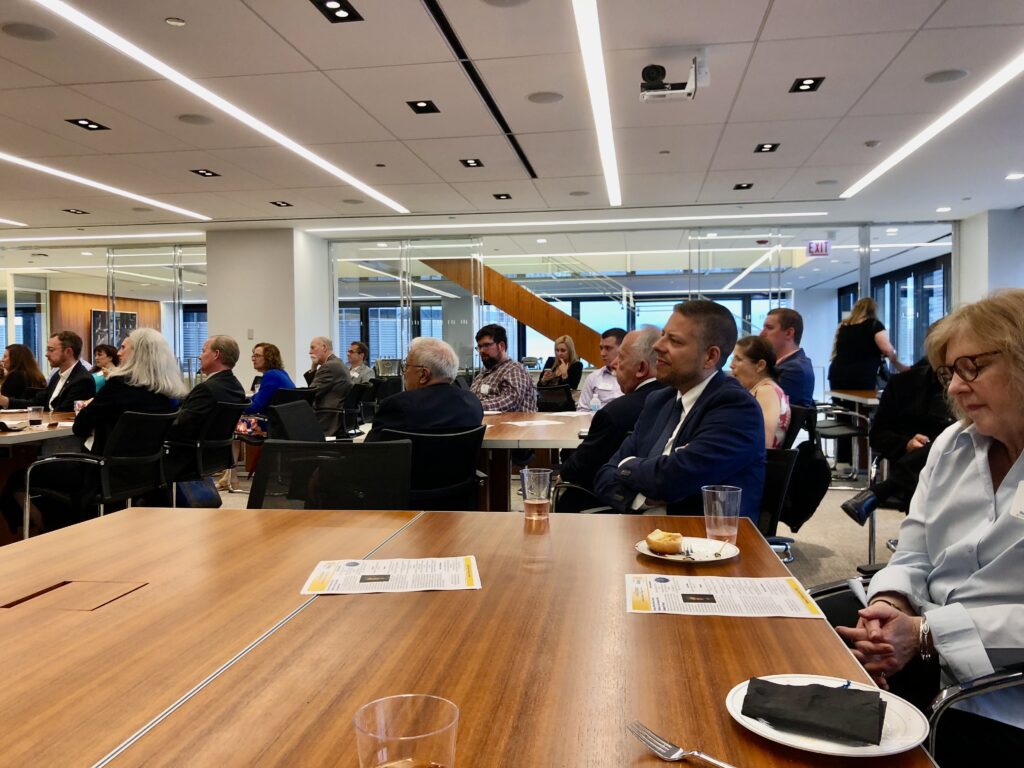


The meeting was hosted in the private studio of one of the members. A leading attorney. The studio sat high in a skyscraper. Floor to ceiling windows. The city below looked ordered and alive. The lake was still. The light came in clean and sharp.
People spoke quietly. Attention was real. No one rushed.
Then the speaker was introduced.
It was Sylvia Whitlock.
She did not need an introduction, but she received one anyway. She was the first woman to serve as president of a Rotary club, at a time when women were not allowed to be Rotarians. Her leadership came after a long legal and cultural battle that changed Rotary forever. She stood for inclusion without slogans. For persistence without bitterness.
She spoke with clarity. No excess words. Her voice carried experience, not effort. She talked about service, about resistance, about staying present when institutions are slow to change. There was strength in her calm. Authority without force.
From the windows behind her, Chicago listened.

That afternoon stayed with me. The height of the room. The stillness. The sense that progress often happens quietly, driven by people who simply refuse to step aside.
When I left Chicago, the city felt familiar. Not because I knew it well, but because it had let me see enough. Work done. Music shared. History encountered face to face.
Some cities introduce themselves slowly. Chicago did not. It spoke clearly, in August light.