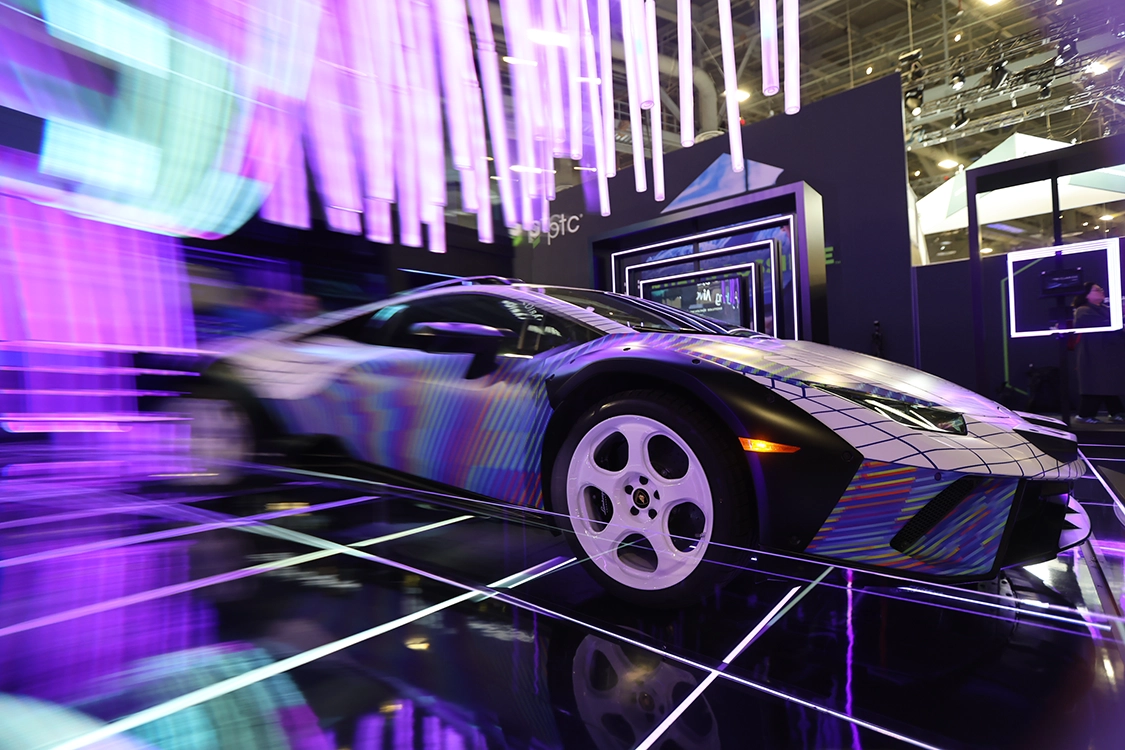
The trip to Los Angeles was anchored around ComplexCon in Long Beach. Several brands. Multiple special project activations. Tight timelines. ComplexCon is not subtle. It is dense, loud, compressed. A temporary city built out of drops, lines, and attention.

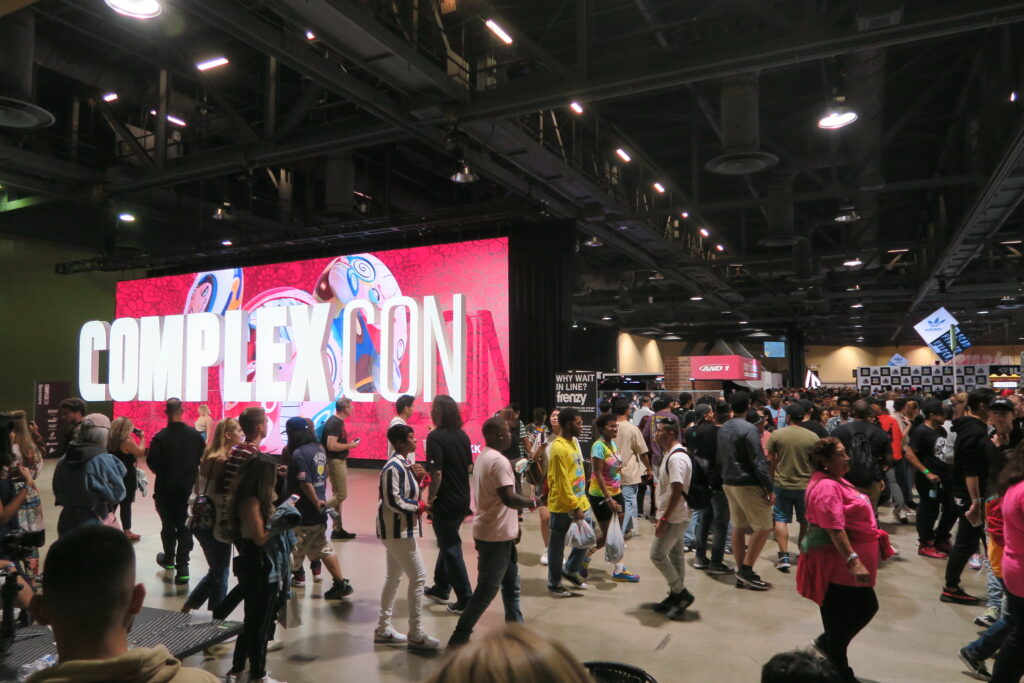
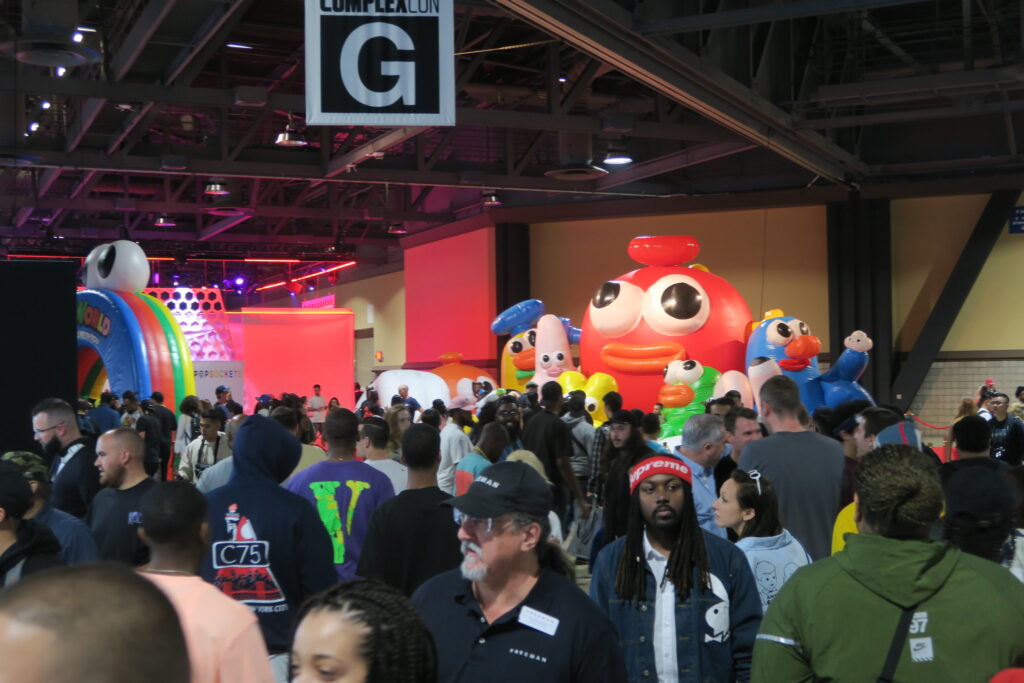


Working there means operating inside controlled chaos. Setups rise overnight. Activations run hot. Everything is measured in minutes and momentum. The audience is young, global, impatient, and extremely informed. If something works, it spreads instantly. If it fails, it disappears just as fast.
Once ComplexCon wrapped, the tempo changed.
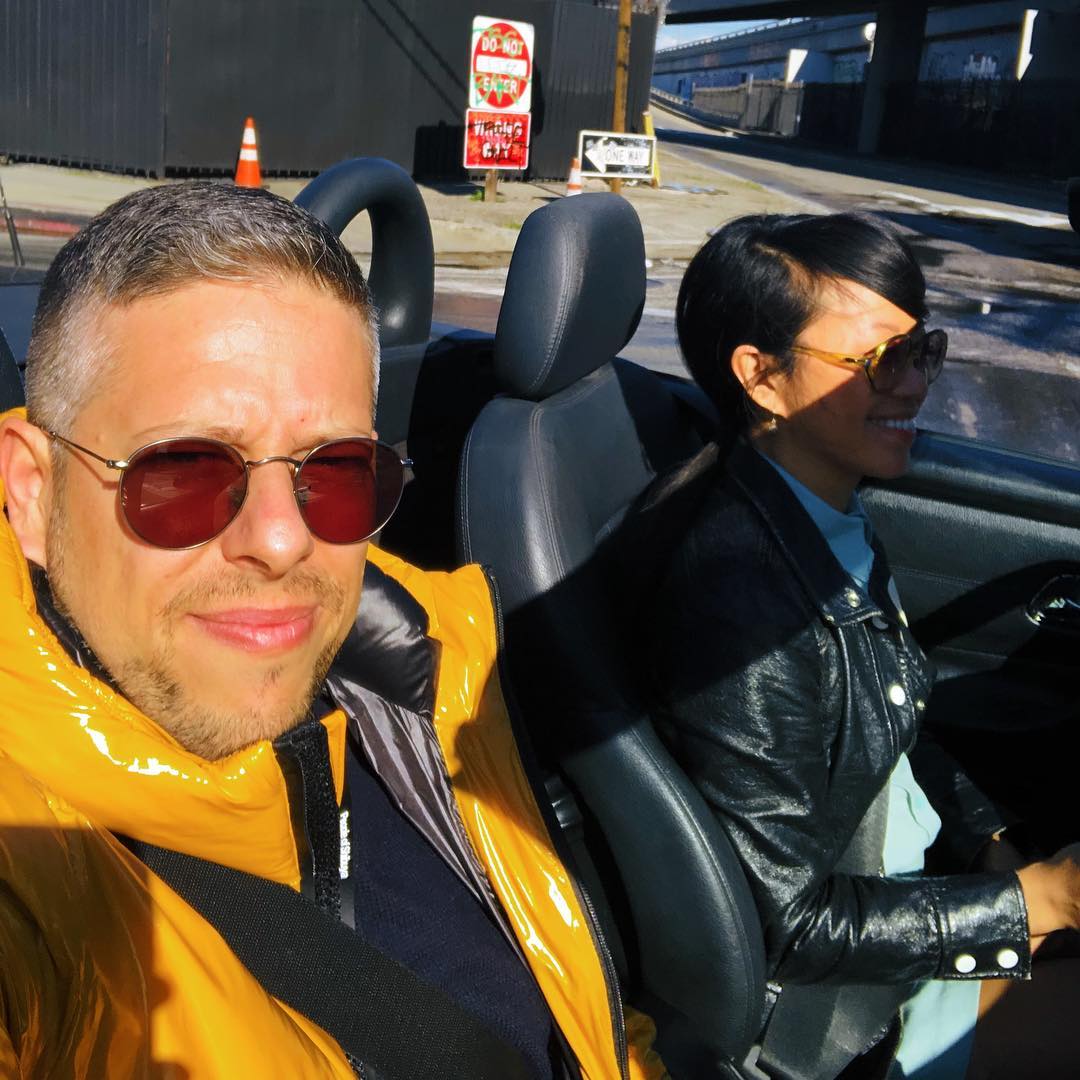
I spent time reconnecting with the local scene together with my longtime friend Ethel Seno. Los Angeles reveals itself after the events end. Not on stages, but in warehouses, studios, and conversations that are not documented.
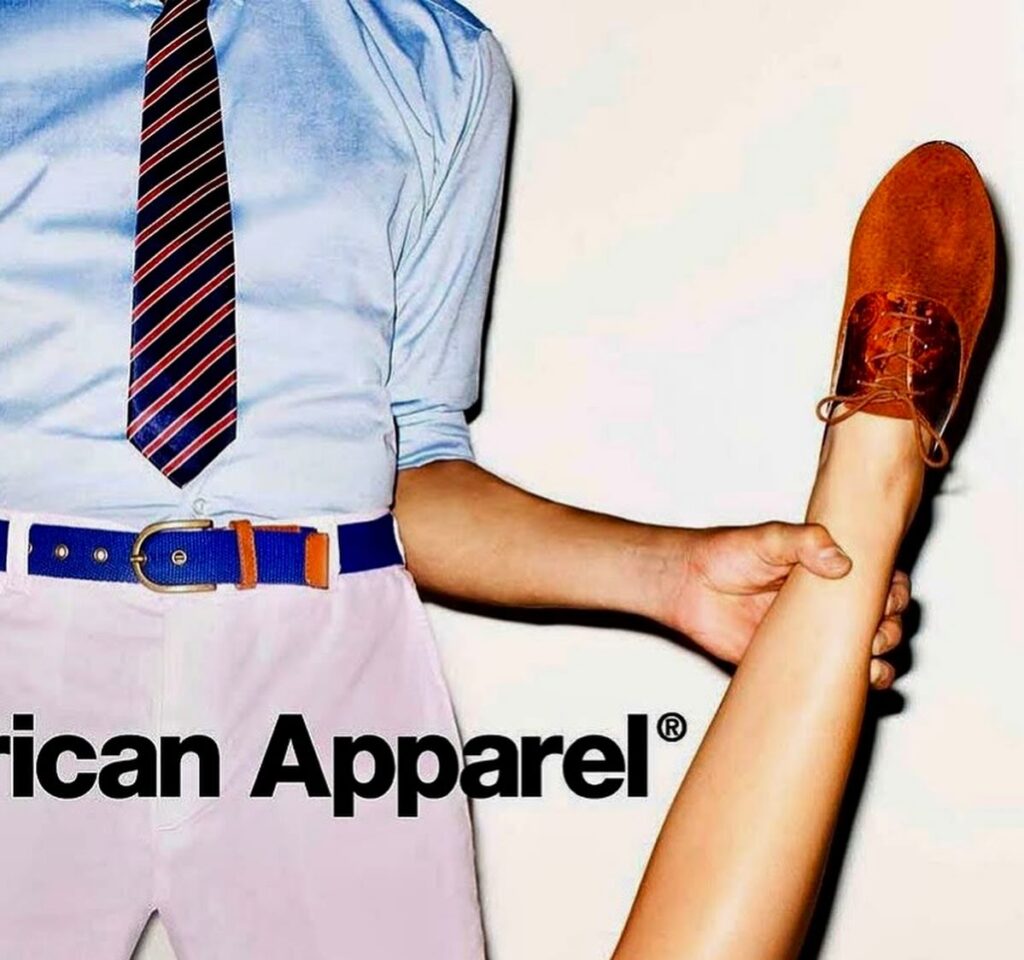
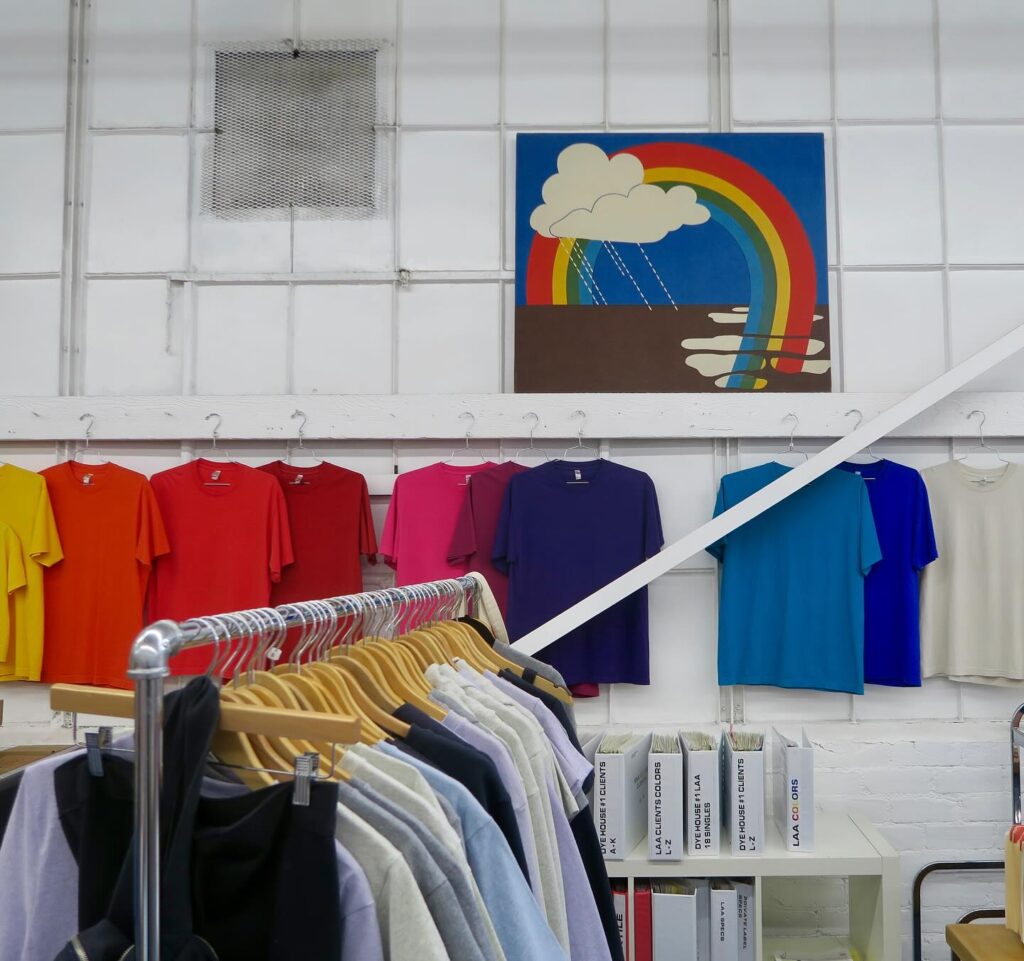
One of those stops was meeting Dov Charney, who was in the process of fully rebooting his vision through Los Angeles Apparel. After the very public collapse of American Apparel, this felt like a reset rather than a comeback. Same obsession with manufacturing control. Same focus on local production. Less noise. More discipline. Seeing operations up close made it clear that Los Angeles Apparel was not nostalgia. It was infrastructure rebuilt with scars.


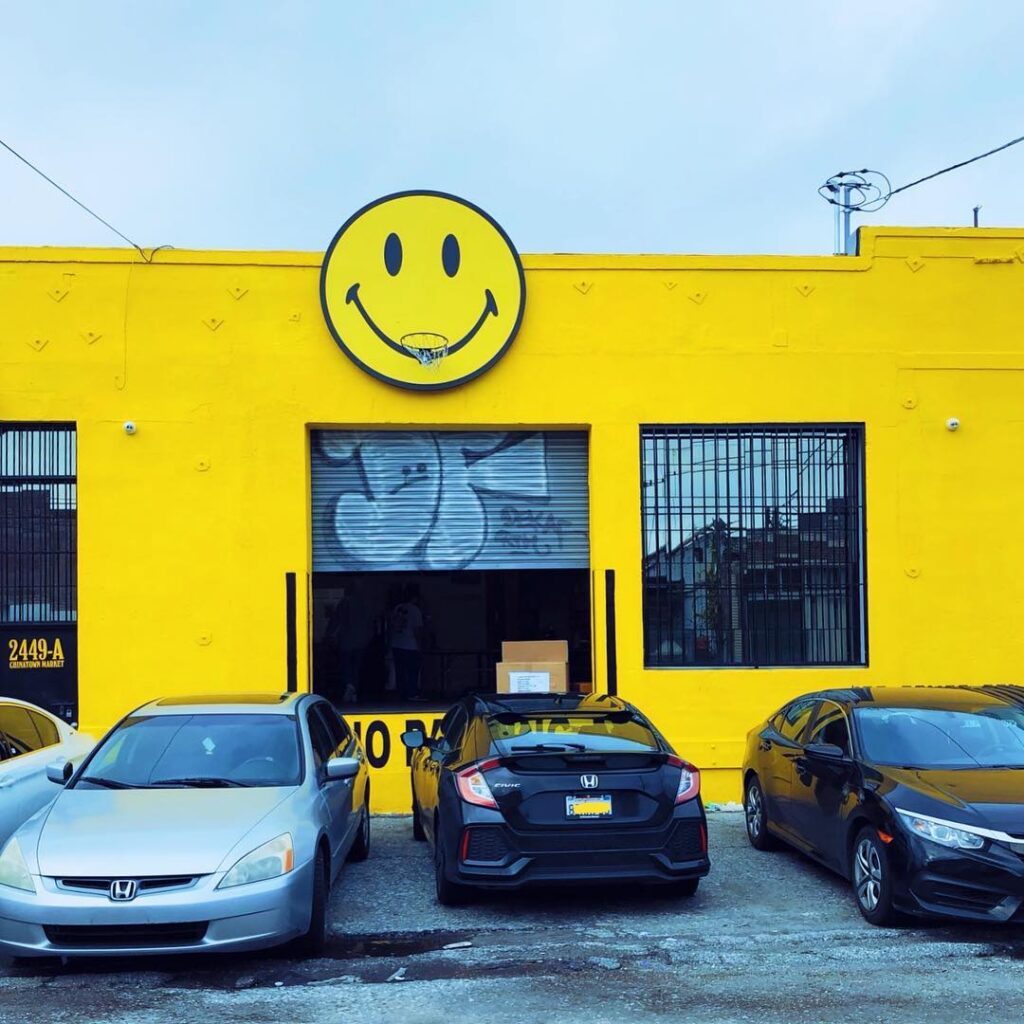
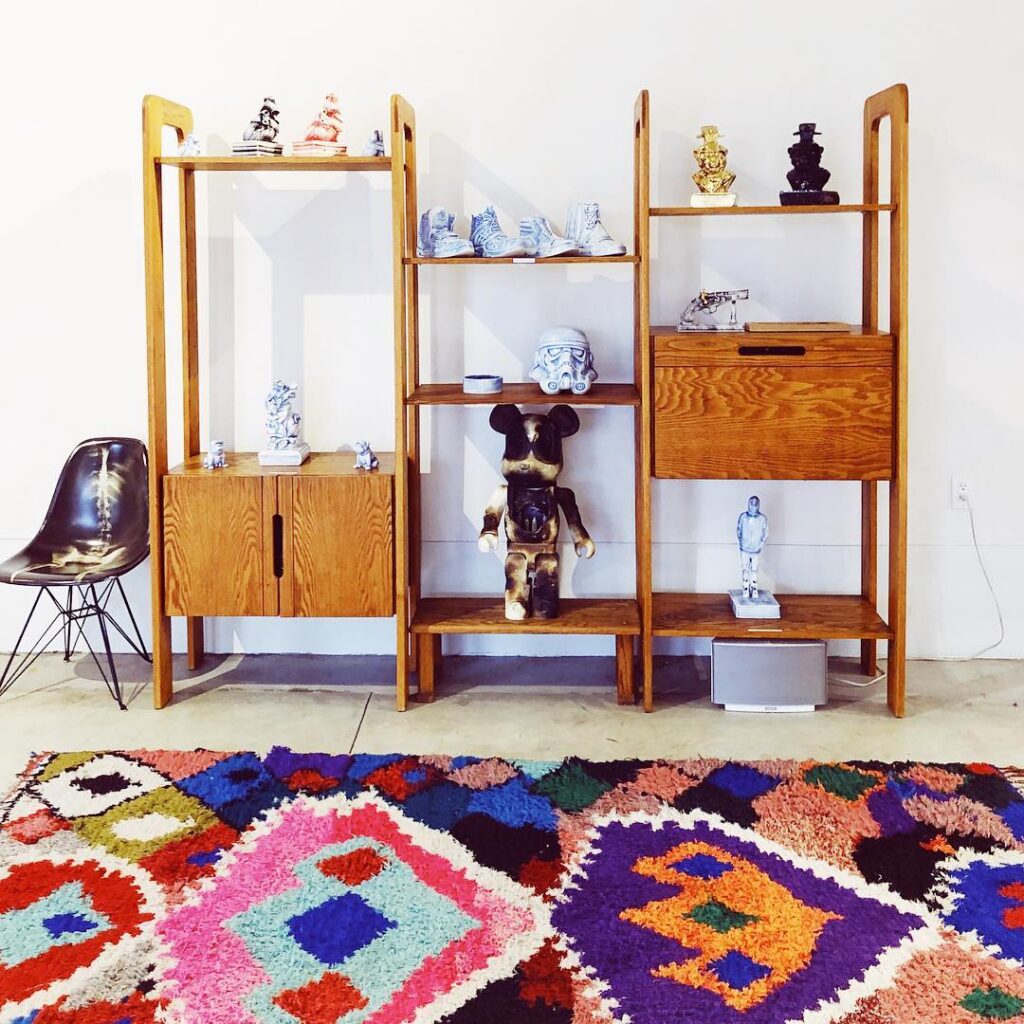
We also visited Mike Cherman, founder and designer of Chinatown Market. His studio felt exactly like the brand. Playful, chaotic, intentional beneath the surface. Humor as strategy. Graphics as language. Chinatown Market understands that streetwear is not about permanence, but about timing and self-awareness. The brand doesn’t pretend to be serious. That is why it works.


Those meetings mattered more than the fair itself.
ComplexCon shows you what culture looks like when compressed. Los Angeles shows you how it is actually built. Slowly. Repeatedly. Often away from the spotlight.
By the time I left, the contrast was clear. Events create visibility. Cities create systems. And Los Angeles, when you move past the crowd, is still one of the best places to understand how fashion, production, and culture intersect in real terms.