Hong Kong again. Dense. Vertical. Awake.
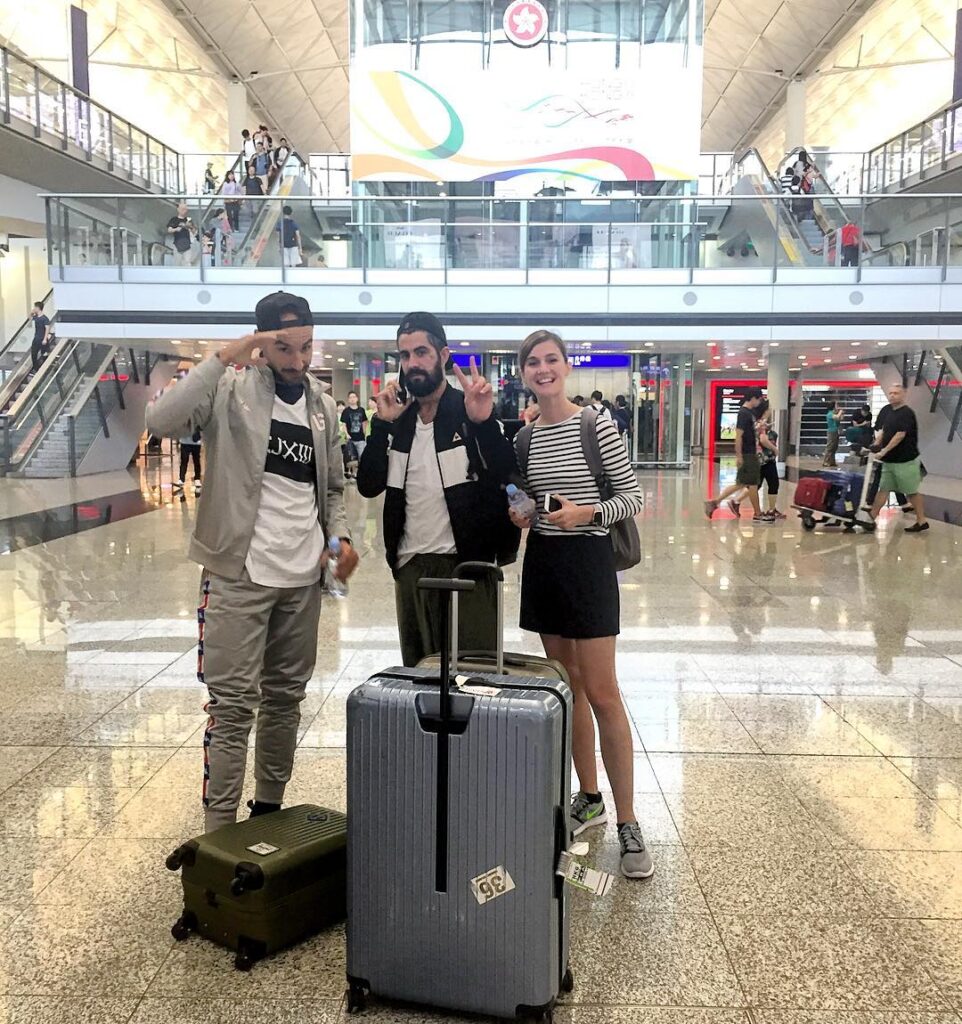
We arrived with Danilo Paura and Jacopo Pozzati to work on a fashion tech wearables project. Clothes that needed to move. Materials that had to listen to the body. Technology stitched into form without asking for attention.
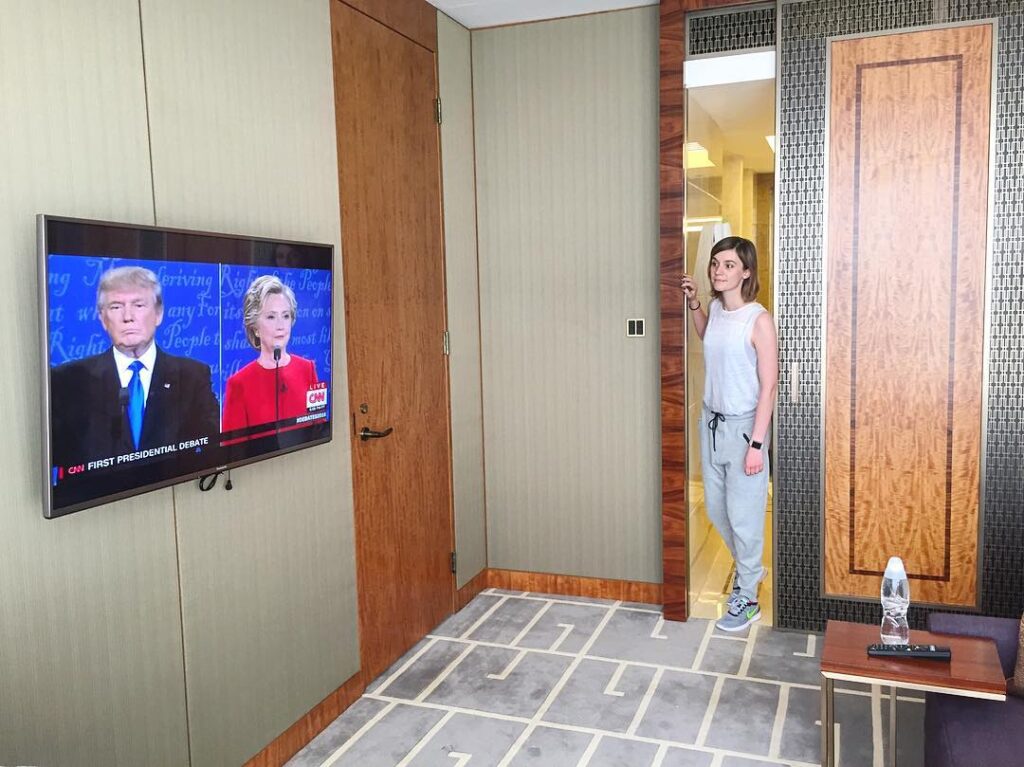
The world outside was still vibrating from the U.S. elections. Trump had won. Clinton had lost. The noise had crossed oceans. You felt it even here, delayed but sharp. Screens in hotel lobbies. Headlines in English. Conversations that stopped halfway. Politics had become atmosphere.

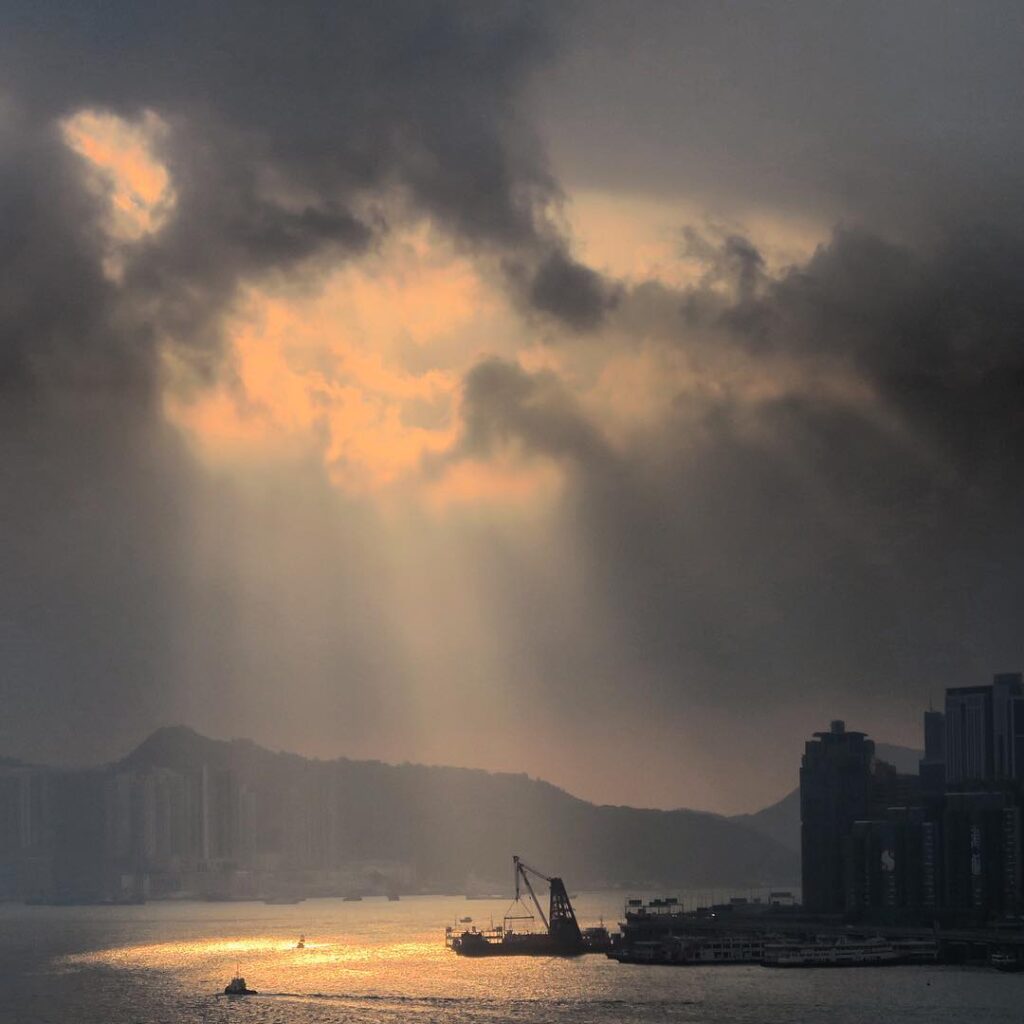
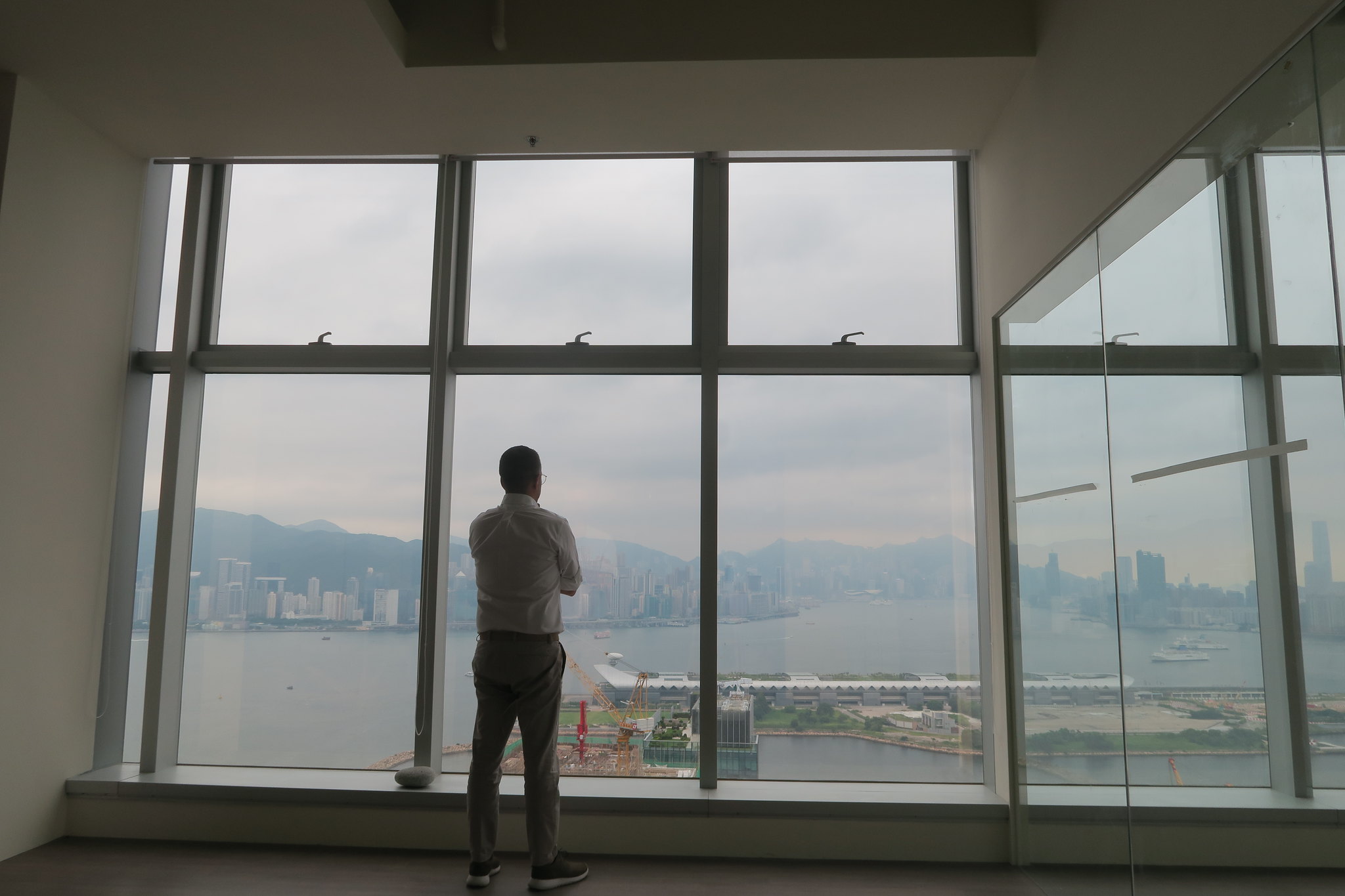
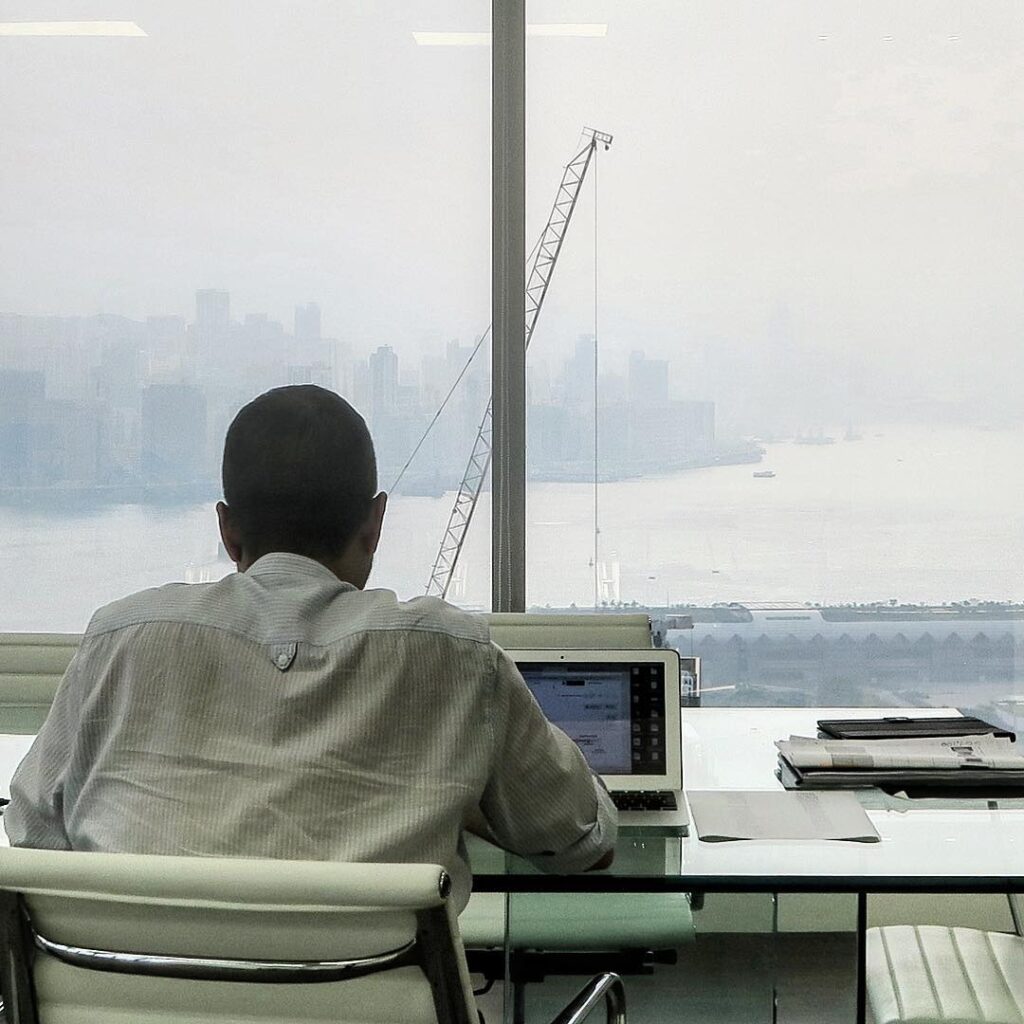
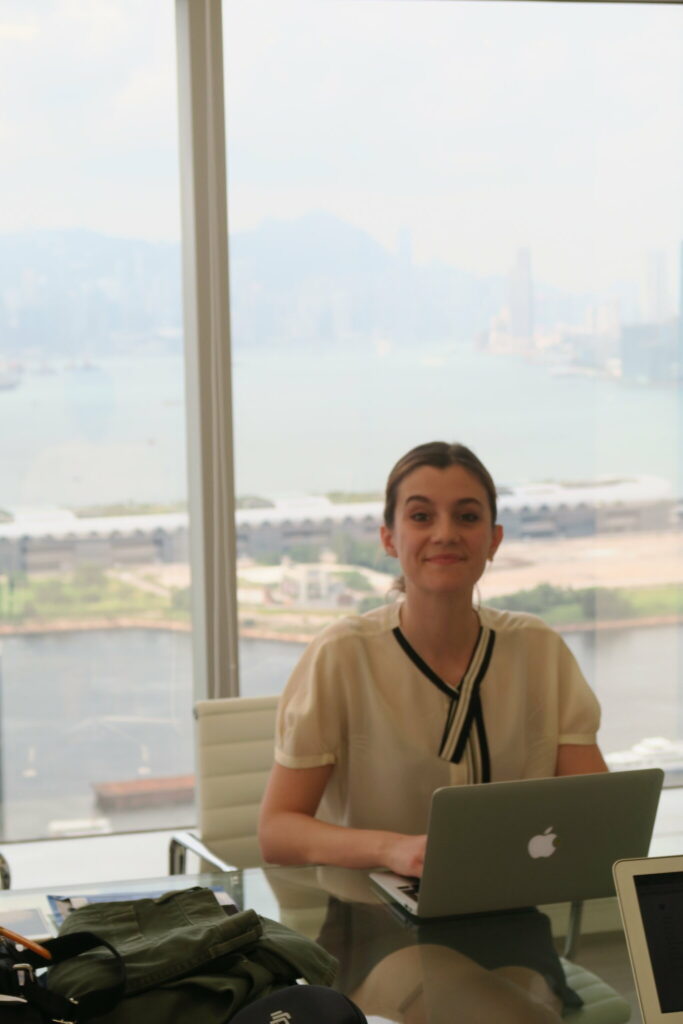
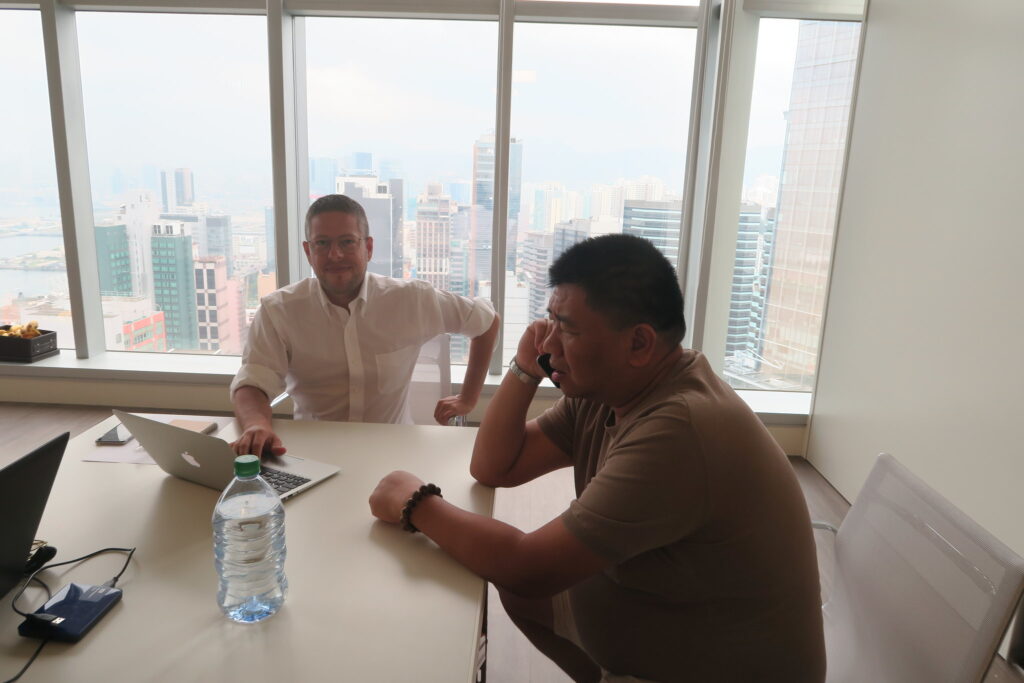
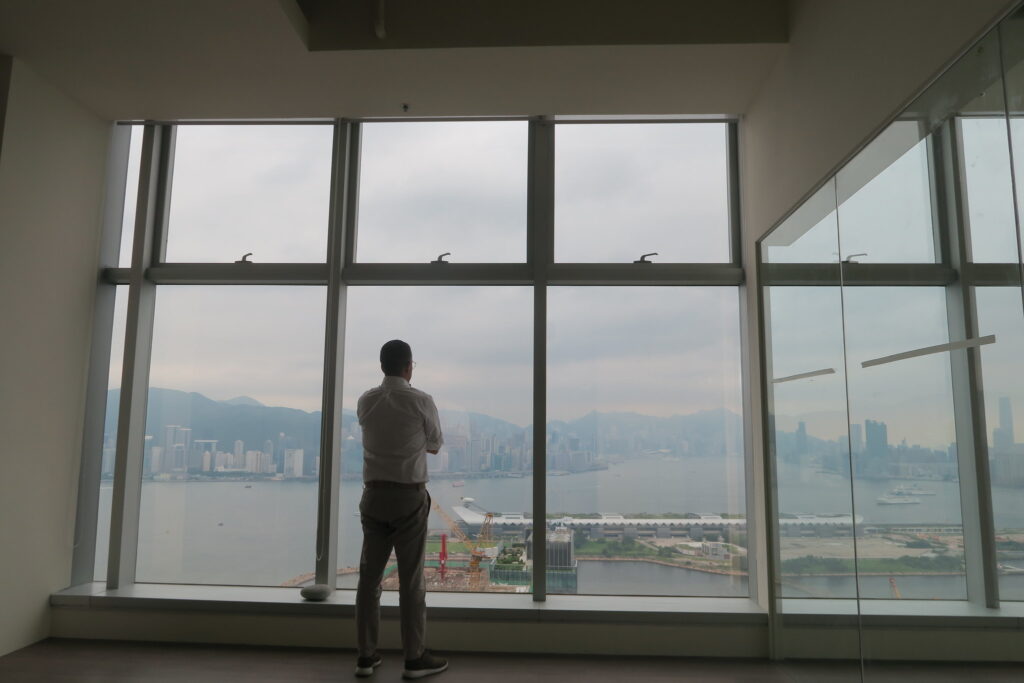
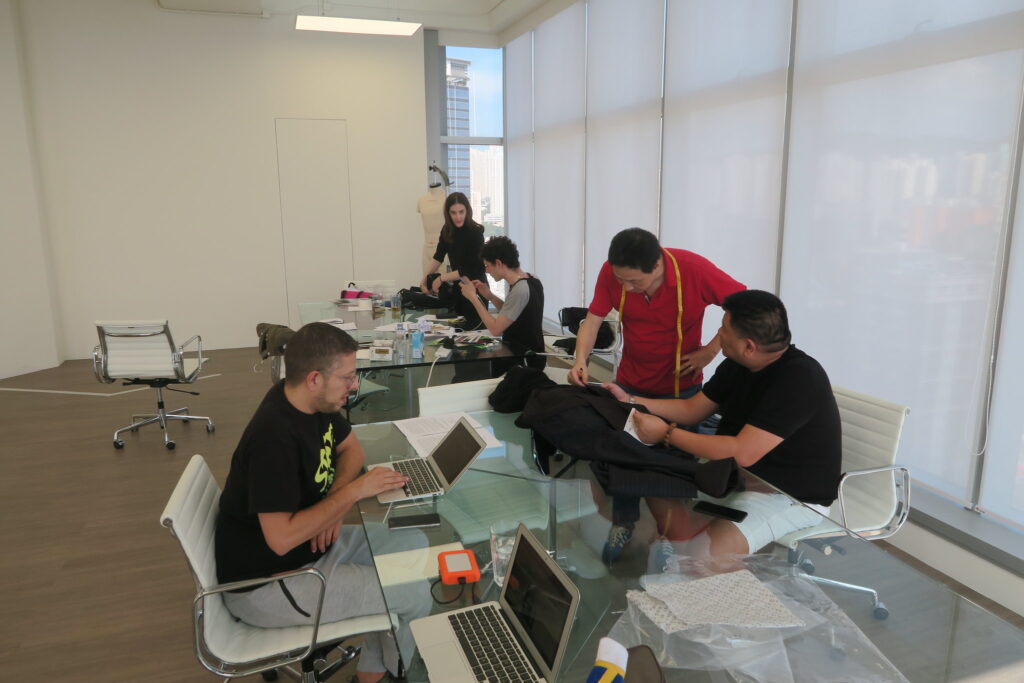
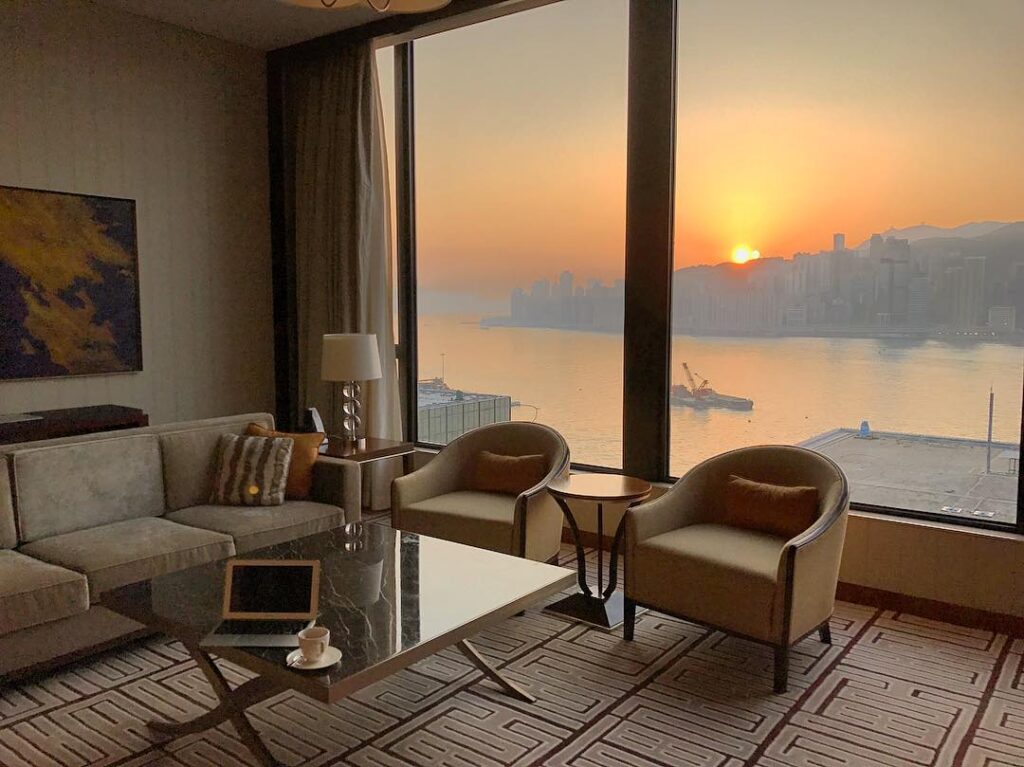
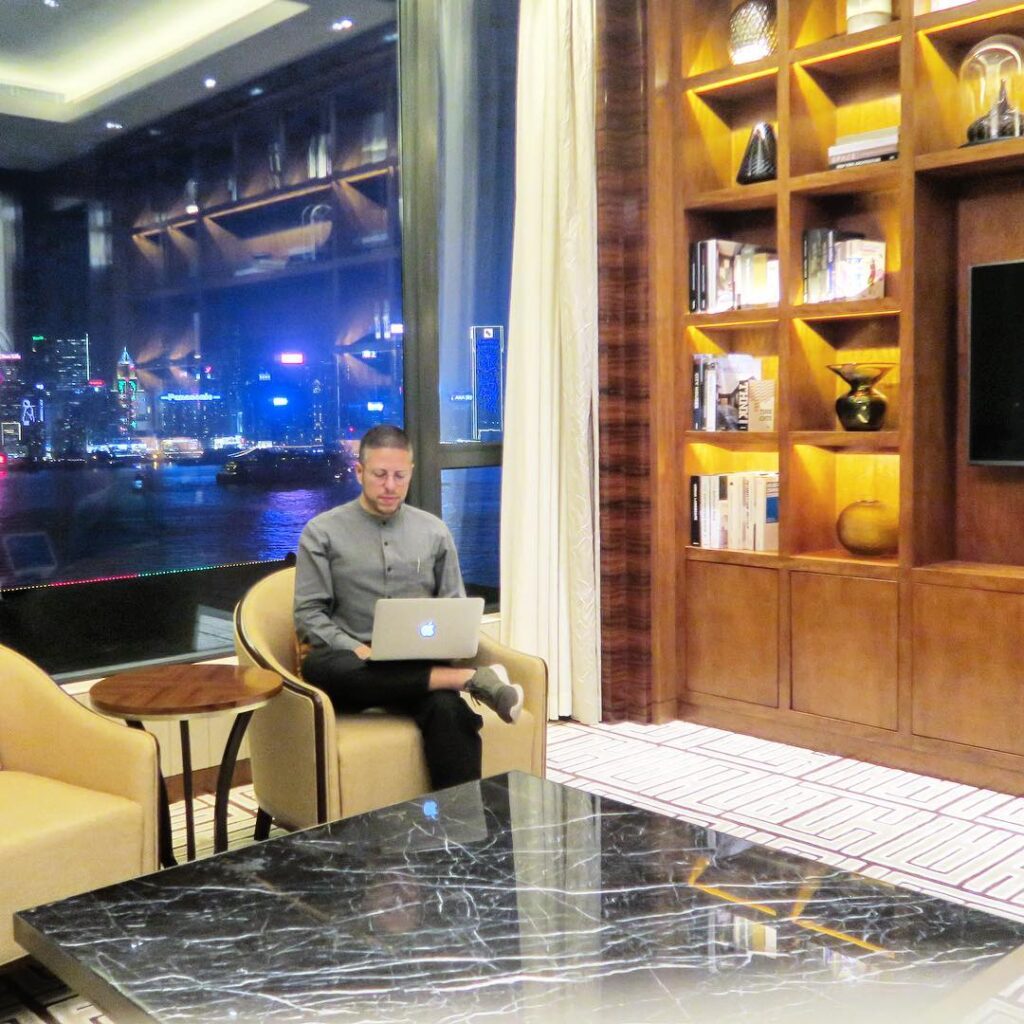
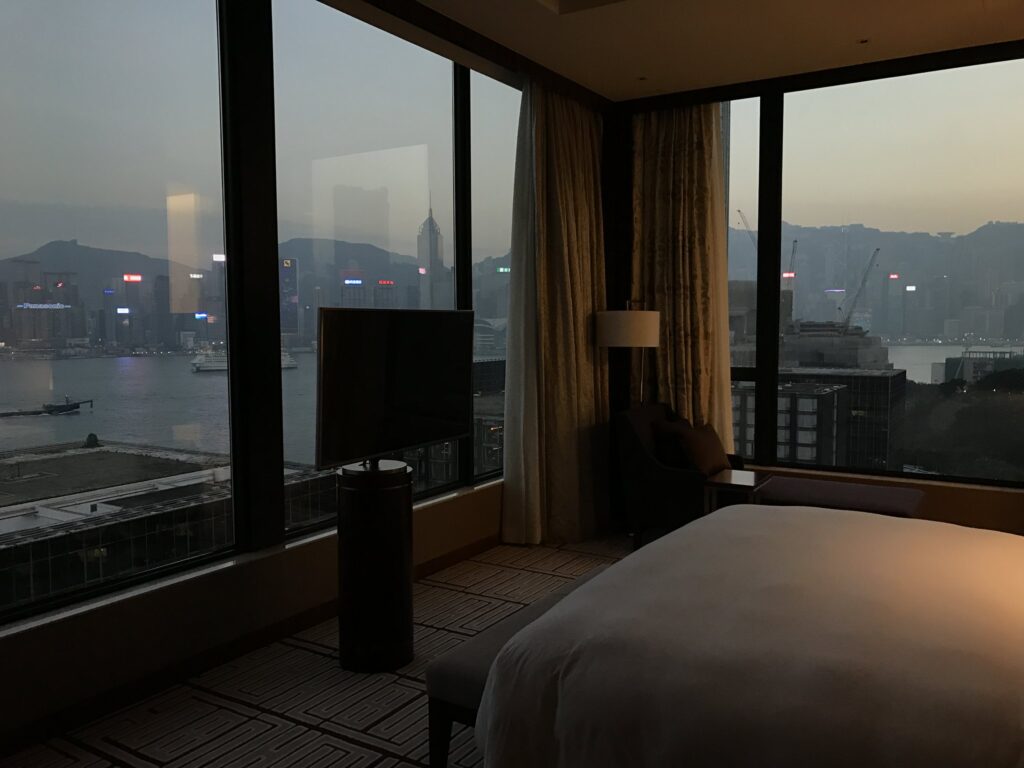
Our days were spent in the client’s showroom, thirty-six floors above the harbor. Glass walls. Hard light. The city below looked compressed, almost quiet from that height. We worked long hours. Prototypes on tables. Fabrics, sensors, fittings. The hum of air conditioning. The click of tools. Focus came easier up there. Distance helps.
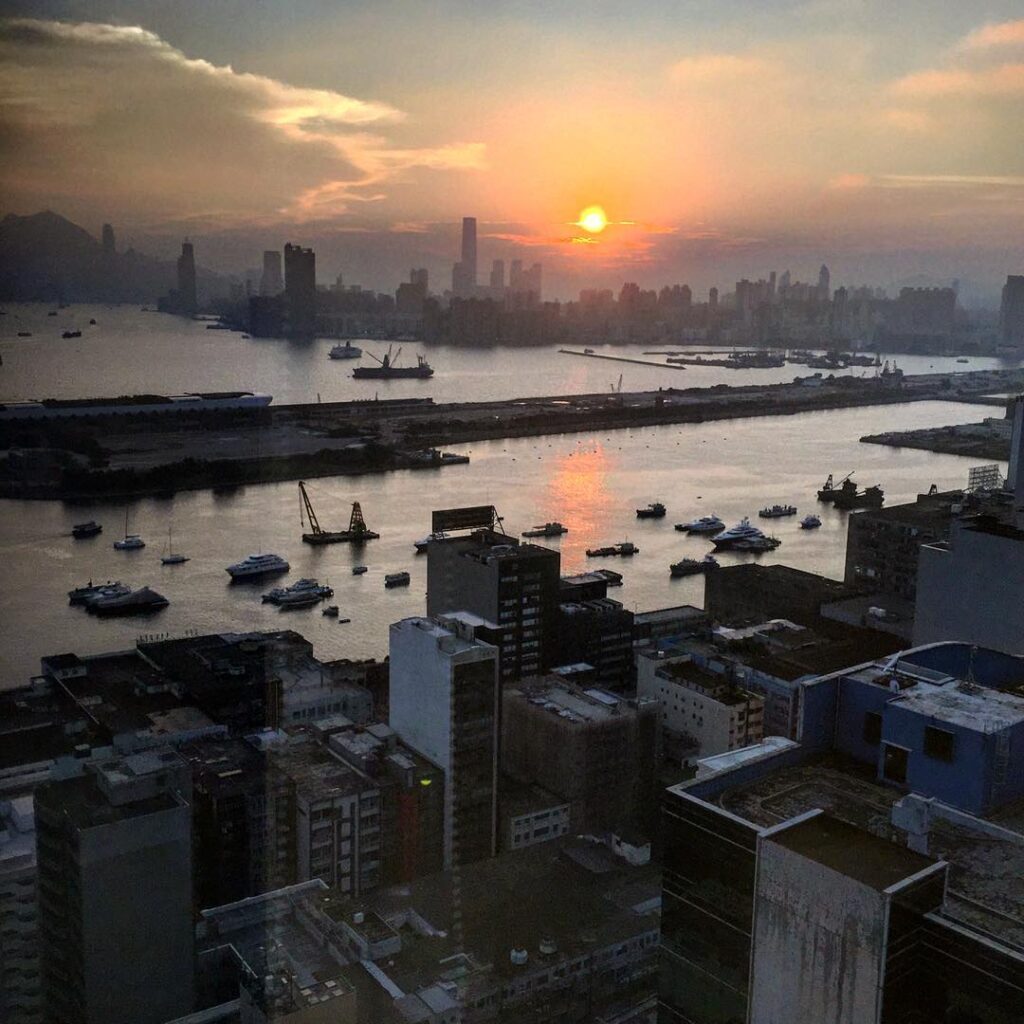
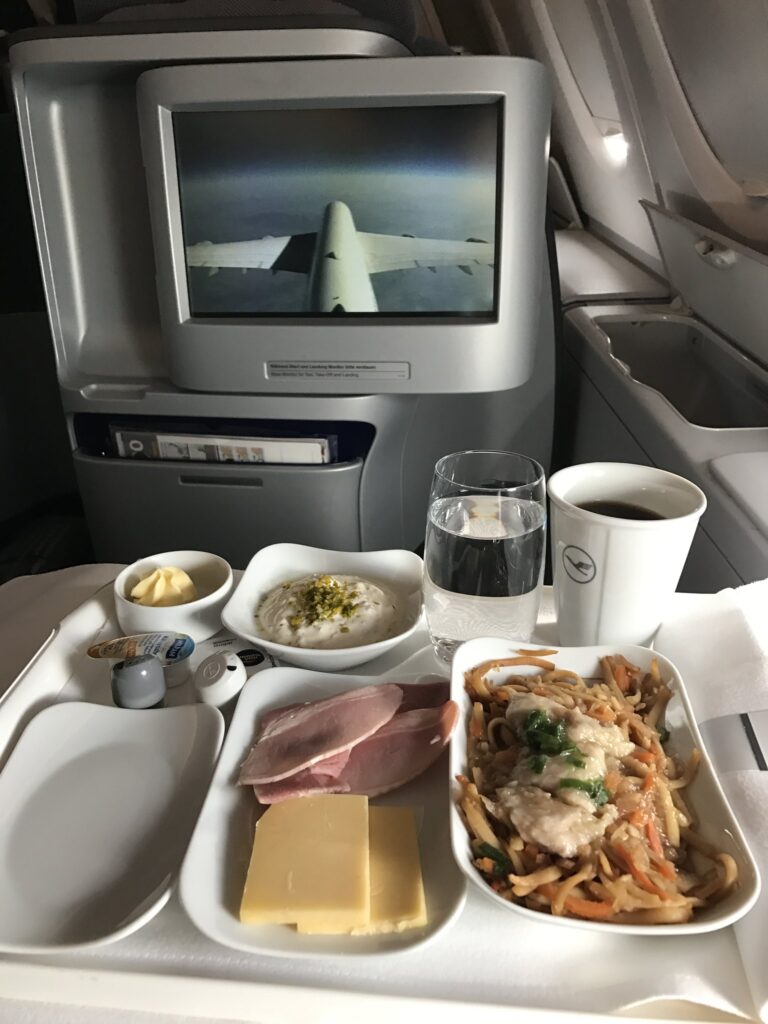
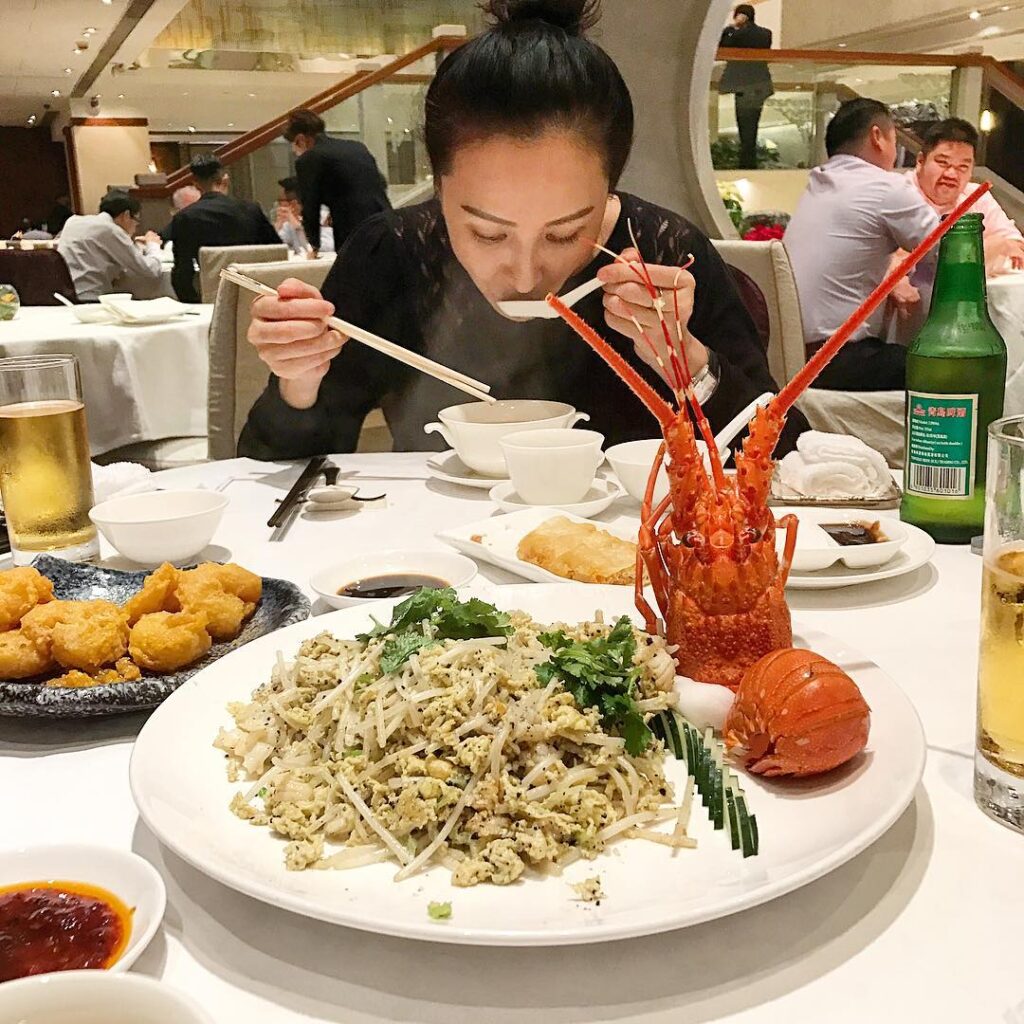
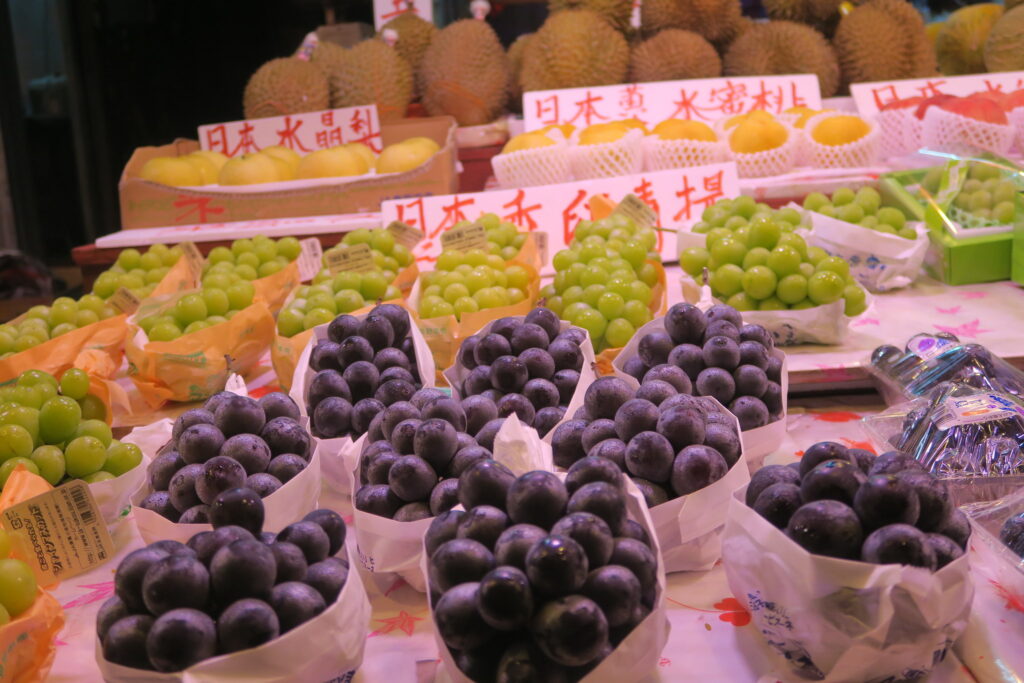
At lunch, we went down into the city. Hong Kong fed us well. Bowls of noodles slick with oil and heat. Dumplings that burned the fingers. Fish steamed with ginger and soy, clean and direct. Street food eaten standing, fast, honest. No theater. Just fuel.
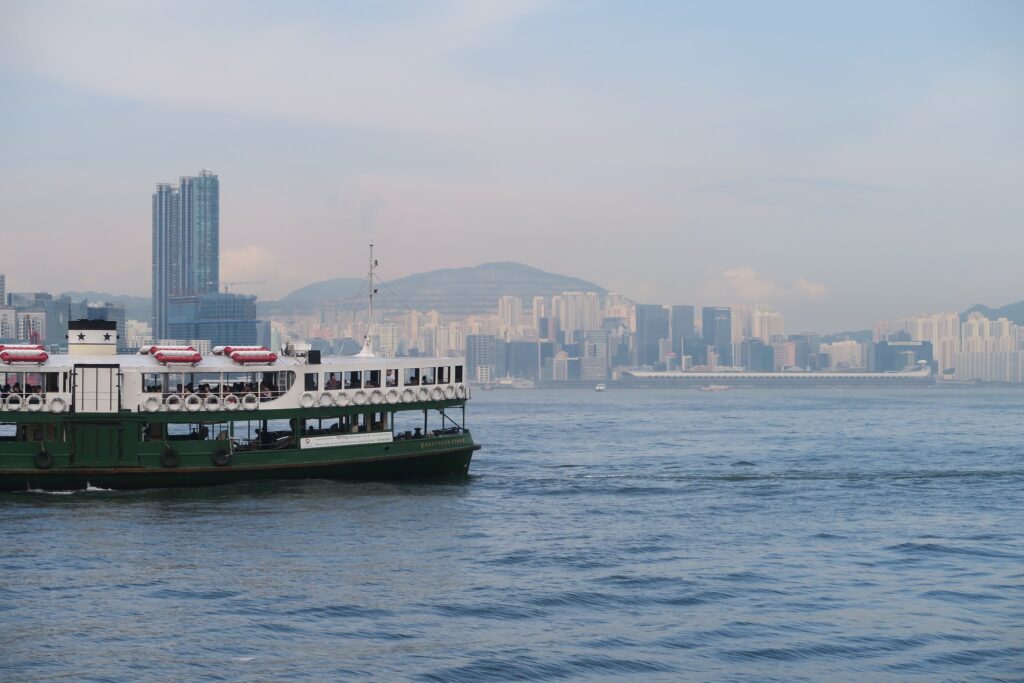
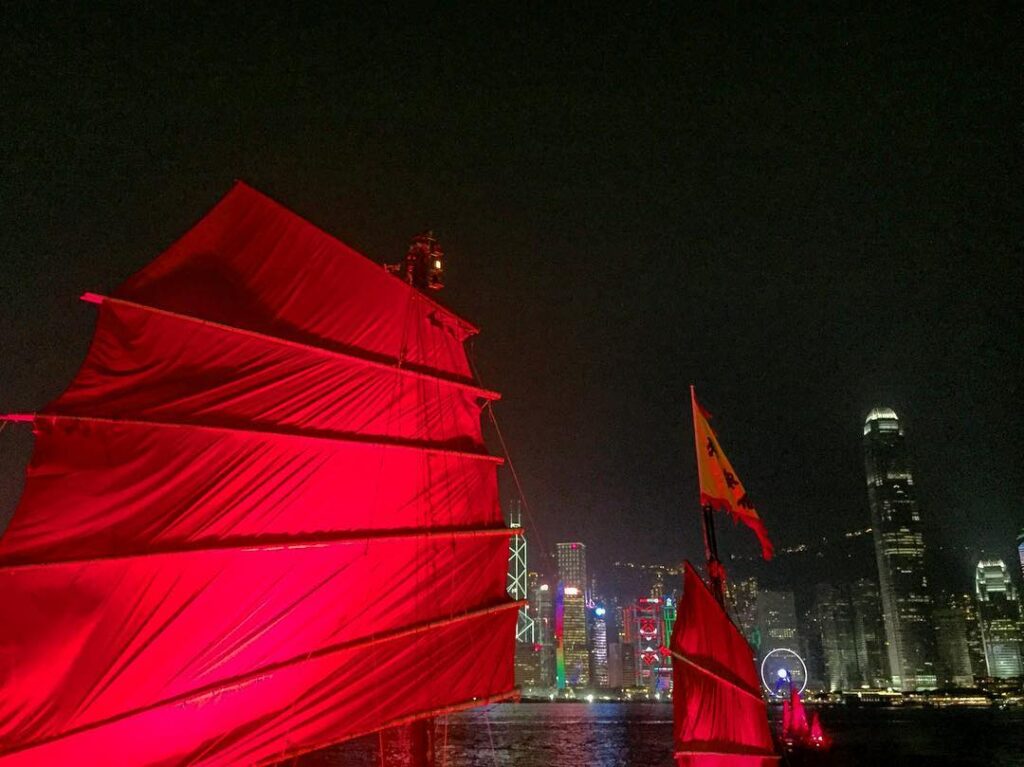
At night, the harbor reflected everything back. Neon stretched across the water. Ferries cut lines through light. We talked about bodies, movement, politics, and how technology always arrives faster than culture is ready for it.
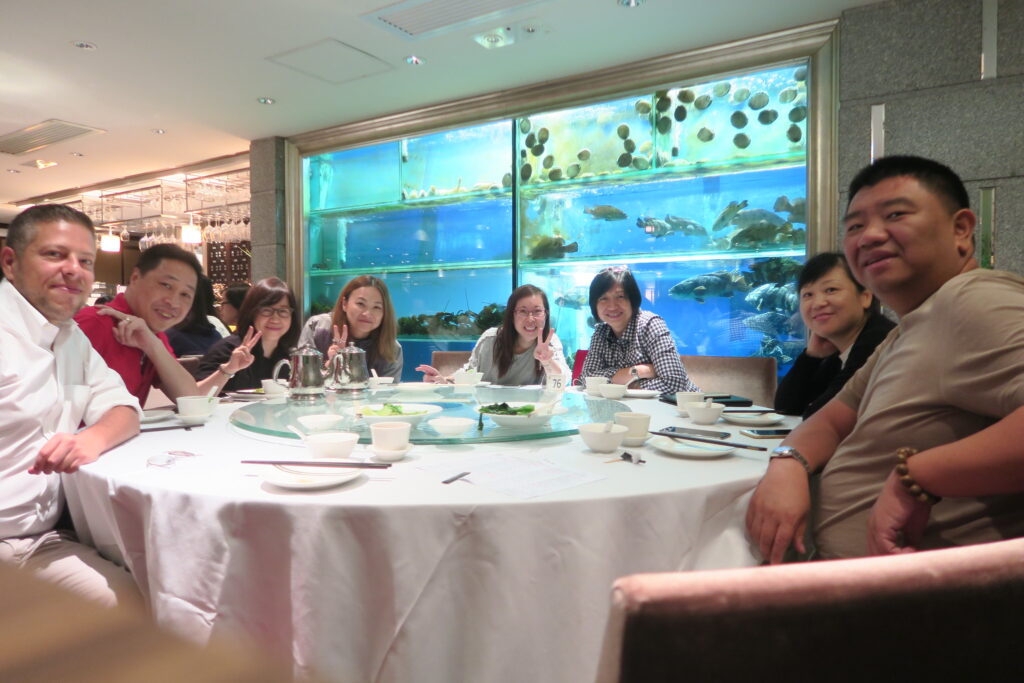
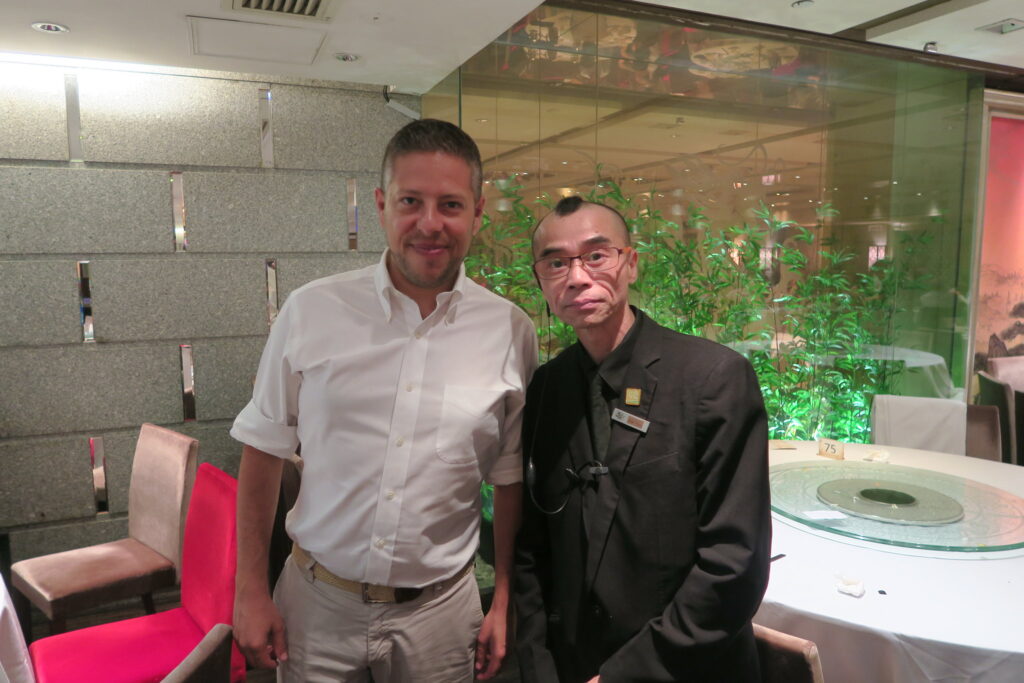
Working with Danilo and Jacopo was physical. Hands on materials. Arguments resolved by testing, not talking. Fashion became equipment. Wearables stopped being gadgets and started behaving like tools.
Hong Kong held the tension well. Business upstairs. Chaos below. Food grounding everything in between.
By the time we left, the project had a shape. Not final. But real. And the world outside was still loud, still divided, still spinning.
Some cities absorb noise.
Some amplify it.
Hong Kong sharpens it, then lets you work anyway.