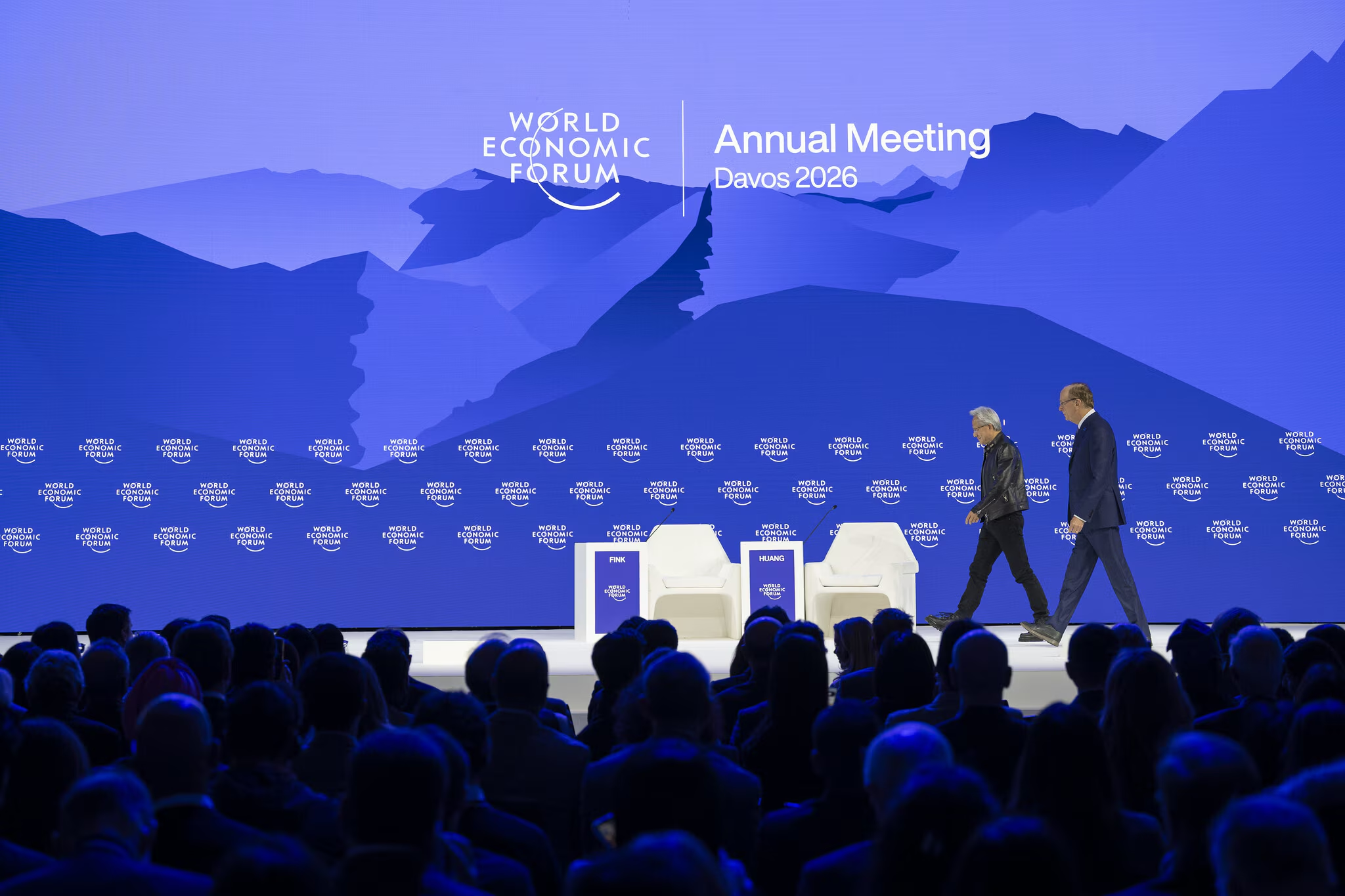
Returning to Dubai in March 2014 feels different. Familiar, but sharper. The city is no longer proving itself. It is calibrating.
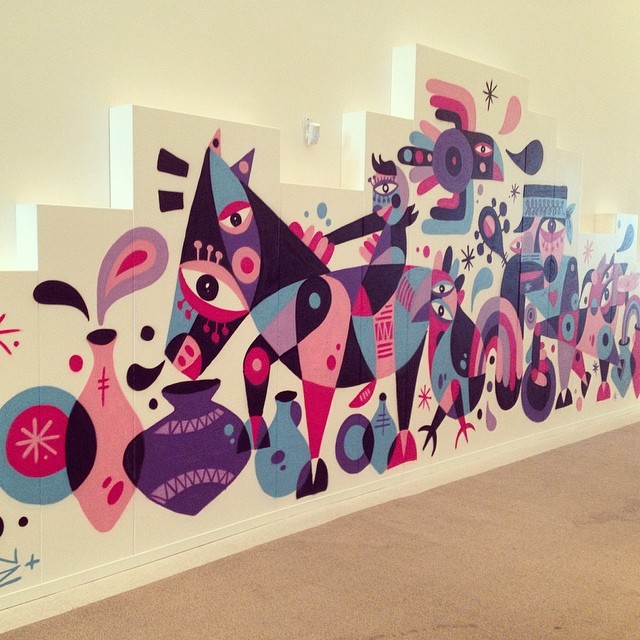
Dubai Design Art Week unfolds across the city with confidence. Design exhibitions, talks, pop-up installations, private viewings. The atmosphere is more intentional than the year before. Less spectacle, more structure. Designers, architects, collectors, curators, and policy figures circulate between venues with a shared understanding that design here is not decorative. It is strategic.
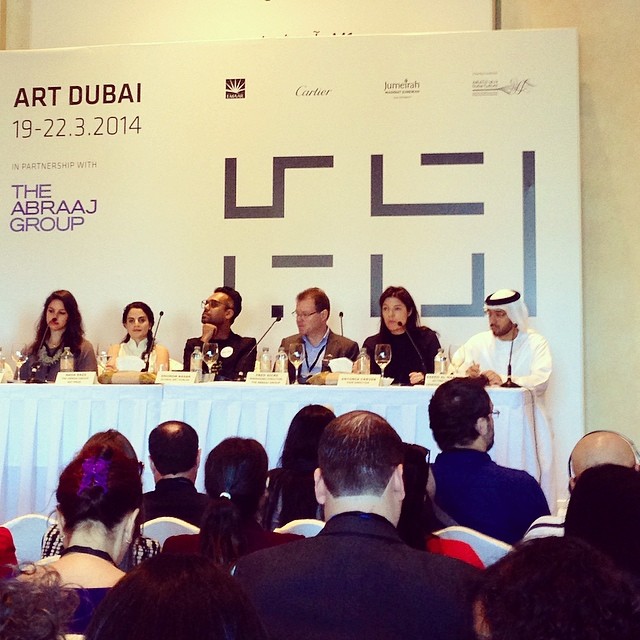
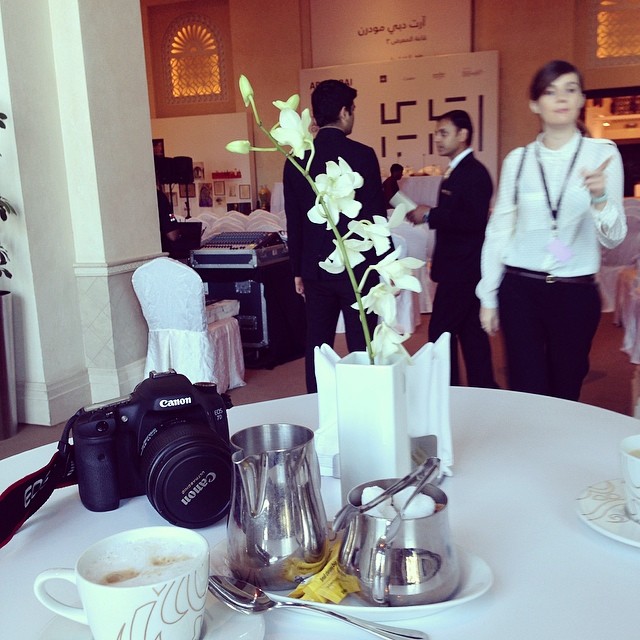
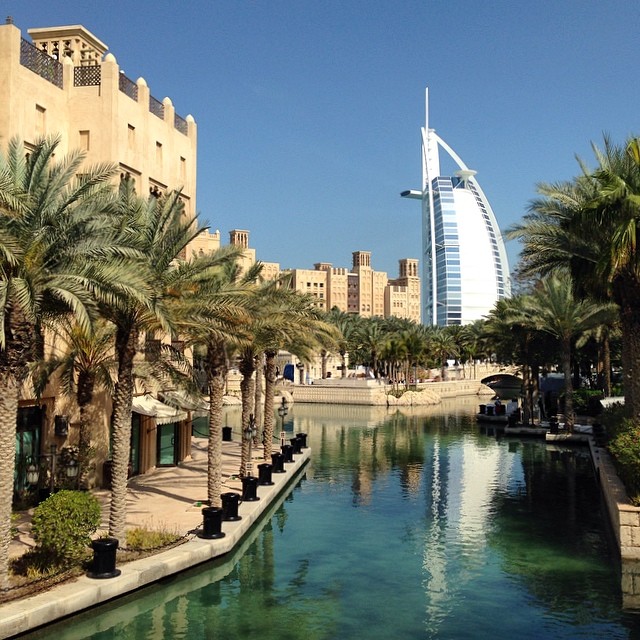
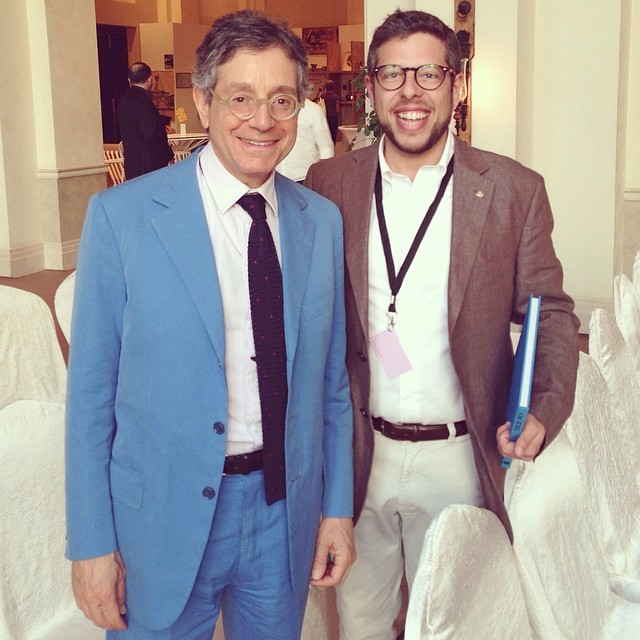
The sensory palette is precise. Sunlight reflecting off glass and limestone. Cool interiors after long walks between events. The quiet hum of air conditioning blending with conversations about materials, systems, and cities. Evenings soften around Madinat Jumeirah. Water moving slowly through canals, light bouncing off white walls, voices carrying just enough.
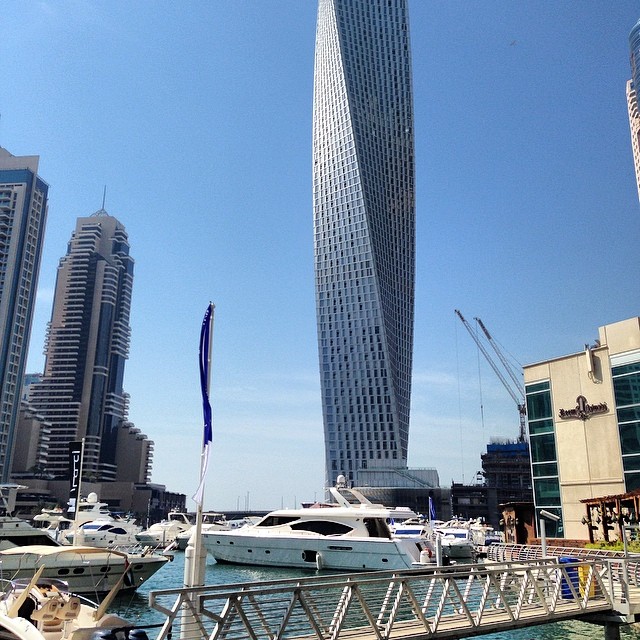
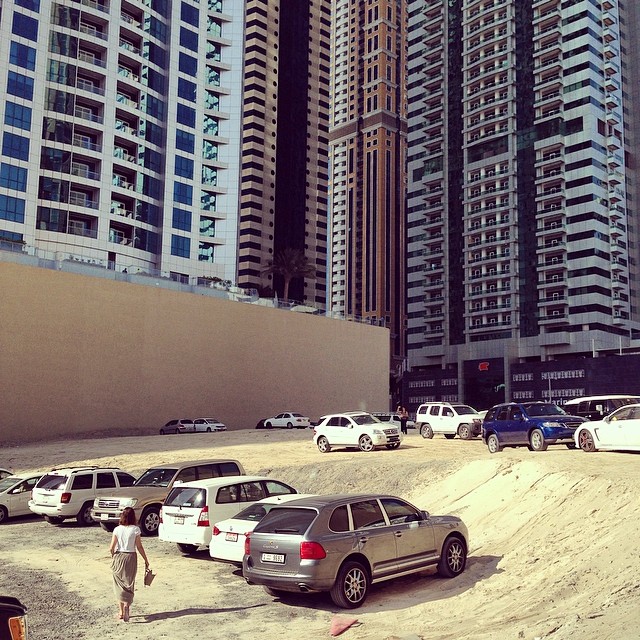
Dubai’s skyline continues its ascent. Cranes still punctuate the horizon, but now they feel integrated rather than urgent. Post-2008 recovery has matured into direction. Infrastructure, culture, and branding are no longer separate discussions.
A second visit to the Rotary Club of Dubai adds continuity to the trip. Familiar faces, deeper conversations. Less introduction, more substance. Civic leadership, long-term residents, global professionals exchanging views on responsibility, education, and impact. Rotary reveals the quieter skeleton of the city, the part that persists beyond headlines and renderings.

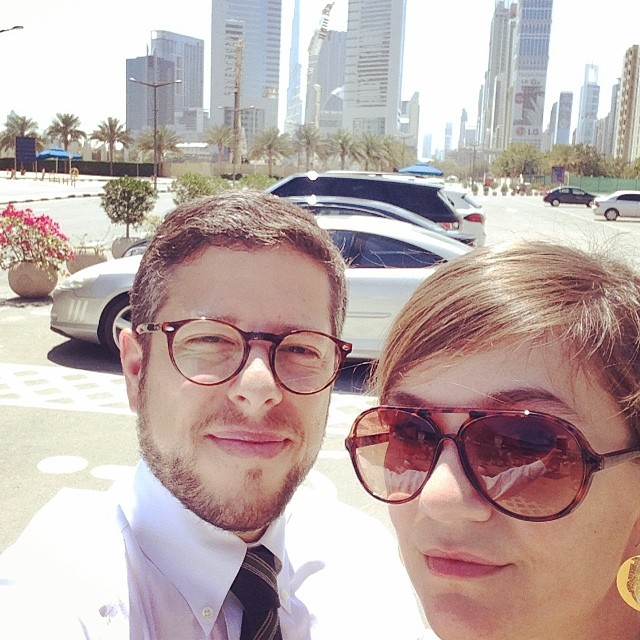
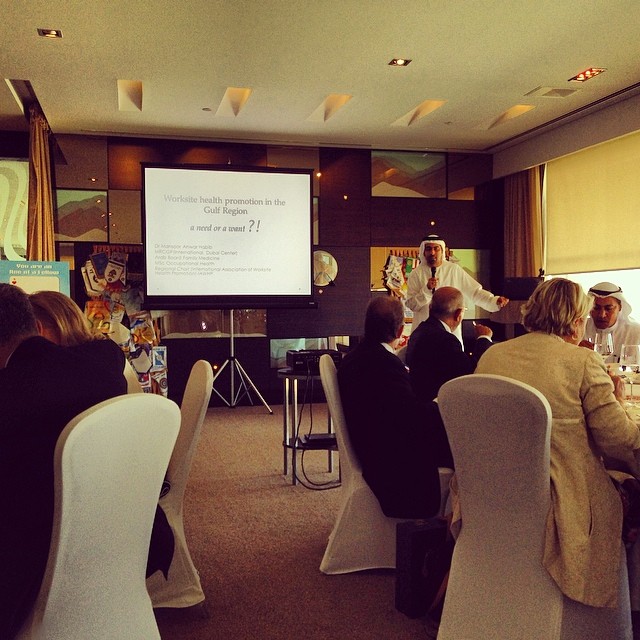
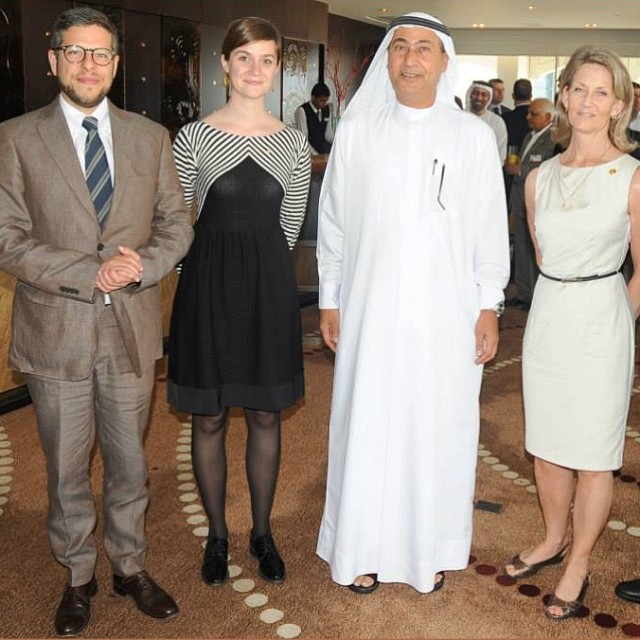
Midway through the trip, the rhythm shifts again with a return to Abu Dhabi. Consultancies with public institutions and city branding teams unfold in measured rooms, calm and deliberate. Here, the conversation is legacy. Cultural districts, museums, education, narrative coherence. Abu Dhabi moves slower than Dubai, but with weight. Every decision feels anchored to decades rather than seasons.

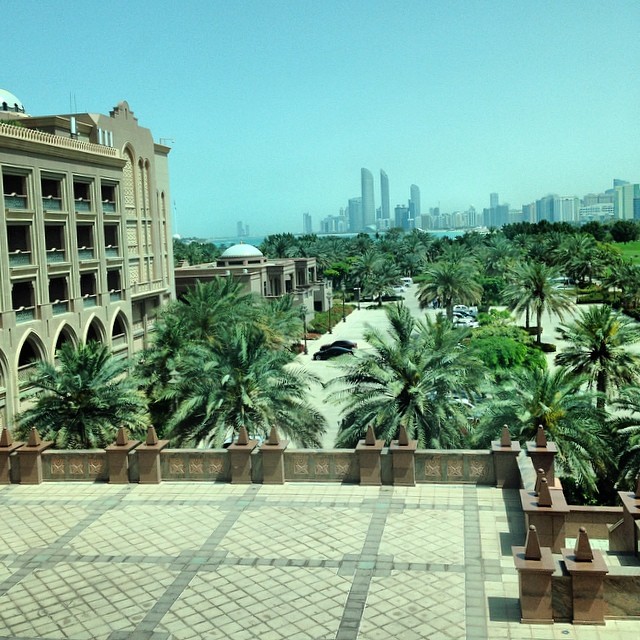
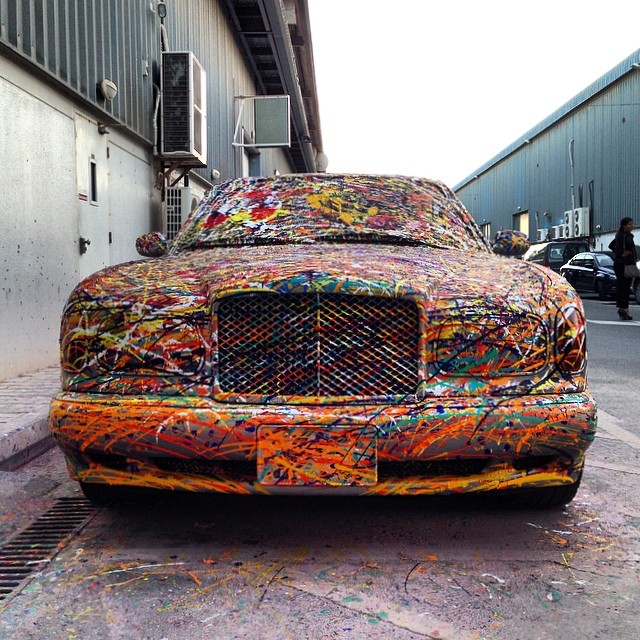


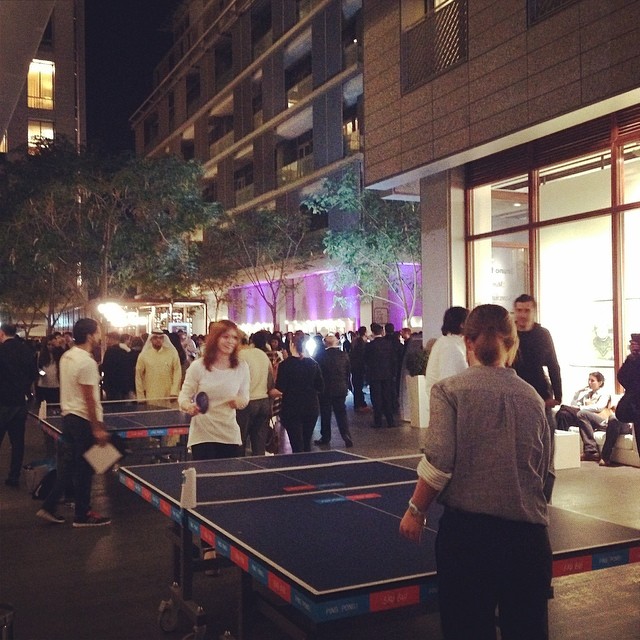
Moving between the two cities highlights their dialogue. Dubai experiments, accelerates, prototypes. Abu Dhabi consolidates, curates, endows. Together, they form a balanced system rather than a rivalry.

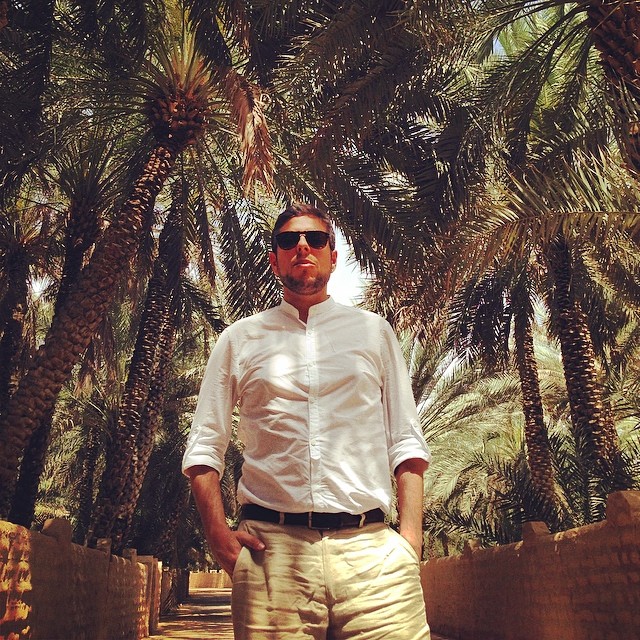
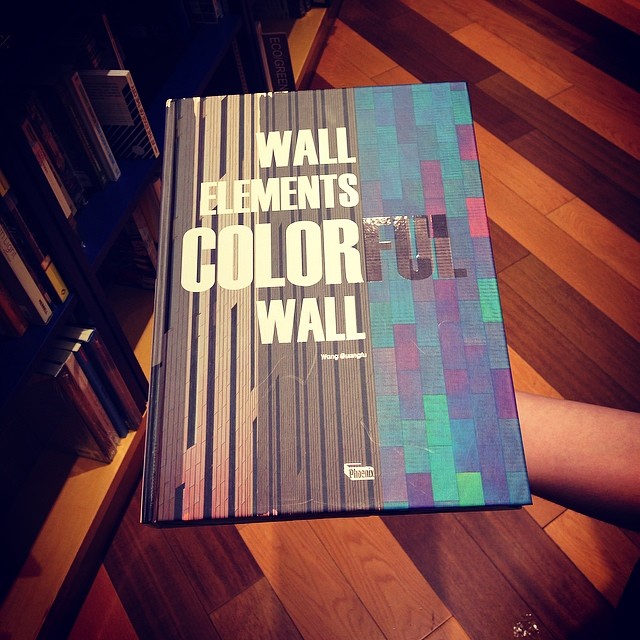
March 2014 confirms something already sensed the year before. The Gulf is no longer importing culture to signal openness. It is actively designing its own frameworks, visually, institutionally, and ideologically.