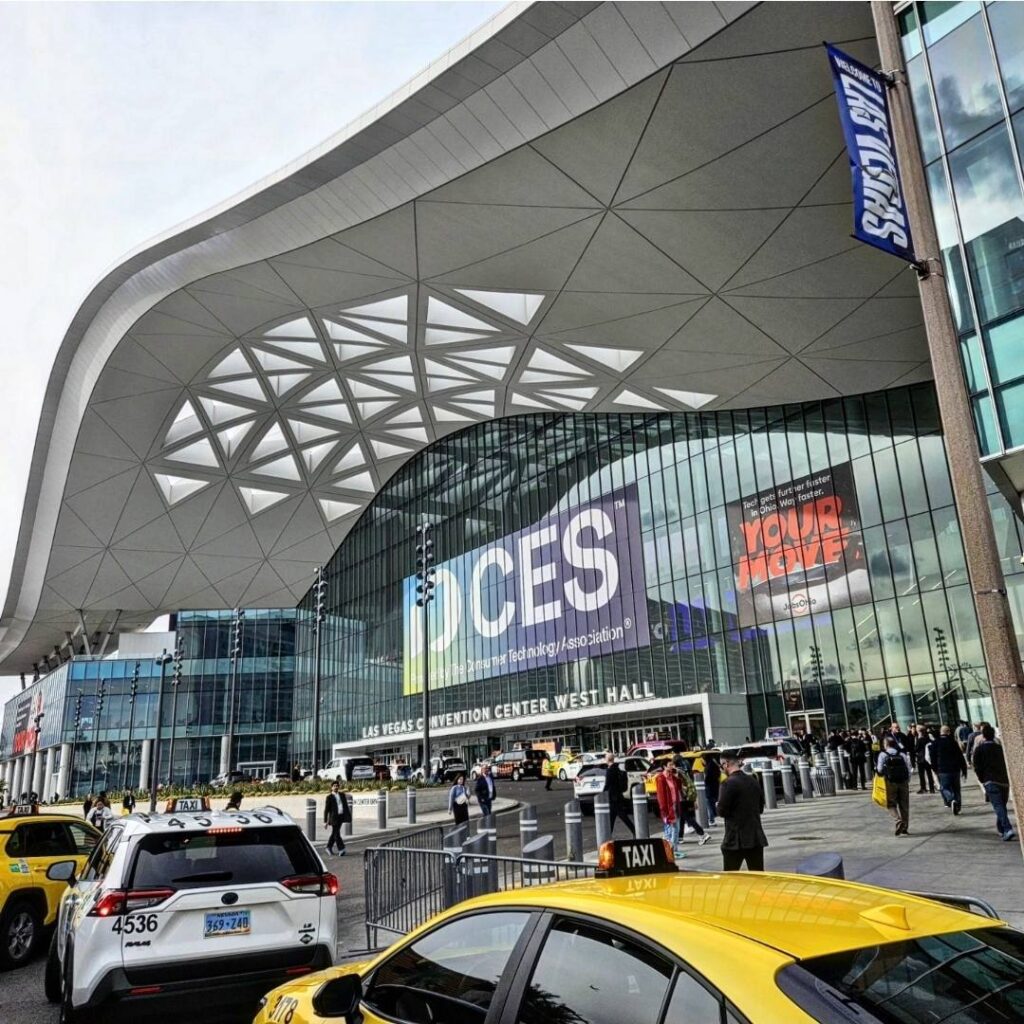
Every January, Las Vegas becomes a strange temporary city. Neon lights, endless corridors, thousands of booths, and an almost overwhelming density of ideas. CES can feel chaotic, even absurd. Yet every year I keep choose the same intention: ignore the noise, and look for signals.



Not products. Not hype. Signals of where technology is quietly becoming part of everyday life, culture, and meaning.
This year, three themes kept reappearing in very different forms: intimacy, invisibility, and imagination.
Small Objects, Deep Presence
Among the flood of wearables, I was drawn to technologies that did not scream for attention. The Even R1 smart ring and the smart glasses from Even Realities stood out precisely because of their restraint.


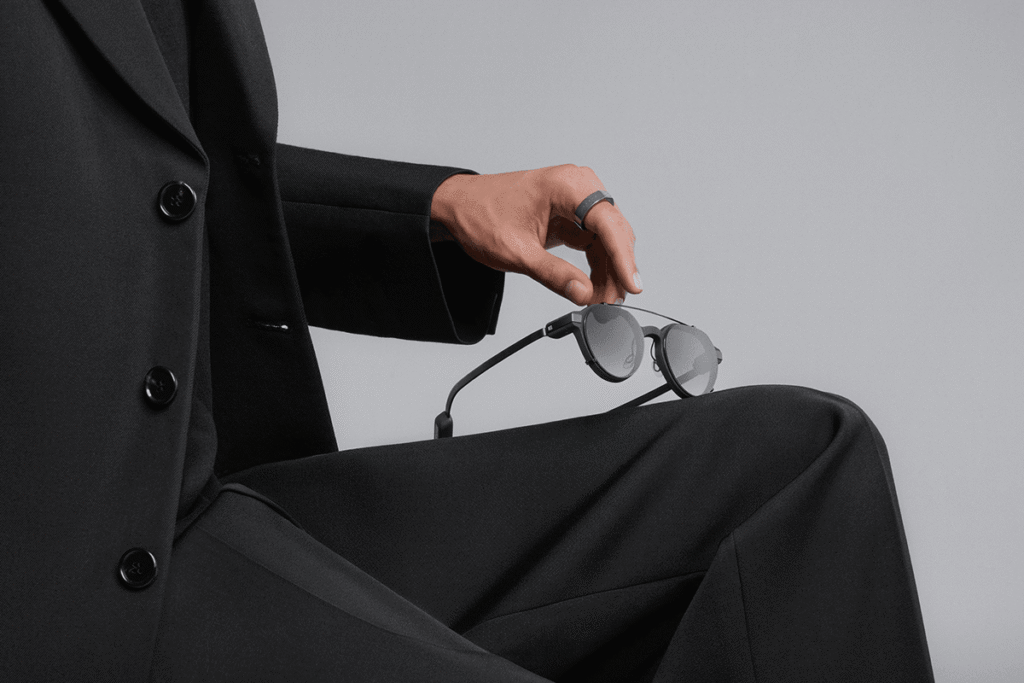
Smart rings are evolving beyond fitness metrics. They are becoming quiet interfaces, objects that live with you rather than on you. No distraction, no constant demand for interaction. Just presence, feedback, subtle awareness.
What inspired me was not the specs, but the direction. Wearables that respect the body and the mind. Technology that listens more than it talks. This aligns deeply with how I believe human centered tech should evolve.
Ultrasonics Enter Daily Life
One of the most unexpected moments came from the kitchen domain. Seattle Ultrasonics presented the C 200 Ultrasonic Chef’s Knife. At first glance it looks like a normal blade. Then you see it in action.


Ultrasonic vibration changes the physics of cutting. Less force. More precision. A completely different tactile experience.
What struck me was not culinary performance, but symbolism. Ultrasonics are moving out of labs and factories into everyday rituals. Cooking. Nourishment. Care.
This resonates strongly with what we are exploring at Bioniv, especially with Ultrogen. Sound, vibration, and frequency are becoming tools for wellbeing, not abstractions.
This is a quiet revolution. And those are usually the most profound.
Play, Reinvented
Then there was Lego. A smart brick that looks exactly like a Lego brick. Inside, sensors, connectivity, light, sound. No screen. No app dependency. Just possibility.


Lego reminded me that the most powerful technologies are those that amplify imagination rather than replace it. This was not about AI explaining creativity. It was about technology stepping back and letting humans build meaning again.
In a world obsessed with automation, this felt refreshing and deeply human.
Making Energy Visible
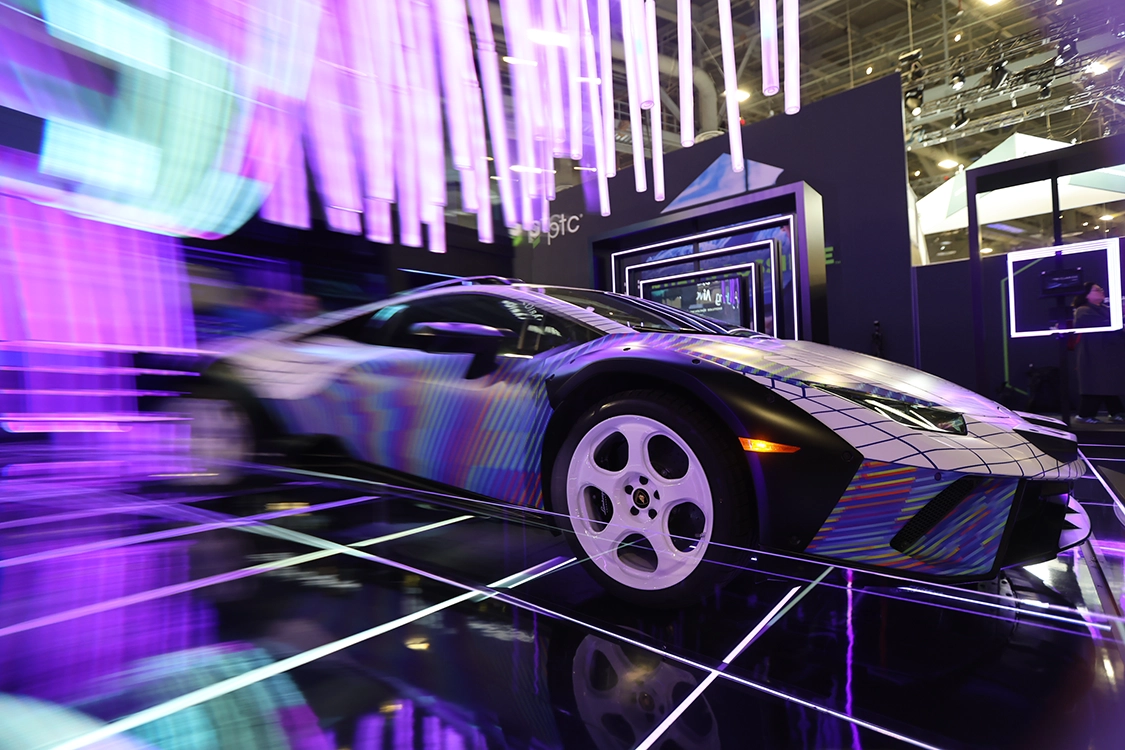
But the most emotional moments for me was the special project for Clarios, the global leader in advanced low voltage battery technologies, a Lamborghini Huracán Sterrato from a private collection was transformed into an art installation by my dear friend J. Demsky.

The project, titled HYPRSPC Nrgy, was built around a powerful idea: energy as invisible architecture. Always present. Always working. Rarely seen.
The car is powered by an OPTIMA ORANGETOP Lithium Ion battery, the same philosophy that supports racing teams at Dakar, Le Mans, Nürburgring, and King of the Hammers. But here, energy was not hidden. It was narrated.
By touching a Battery Monolith, visitors triggered a light choreography visualizing the Clarios Power Management System through five pillars: Generate, Convert, Distribute, Stabilize, Monitor.
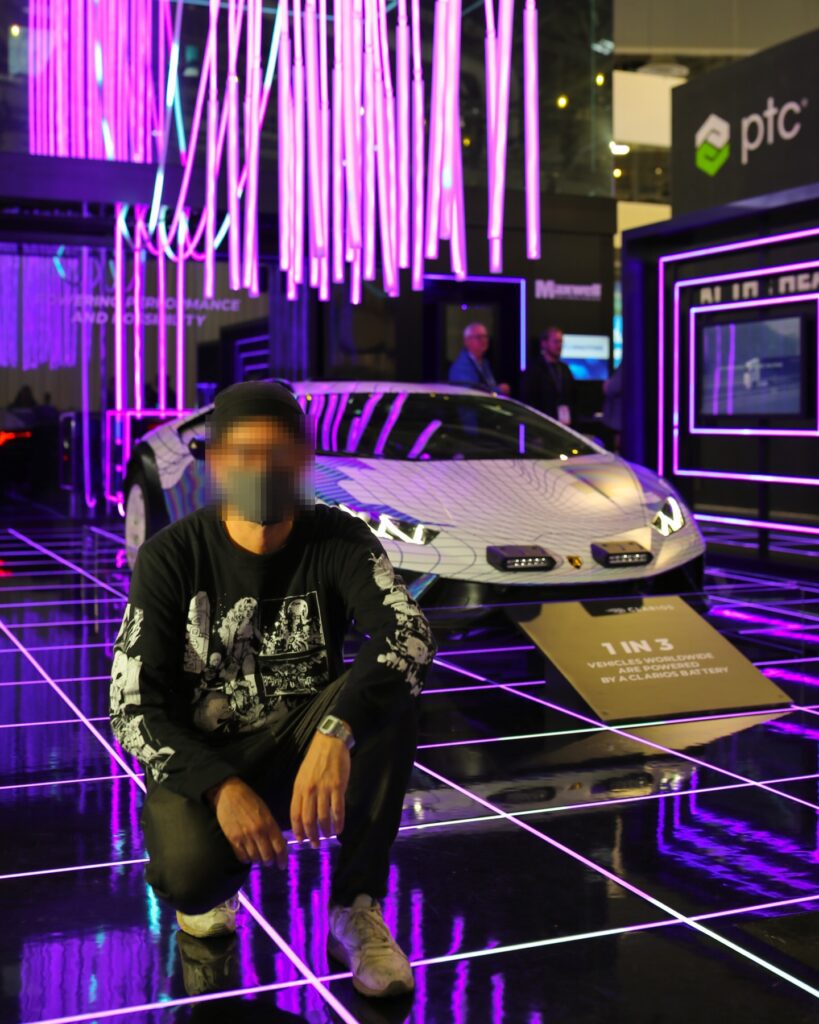

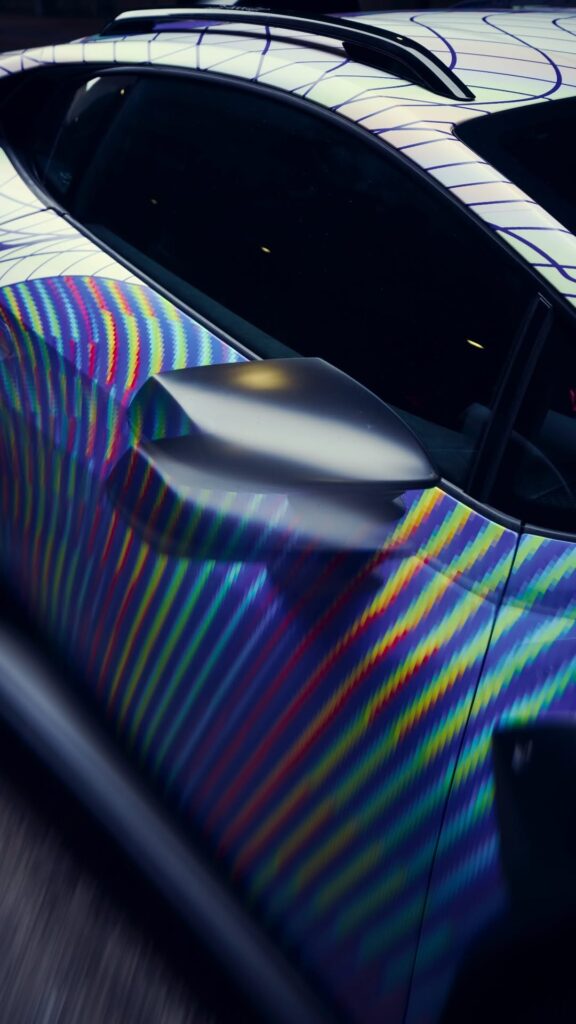
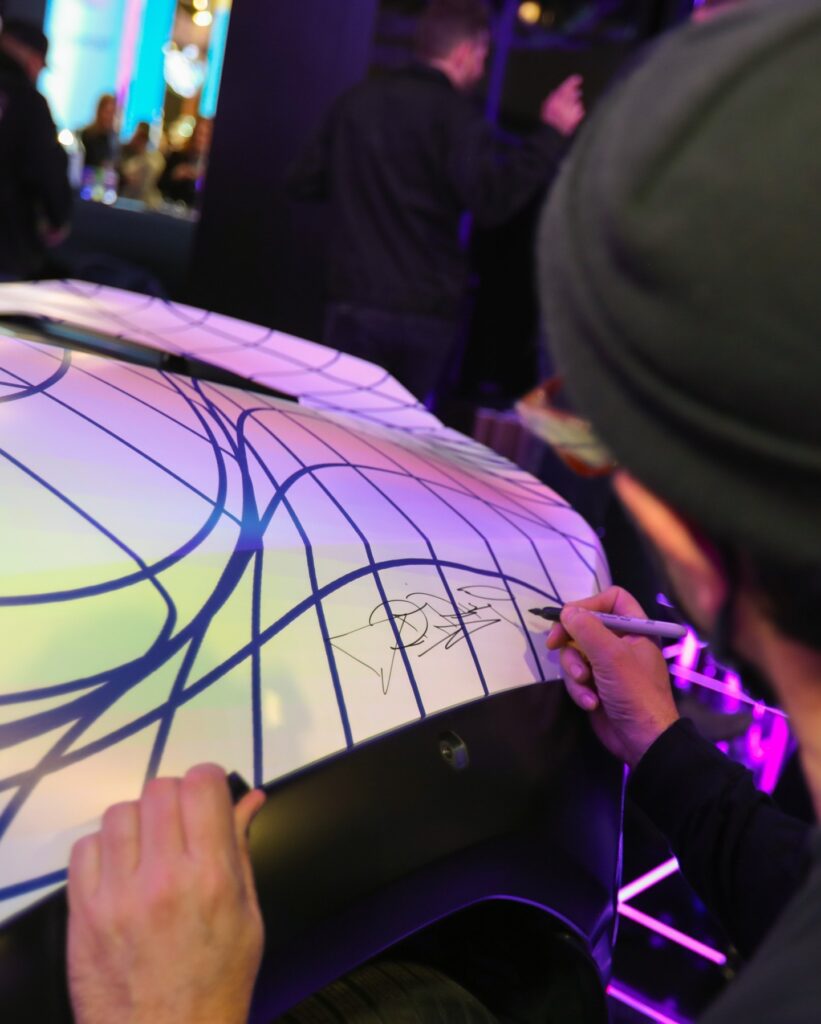
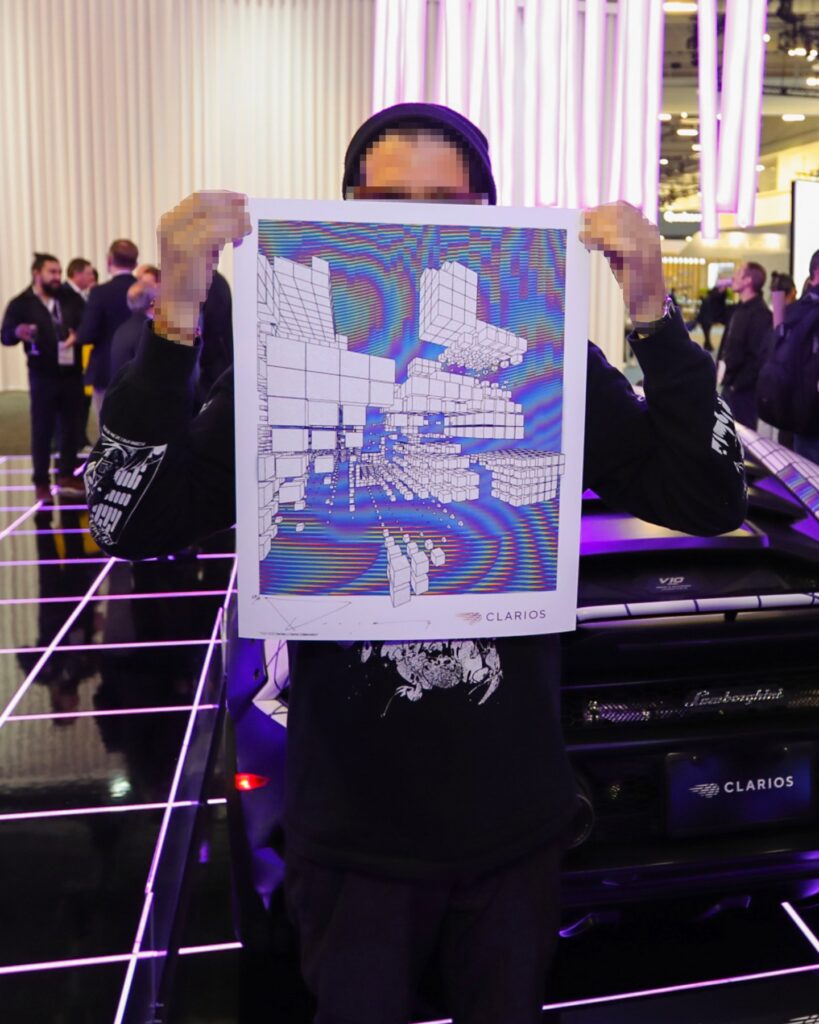
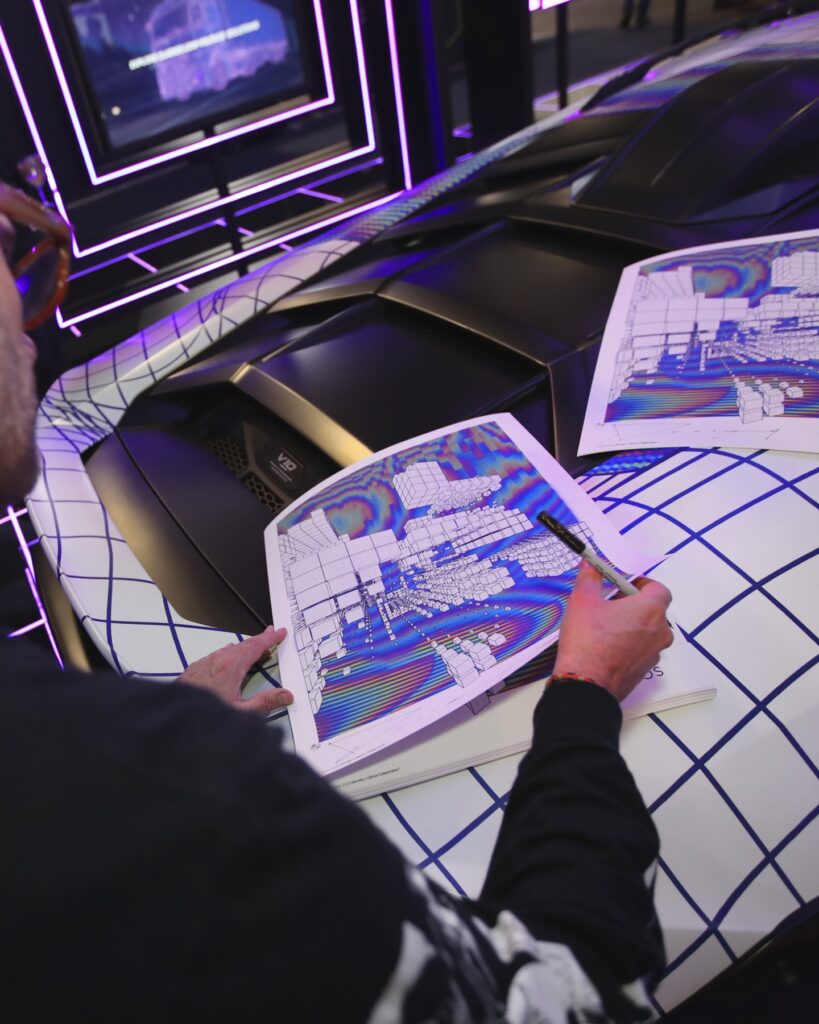
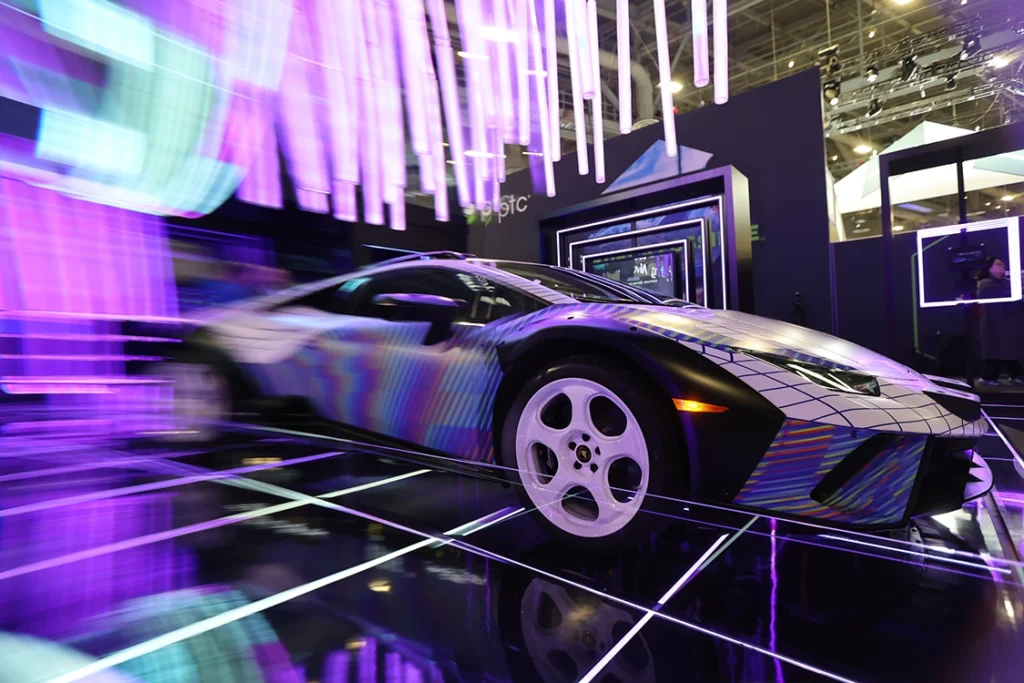
This was not branding. It was storytelling through physics, design, and emotion It reminded me that technology becomes meaningful when it is felt, not explained.


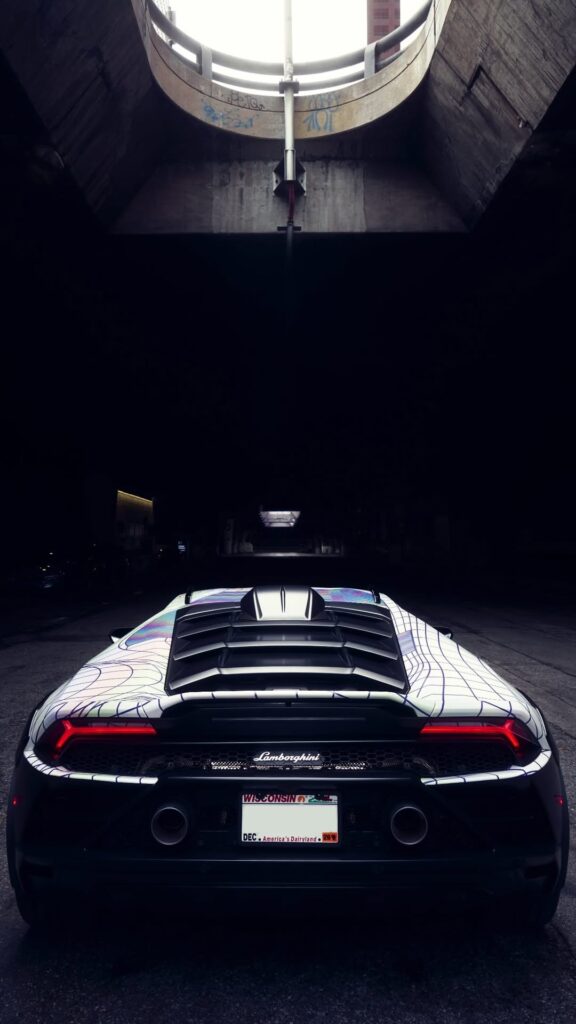
This edition of CES 2026 reminded me that the exhibition is still worth for those rare moments when technology aligns with humanity. When it becomes smaller, quieter, more poetic. When it respects the body, enhances daily rituals, and invites imagination.
Those are the signals worth following. And they are everywhere, if you slow down enough to notice them.