Venice teaches you to walk slowly.
Water asks for patience. Stone answers with echoes.
I arrived with salt on my lips and a letter in my pocket. An invitation. The 56th Venice Art Biennale was breathing again, and I was there for an opening. Not just any opening, but The Bridges of Graffiti, invited by a friend, Giorgio De Mitri, who knows how to build passages between worlds.
The city was full. Voices bounced between walls. Oars struck water like a metronome. I crossed bridges without counting them. Venice never lets you count.
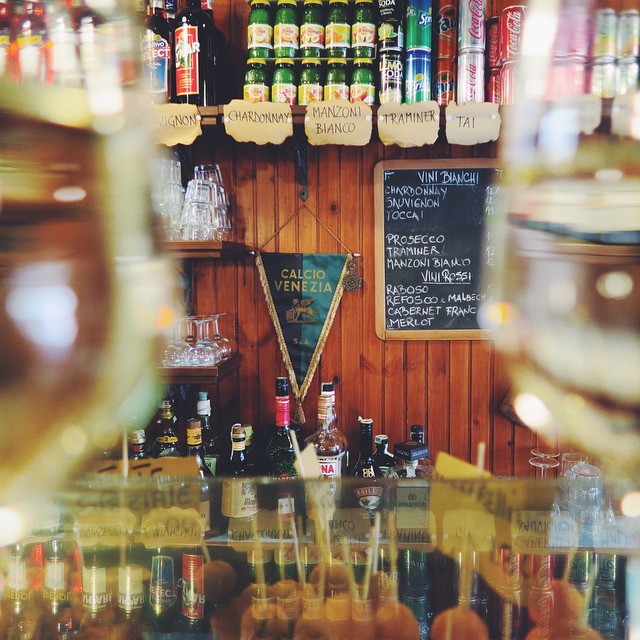

I turned into a narrow alley where the light fell like a blade. There he was. Achille Bonito Oliva. Standing still, as if Venice itself had paused to frame him. My friend V3rbo lifted his camera. We smiled. A woman crossed the frame, fast, laughing, then vanished. A photobomb. A small chaos. Later looking at the picture I recognized her. Judith Benhamou-Huet.
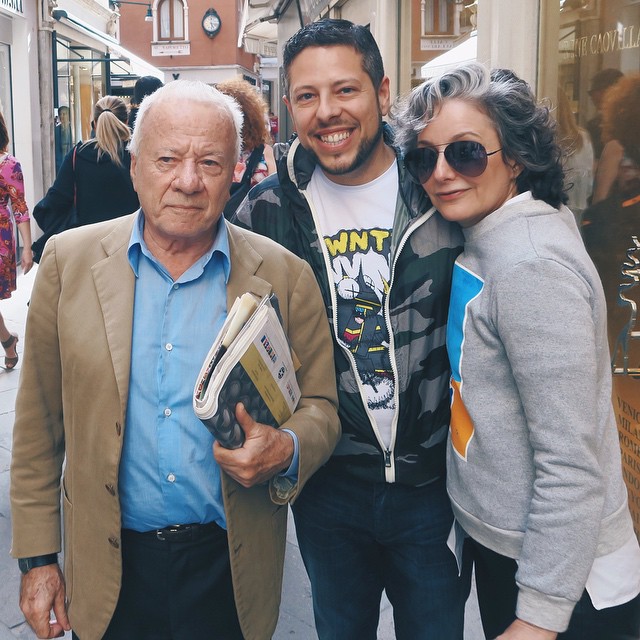
I laughed at the coincidence, then stopped laughing. Years before, in Shanghai, another life, I had met her daughter, Jacobé. She suggested me to meet her mother. To talk. To connect. Time slipped. Life interfered. The bridge was never crossed. Until Venice decided otherwise.
That is how destiny works here. It does not knock. It drifts in.
The Bridges of Graffiti lived there, inside Arterminal, the terminal of art. A harbor reborn as a sentence written in spray and breath.
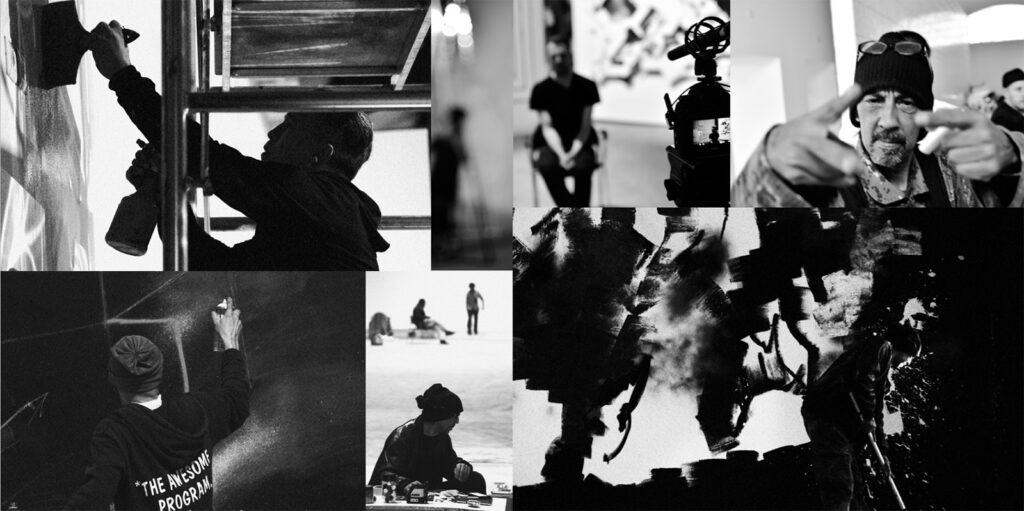
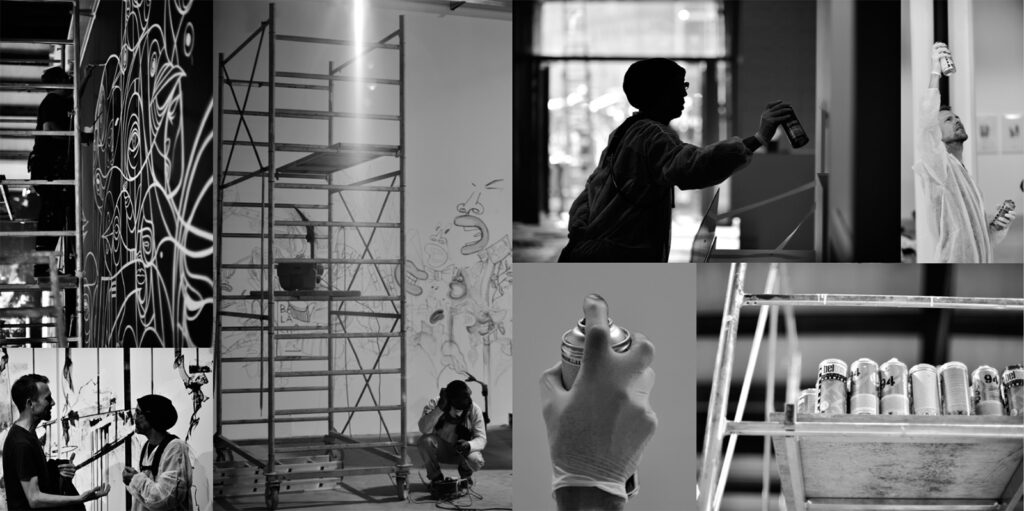
Ten artists worked as one. Eron. Futura. Doze Green. Todd James. Jayone. Mode2. SKKI ©. Teach. Boris Tellegen. Zero T. A single Hall of Fame grew across the walls, not loud, but sure. Around it, history spoke softly through photographs by Henry Chalfant and Martha Cooper. Black and white memories. Trains. Hands. Beginnings.


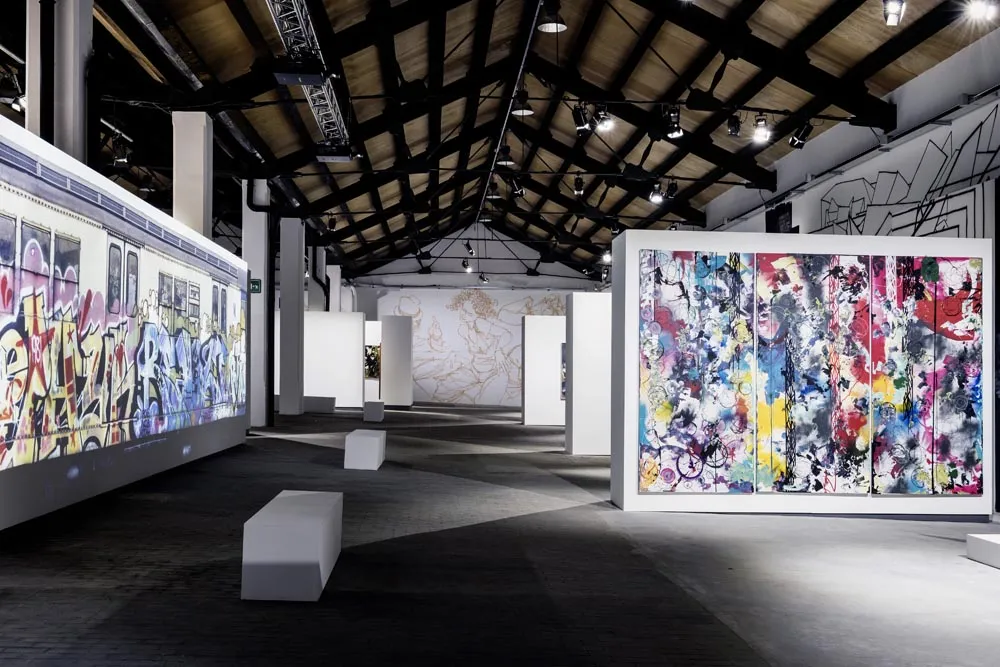
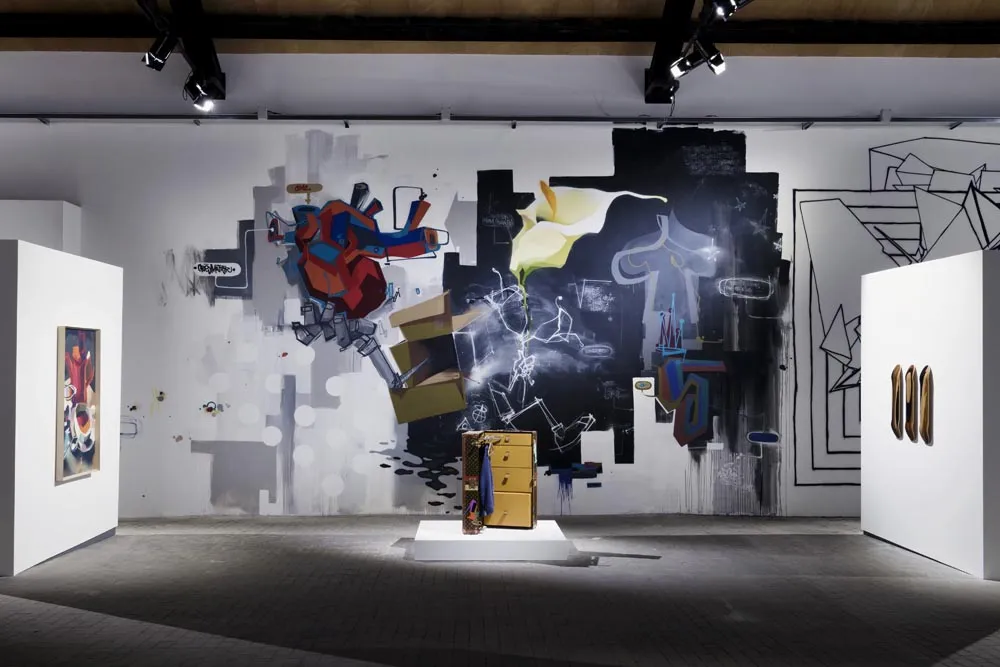
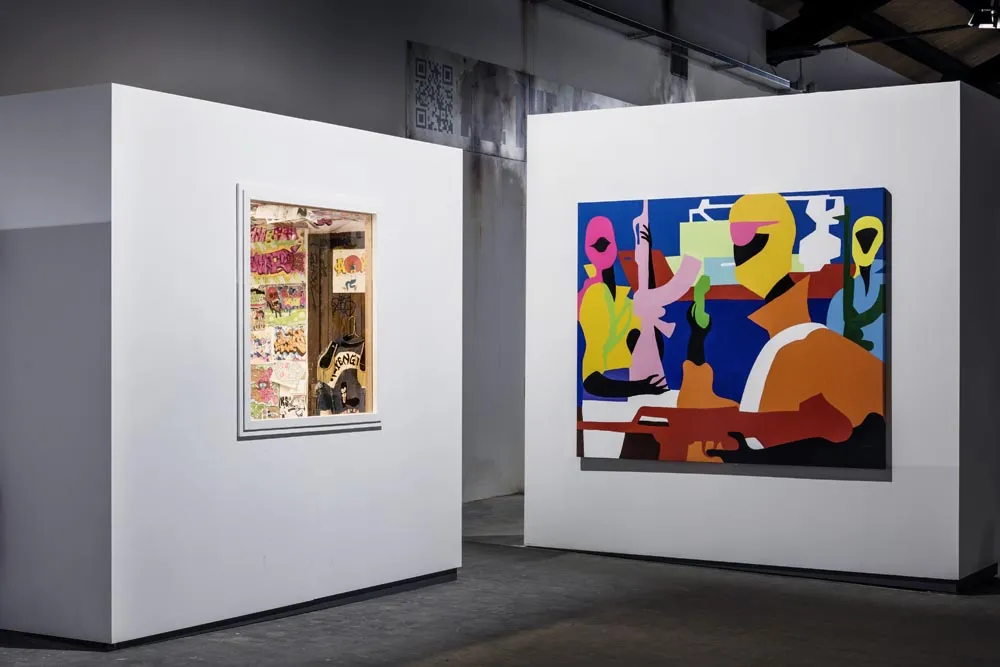

The project stood thirty years after Arte di Frontiera. New York Graffiti, curated in 1984 by Francesca Alinovi. Another bridge. Another crossing. From New York to Italy. From the street to the institution. From noise to permanence.
Outside, the water slapped the dock. Inside, the walls breathed. Venice listened.

Arterminal was not just a space. It was a promise. A terminal where cultures arrive, depart, collide, and sometimes stay. Curated by Fondazione De Mitri and Mode2, with the quiet intelligence of DeeMo, Luca Barcellona, and Andrea Caputo. Built with care. Supported by the city. Carried by many hands. Watched over by UNESCO.
The next day we crossed water again. Past the postcard Venice. Past the polished stones. We reached an abandoned industrial terminal facing the city like a forgotten mirror. Rust. Oil. Wind. The smell of iron and algae. On the walls, color exploded. Letters stretched their limbs. Figures watched us back.


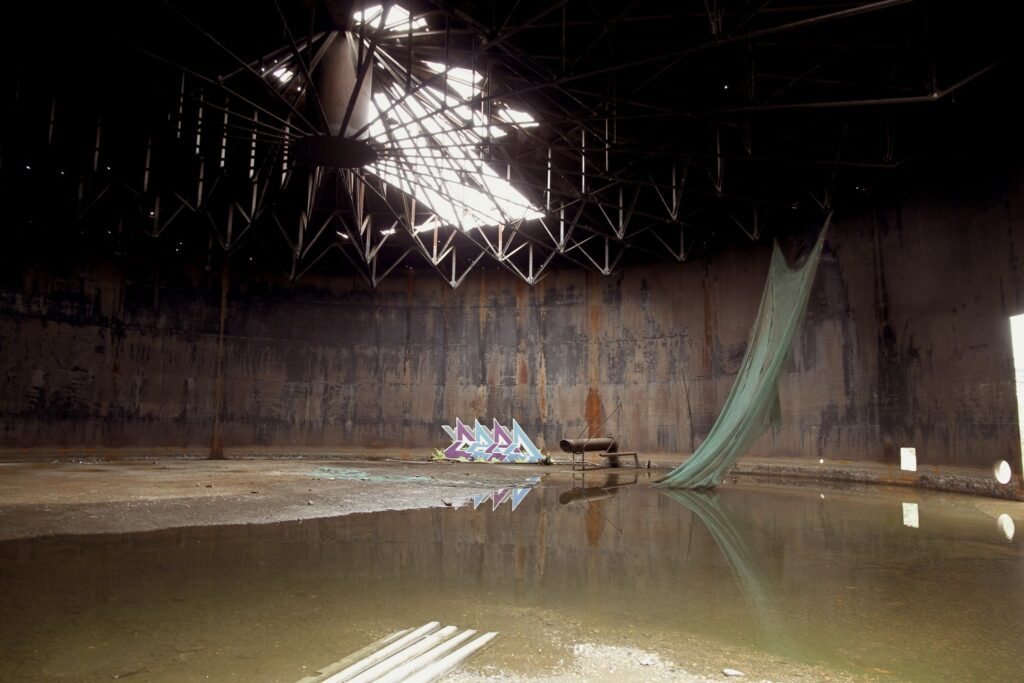

We wandered deeper into the abandoned complex. No speeches. No openings. Spontaneous art climbed over metal ribs. Paint cracked like old skin. The wind moved through broken windows and played its own music.
I understood then that bridges are not always made of stone. Some are made of chance. Some of missed meetings. Some of a woman running through a photograph. Some of graffiti on rusted walls facing the most fragile city in the world.
Venice does not explain.
It connects.