Paris tonight feels unusually synchronized. Everything converges on Rue Saint-Honoré.
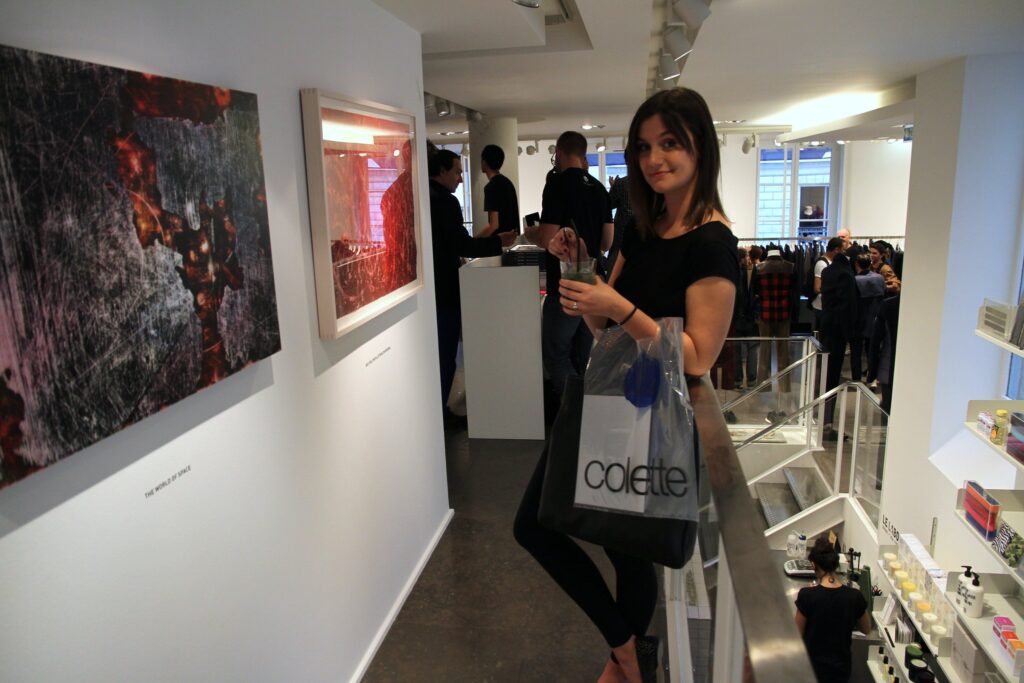
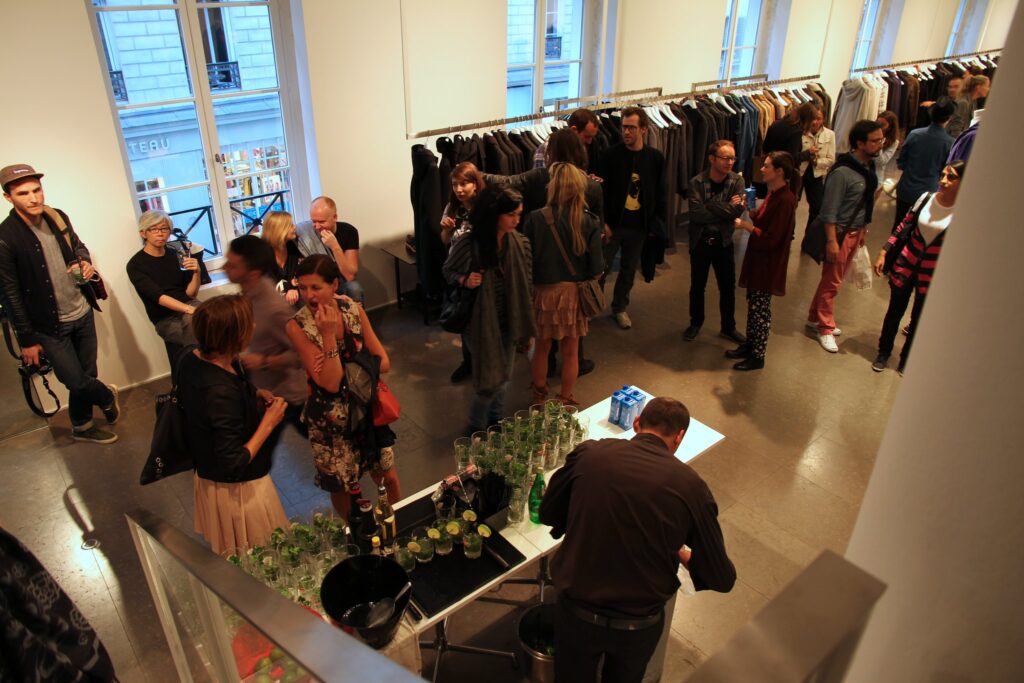
Walking into Colette, you immediately sense that this is not just an exhibition opening. Colette operates more like a cultural motherboard than a store. Fashion, art, sound, publishing, nightlife, all plugged into the same circuit. If something is here, it already belongs to a larger conversation.
The Parlá Frères exhibition, titled U.T.O.P.I.A., occupies the space with a quiet intensity. José and Rey Parlá feel less like two artists and more like a single split consciousness. Brothers since childhood, collaborators since the early eighties, Brooklyn-based but globally coded.

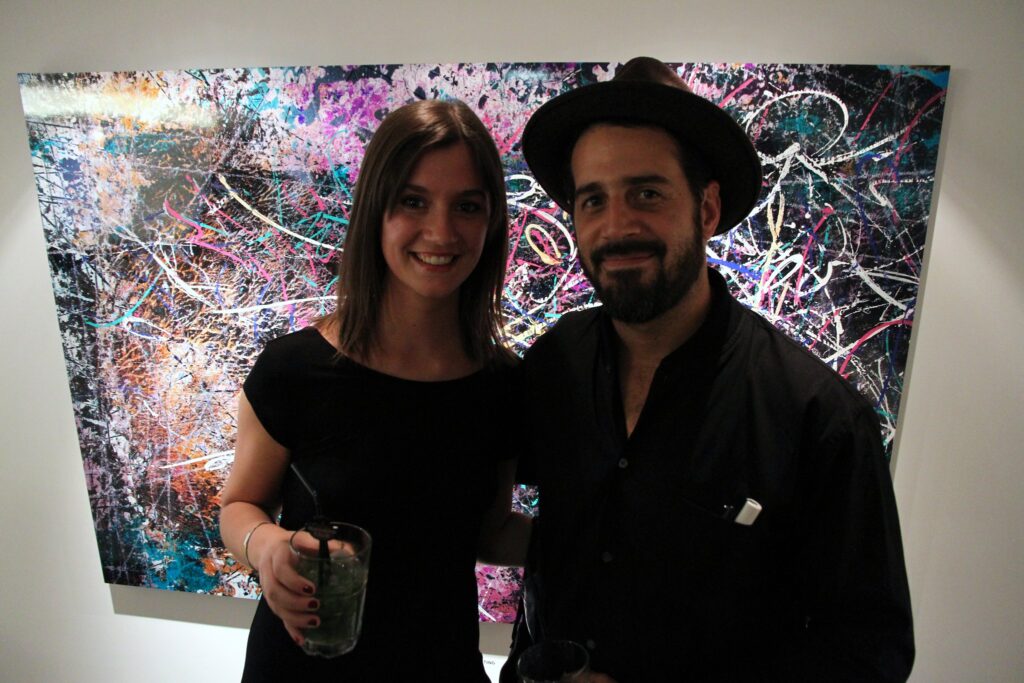

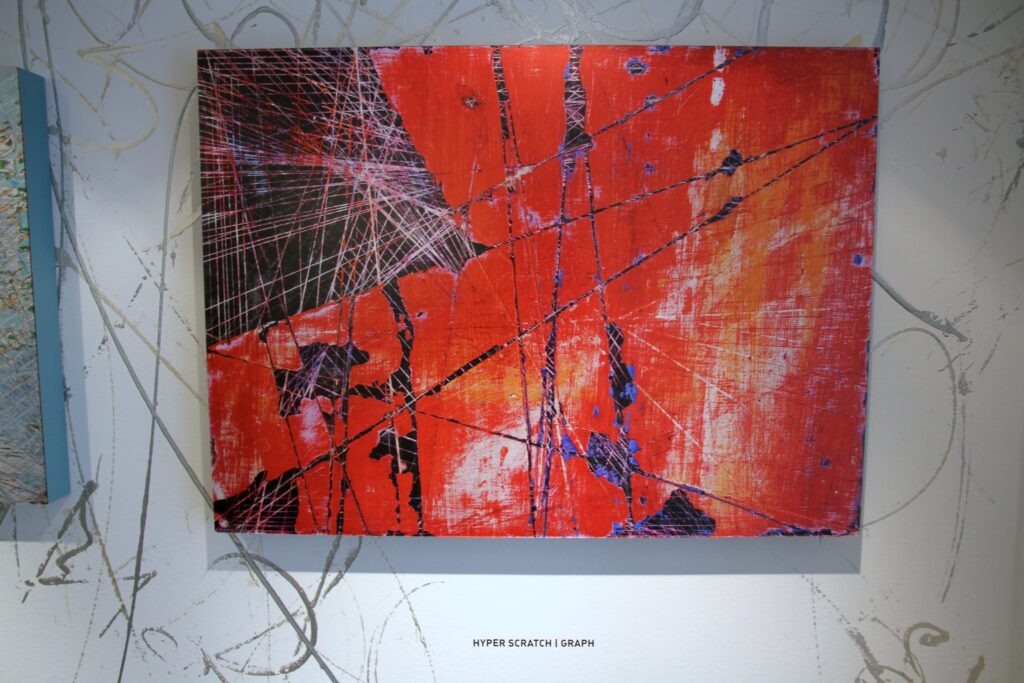
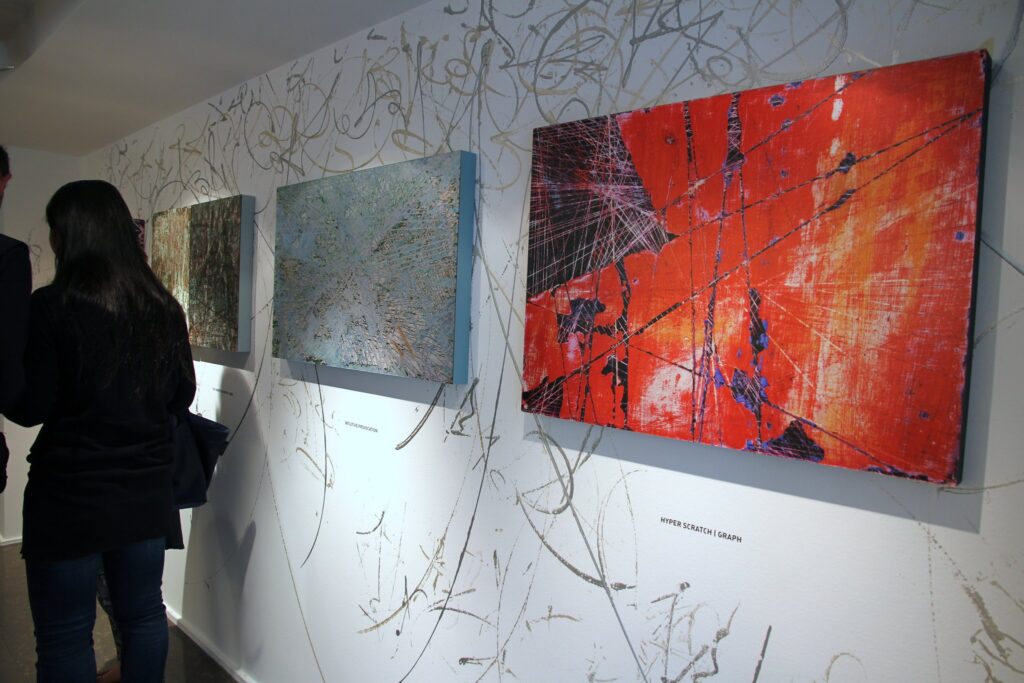
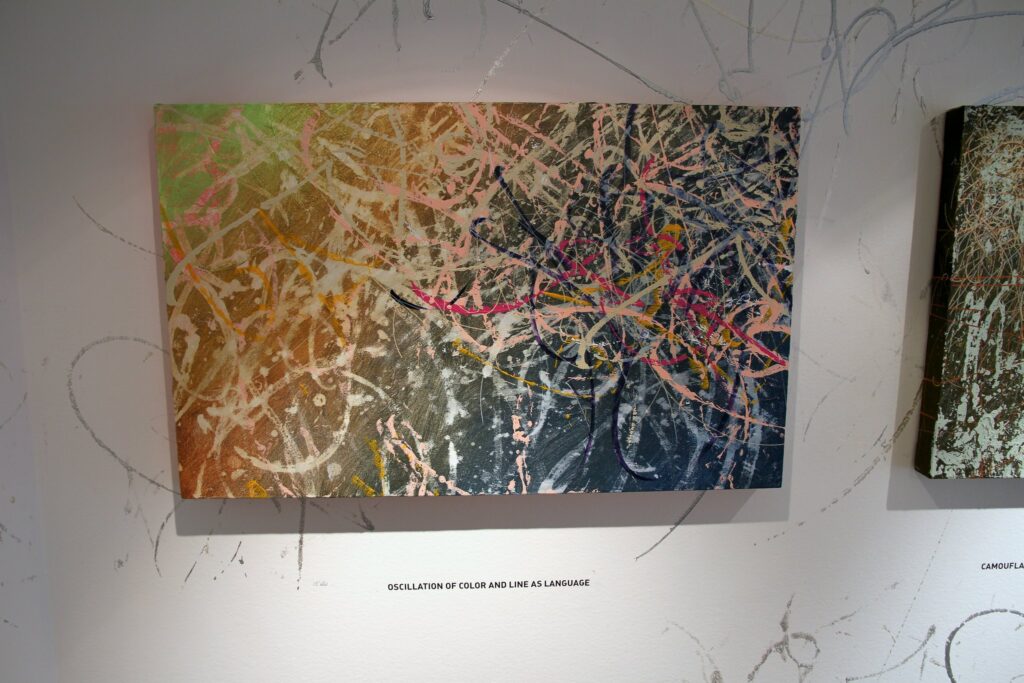
José’s paintings are dense, calligraphic, layered like walls that remember everything. Marks overwrite marks, language dissolves into rhythm. Rey responds from the other side of the spectrum. Experimental films, camera-less works, Scratch | Graphs that feel excavated rather than produced. Painting and cinema locked in dialogue. A Picasso and Braque logic, but stripped of nostalgia. Yin and yang without symbolism.
What works here is not just the art, but its placement. Colette has always curated context, not objects. This show sits naturally alongside limited editions, fashion drops, vinyl, books. A small, beautifully produced publication accompanies the exhibition. It feels like an artifact rather than merchandise.
Outside, the usual constellation is forming. Editors, designers, musicians, art-world nomads. Conversations move fast, references overlap. This is Colette’s real power. It acts as a physical index of a global creative network.
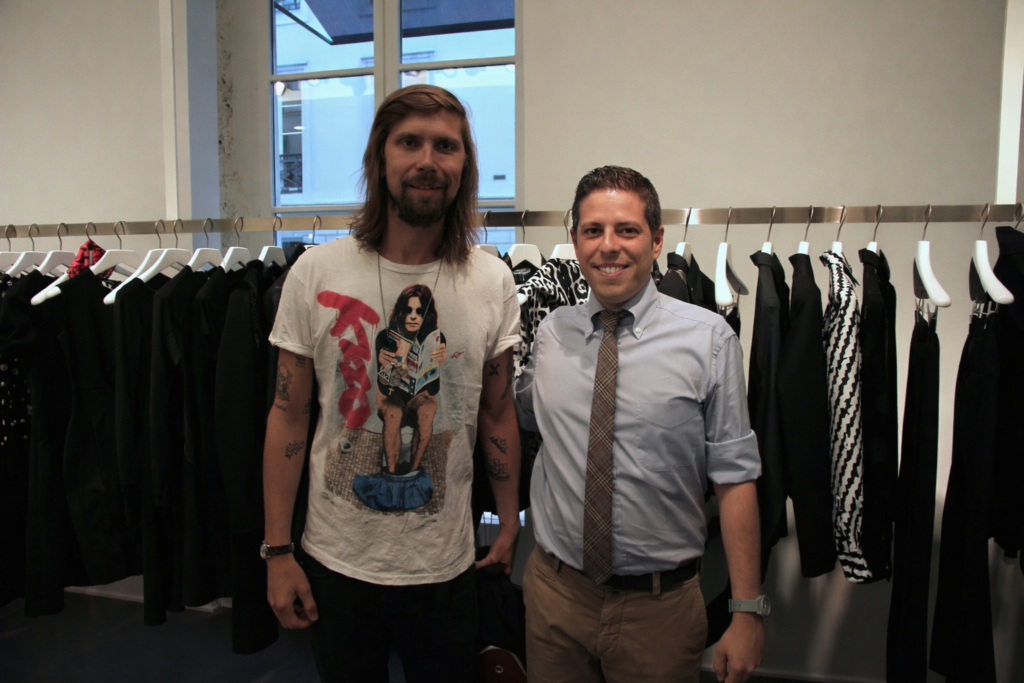
At the center of that network tonight, even if not officially, is Pedro Winter, also known as Busy P. Former manager of Daft Punk, founder of Ed Banger Records, and one of the key cultural connectors of Paris at the time. His gravity pulls together music, street culture, fashion, and art without effort. Around him orbit producers, DJs, graphic designers, label heads. Justice, Uffie, SebastiAn energy still lingers in the air. Even when not visible, that ecosystem is present.
Later, the night migrates.
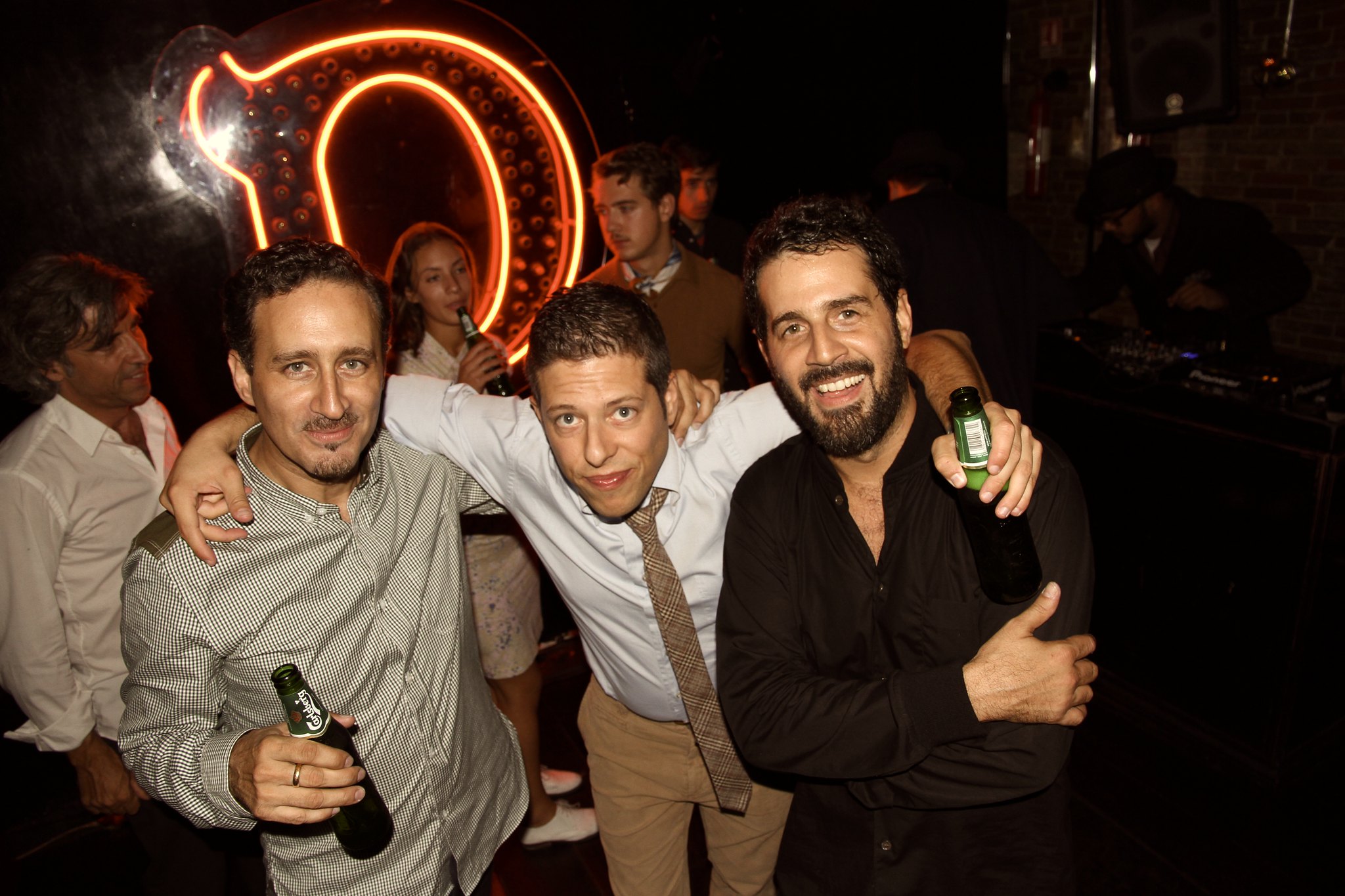
The afterparty unfolds at Le Pompom, one of those Parisian clubs that only really exists for a few years but defines an era. Dark, intimate, crowded in the right way. DJs blur genres. Electro, hip hop, experimental cuts. People from the opening now compressed into a tighter, louder space. Artists next to buyers, musicians next to curators, no hierarchy, just proximity.

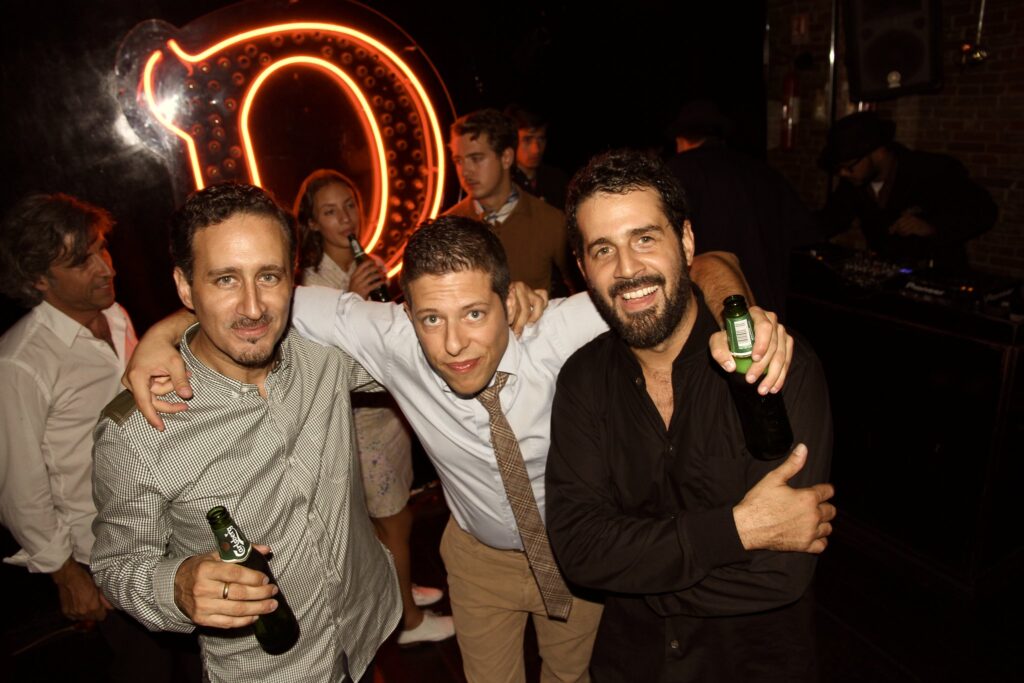

This is how exhibitions extend themselves in Paris when they are alive. Not as white cube conclusions, but as nights that keep mutating.
U.T.O.P.I.A. as a title feels accurate. Not a promise of a better world, but a temporary alignment. For a few hours, art, music, fashion, publishing, and nightlife operate as one organism. Colette acts as the host, the Parlá Brothers provide the signal, and the city completes the circuit.
Walking home, it is clear this was not just a show. It was a snapshot of a moment when Paris still felt like a central nervous system for global culture. Quietly influential. Perfectly connected.