March in Dubai has a particular density. Warm air, fine sand suspended everywhere, the smell of salt from the Gulf mixing with polished stone and construction dust. The city feels awake, recalibrating its posture after the shock of 2008.
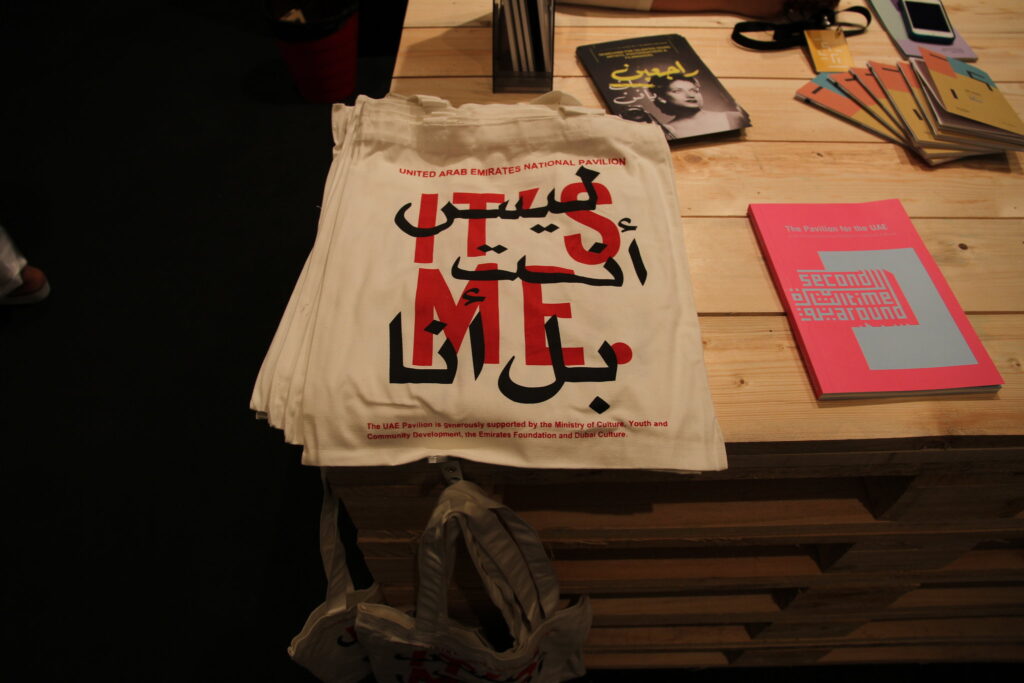
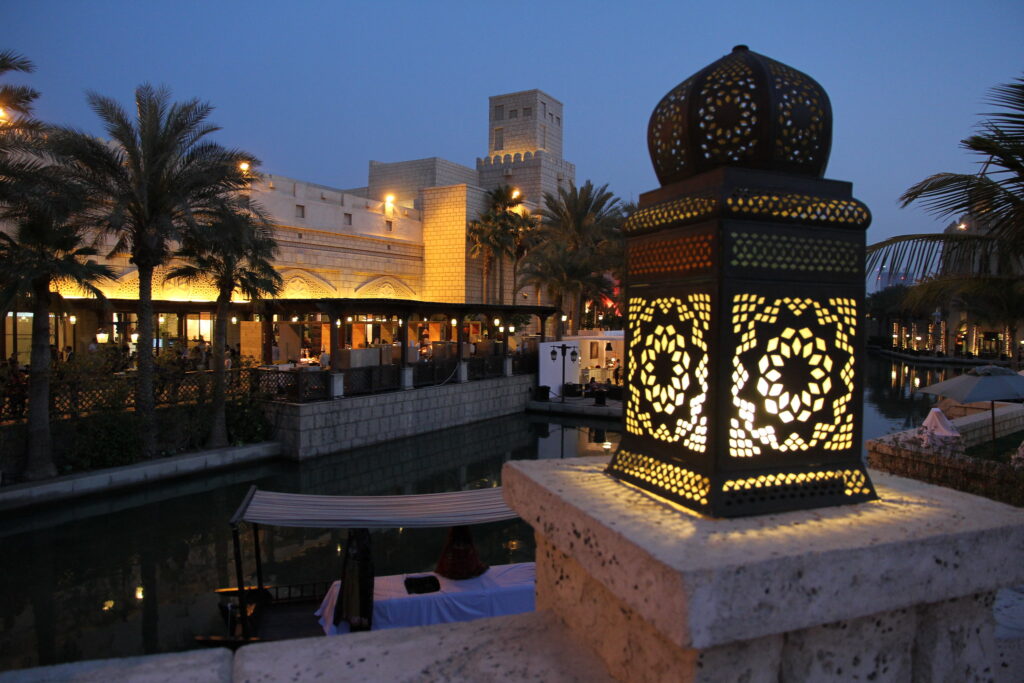
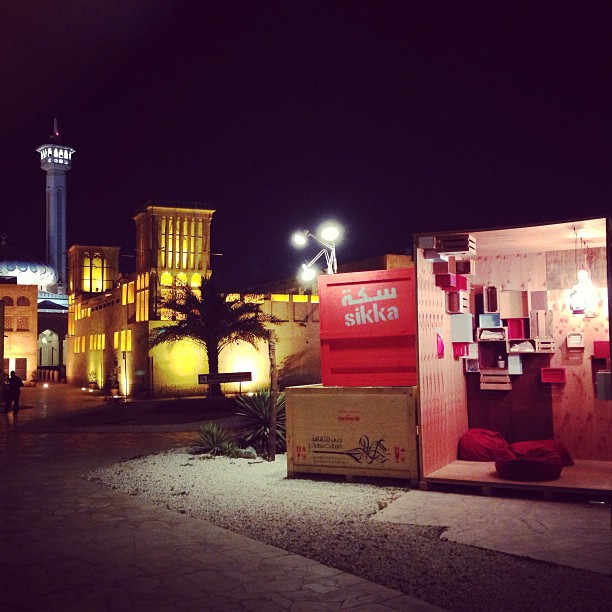
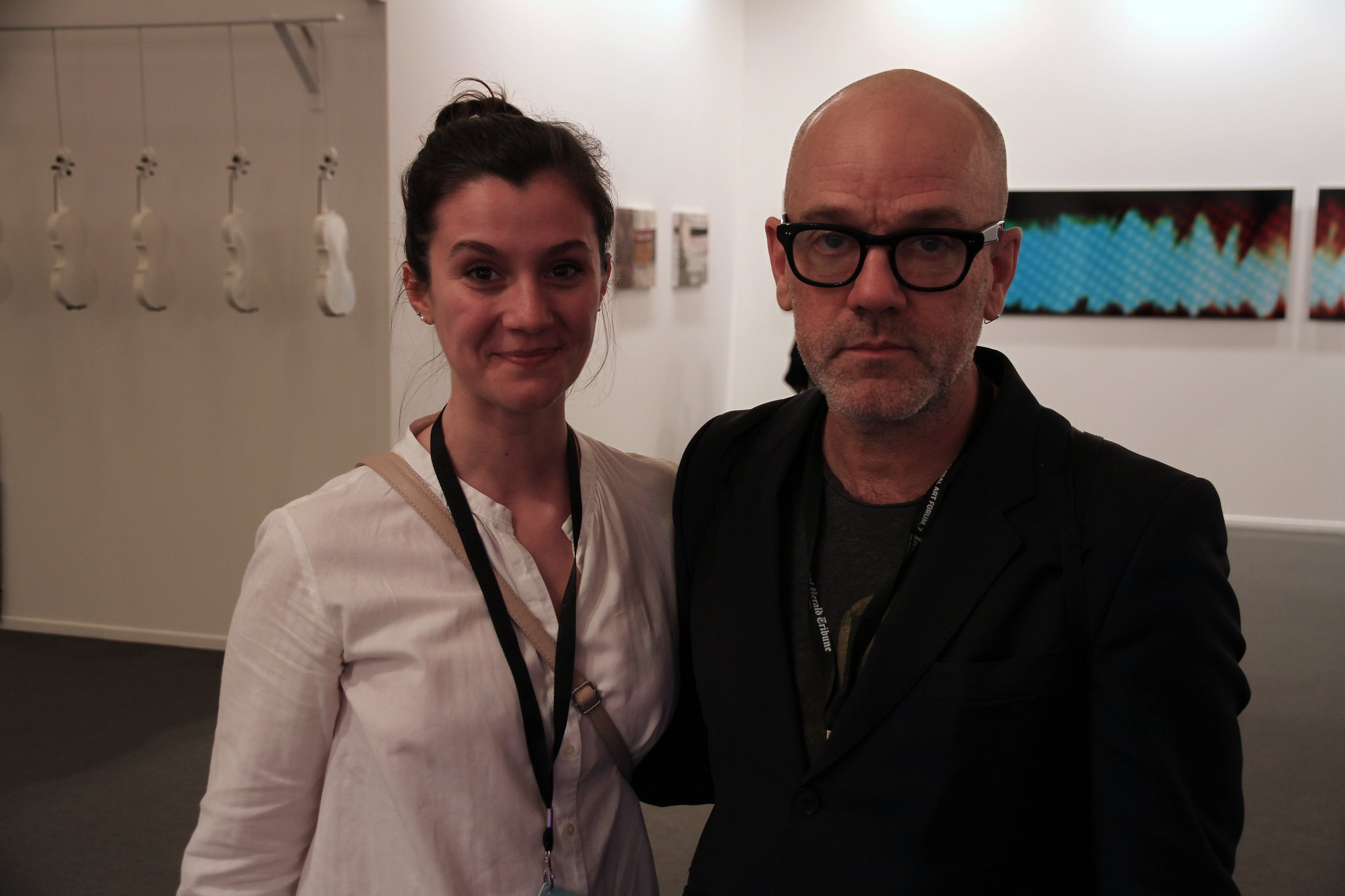
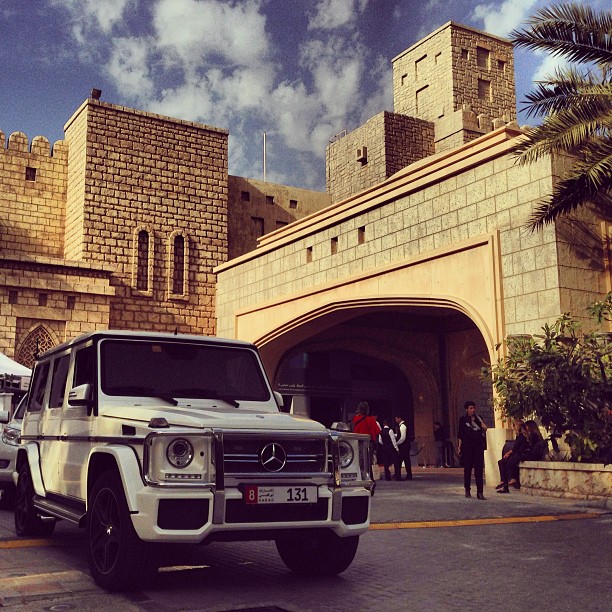
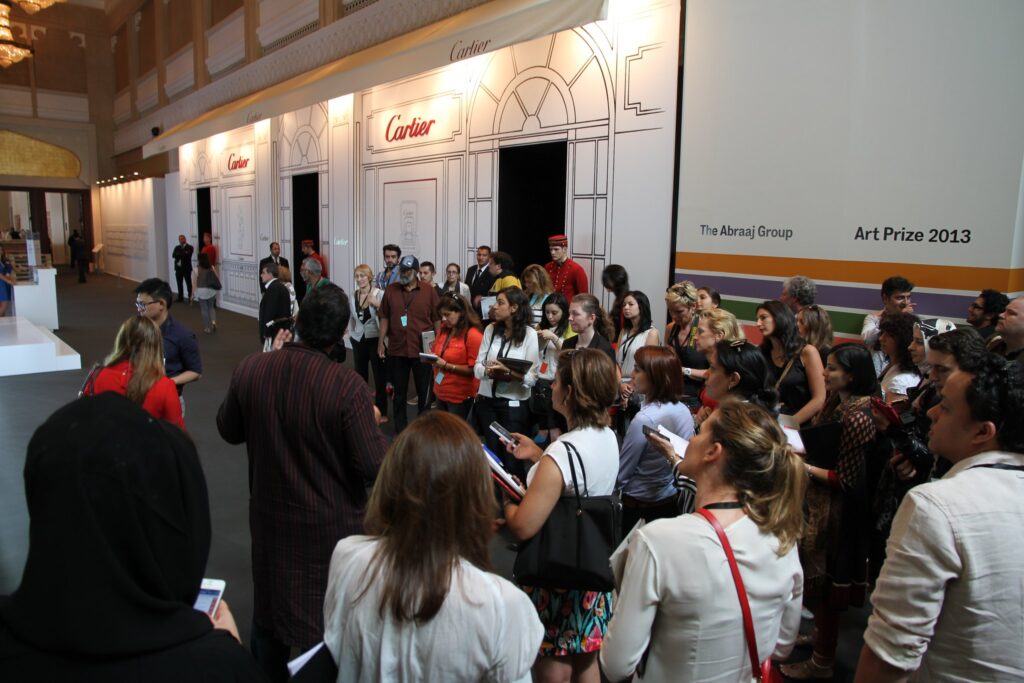
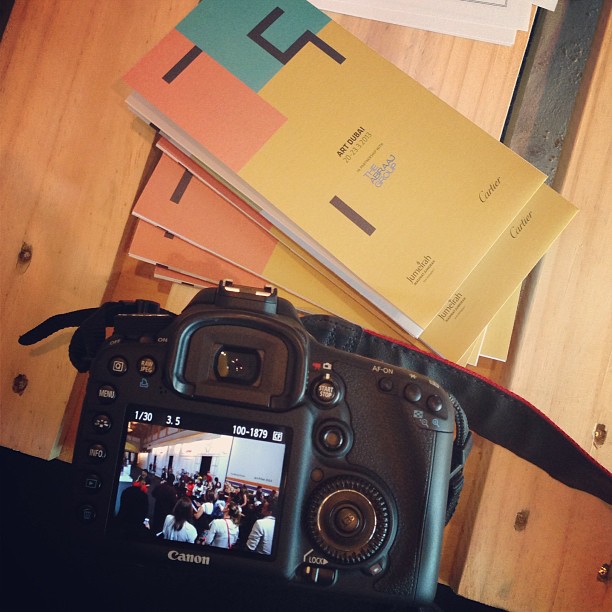
Art Dubai unfolds inside Madinat Jumeirah, a setting that deliberately collapses contrasts. Contemporary works framed by canals, wind towers, and sudden flashes of beach and open sea. Inside the fair, the rhythm is constant. Curators, collectors, artists, advisors, press. Languages overlap. Phones vibrate endlessly. Deals, ideas, and invitations circulate faster than schedules.
We are not only attending, but operating. A bespoke event organized for a client runs through the fair’s VIP bloodstream. Full access. Private rooms, back corridors, dinners that start structured and dissolve into spontaneous extensions of the day. Dubai’s network reveals itself quickly once trust is established. One introduction unlocks five more. Press follows naturally.
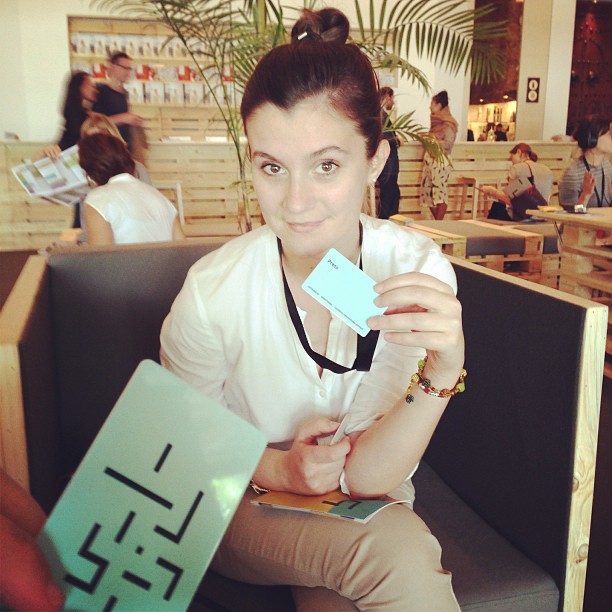
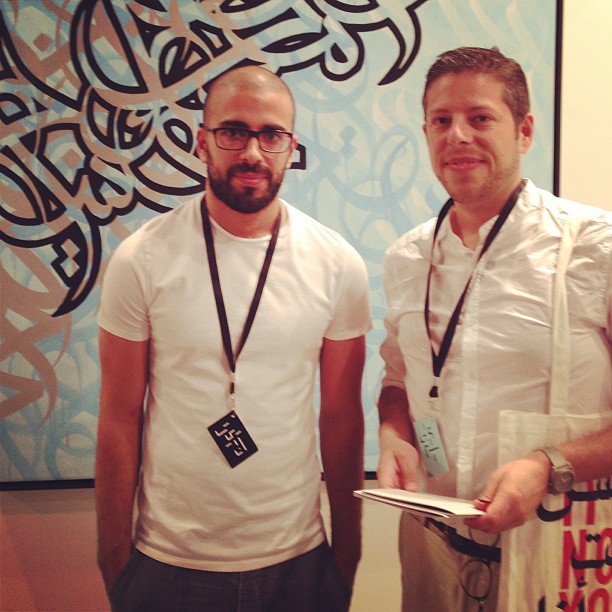
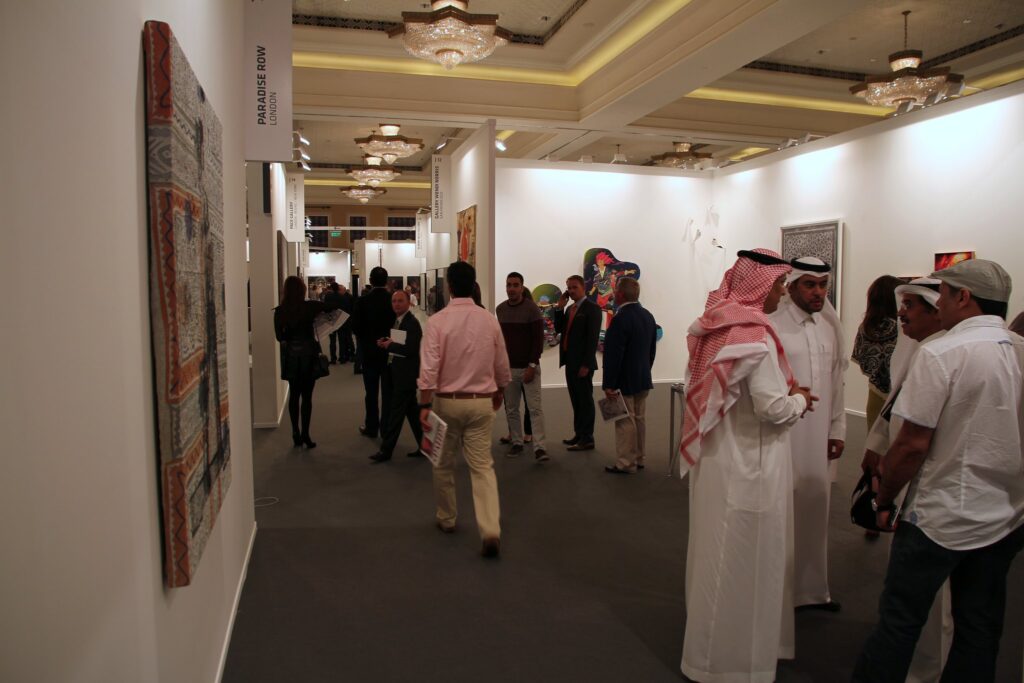
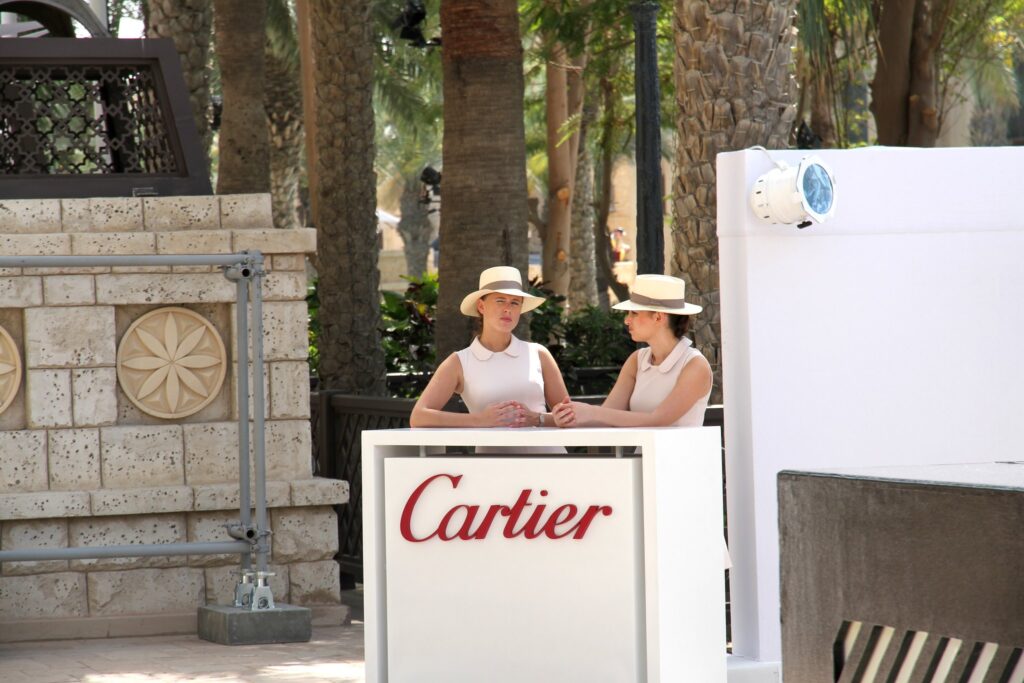

Artists are unusually present, alert. Many sense the same shift. Art Dubai is no longer peripheral. It is becoming a hinge between Europe, Asia, and Africa. Influence here moves laterally, not hierarchically.
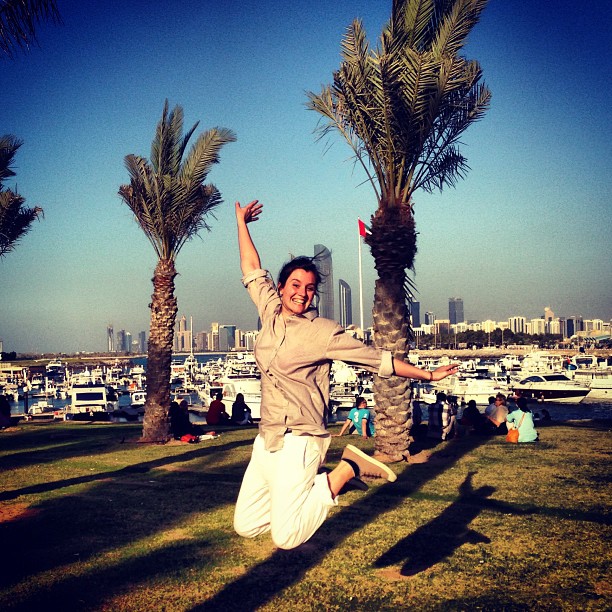
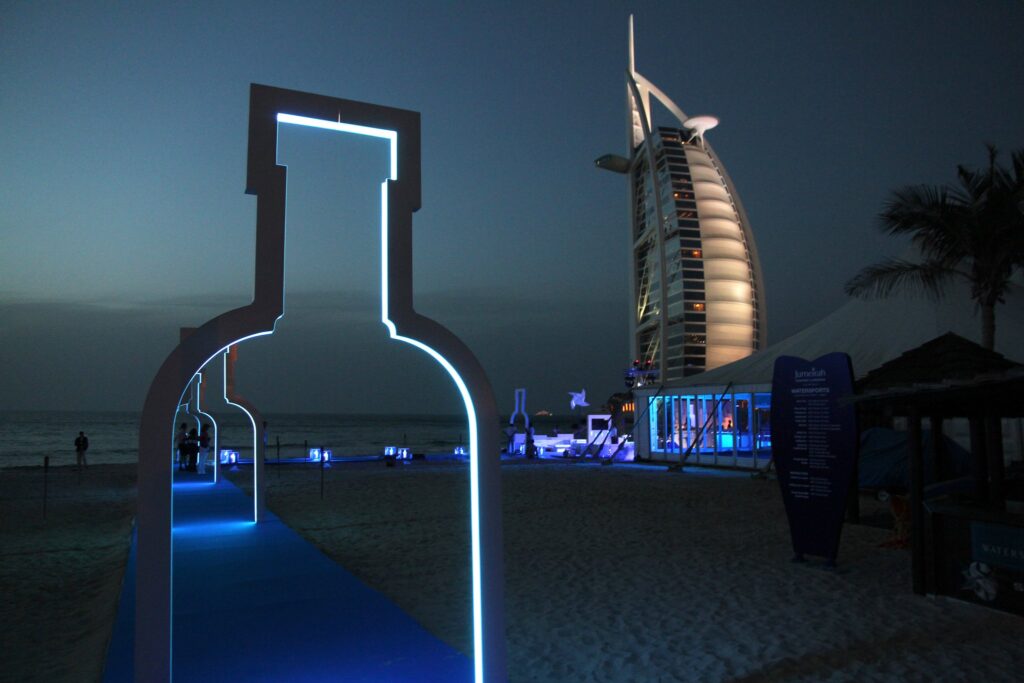
Outside, the beach interrupts everything. Heat on skin, water reflecting light, the Burj Al Arab cutting the horizon. The fair breathes with the city. Open, porous, exposed.
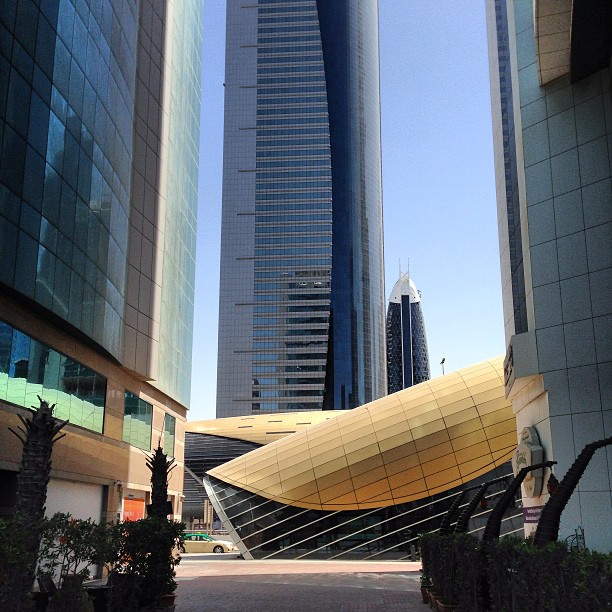
Parallel to the art world, infrastructure tells another story. We spend time analyzing the newly launched Dubai Metro, moving through stations and lines as part of a consultancy for a leading engineering group. The system is clean, precise, almost ceremonial. Stations feel like future monuments. Air-conditioned silence, polished surfaces, controlled flows. Mobility as soft power. Dubai is not only building vertically, but stitching itself horizontally.
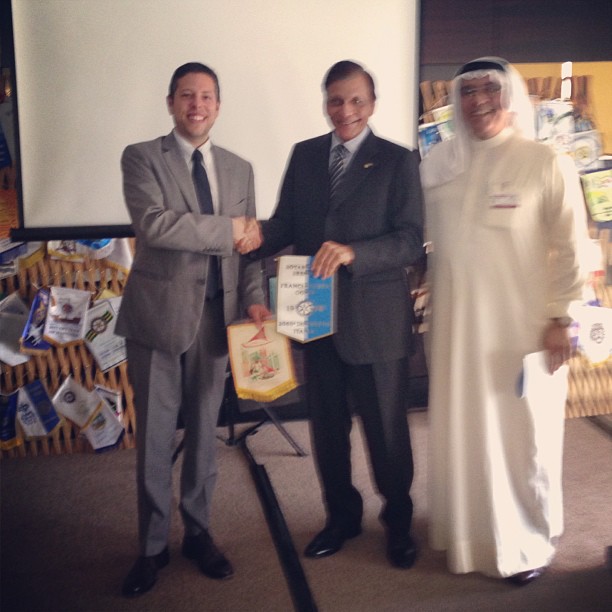
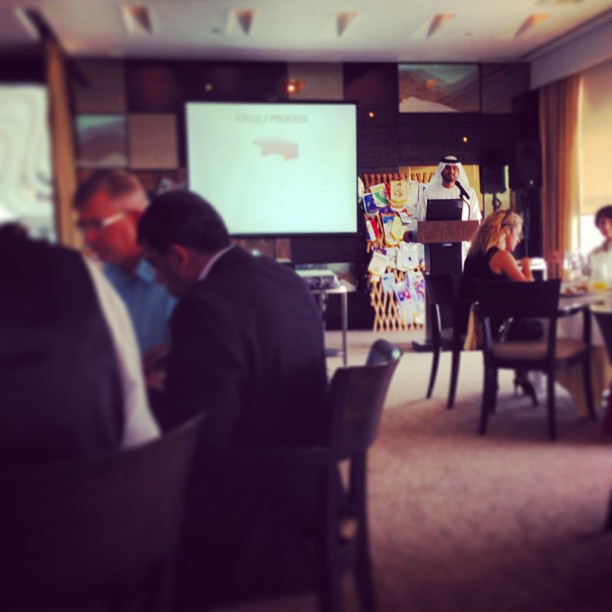
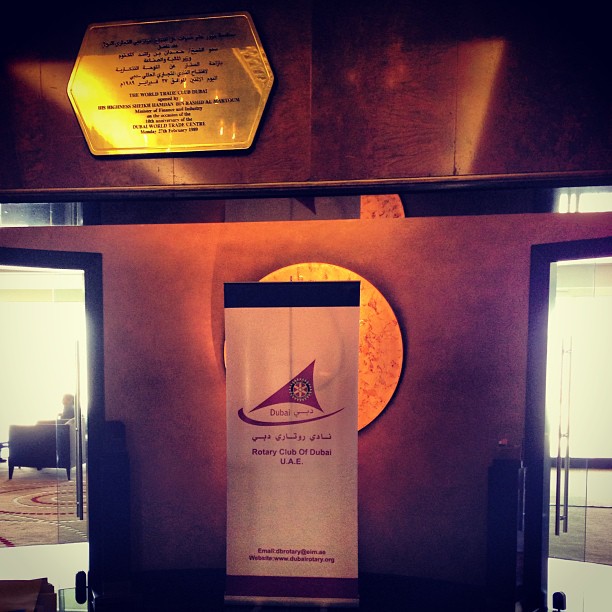
One evening leads to the Rotary Club of Dubai, hosted in what was once the tallest skyscraper in the city. By today’s standards, modest. Historically, essential. Inside, long-term residents, civic leaders, global professionals. A quieter layer of influence. Institutional memory anchoring a city often perceived as pure acceleration. It is my first direct encounter with Rotary in Dubai, and it reframes the place entirely.
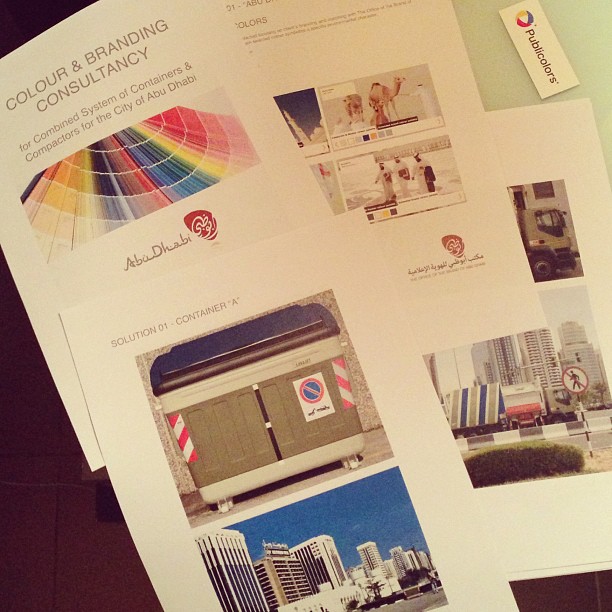
A few days later, Abu Dhabi. A consultancy with the city branding department reveals a different tempo. Strategic, deliberate, patient. Museums, cultural districts, long arcs of positioning. Abu Dhabi is not competing for immediacy. It is engineering legacy.
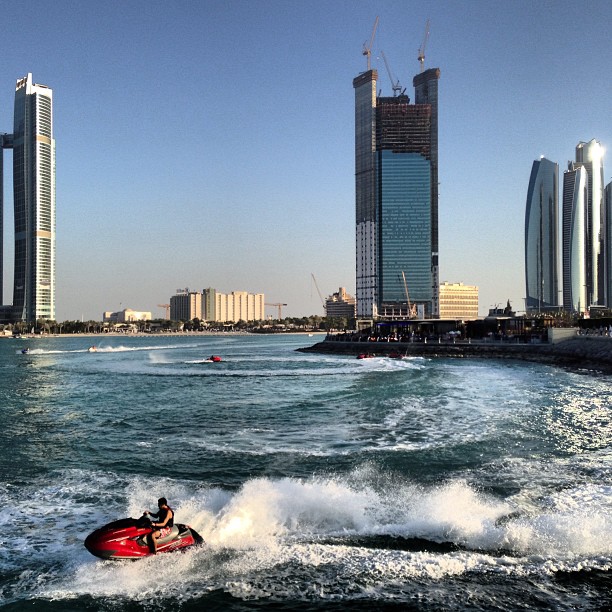
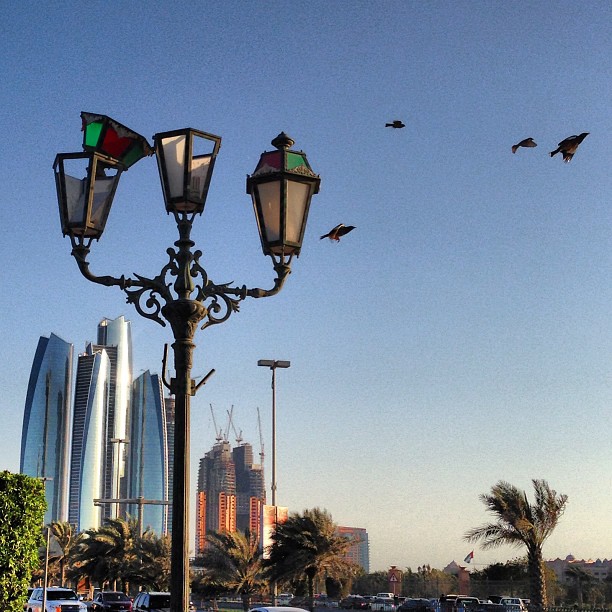
What unites both cities is upward motion. Cranes everywhere. Towers rising again after the silence that followed the financial collapse. The trauma is still recent, but fear has been replaced by intent. Dubai and Abu Dhabi are rebuilding not just height, but credibility.
Art Dubai 2013 feels like a threshold. A moment when the city stops explaining itself and starts inviting the world inside.