
Imagine if your health tracking data belonged only to you.
You bought the sensor. You wore it through the workout, the sleepless night, the stressful week. Your body generated every signal.
Then you opened an app and discovered the arrangement: the hardware was yours, but understanding yourself could require a continuing payment—and your most intimate measurements could live inside somebody else’s infrastructure.
We have become remarkably comfortable with this bargain.
Perhaps we should become uncomfortable again.
Imagine a health tracker that sends its measurements directly to your phone. Your history stays there. The intelligence runs there. Sharing happens because you choose it. Cancel a service, change a device, or lose your internet connection, and your personal history remains useful.
That should be an ordinary product requirement.
Instead, it is a market opportunity.
Twelve ecosystems. One question: who controls the data?
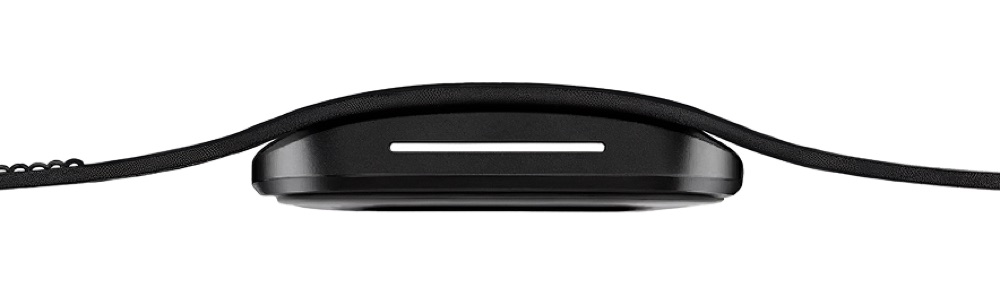
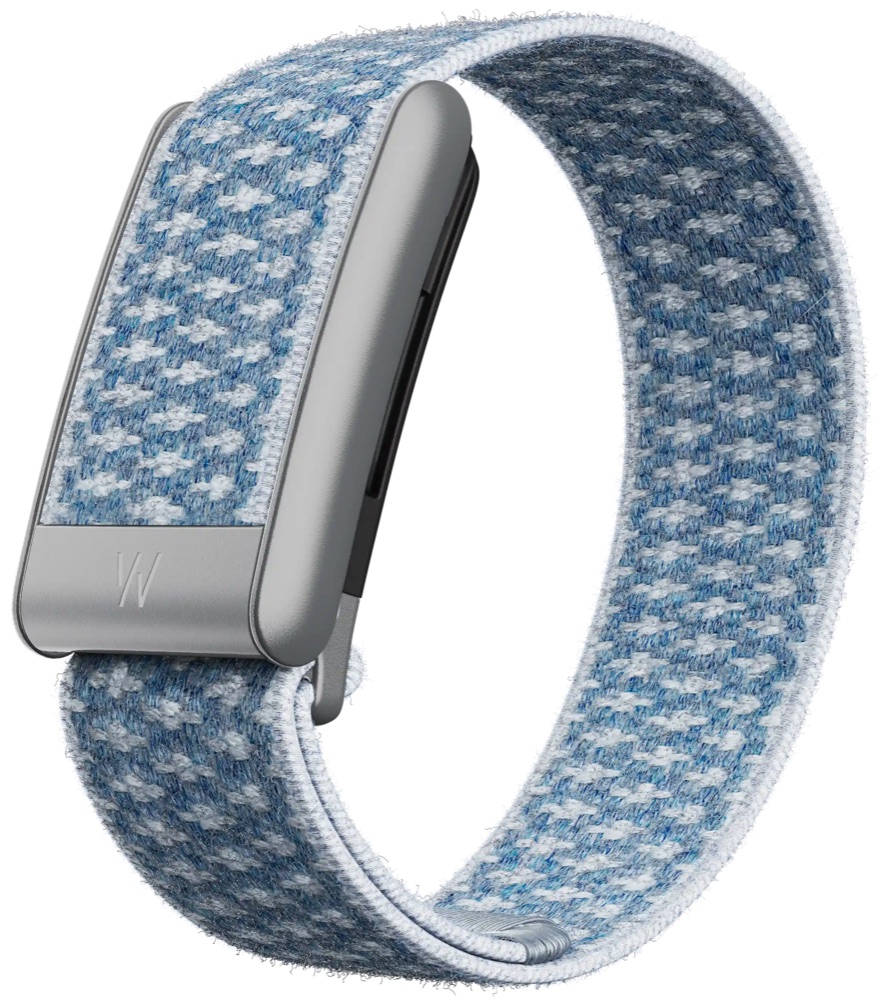
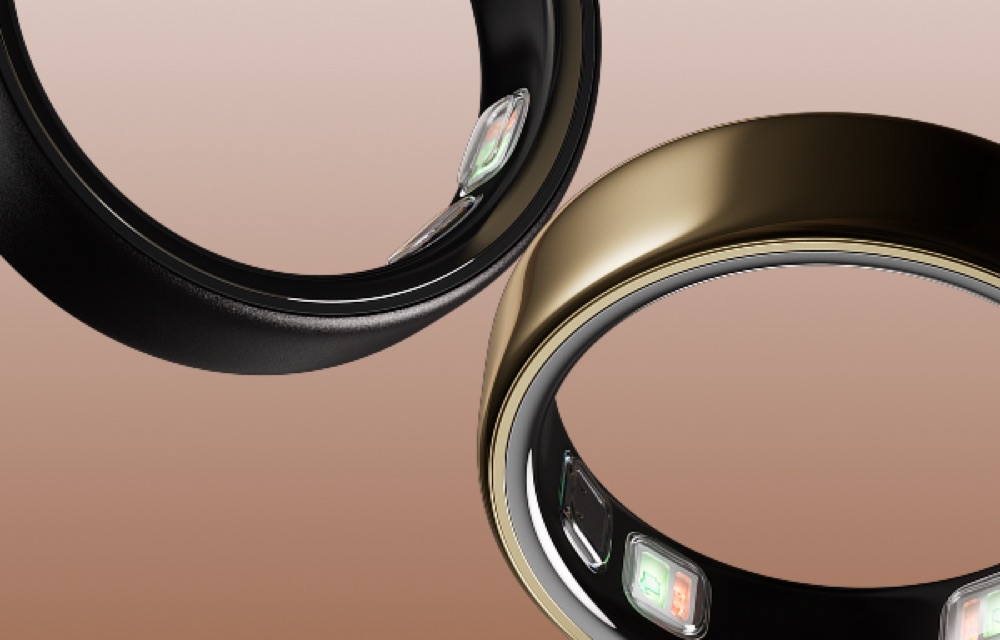
Representative products from the brands compared below. Images are not shown to scale.
Official image source
Official image source
Official image source
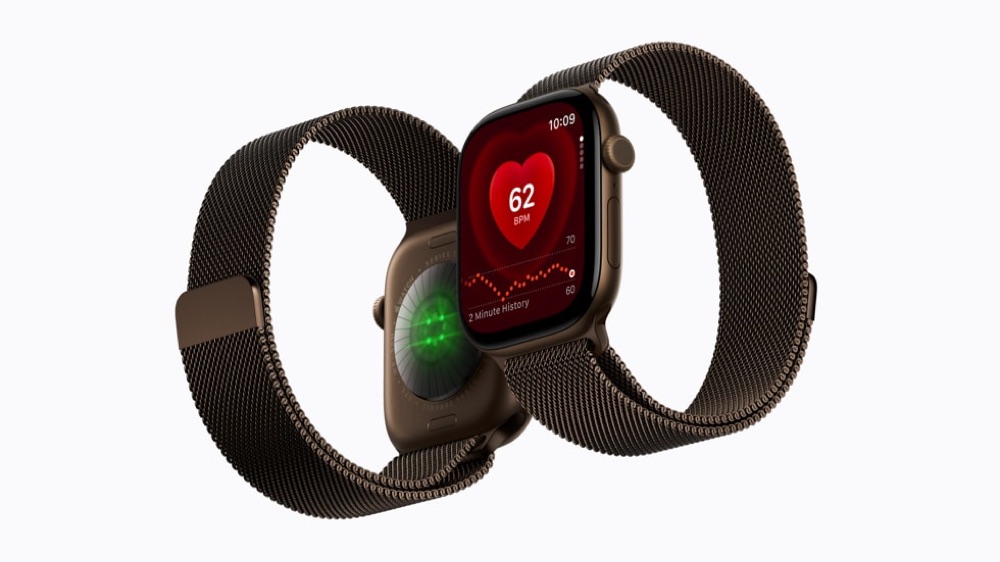
Official image source
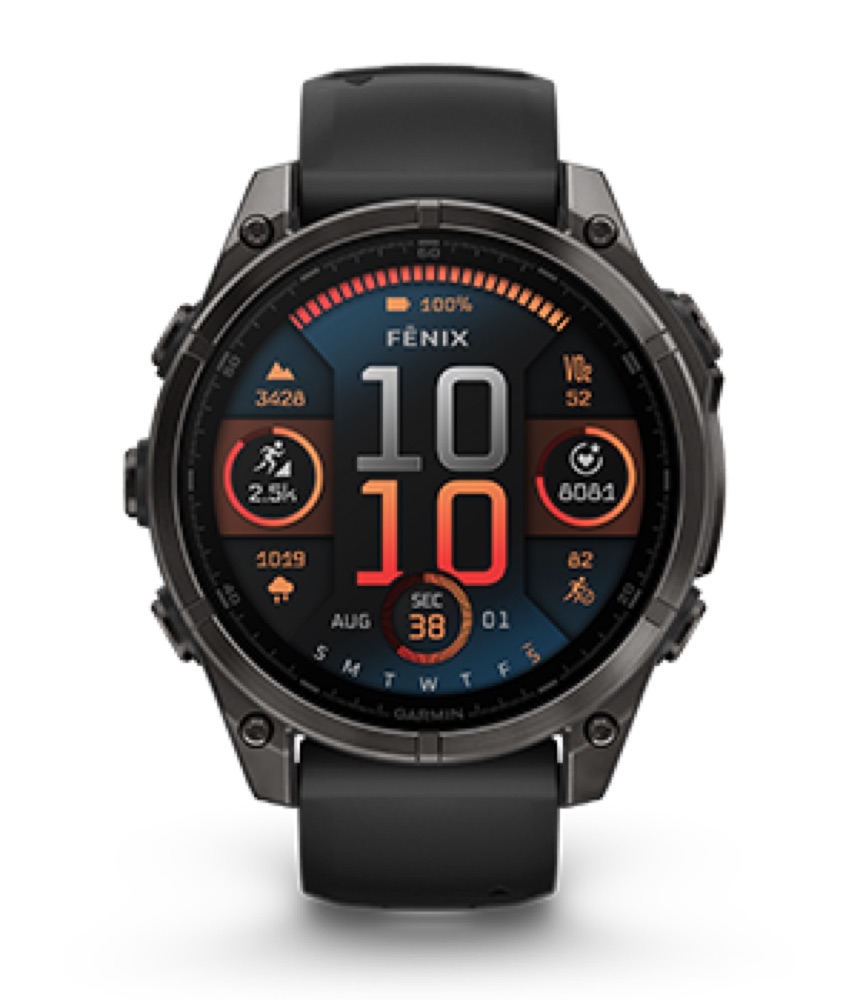
Official image source
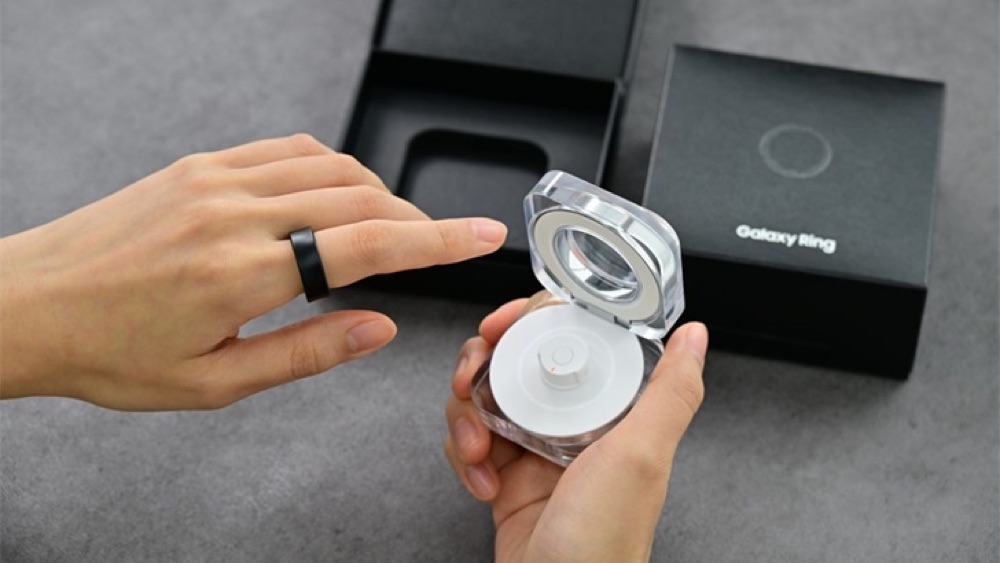
Official image source
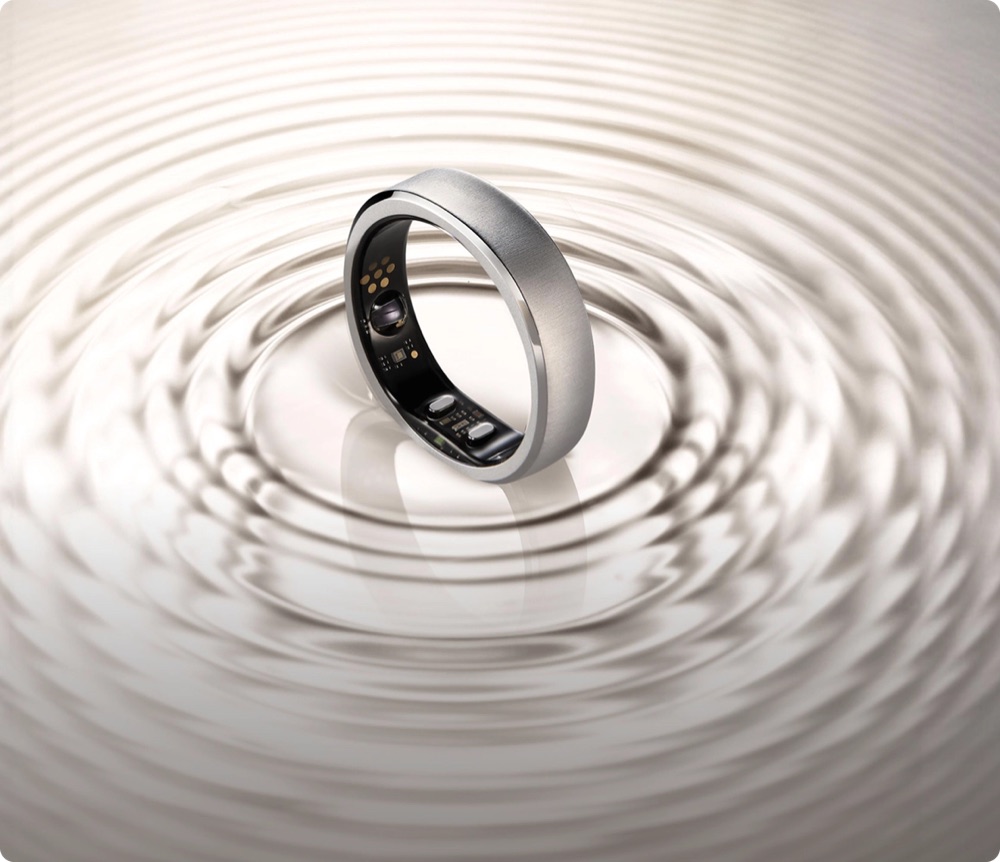
Official image source
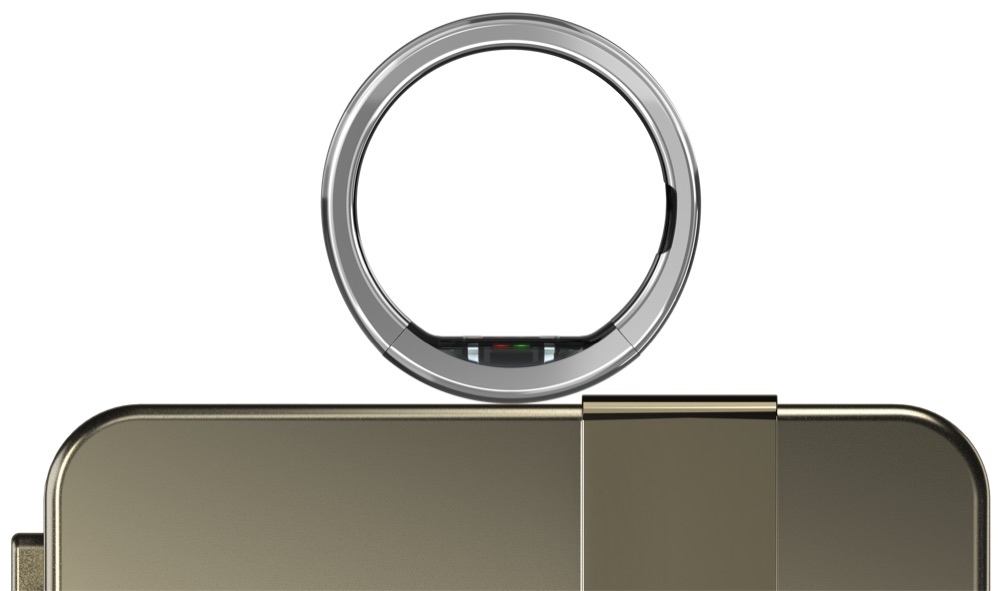
Official image source
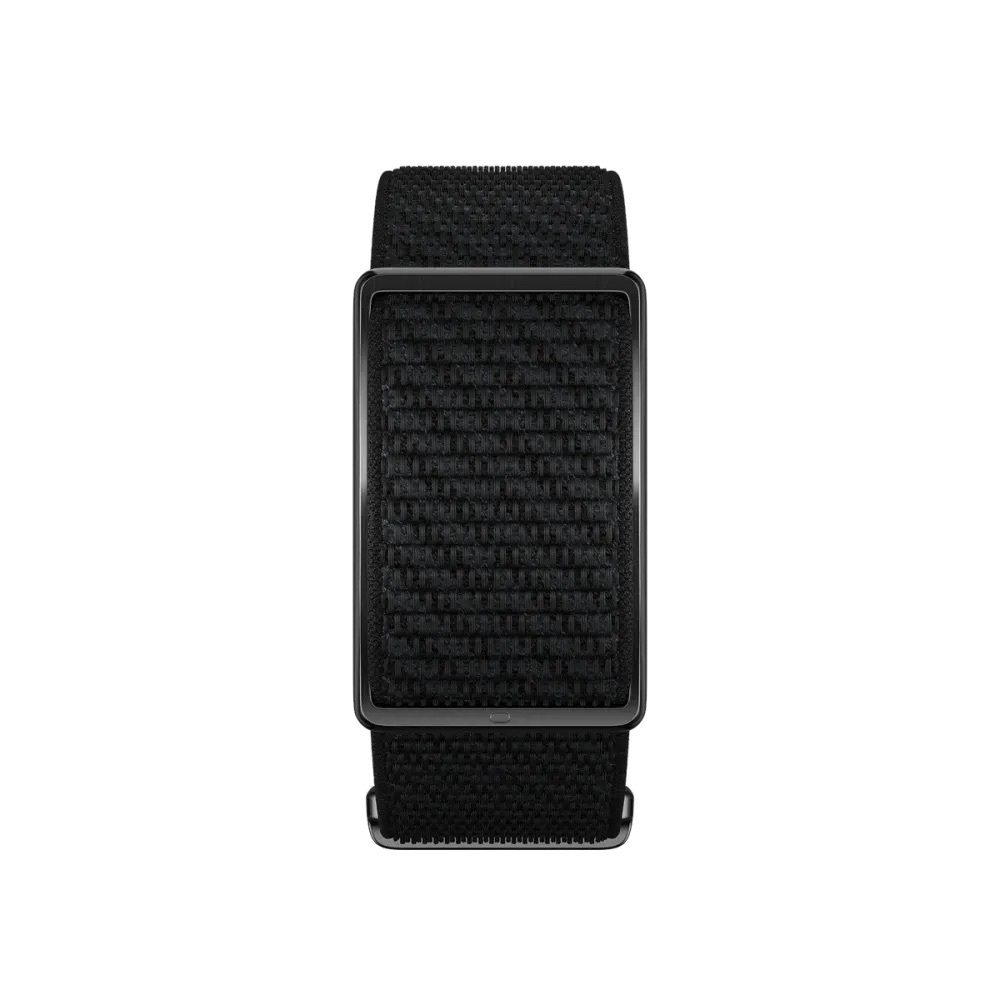
Official image source
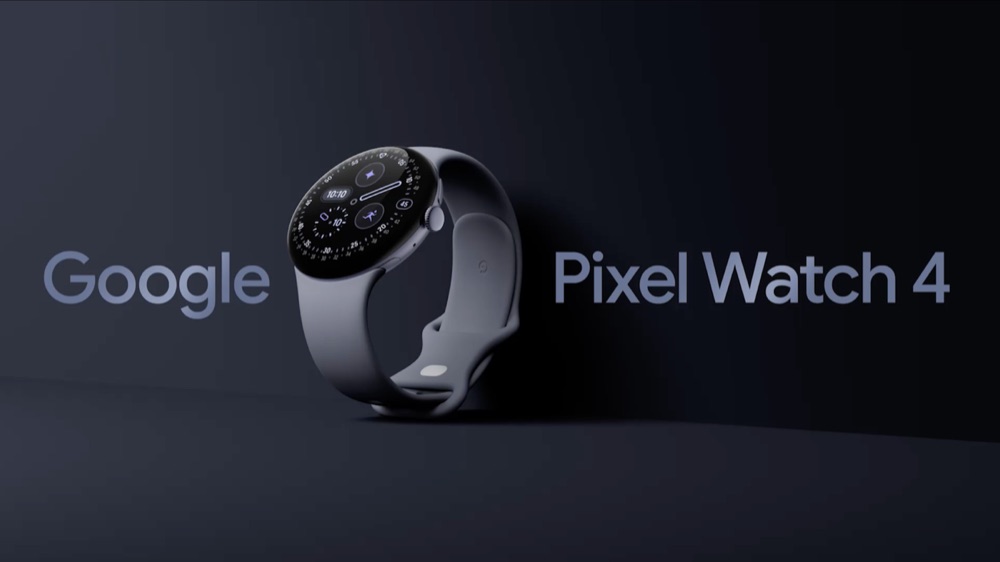
Official image source
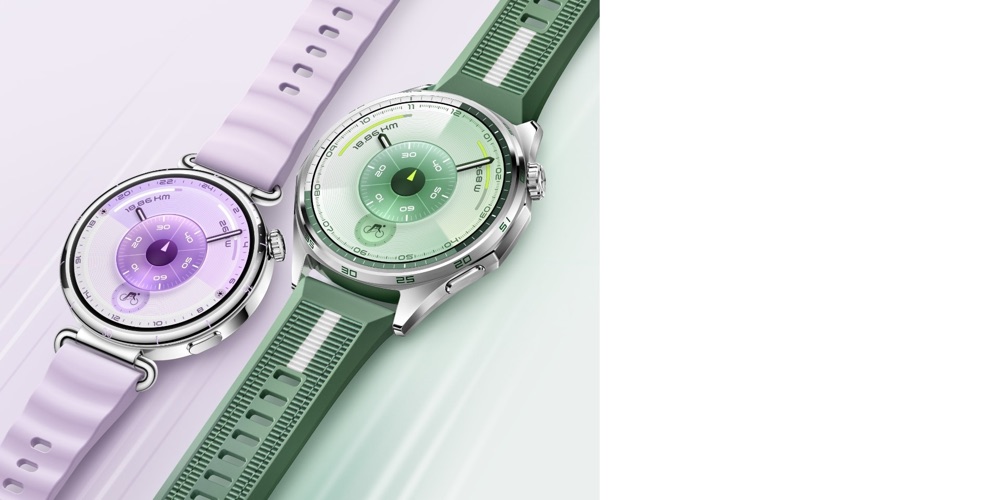
Official image source
Official image source
First, who actually charges you?
The wearable market contains several different business models. A required membership, an optional coaching subscription, and a subscription-free device are different propositions. Treating them as interchangeable makes the debate louder and less useful.
Here is a practical comparison of twelve major options.
Pricing checked on 22 November 2026. USD unless stated otherwise; regional pricing, taxes, trials, bundles, and feature availability vary. These are service fees, not hardware prices. “No required subscription” refers to ordinary health tracking; it does not promise every optional service is free.
| Wearable or ecosystem | Recurring fee required? | Published service pricing | What that means |
|---|---|---|---|
| WHOOP | Yes, a paid membership is central to the product. | US annual plans: One $199, Peak $239, Life $359; hardware included. | Usually an annual commitment, rather than an unrestricted monthly signup. Different tiers unlock different capabilities. [1] |
| Oura Ring, Gen3 and newer | For detailed insights, yes. Limited use remains without membership. | $5.99/month or $69.99/year in the US; €5.99/month or €69.99/year in the EU. | Without membership, the app mainly shows three daily scores and basic information. Personal data can still be exported. Gen2 is an exception. [2] |
| Hume Band | No for the band’s core experience. | Optional Hume Premium starts at $8.99/month. | Hume advertises access without a subscription; deeper AI analysis and coaching are paid extras. [3] |
| Apple Watch | No for built-in health and activity tracking. | Optional Fitness+ $9.99/month or $79.99/year. | Fitness+ supplies workouts and related content. A cellular plan and third-party apps are separate purchases. [4] |
| Garmin watches and standard Garmin Connect | No for standard tracking and existing Connect features. | Optional Connect+ $6.99/month or $69.99/year. | Garmin introduced a premium tier while stating that existing Connect features and data would remain free. [5] |
| Samsung Galaxy Ring | No required subscription for ring data in Samsung Health. | $0 required recurring fee for that access. | Samsung explicitly advertises access to Galaxy Ring data without a subscription charge. [6] |
| RingConn | No required subscription. | $0 required recurring fee for its advertised tracking experience. | Sleep, stress, recovery, trends, and reports are marketed without a subscription. [7] |
| Ultrahuman rings | No for core ring data. | Optional paid PowerPlugs; pricing varies by feature and region. | Core access and premium add-ons coexist. “Subscription-free” does not mean the entire add-on catalogue is free. [8] |
| Polar Loop | No required subscription. | $0 required recurring fee for Loop and its Flow companion experience. | Polar markets a one-time hardware purchase with all Loop features available without a membership. [9] |
| Fitbit / Google Pixel Watch | No for basic tracking; premium coaching is optional. | Google Health Premium: $9.99/month or $99/year. | Fitbit Premium became Google Health Premium in May 2026. Eligible Google AI Pro and Ultra subscriptions include it at no extra charge. [10] |
| Huawei watches and bands | No for ordinary health and fitness tracking. | Optional HUAWEI Health+, with regional pricing; European offers include €7.99/month or €59.99/year. | Health+ adds content such as workouts, yoga, meditation, and sleep music. Check the local app for billing terms and availability. [27] |
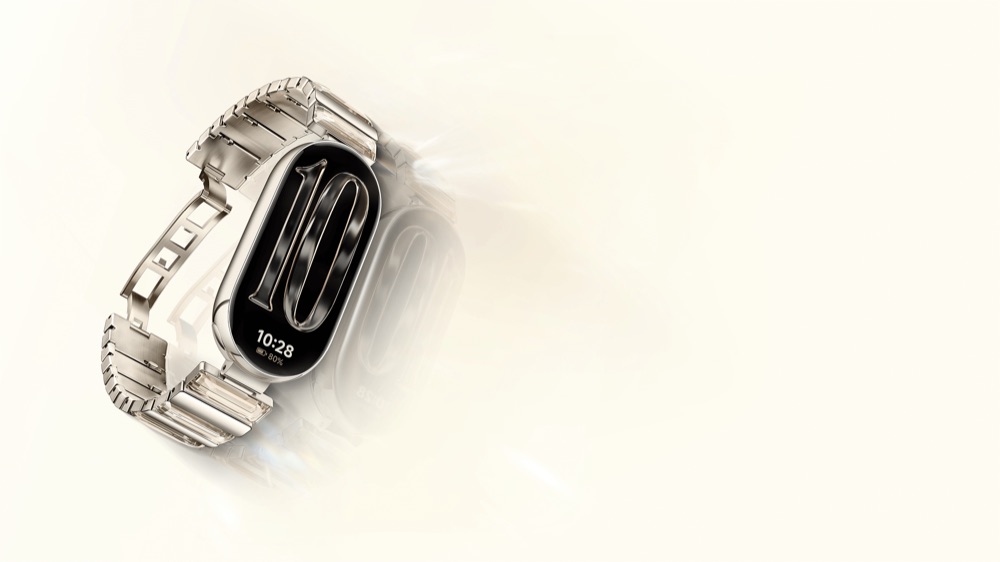
| Xiaomi Smart Band / Mi Fitness | No for core Smart Band tracking. | $0 required recurring fee for core tracking. | Mi Fitness is free to use for the advertised tracking experience. Optional purchases exist; some other Redmi products charge for AI extras. A free core does not mean every Xiaomi service is free. [28] |
WHOOP also publishes monthly renewal options of $25, $30, and $40 for One, Peak, and Life, respectively, but says these are available only in select circumstances after the initial commitment. Annual prices divided by twelve are not the same thing as a freely cancellable monthly plan. [1]
Subscriptions can fund useful work: better algorithms, software maintenance, customer support, and new services. Charging for those services is legitimate.
But access to a record of your own body deserves a harder question: what continues working when you stop paying?
And the absence of a bill raises another question: where did your data go?
A free app can still have a cloud dependency
RingConn makes the distinction unusually clear: it advertises no subscription, while its privacy materials say data is processed and stored in RingConn Cloud infrastructure. Both statements can be true. [7][11]
Hume advertises subscription-free access and says it never sells your data. Its marketing also describes server storage, and its terms permit certain uses and retention of de-identified wellness data. Those are different commitments from keeping all measurements exclusively on your devices. [3][12]
Oura says it does not sell or rent personal information. Its policy also describes cloud processors, global servers, and uses of personal data to develop and improve its own AI features. WHOOP says it does not sell personal data; its Coach uses a third-party AI provider under stated de-identification and zero-retention/zero-training protections. [13][14]
Those protections matter. They also illustrate why “we don’t sell your data” cannot answer every privacy question.
A company may protect information conscientiously while still collecting it, processing it, relying on service providers, or retaining it for specified purposes.
The question is how much access the product requires us to grant in the first place.
Which options offer the strongest privacy foundations?
My assessment here concerns architecture and documented controls. It is not an independent security audit or a ranking of sensor accuracy.
Apple Watch paired with Apple Health offers one of the strongest documented mainstream starting points. Apple describes encrypted Health storage and end-to-end encryption for supported iCloud Health data when the required software and account protections are enabled. Under those conditions, Apple says it cannot read that Health data. Users can also stop Health syncing and remove Health data from iCloud. Permissions granted to other apps still matter. [15]
Samsung deserves more credit than an outdated comparison would give it. Its current Samsung Cloud documentation lists Samsung Health among the sync categories covered by Enhanced Data Protection. Samsung says this uses end-to-end encryption that prevents even Samsung from accessing the protected content. Availability depends on the device, software, region, and settings. This should not be stretched into a claim that every Samsung Health feature or data flow has identical protection. [16]
Huawei and Xiaomi also document meaningful local-storage controls. Huawei’s support guidance says tracking data remains local when its cloud-sync switches are disabled, and warns that uninstalling the app or changing devices can then lose that history. Xiaomi’s privacy white paper says disabling Mi Fitness cloud sync stops workout and fitness data uploads. These are relevant options for privacy-conscious buyers. Neither statement proves that account setup, diagnostics, every integration, and all optional features operate without server contact; behaviour should be checked for the specific app, device, and region. [29][30]
Garmin and Polar offer alternatives to mandatory membership, but their ordinary companion ecosystems are not exclusively local. Garmin Connect’s policy describes collection and storage of activity and heart-rate information. Polar’s standard Loop setup requires a Polar account and the Flow app. Subscription freedom and infrastructure independence remain separate issues. [17][18]
Among subscription-free rings, price alone cannot establish a privacy winner. RingConn discloses cloud processing. Ultrahuman promises not to sell data, while its policy describes third-party storage and international transfers. That does not establish wrongdoing; it establishes that neither promise is equivalent to exclusive local custody. [11][19]
Google likewise says Fitbit health and wellness data is not used for Google Ads, and offers export and deletion controls. Those are meaningful commitments within a service that also describes transmitting data to its servers. [20]
For users willing to accept compatibility and usability trade-offs, Gadgetbridge shows that a more local approach already exists. Its core Android app does not request internet permission; an optional Internet Helper adds selected connected capabilities. Support varies by device, and some functions may still require vendor software. [21]
My preference would follow a clear order: minimize collection first, restrict access through cryptography second, and then evaluate contractual promises and controls. A privacy claim becomes more persuasive when the product can demonstrate that the provider does not possess readable health records.
Privacy is only half the promise
There is another word this category needs to take seriously: integrity.
A measurement, a processed metric, and an AI interpretation are different things.
An exported heart-rate series is not necessarily the original optical sensor waveform. A readiness score is a model’s interpretation. A confident sentence from an AI assistant is another layer again.
A product that promises ownership should preserve those distinctions. It should record where a measurement came from, when it was captured, which algorithm produced a score, and whether a record was edited. A software update should not quietly make yesterday’s interpretation look like an unchanged fact.
Local storage helps reduce outside exposure. It does not automatically make a measurement accurate, a database tamper-proof, or an AI answer reliable.
The goal should be information we can control and inspect.
Tether QVAC makes this argument concrete
Tether’s QVAC Health brings this vision into an actual app.
Tether announced QVAC Health in December 2025 as a wellness hub combining data from multiple sources with an encrypted, offline-capable dashboard and on-device AI. Its published features include natural-language logging, medication records, and experimental meal-photo analysis. The broader QVAC initiative centres on running intelligence locally. [22]
The current app listings describe local AI processing. The Android listing supports importing supported data through Health Connect. Apple’s release history lists Bluetooth support for Polar H10, Polar Loop, and Bangle.js, plus experimental Pebble support. It also records removal of the Oura OAuth integration. Compatibility is specific and evolving. [23][24]
That distinction matters because the data journey determines the privacy outcome.
If a ring first uploads your measurements to its manufacturer, importing a copy into a local app does not erase that earlier upload.
A private dashboard can protect the analysis it performs. It cannot retroactively make the collection process private.
Direct connections to supported sensors could remove a cloud dependency from parts of that journey. They do not, by themselves, prove that every measurement, setup step, or parallel vendor sync is local.
QVAC is therefore an important example of the direction this market can take. It is an app, not evidence that Tether has launched a universally compatible private ring or watch.
Tether must also meet the standard it invites us to demand. Store privacy labels are developer declarations, not independent audits. Its published privacy materials contain broad provisions concerning personal information and need to be read alongside its local-processing claims. Before treating any product as the privacy winner, I would want independent technical verification, clear backup behaviour, and precise documentation of which connections bypass vendor servers. [24][25]
The opportunity is bigger than choosing a new company to trust.
It is building a product that requires less trust.
The product we should demand
We do not need to pretend local alternatives have never existed. We need to make their strongest principles convenient enough for ordinary buyers.
The missing mainstream proposition is a complete experience: reliable hardware, direct communication, useful local analysis, durable records, and simple recovery—without making a manufacturer’s readable cloud database the compulsory centre.
Its basic requirements should be straightforward:
- Useful without a vendor account. Setup, tracking, history, and essential insights should work without mandatory cloud registration.
- Direct, documented connections. Measurements should reach the user’s device through authenticated, encrypted links, with clear disclosure of which metrics are available.
- Local storage and analysis by default. Personal measurements, notes, scores, and AI prompts should remain on user-controlled devices unless sharing is explicitly enabled.
- Portable, inspectable records. Export should include available measurements, timestamps, units, provenance, and algorithm versions in documented formats.
- Optional encrypted recovery. Users should be able to make backups whose keys the provider does not hold, with recovery designed for people who lose phones.
- A credible lifespan. Security updates, maintainable software, and continued access to existing records should survive a cancelled service or discontinued device.
Keeping everything on a phone without a recovery plan would exchange one dependency for another vulnerability. Strong local products need theft protection, secure updates, and usable backups.
Selective sharing should remain possible. Someone may want to send a week of measurements to a clinician or contribute to research. The product should make that an informed choice and explain that a recipient may retain a copy after sharing ends.
Sovereignty should feel like a useful product, not a second job.
Why this could become a huge market
The opportunity rests on three forces converging.
First, the market already has scale. IDC reports approximately 148 million wearable shipments in the second quarter of 2026. Smartwatches and wristbands together represented 32.4%—roughly 48 million units in one quarter. IDC also forecasts 18.5% growth for rings in 2026. The broader wearable total includes substantial earwear sales, so it would be misleading to call every shipment a health tracker or every buyer a privacy customer. [26]
Even a segment of that existing demand could support a substantial business.
Second, personal AI raises the stakes of aggregation. A sleep record is useful. Combine it with workouts, symptoms, meals, medications, and reproductive-health information, and you create a far more revealing history. The same integration that could improve personal understanding also makes control over access more consequential.
My thesis is that users will increasingly want the benefit of that combined picture while retaining custody of it.
Third, privacy can support a business model with clear incentives. Hardware margins, paid software upgrades, accessories, support, and optional services can generate revenue without requiring the provider to accumulate readable health histories.
Recurring revenue can still exist. The boundary should be explicit: paying for an additional service should not determine whether yesterday’s measurements remain accessible.
For scale, consider an illustration—not a forecast. One million customers buying a $249 device would produce $249 million in hardware revenue before costs, returns, taxes, or distribution. The arithmetic establishes commercial potential; it does not establish demand or profitability.
The difficult work is earning those customers. Battery life, comfort, sensor performance, cost, and ease of use will still decide whether people keep wearing the device. Privacy must arrive with a competitive everyday experience.
Incumbents can also improve. Apple and Samsung document stronger encryption controls, while Huawei and Xiaomi document options to keep tracking data local. A newcomer must deliver an advantage people can understand and verify: useful offline operation, simpler privacy settings, safer recovery, and a complete experience without compulsory cloud custody.
That is why the opportunity is compelling: a product can compete on what it enables users to understand about themselves, and on how little the manufacturer needs to learn about them.
Imagine the purchase working differently
Imagine buying a ring and receiving a simple explanation:
Your measurements go to your phone. Your history remains accessible. Your assistant runs locally. Your backup is optional and encrypted. You choose what to share.
Imagine changing brands without abandoning years of personal context.
Imagine a company competing to deserve your next purchase while leaving you free to leave.
Tether QVAC Health, existing local tools, and stronger protections from established manufacturers all point toward parts of that future. The next opportunity is to bring those parts together into an experience that works from sensor to insight.
Your heartbeat should never need a landlord.
The next great wearable could be the one whose maker knows the least about you.
Sources
Product, support, policy, app-store, and market-research pages, plus a secondary report on Huawei pricing, consulted on 22 November 2026. Product claims are attributed to their publishers; the privacy assessment and market thesis are editorial judgments.
- WHOOP — Membership Pricing
- Oura — Membership, pricing, limitations, and export
- Hume — Subscription-free band and optional Premium
- Apple — Apple Watch health and fitness features; current Fitness+ pricing
- Garmin — Connect+ launch, prices, and free existing features
- Samsung — Galaxy Ring subscription FAQ
- RingConn — Product and subscription information
- Ultrahuman — Ring PRO data-access FAQ; free and paid PowerPlugs
- Polar — Subscription-free Loop announcement
- Google — Health Premium pricing and availability; Fitbit Premium renaming; free and Premium app
- RingConn — Data processing, cloud storage, and privacy commitments
- Hume — Terms, wellness data, and de-identified retention
- Oura — Privacy policy
- WHOOP — Privacy policy and Coach AI safeguards
- Apple — Health privacy and encryption; stop sync and delete Health data from iCloud
- Samsung Cloud — Enhanced Data Protection, including Samsung Health sync
- Garmin — Connect privacy policy
- Polar — Loop setup and account requirements
- Ultrahuman — Privacy policy, storage, and transfers
- Google — Health data privacy and Fitbit advertising commitment
- Gadgetbridge — Internet permission and optional Internet Helper; device support and limitations
- Tether — QVAC Health launch and originally announced roadmap; QVAC platform
- QVAC Health — Android listing, features, and release notes
- QVAC Health — Apple App Store listing, version history, and privacy declaration
- Tether — Published QVAC Health application privacy statement; app-linked privacy URL, which redirected to the general Tether website privacy statement during this review.
- IDC — Wearable Devices Market Insights, updated 29 October 2026
- HUAWEI Health: Europe — official app listing and in-app purchases; Huawei — optional Health+ trial terms; Huawei Central — monthly and annual European Health+ pricing
- Mi Fitness — official app listing, tracking features, and in-app purchases; Xiaomi Smart Band 10 — official product page; Redmi Watch Move — optional paid AI features
- Huawei — local storage, cloud-sync switches, and loss/recovery limitations
- Xiaomi — Mi Fitness privacy white paper and optional cloud syncing