In March, I went to Hong Kong with a mission that sounded almost too cinematic to be true: ComplexCon Hong Kong, Art Basel, street art, VIP networking, a one-day production trip into mainland China, friends, food, and the kind of urban energy that only Hong Kong can generate.
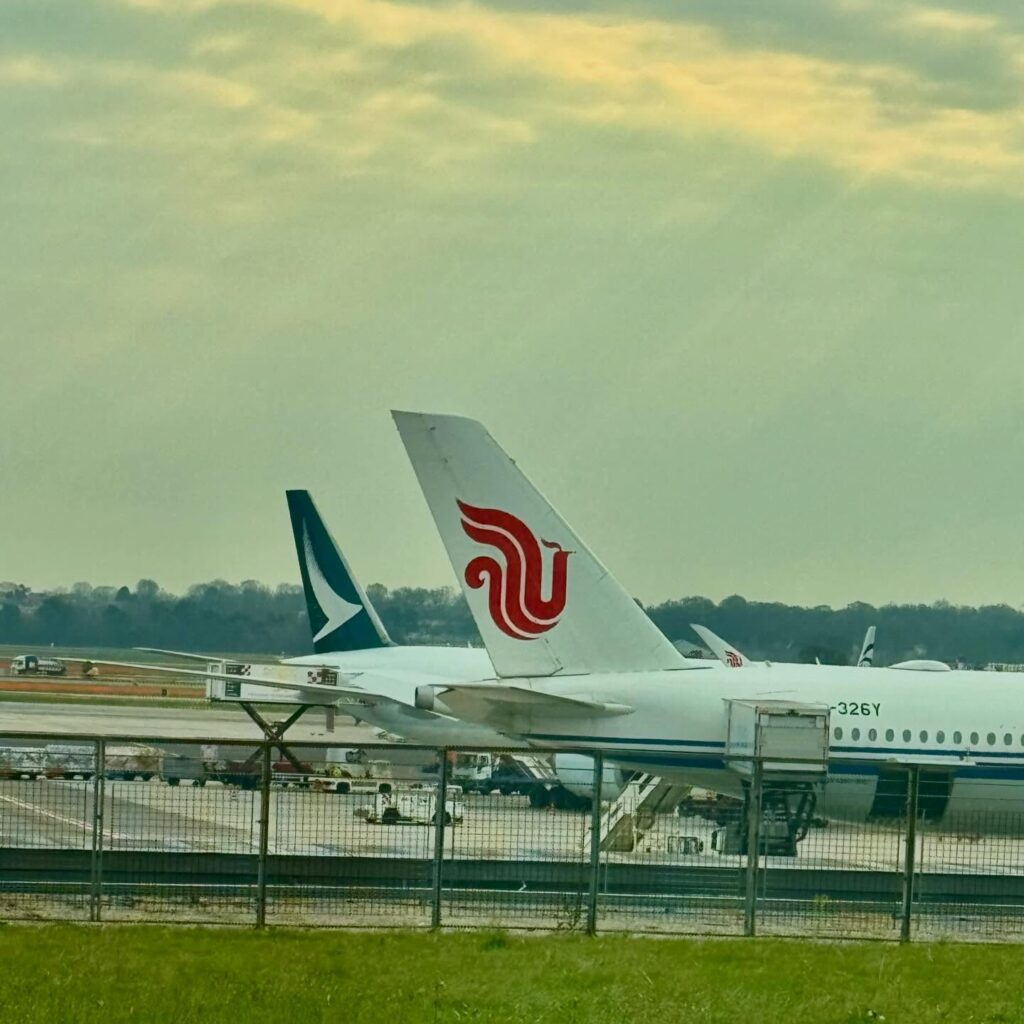
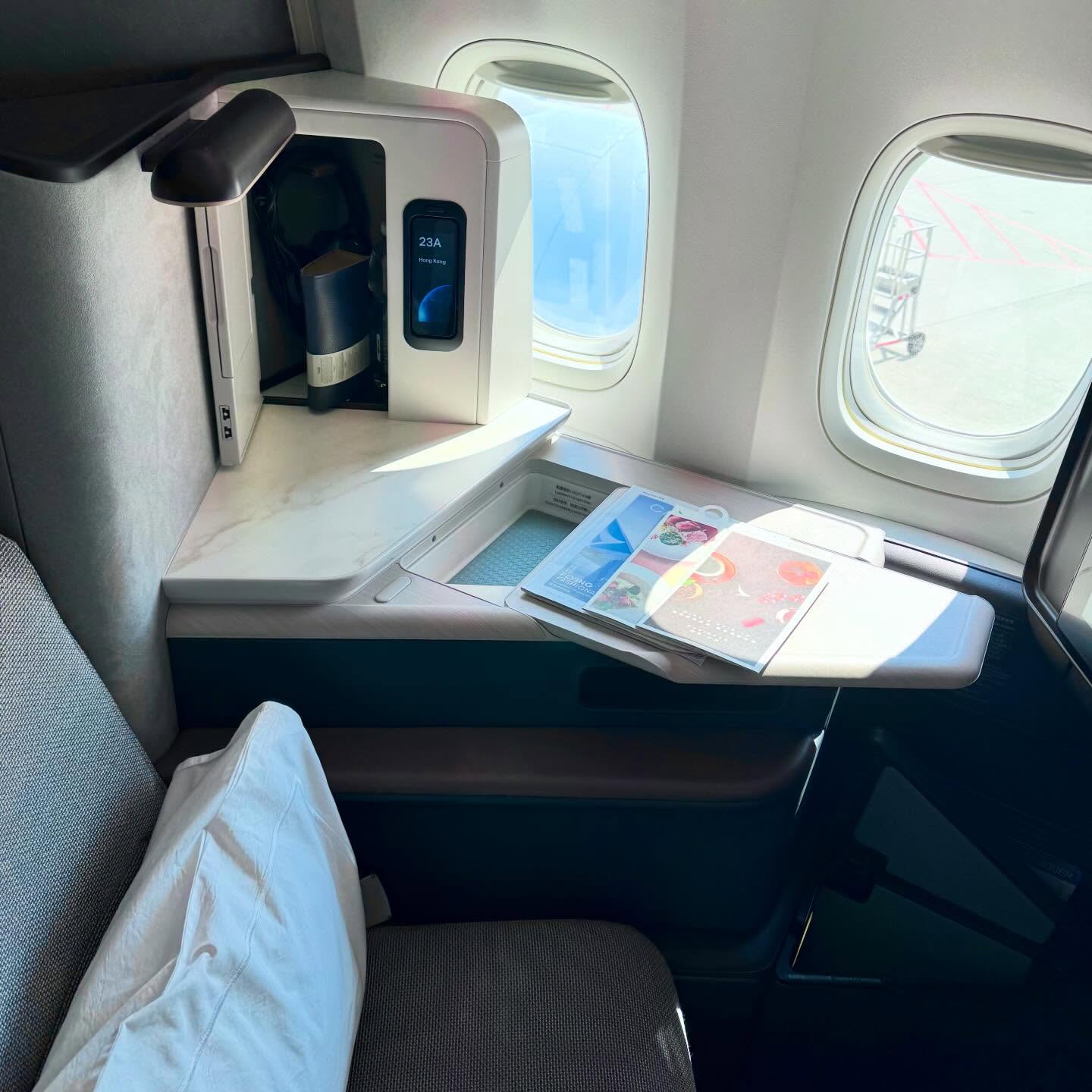
It was not simply a trip. It was a compressed field study of contemporary Asian culture.
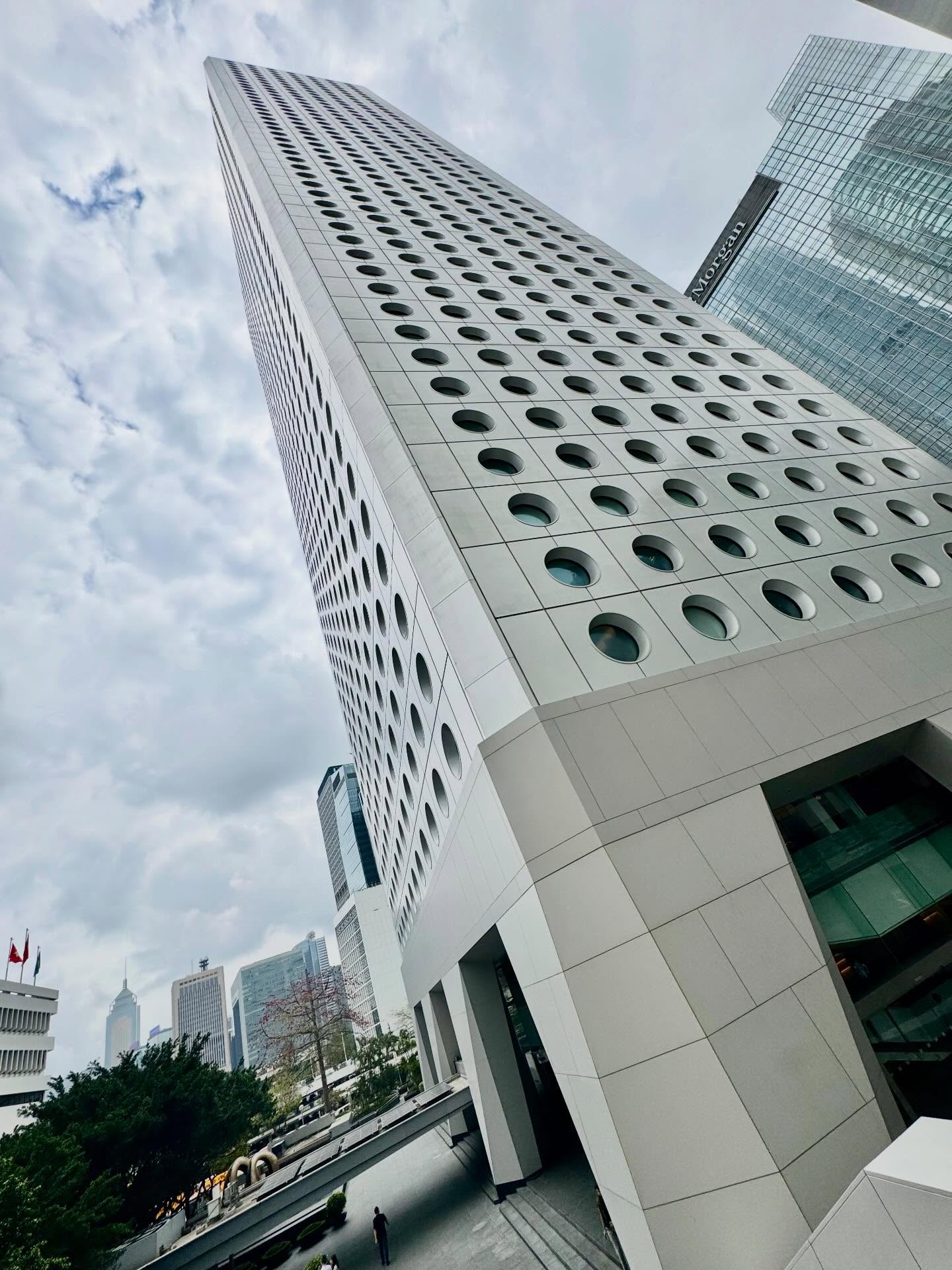
Hong Kong is one of those cities that does not introduce itself politely. It hits you immediately. Neon reflections on wet asphalt. The smell of roast goose, incense, seawater, diesel, perfume, and hot metal. Elevators opening into hidden restaurants. Rooftops that feel like movie sets. Harbor lights turning the skyline into a living motherboard. The city is vertical, electric, dense, elegant, chaotic, and precise at the same time.
I arrived to explore the intersections I care about most: culture, technology, fashion, production, contemporary art, public space, and human networks.
The first magnetic pole was ComplexCon Hong Kong, a portal into Chinese and Asian streetwear culture. It was not just an expo. It was a live organism of brands, drops, sneakers, graphics, music, youth codes, collectibles, and visual identities. Walking through it felt like entering the nervous system of a new cultural market.
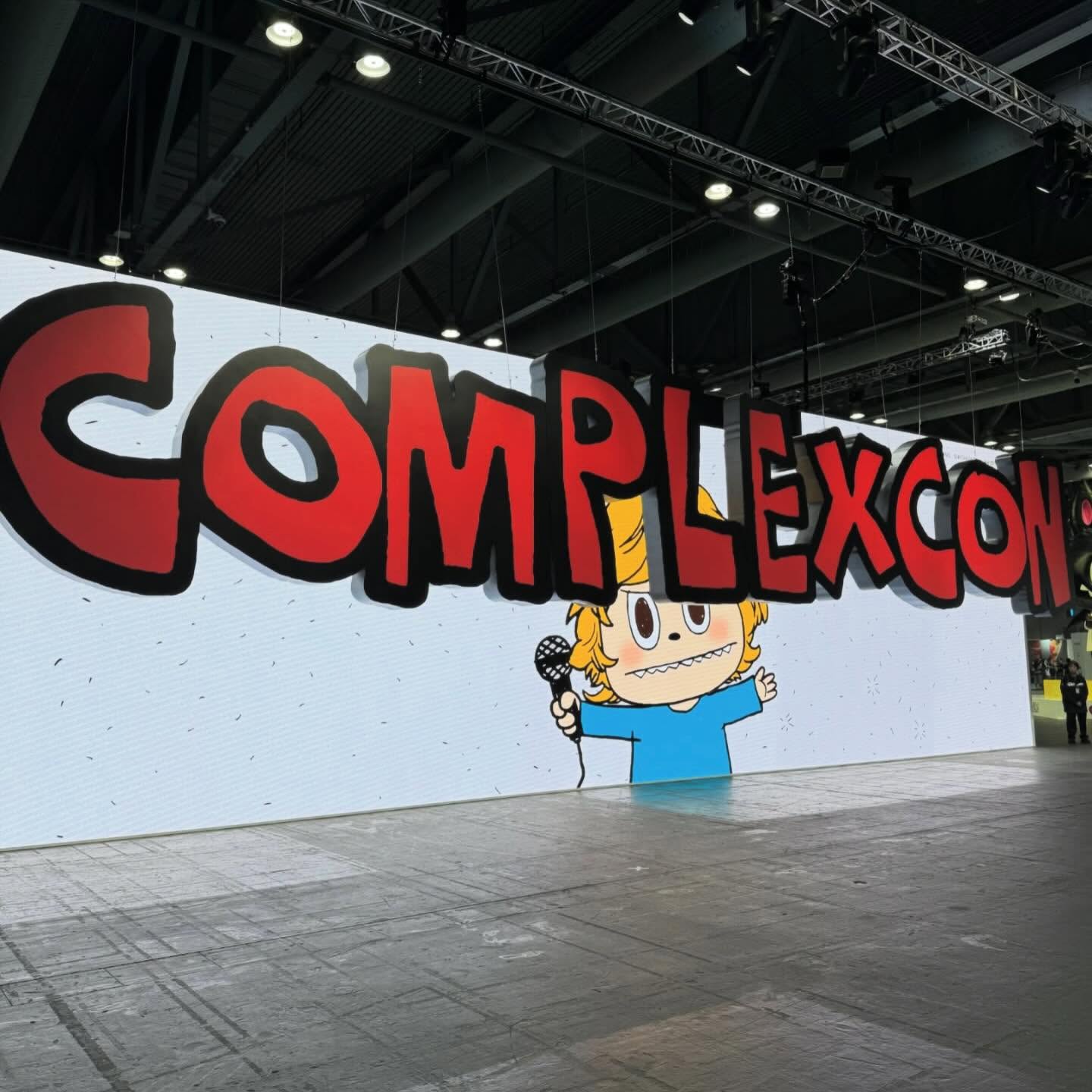
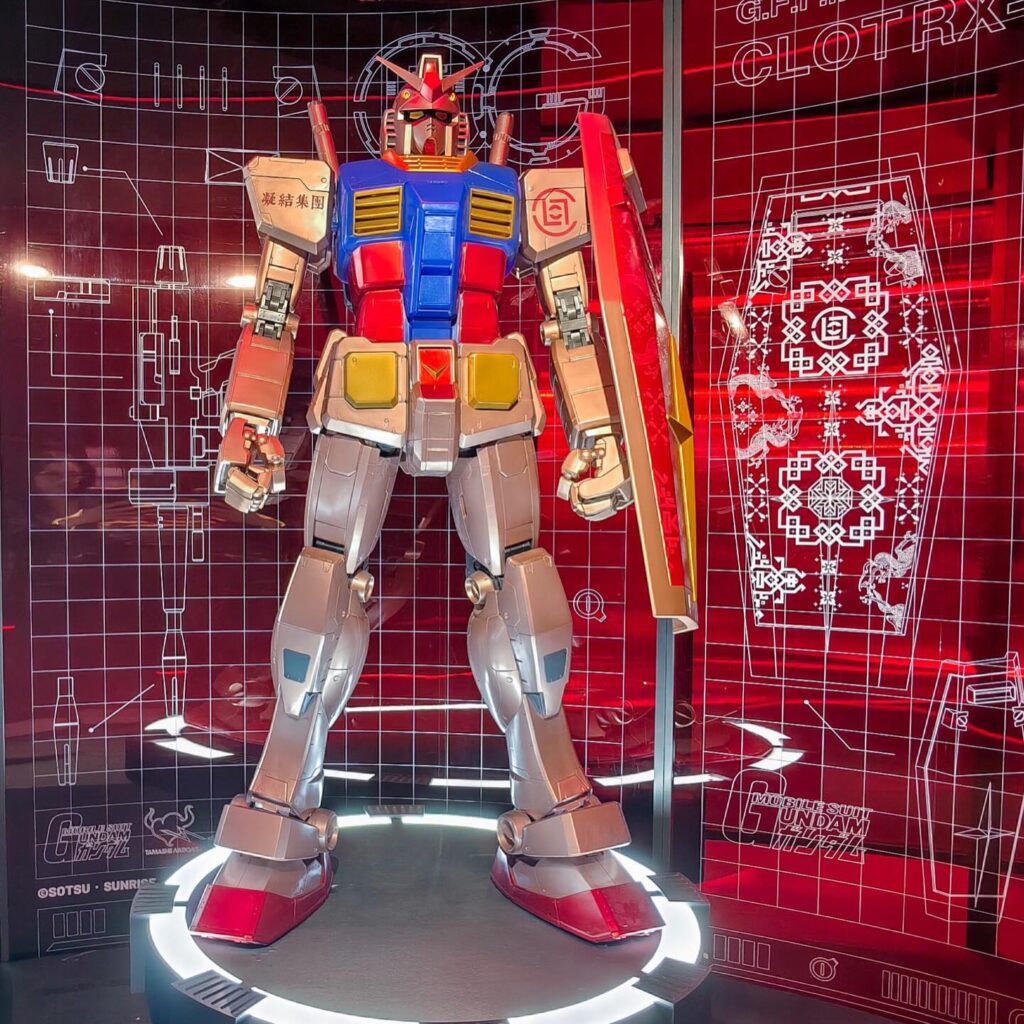
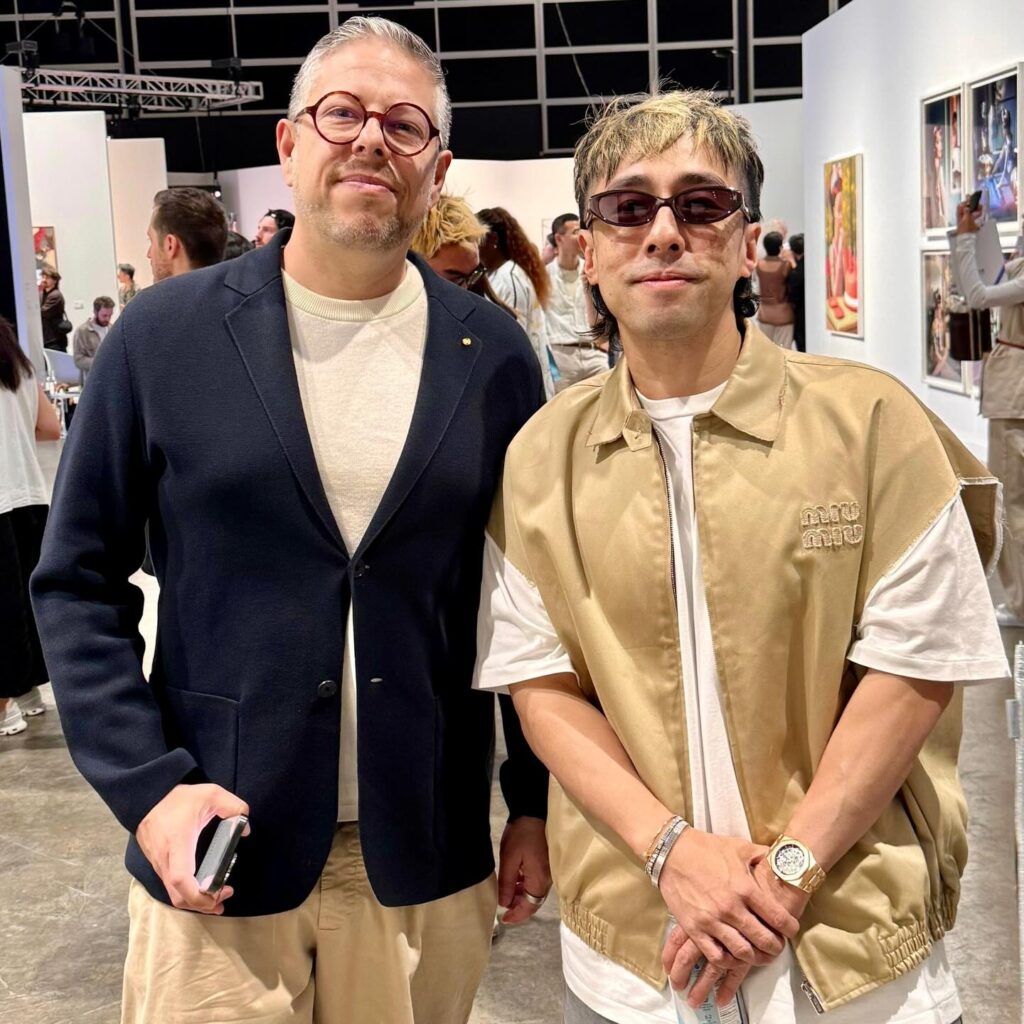
Asian streetwear has its own frequency. It absorbs global references, but does not imitate them. It mutates them. Japanese discipline, Chinese scale, Korean pop precision, Hong Kong cinematic nostalgia, cyberpunk aesthetics, gaming culture, luxury signals, and underground rebellion all coexist in the same visual landscape.
ComplexCon was a reminder that streetwear is no longer “fashion.” It is identity infrastructure. It tells you who belongs where, who understands which codes, who is connected to which tribe, which city, which future.
From the polished chaos of ComplexCon, I moved into another layer of the trip: production.
A one-day train journey took me from Hong Kong through Shenzhen and into Dongguan, mainland China. It was a fast transition from culture to industry, from visual desire to material reality. The train itself felt like a time tunnel. Glass towers, infrastructure, factories, highways, bridges, and landscapes of accelerated development passed outside the window like frames in a documentary about the future of manufacturing.


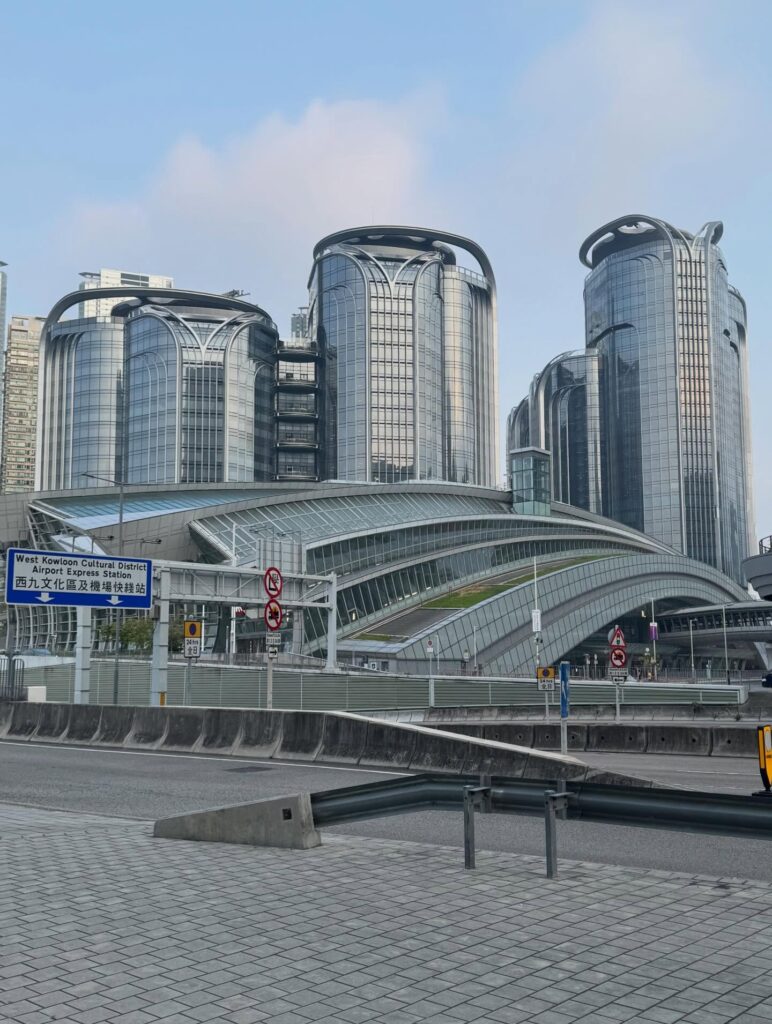
Dongguan has a different rhythm. Less spectacle, more substance. It is where ideas become objects, where design becomes tooling, where sketches become molds, where ambition is translated into logistics, tolerances, materials, packaging, and production capacity.
There is something almost philosophical about visiting factories after attending a cultural expo. In Hong Kong, you see the myth. In Dongguan, you see the machine that can produce it.
This is the part of innovation that people often romanticize from far away but rarely understand up close. The smell of plastic, cardboard, metal parts, glue, machines warming up, samples on tables, workers moving with practiced gestures, production managers calculating details in seconds. Here, creativity has to negotiate with reality. And reality is always specific.
Then came Art Basel Hong Kong.
If ComplexCon was the street, Art Basel was the institution. But in Hong Kong, even the institution feels charged by the city’s velocity. The fair was not just about artworks on walls. It was about signals. Collectors, galleries, curators, artists, advisors, cultural entrepreneurs, and old and new friends moving through booths like actors in a highly coded social choreography.
Art Basel Hong Kong has a particular atmosphere because it sits between worlds. It is Asian and global. Commercial and intellectual. Polished and speculative. It reveals how the art market is reorganizing itself around new centers of gravity, new collectors, and new cultural narratives.
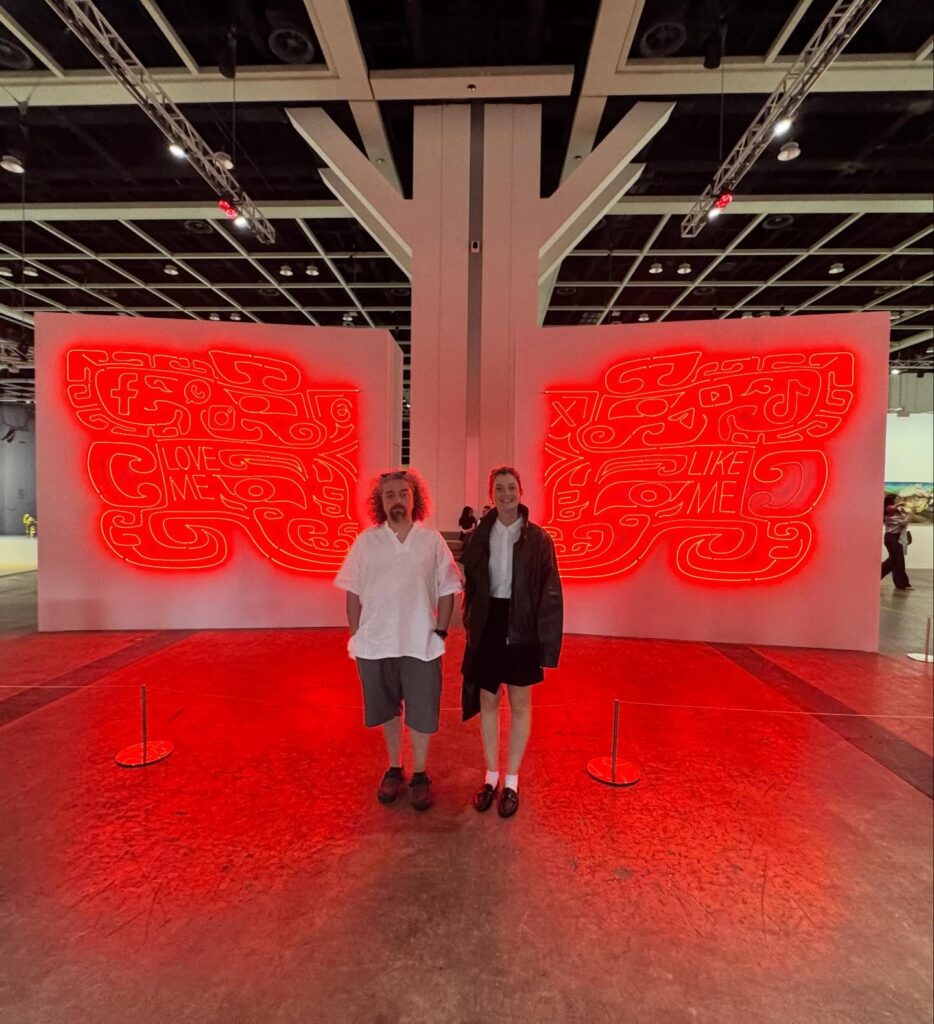
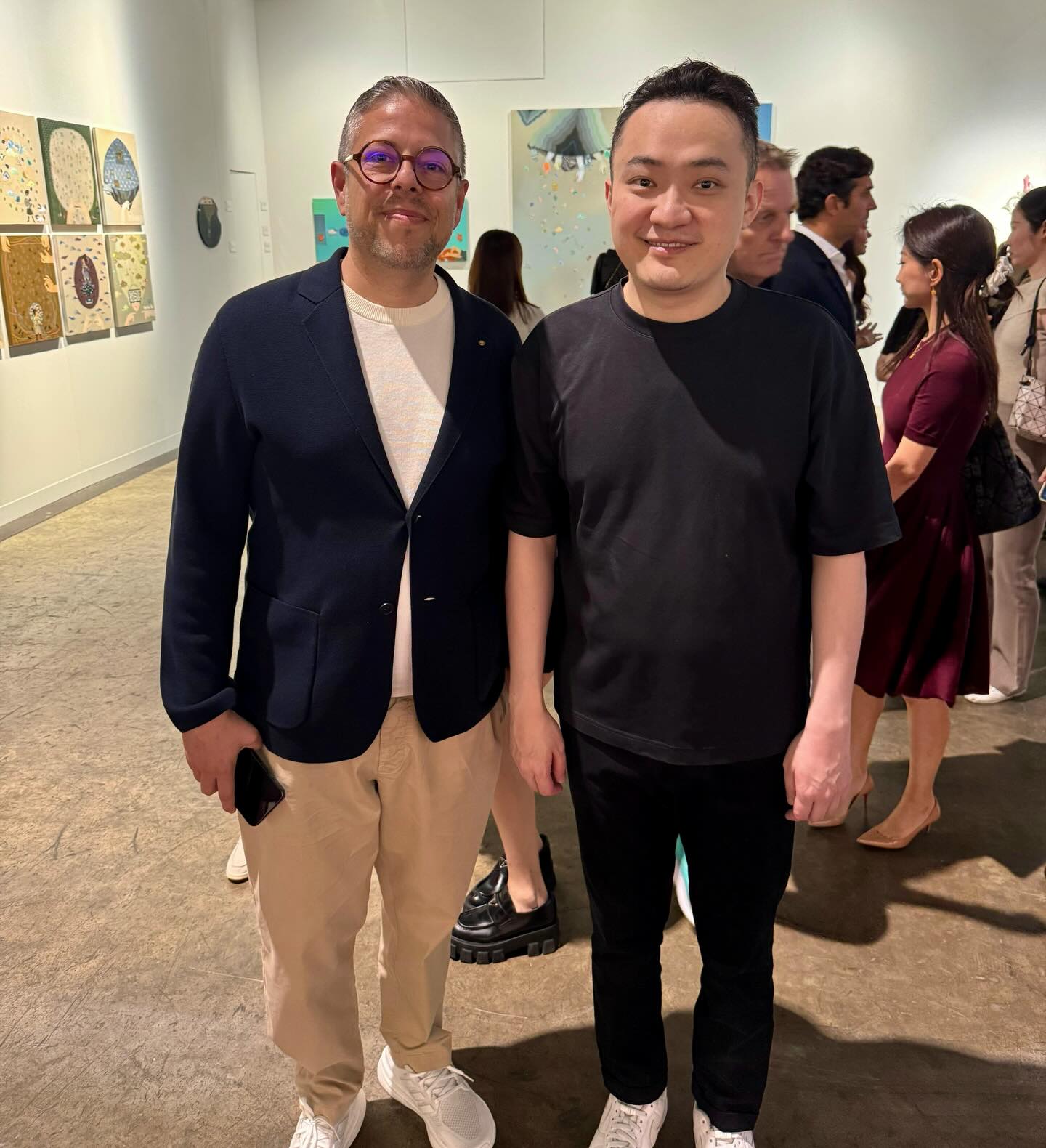
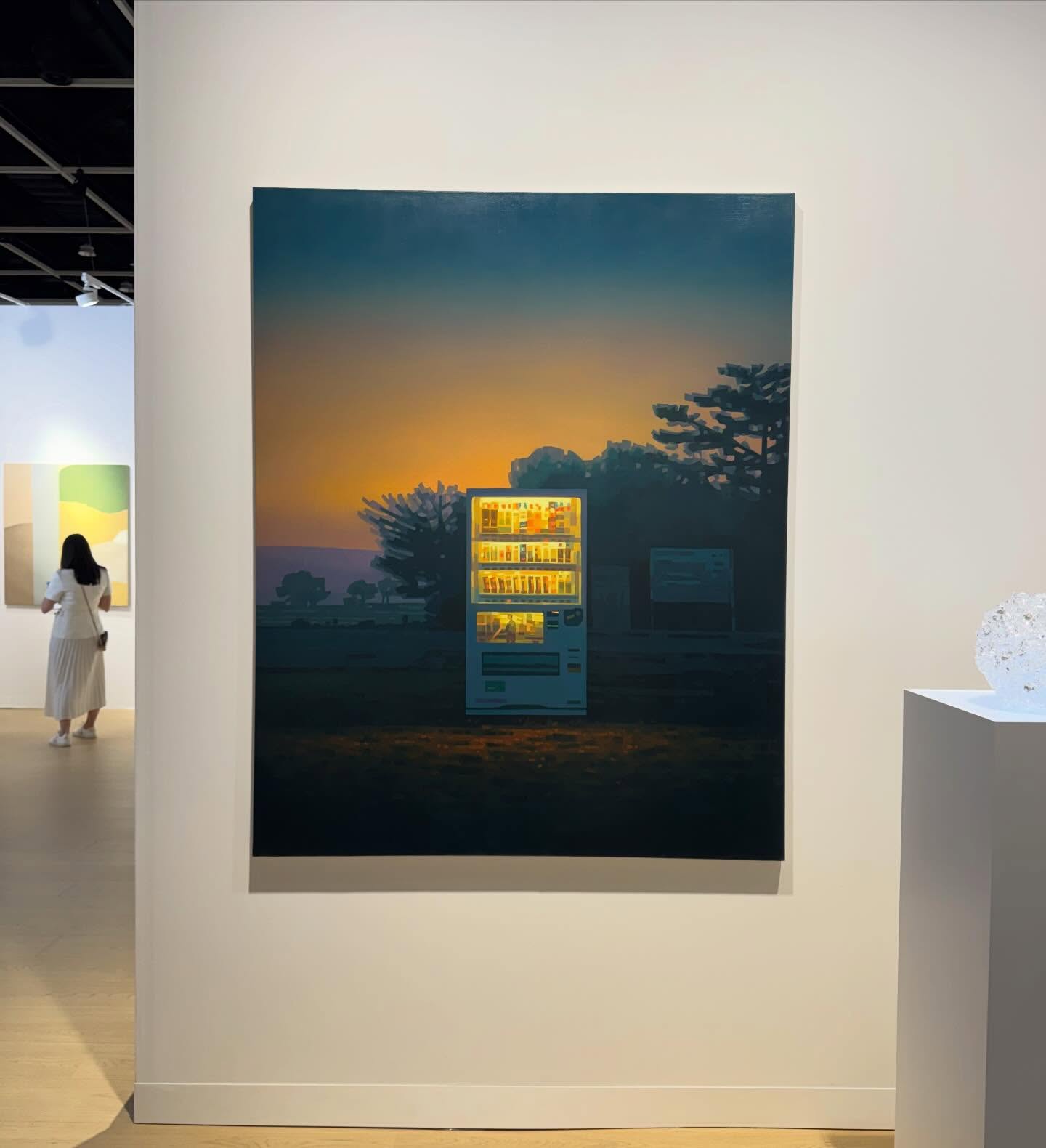
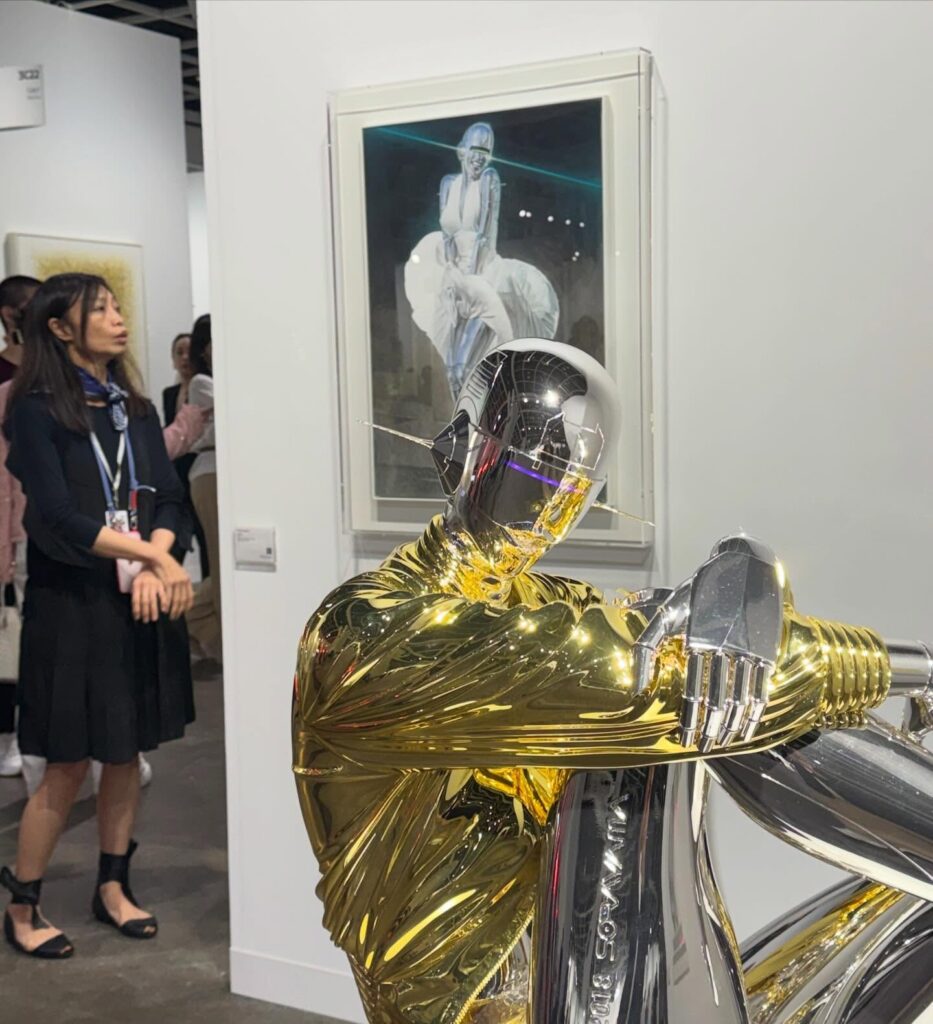
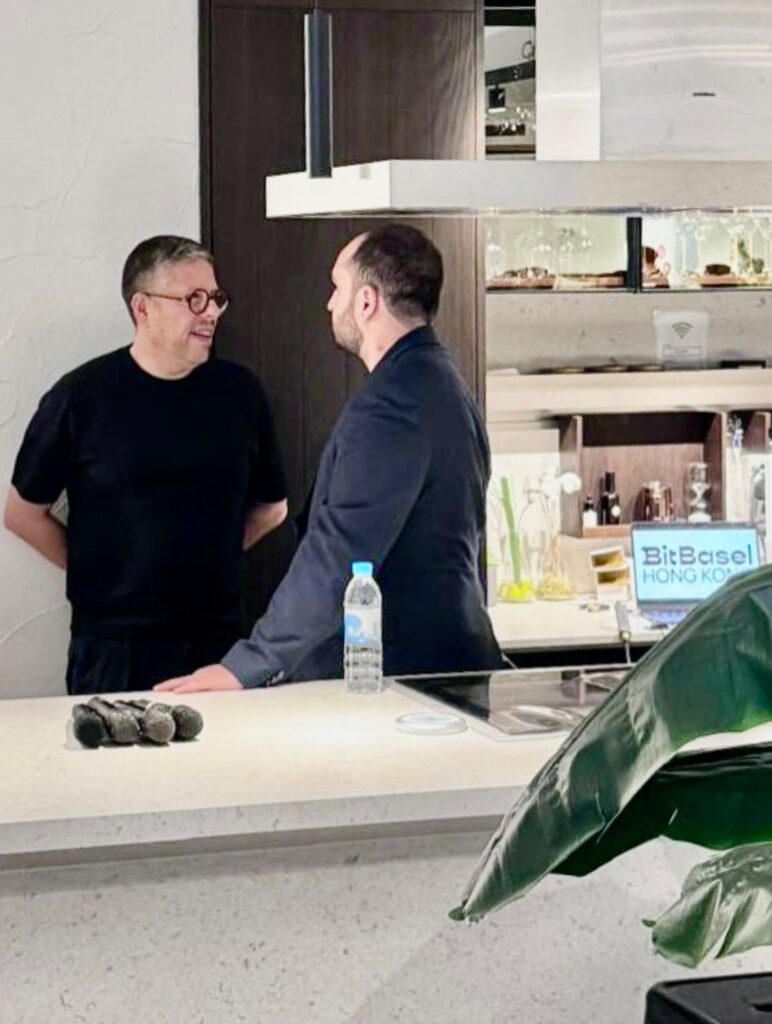
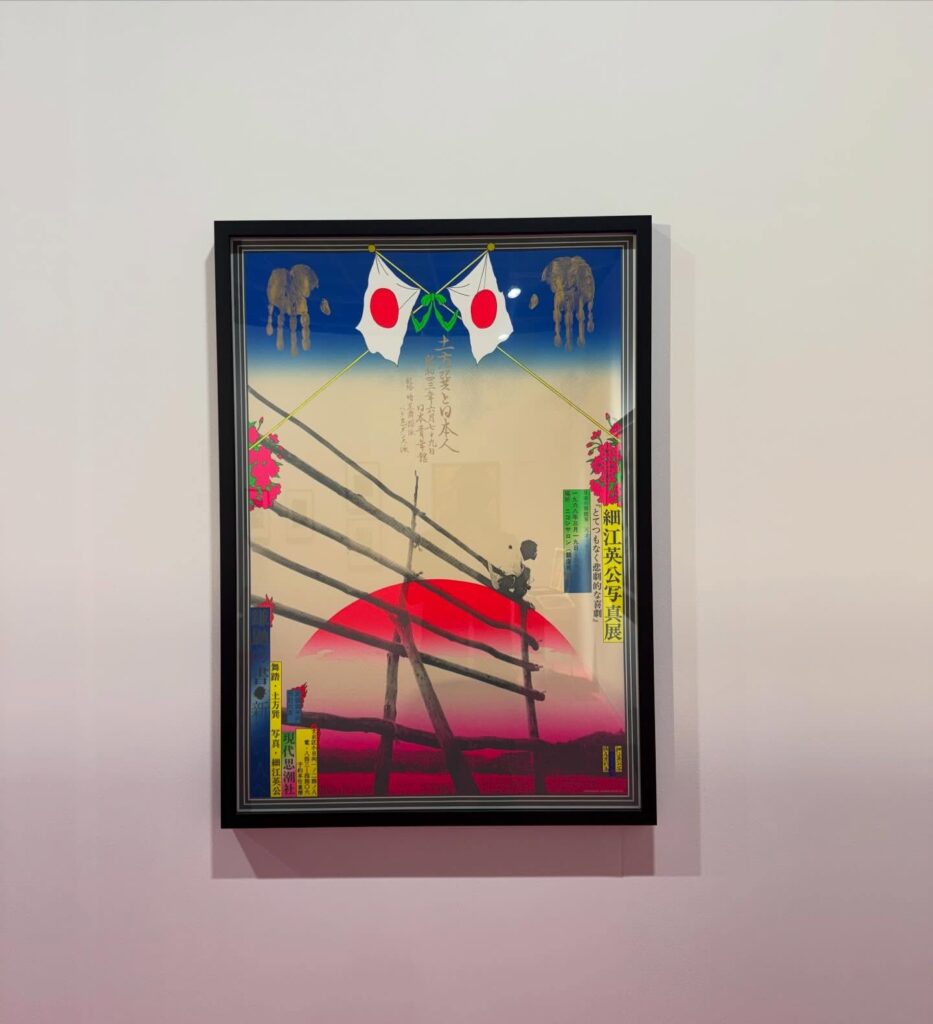

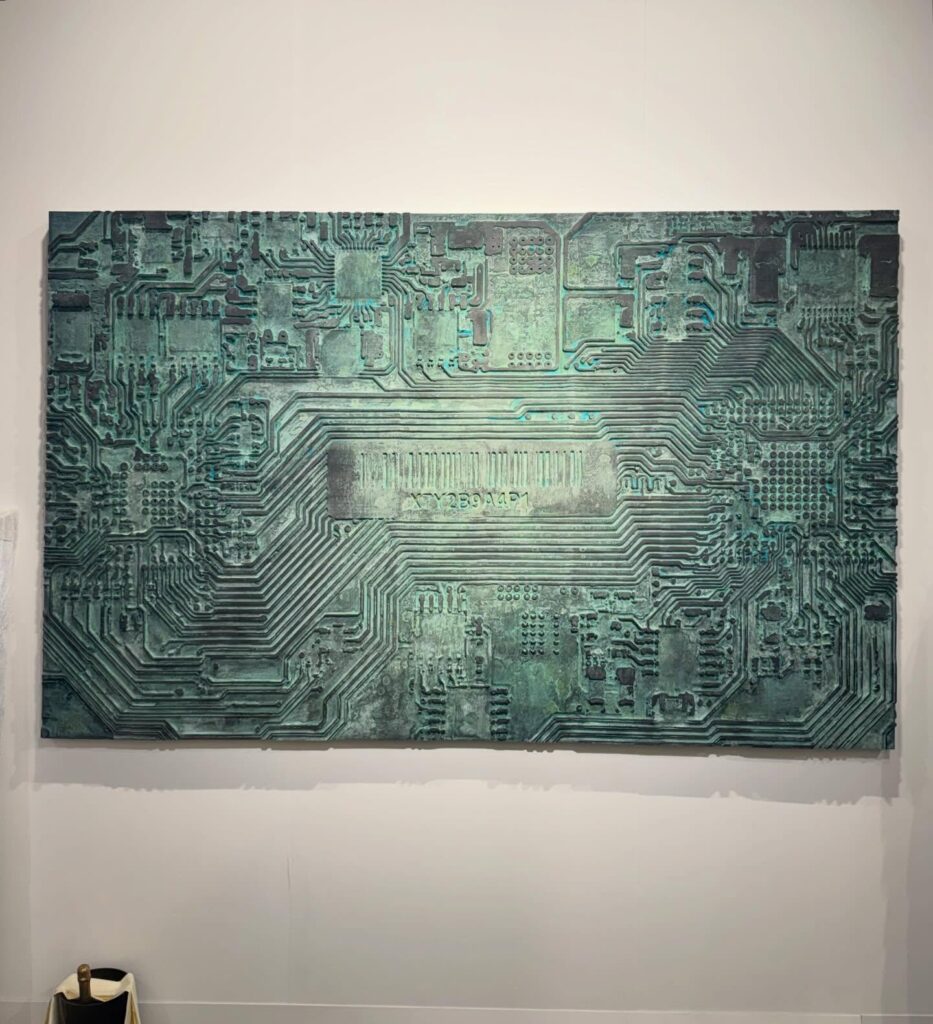
The VIP networking was part of the experience, but not in the shallow sense. The real value was in the conversations between the official moments: quick introductions, dinners, after-events, private comments in front of artworks, observations about markets, taste, politics, technology, and where culture is moving next.
The city became an extension of the fair. Every restaurant, hotel lobby, private room, and late-night walk carried fragments of the same conversation: what is contemporary now, and who gets to define it?
One of the most powerful experiences of the trip was HKWALLS, the street art and graffiti public art festival. After the refined interiors of Art Basel, HKWALLS brought me back outside, into the skin of the city.
Public art in Hong Kong feels different because the city is already a visual overload. Signs, cables, towers, reflections, stairs, tiles, humidity, old facades, new glass, tiny shops, luxury boutiques, harbor views, and alleyways all compete for attention. Into this density, murals and graffiti do not simply decorate. They intervene.
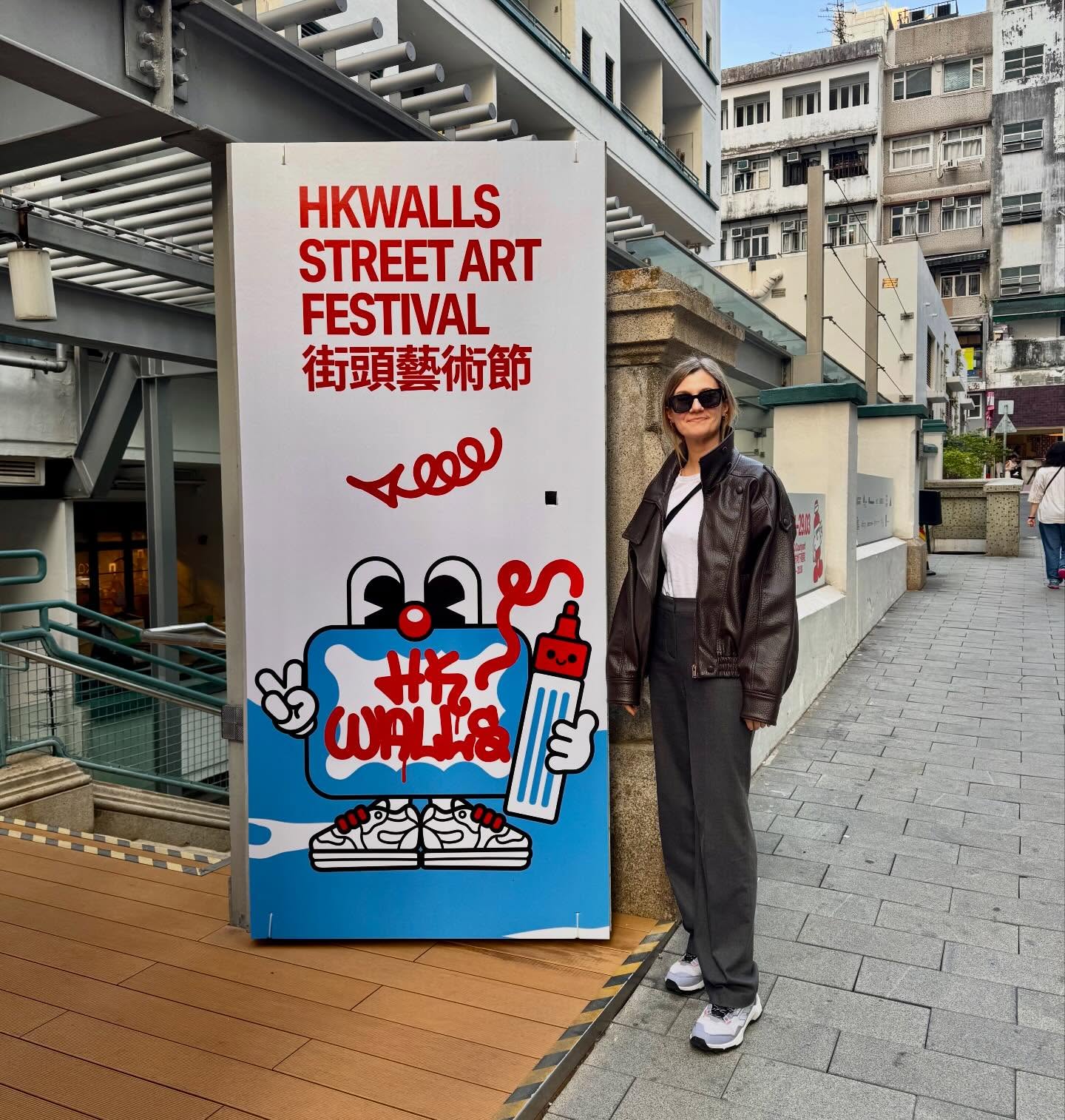
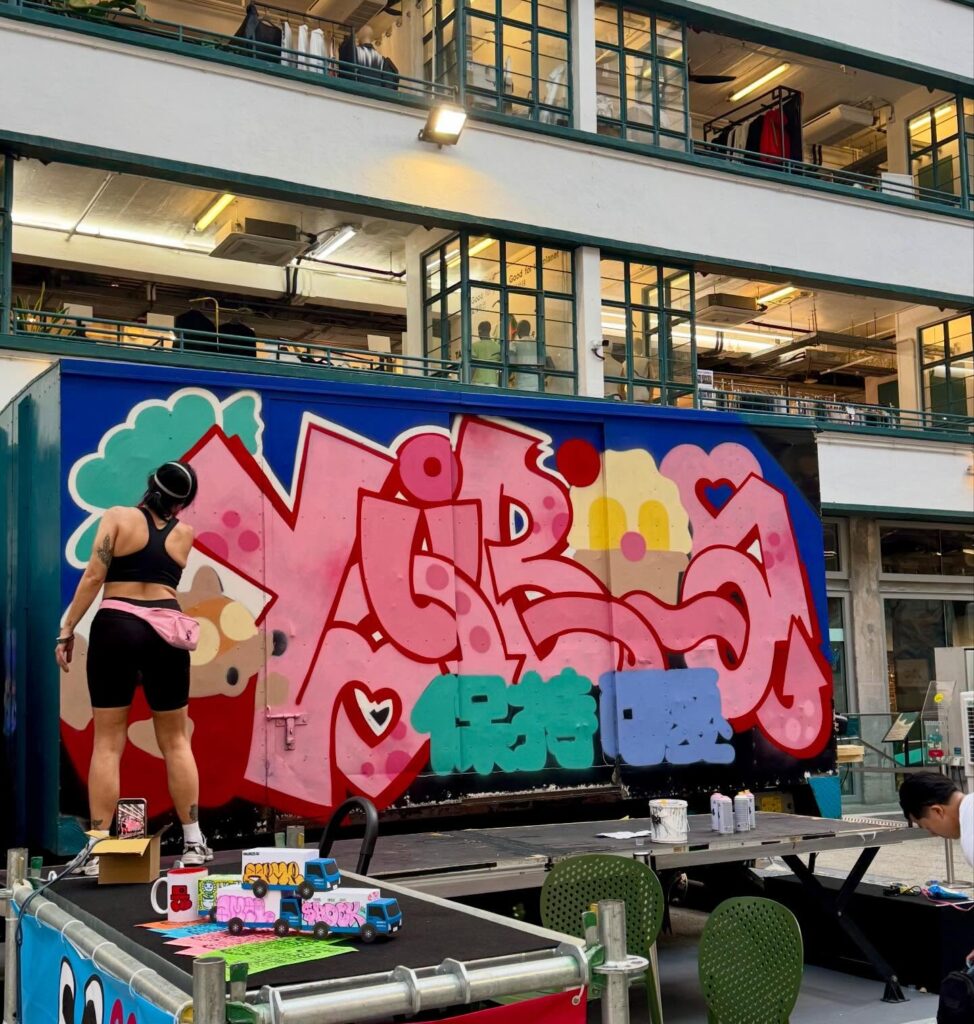
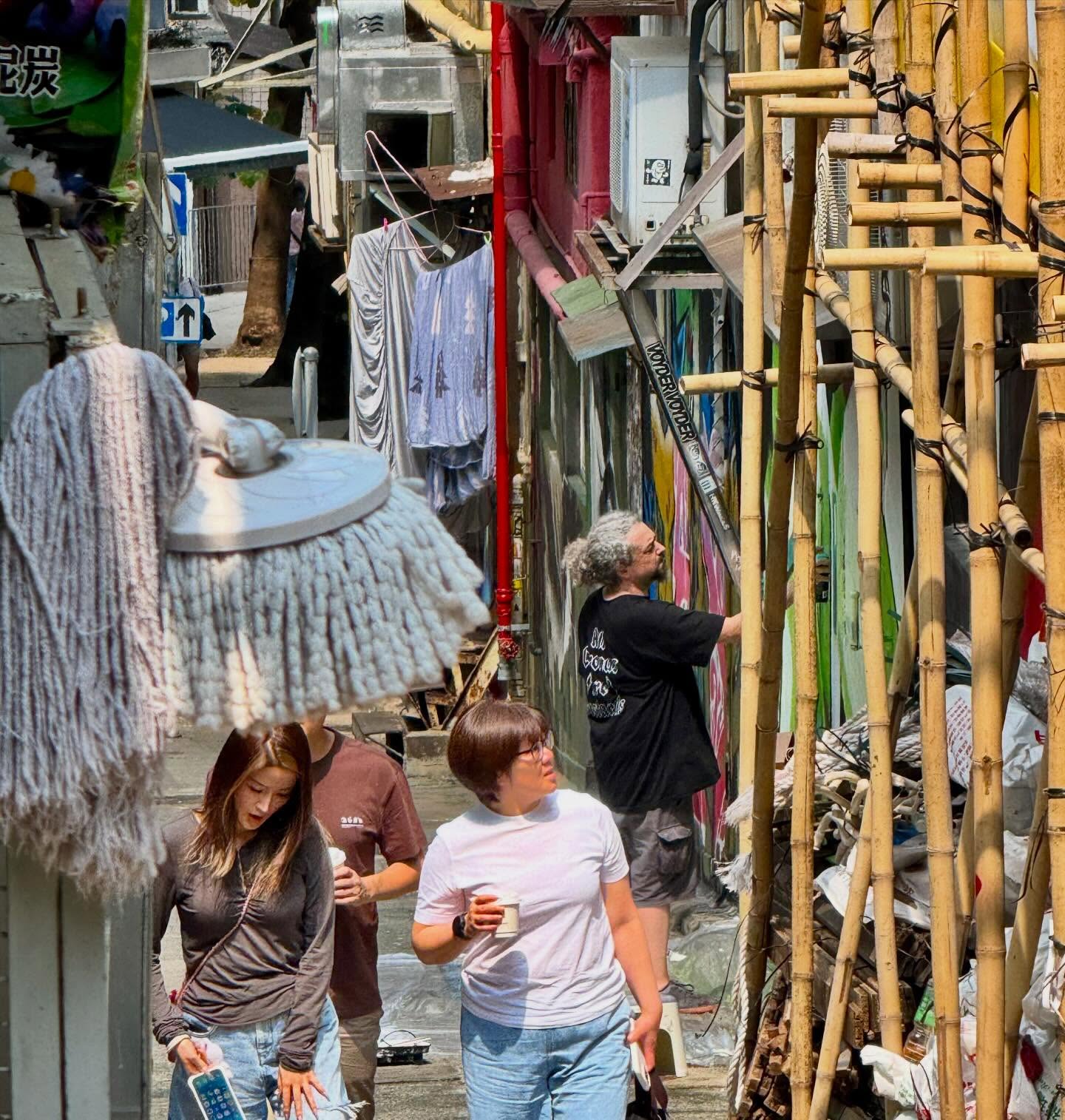
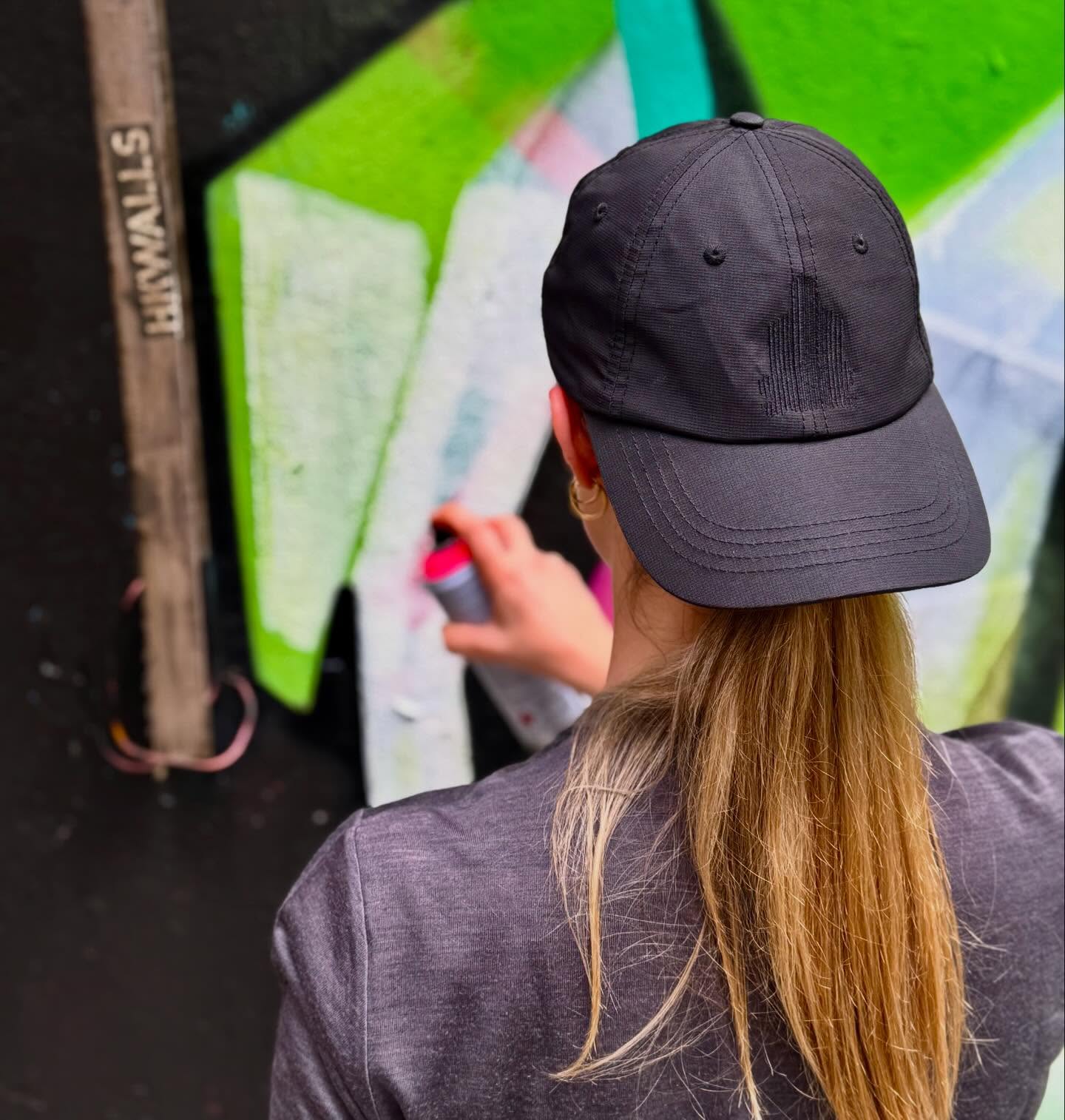
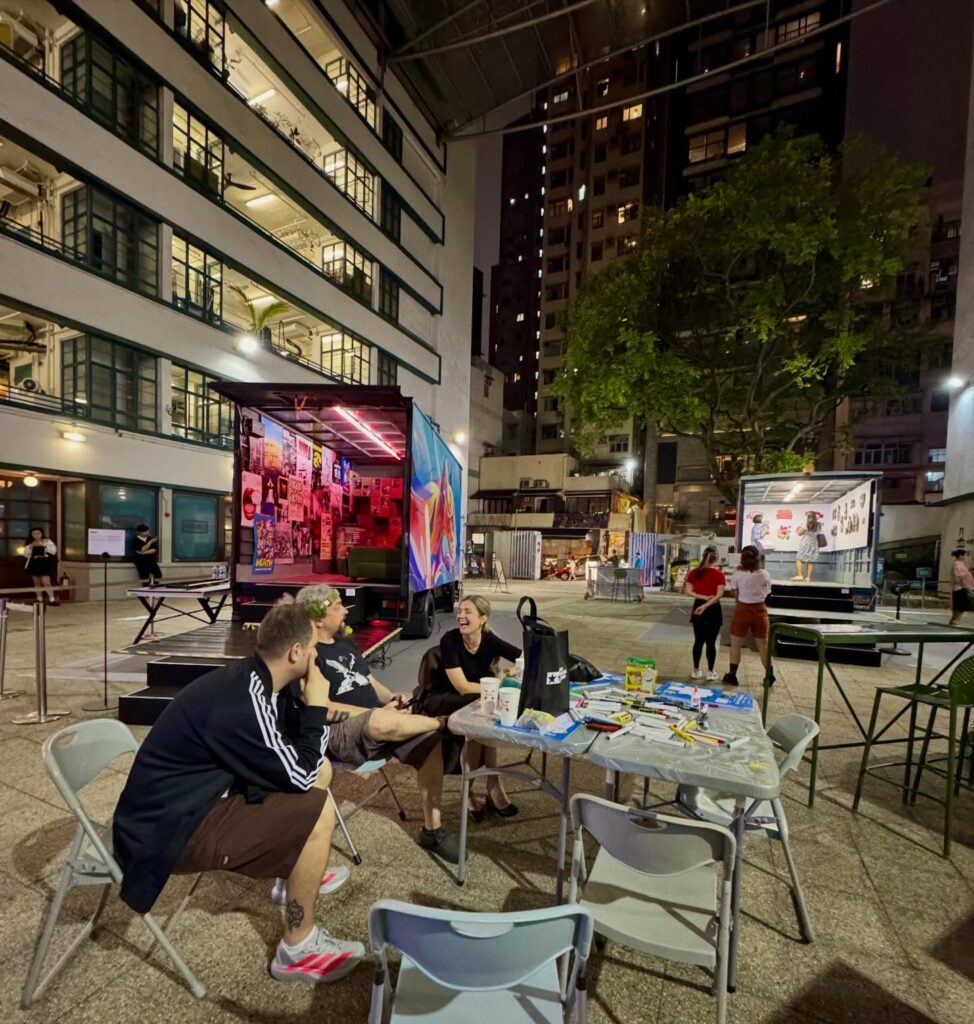
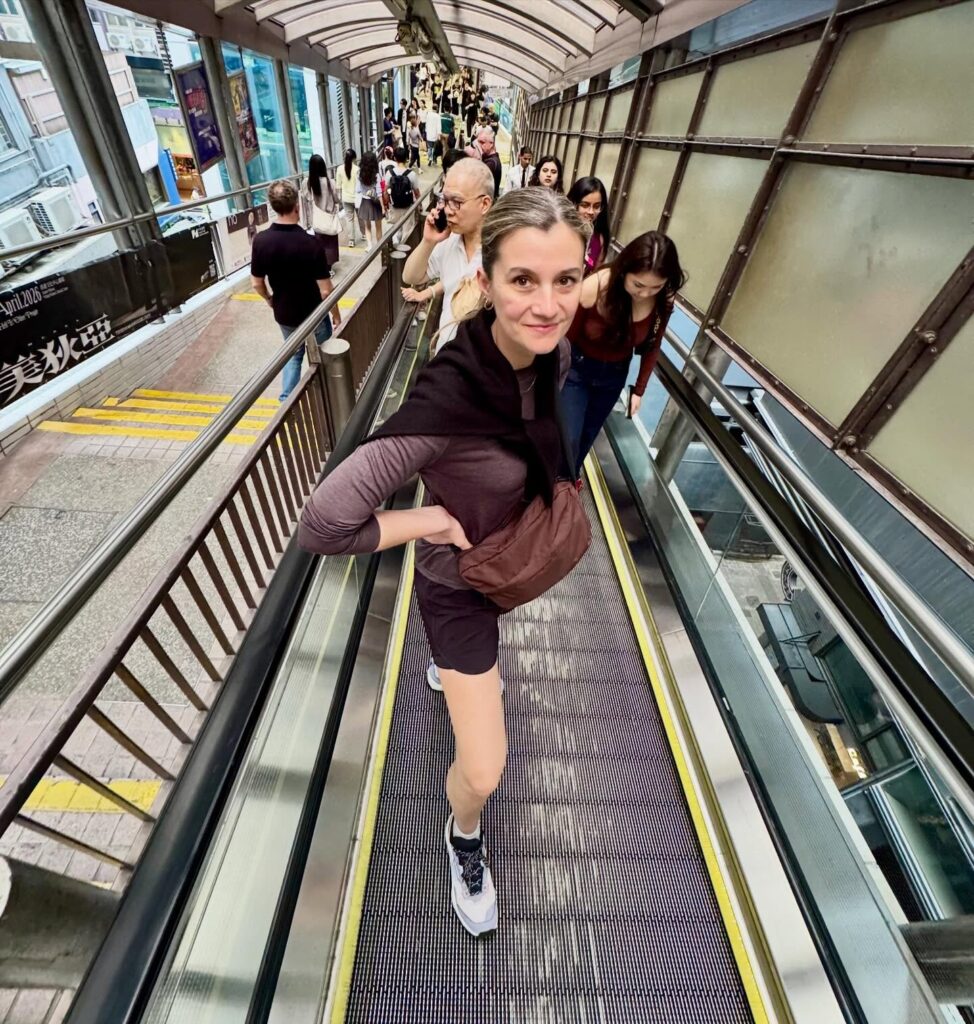
HKWALLS showed how street art can create new urban narratives without asking permission from traditional cultural institutions. It turns walls into statements, neighborhoods into galleries, and public space into a living archive of creative tension.
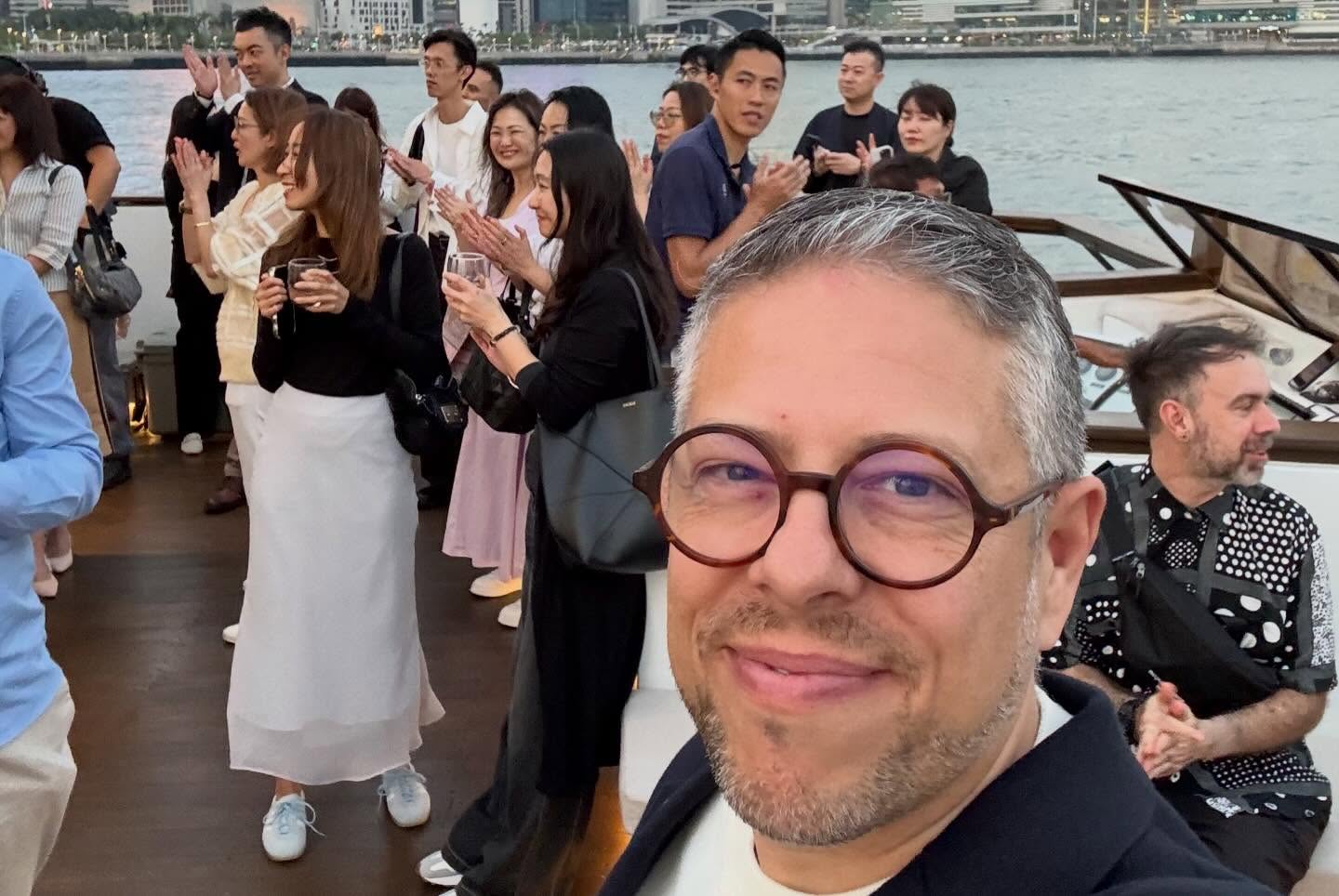
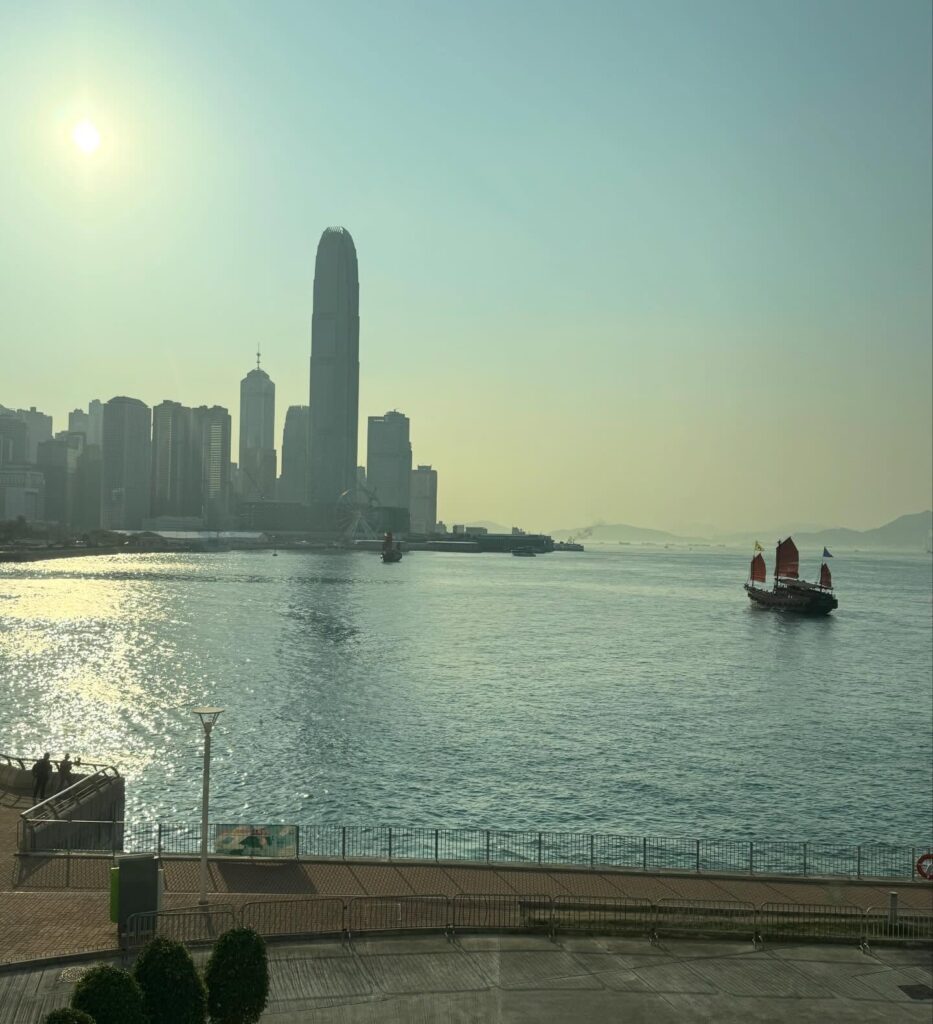
The most unexpected moment was the boat tour organized by HKWALLS, with futuristic LED interventions cutting through the night. Hong Kong from the water is already unreal. The skyline appears almost too designed, like a city rendered by an AI trained on finance, cinema, and cyberpunk dreams.
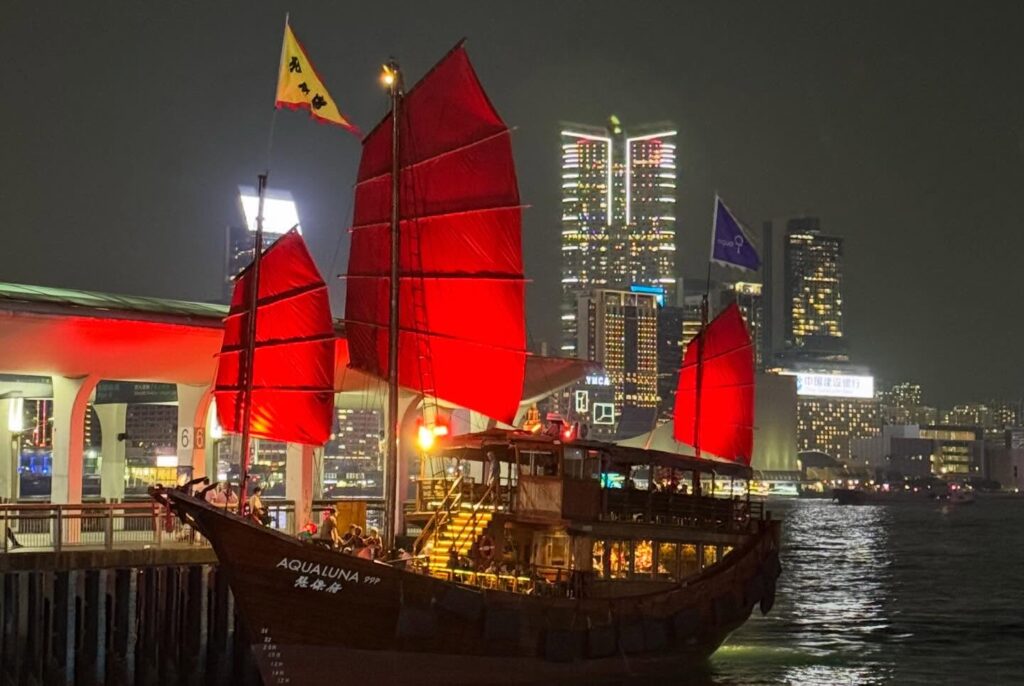
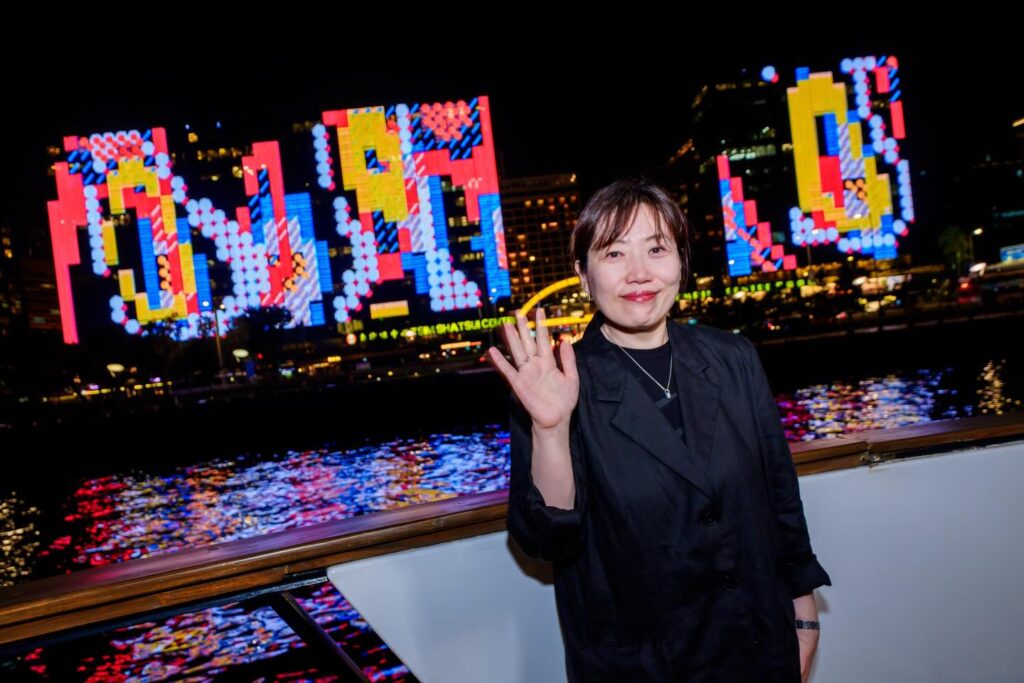
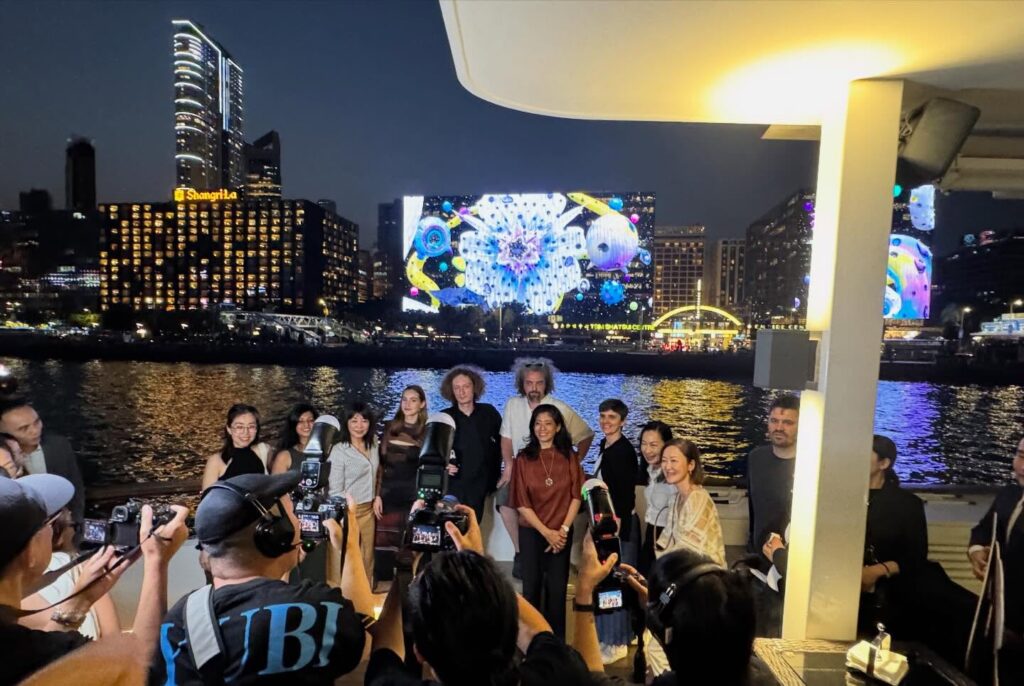
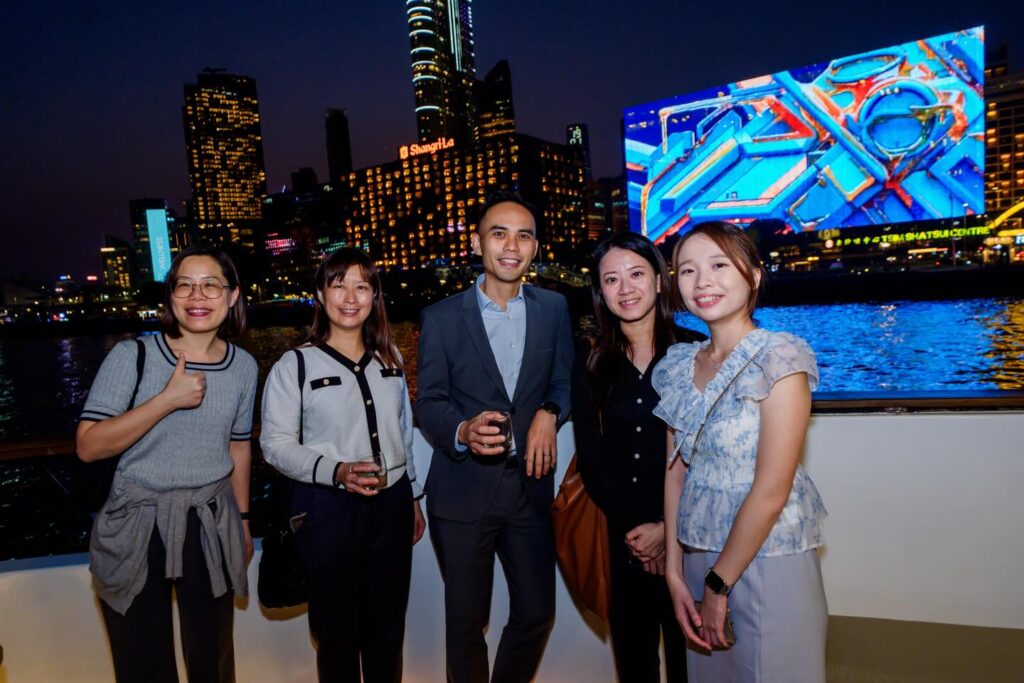
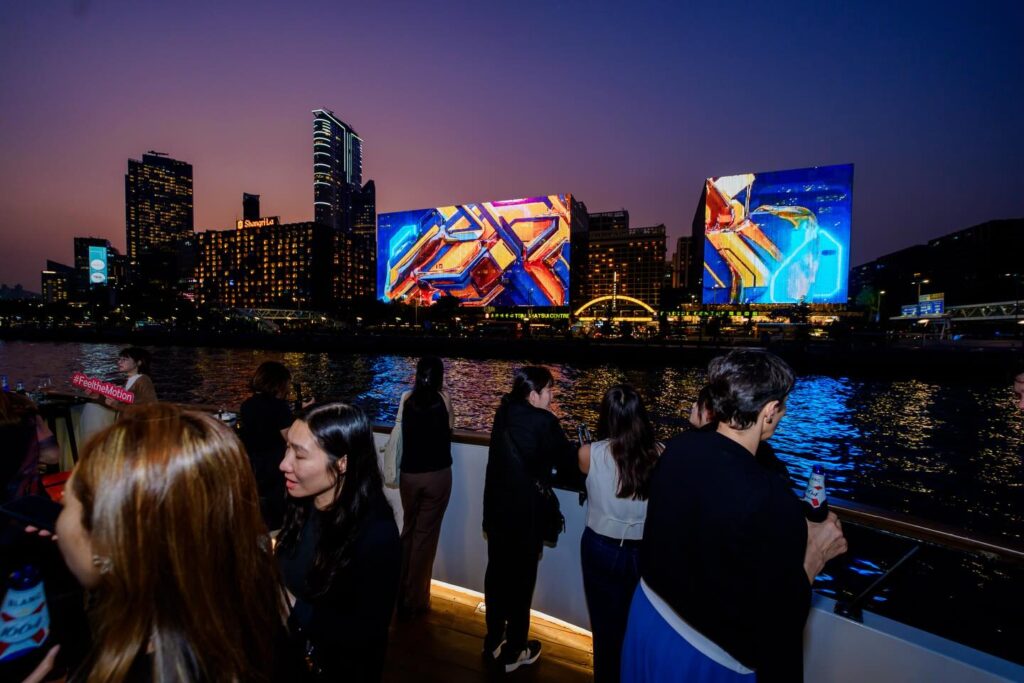
But from the boat, with the LEDs, reflections, and moving light across the harbor, the city became pure atmosphere. Water, glass, color, darkness, engines, conversations, wind, and the soft vibration of the boat underfoot. It felt like drifting inside a future that had already arrived, but only at night, and only for those paying attention.
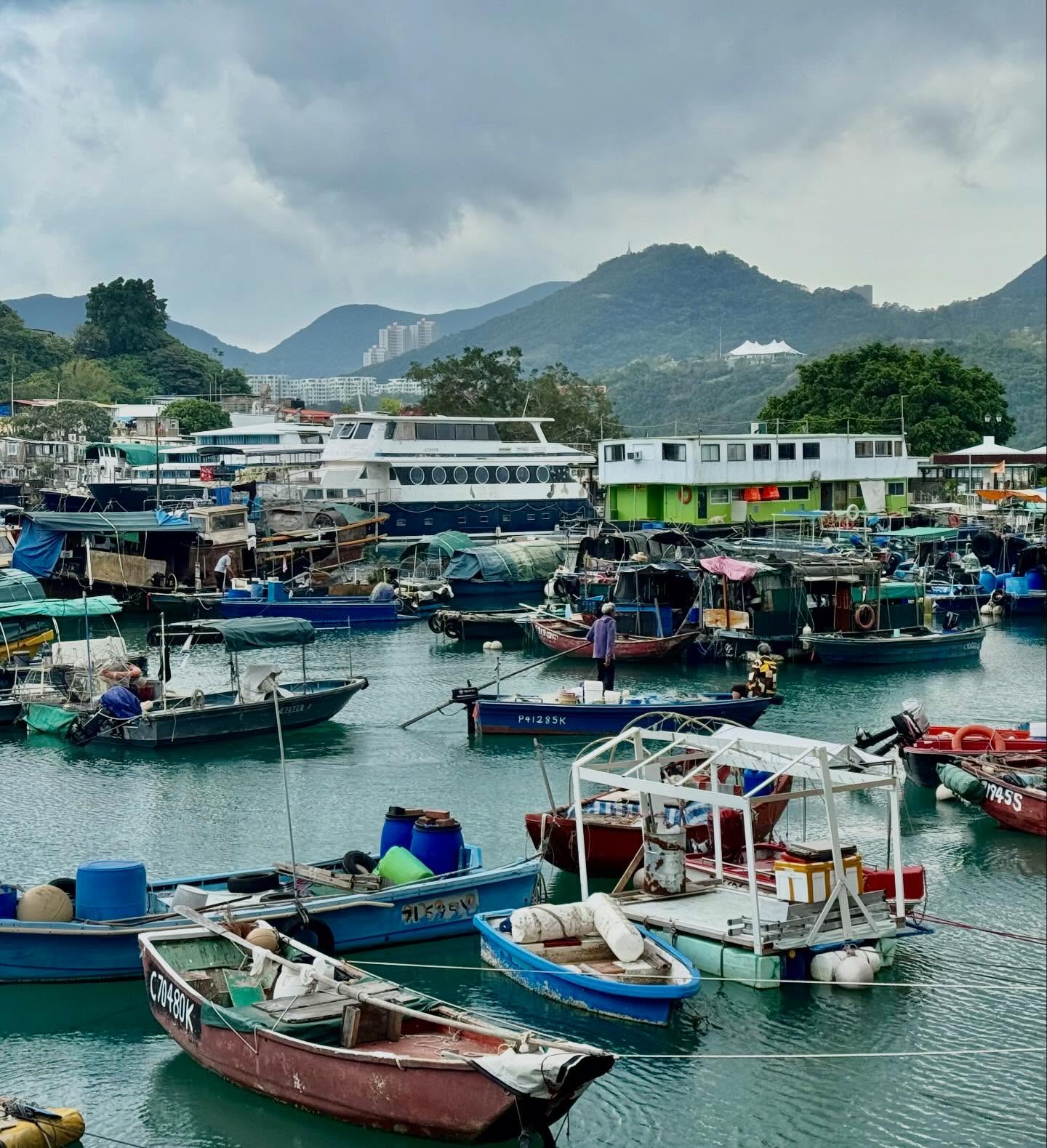
Between these missions, there was the real Hong Kong: friends, food, and the human rituals that make travel meaningful.
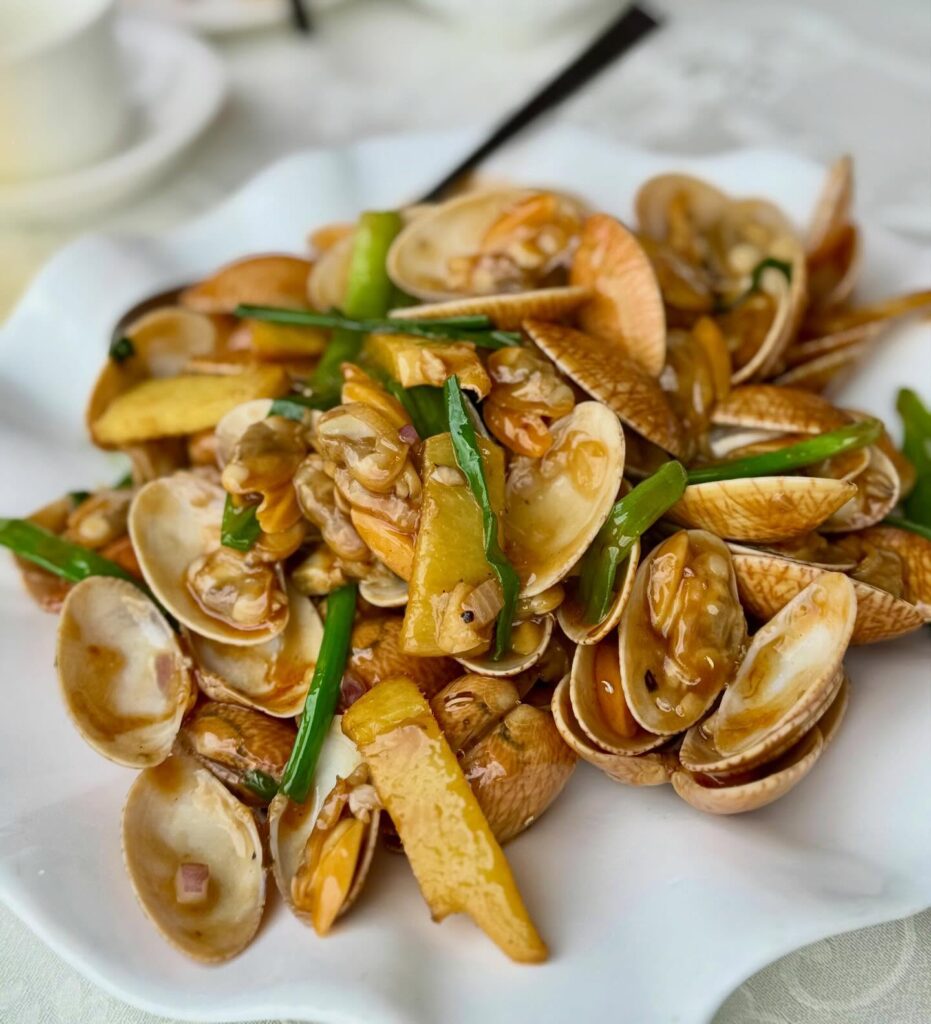
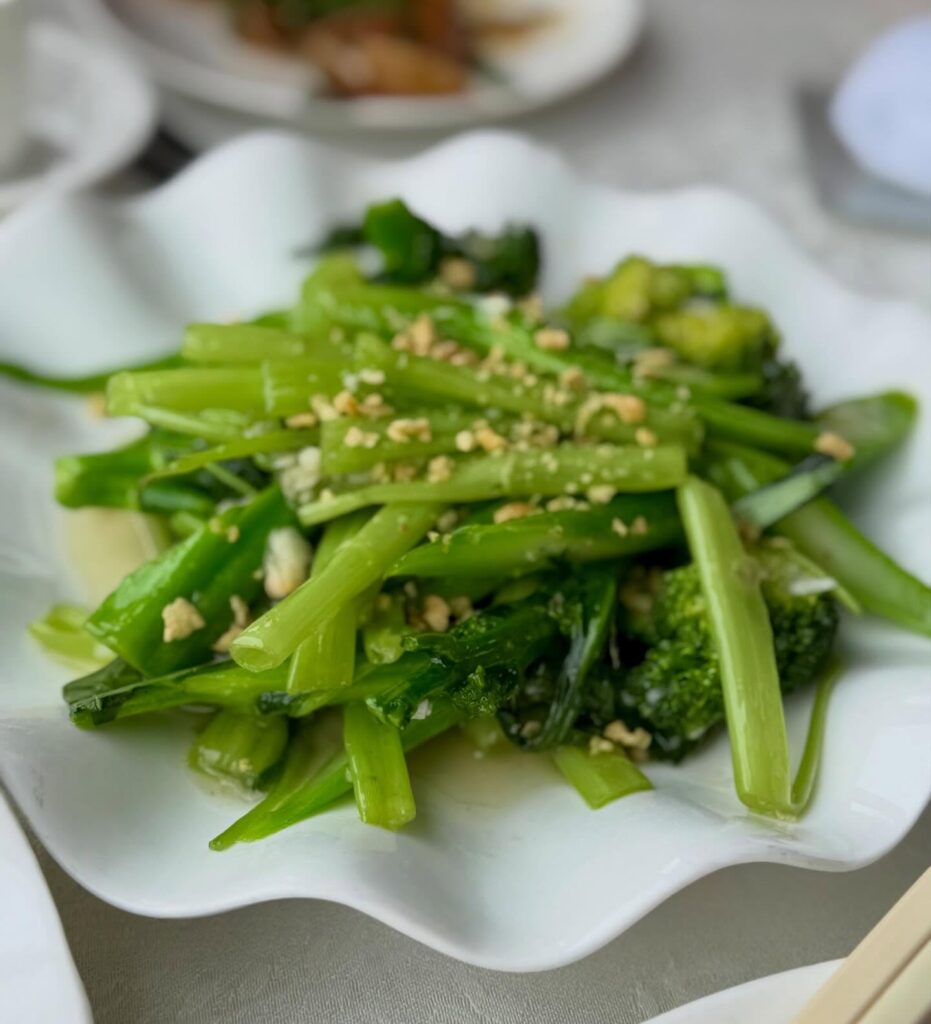
Meals became punctuation marks in the trip. Dim sum baskets opening like small architectural structures. Wonton noodles in steaming bowls. Roast meats hanging behind glass. Tea poured again and again. The crunch of fried textures, the softness of rice, the brightness of ginger and scallion, the deep comfort of broth, the sweetness of egg tarts still warm from the oven.
Hong Kong food is not only about taste. It is about speed, density, history, and precision. You eat in places where the table is small, the rhythm is fast, and every dish carries the intelligence of a city that has learned to compress complexity into flavor.

And then there were the friends.
Old friends appearing in new contexts. New friends becoming part of future projects. Conversations that started with art and ended with geopolitics. Introductions that seemed casual but could open entire doors. Laughter in crowded restaurants. Messages sent at midnight. Plans made between exhibitions, taxis, hotel lobbies, and harbor walks.
This is why I travel.
Not to collect destinations, but to enter temporary ecosystems. To understand where culture is forming before it becomes obvious. To feel the temperature of a place. To connect scenes that do not usually speak to each other: streetwear and art, production and branding, factories and galleries, friends and future ventures.
Hong Kong in March was exactly that: a living interface between desire and infrastructure. ComplexCon showed me the codes. Dongguan showed me the machine. Art Basel showed me the market. HKWALLS showed me the street. Friends and food made it human.
I left Hong Kong with the feeling that the city remains one of the most important cultural laboratories in the world. Not because it is easy. Not because it is polished. But because it is compressed, contradictory, hyperconnected, and alive.
Hong Kong does not simply show you the future. It makes you walk through it, eat inside it, negotiate with it, get lost in it, and finally see your own projects differently. That is why this trip mattered.