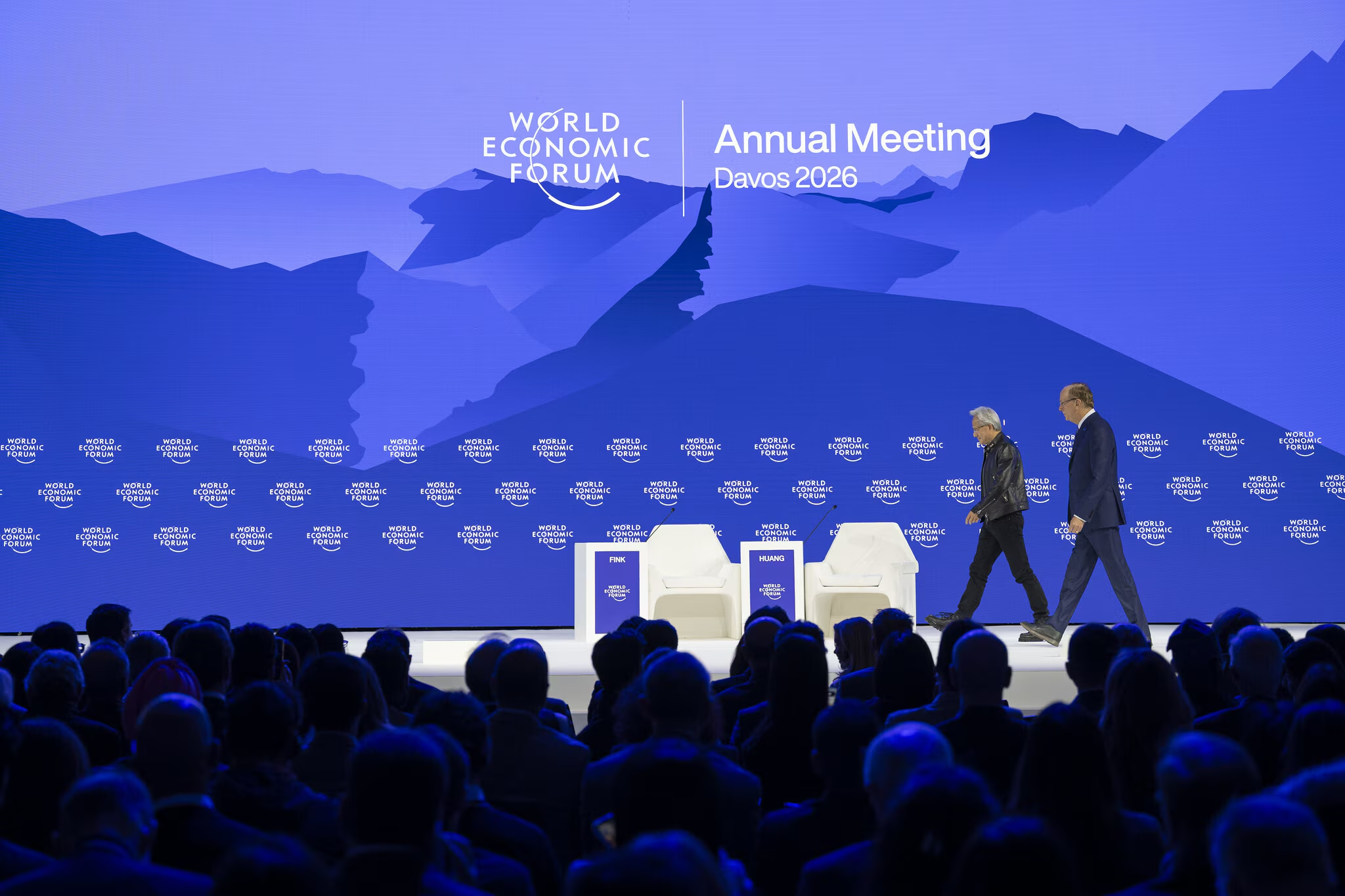

December 2009. Asia feels open, unfinished, listening.
Landing in Shanghai, the city is already operating at a scale Europe has not yet metabolized. Institutional culture is present everywhere, but not rigid. Museums, academies, government-backed creative districts are actively observing what is happening on the street. There is curiosity, not control. Meetings happen in offices during the day, dinners stretch late into the night. The language is policy, urban development, soft power, but the attention keeps drifting toward youth culture.



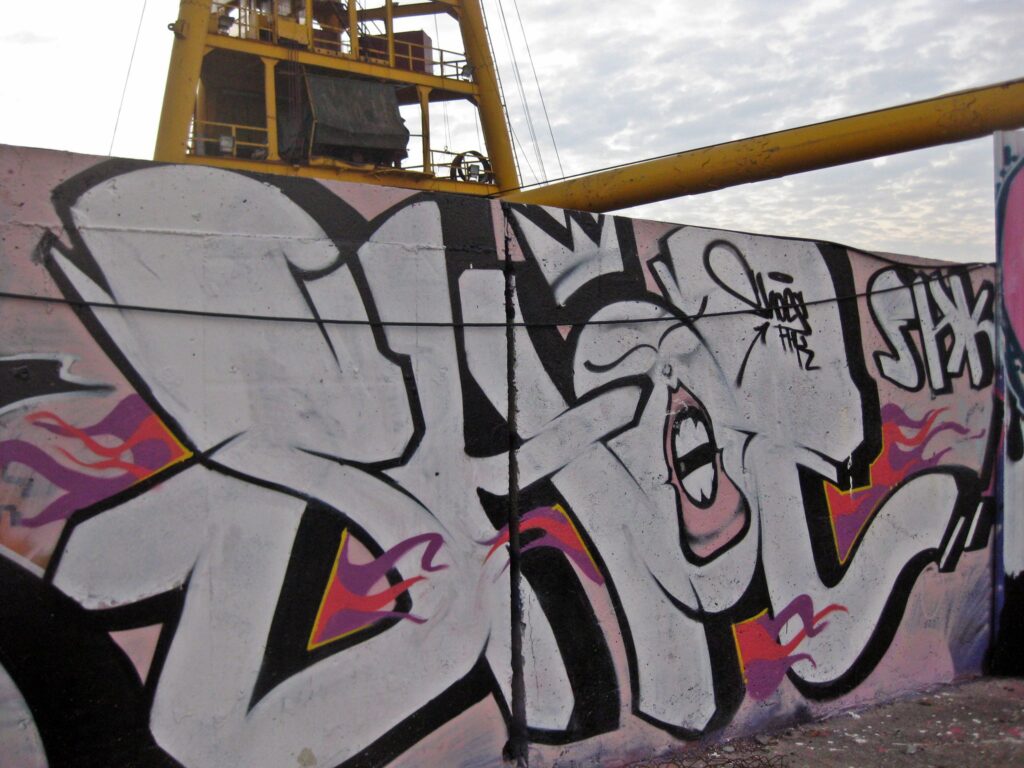
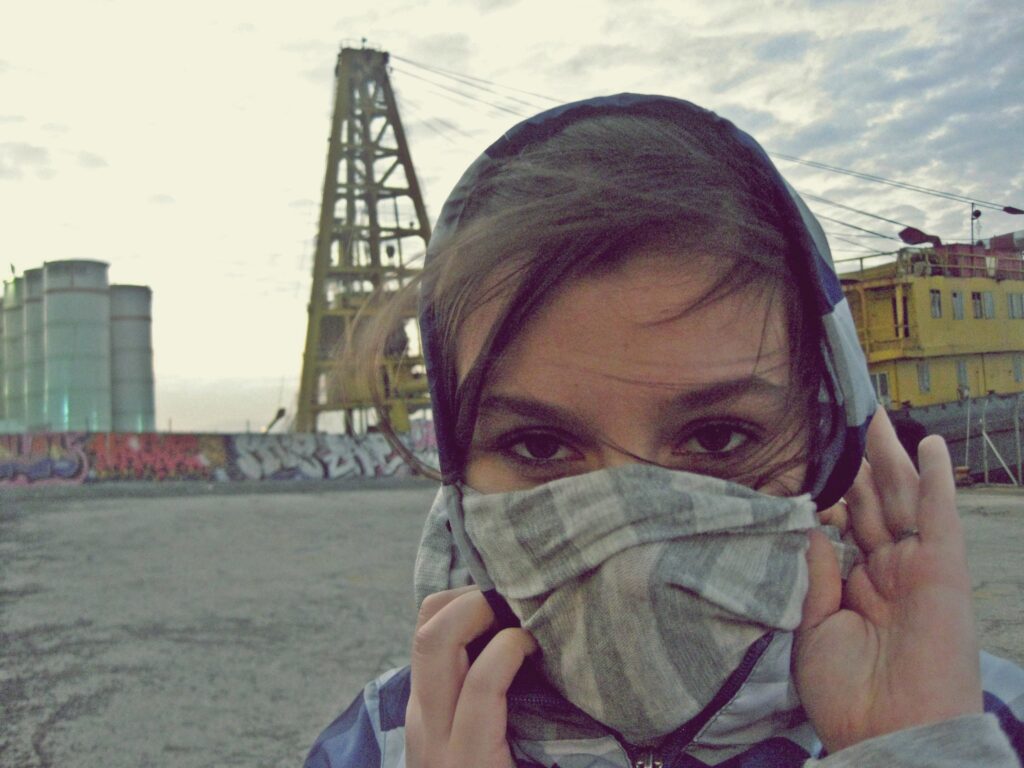
What is striking is how early the signal is. Young artists, designers, writers moving between abandoned factories, rooftops, temporary studios. Graffiti is still peripheral, almost invisible, but tolerated in certain zones. We leave small marks, quickly, deliberately. Not signatures for ego, but coordinates. Proof of passage.
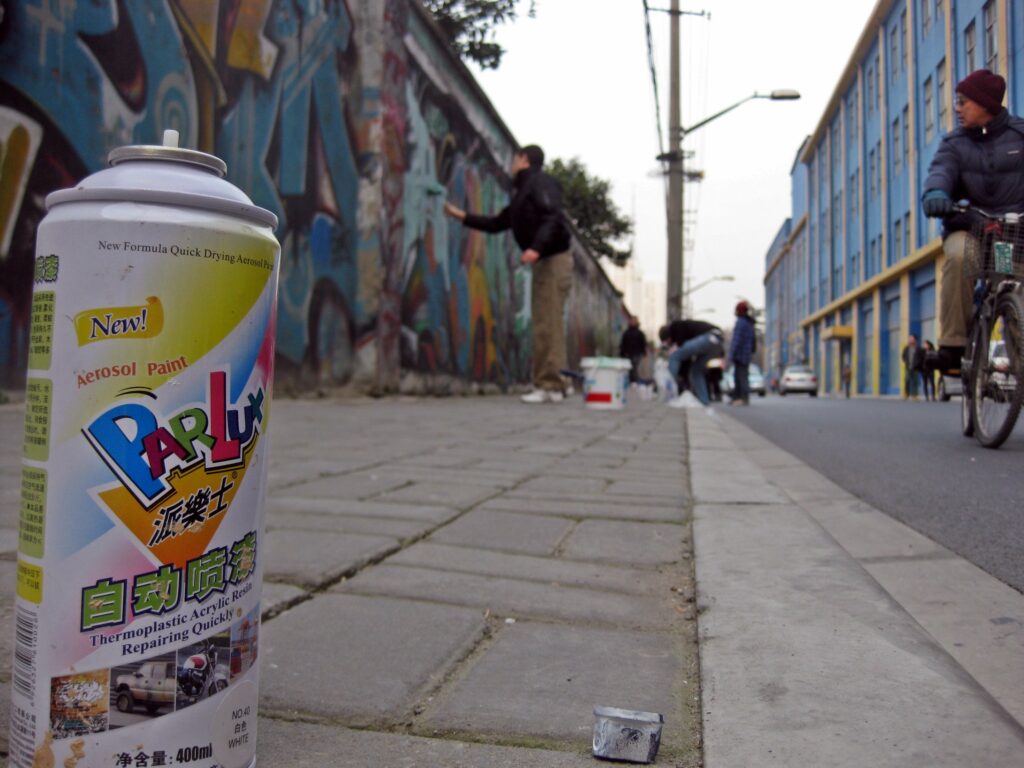

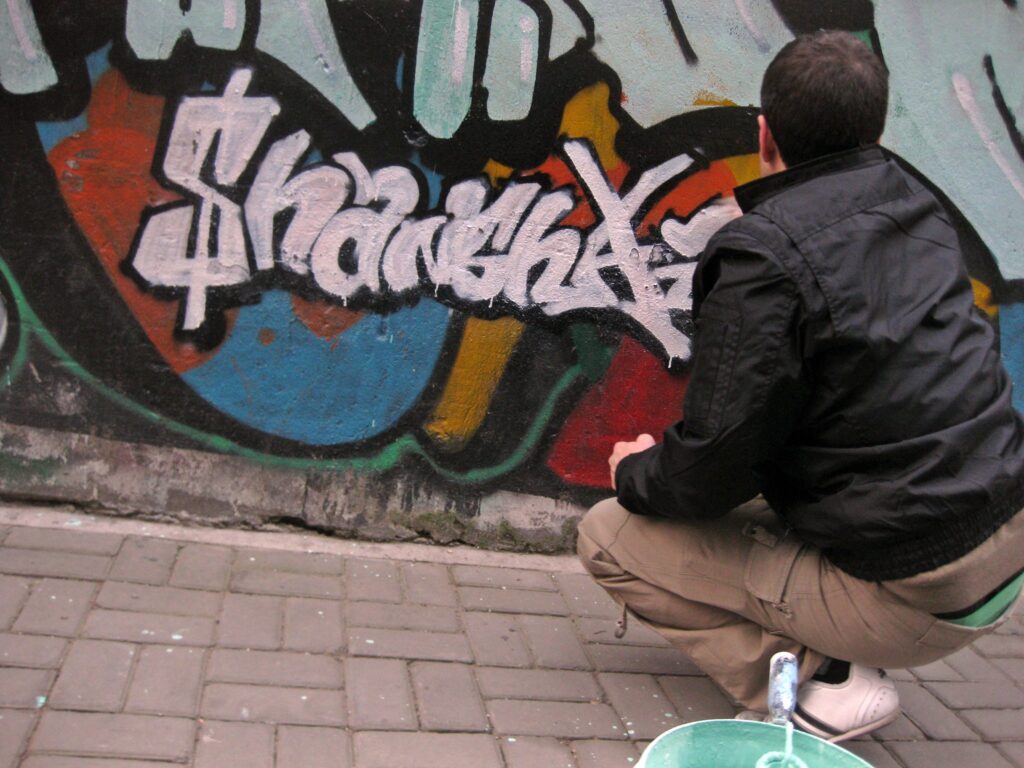

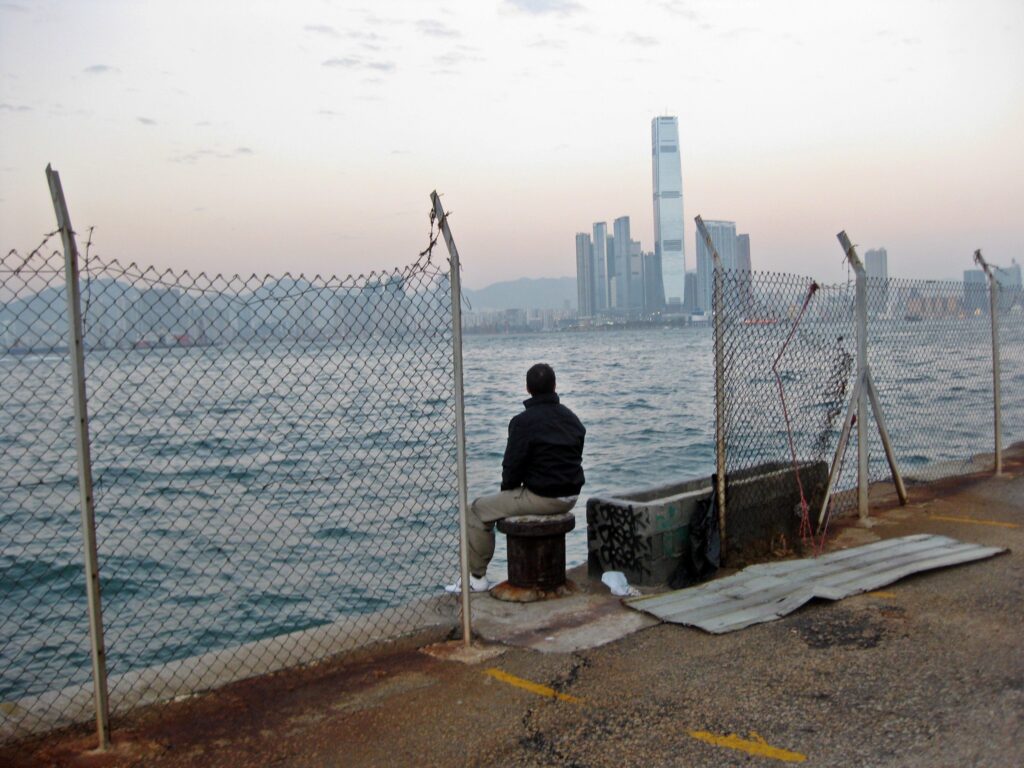
Crossing into Hong Kong just after the new year feels like changing tempo rather than direction. If Shanghai is vertical and speculative, Hong Kong is dense and electric. Everything moves faster. Money, ideas, images. The institutional layer is quieter here, but the networks are sharper. Galleries, fashion buyers, music promoters, collectors all overlapping in the same few districts. Our first contact with MTR and signage of this unique city on the harbour.
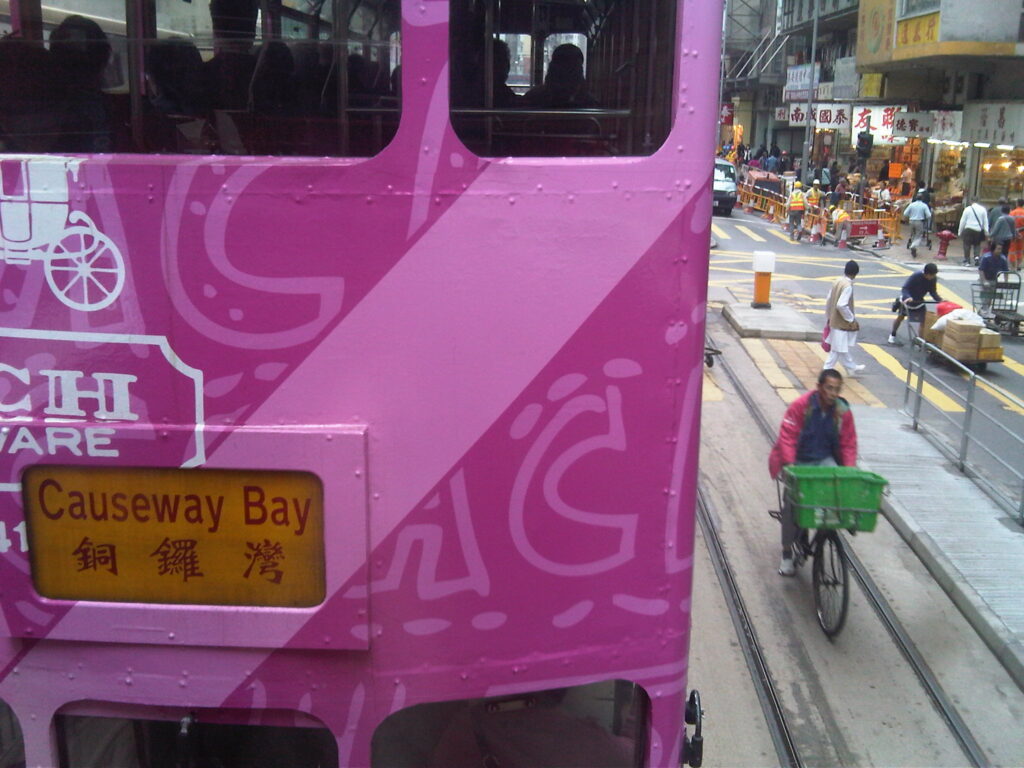
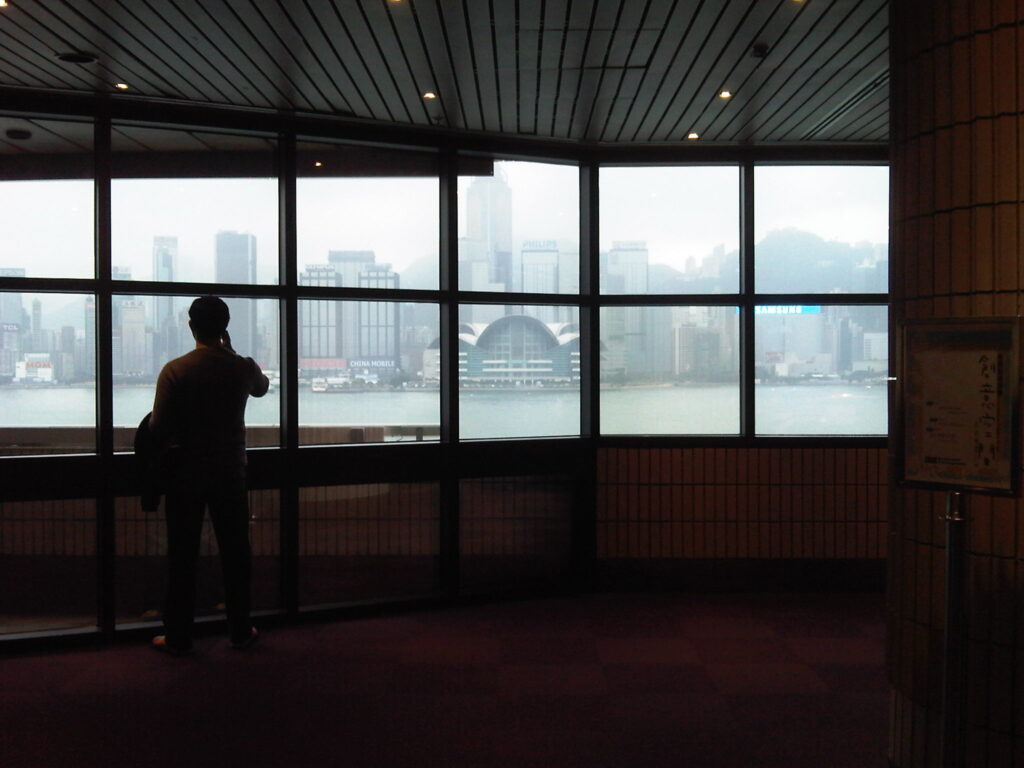
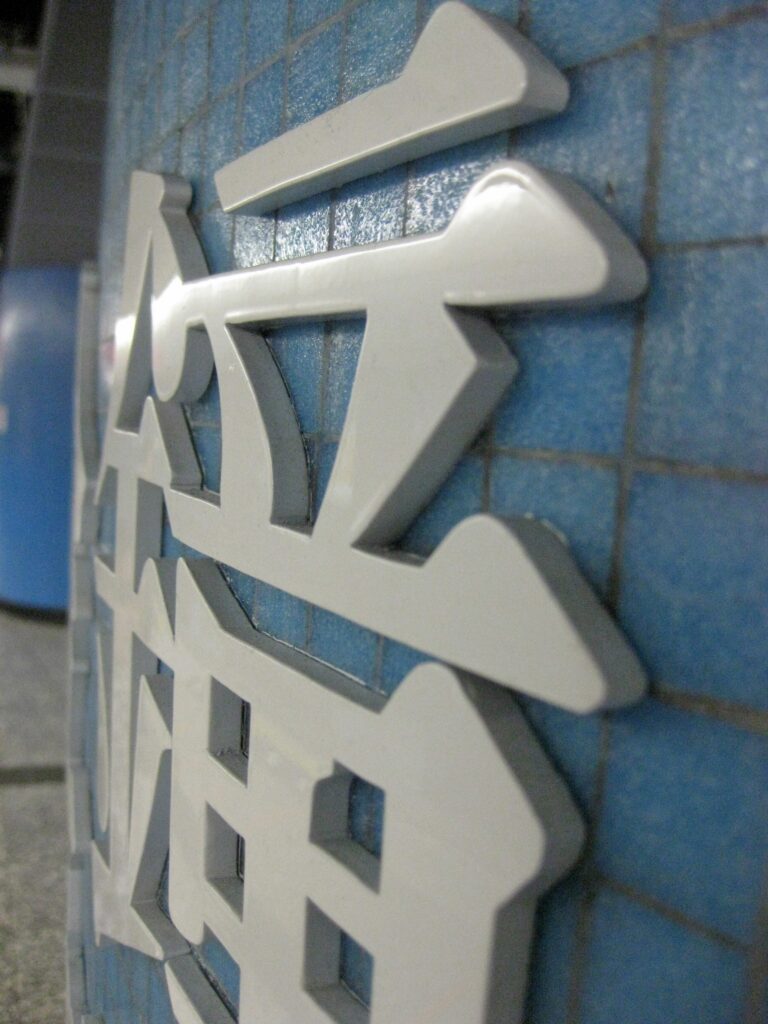
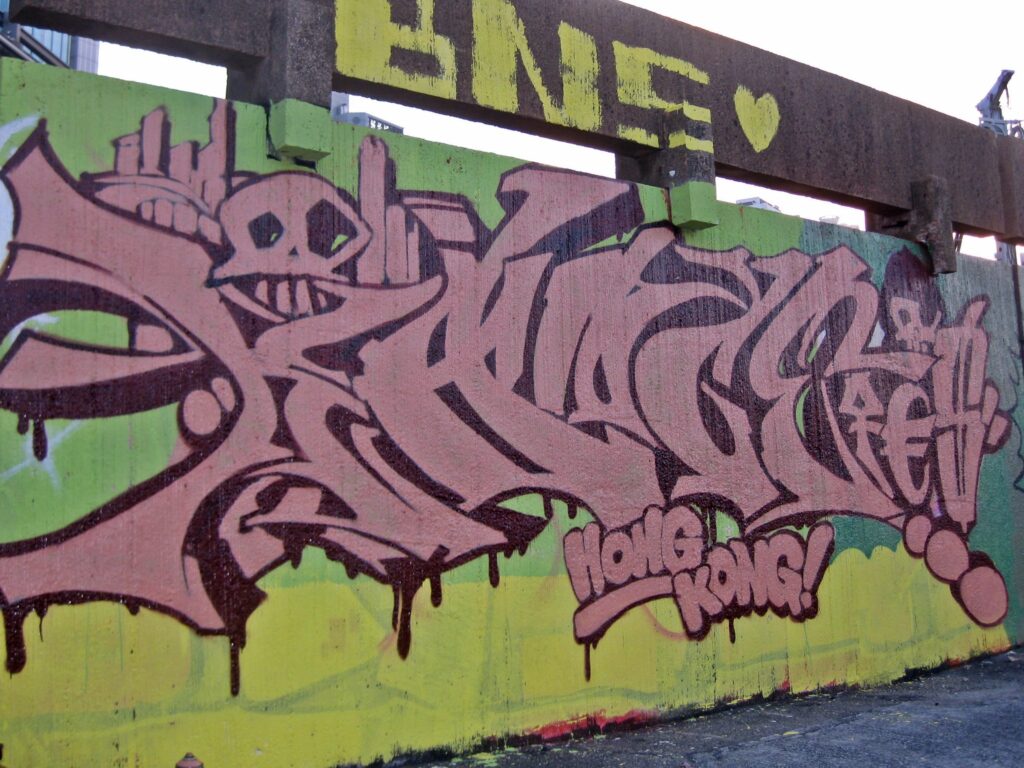
Here, graffiti lives in tighter spaces. Back alleys, industrial stairwells, rooftops overlooking the harbor. Again, we leave marks. Ephemeral. Often erased within weeks. That is fine. The point is not permanence, but contact.





Retail already understands what institutions are still decoding. The freshly opened A Bathing Ape store feels less like a shop and more like an embassy. Nigo’s vision is fully intact here. Japan translating hip hop, then re-exporting it into Asia with precision. Walking inside, you feel that street culture is no longer underground. It is being scaffolded.


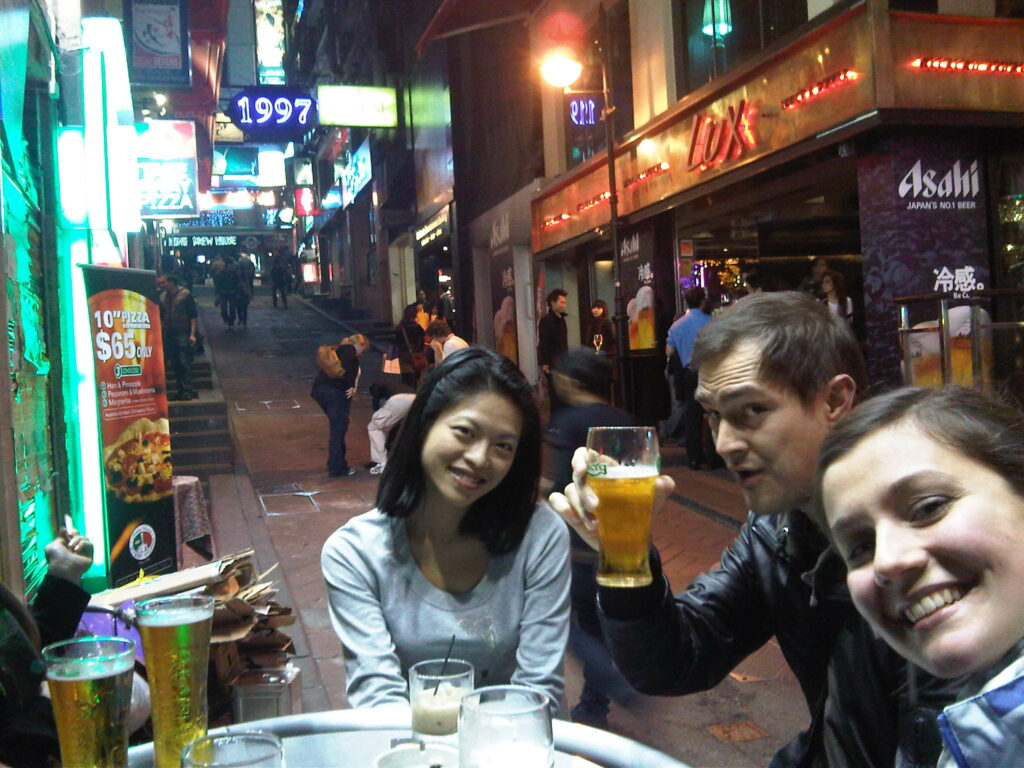
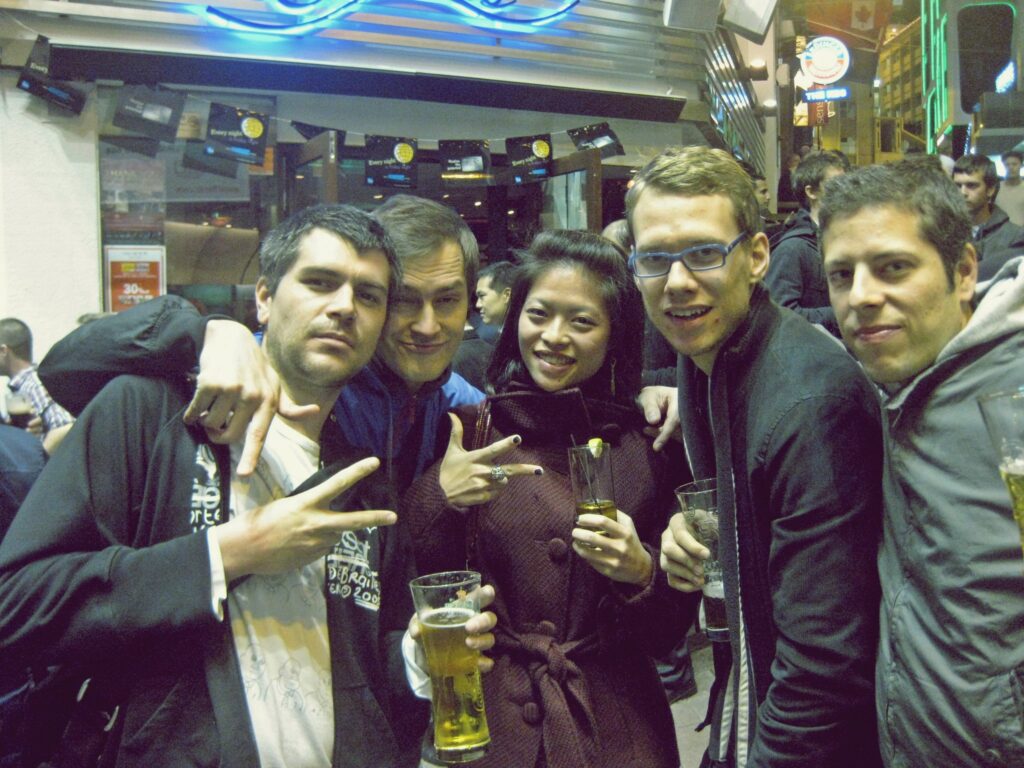
Looking back, it is clear that this period sits just before the acceleration. Many of the artists encountered in kitchens, small studios, late-night bars will, within a few years, define what becomes recognized as the Asian urban art scene. At the time, there is no label. Just exchange.
This trip feels less like a tour and more like seeding. Institutions listening. Retail acting early. Artists absorbing and mutating influences from New York, Tokyo, Europe, and feeding them back into their own cities.
Winter 2009 to January 2010 marks a threshold. The moment before Asia stops importing street culture and starts exporting its own.