We landed in Tokyo at the very end of 2013, staying into early January 2014. New Year’s Eve. A quick trip. Focused. Dense. One month before everything broke.
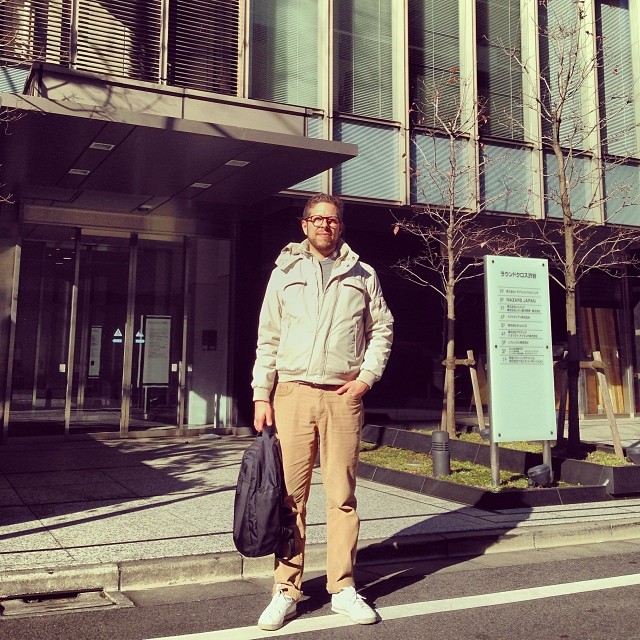
At that point, Mt. Gox was still officially alive. Barely. The signs were there, even if no one wanted to name them. In February 2014, withdrawals would be suspended, the website would go dark, and bankruptcy would be filed in Tokyo. But in those final weeks, the system was still pretending to function.
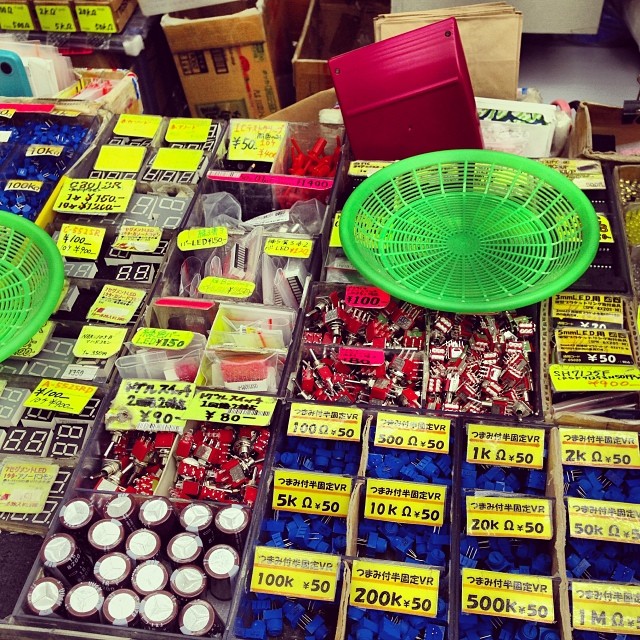
Our mission was technical. We were exploring new cooling solutions for mining chips. Thermal efficiency. Hardware survival. We had dedicated meetings lined up with local teams and parts of the community. On paper, it was the right place to be.
Inside the offices, the atmosphere was tense. Not loud. Not chaotic. Worse. Controlled silence. Conversations felt measured. Eyes careful. Everyone sensed fragility, even if no one said the word. Trust had started to leak out of the room.
After a few meetings, we stepped back. The deal was abandoned. Not out of fear, but clarity. Sometimes you leave because the structure is already cracked, even if it hasn’t fallen yet.
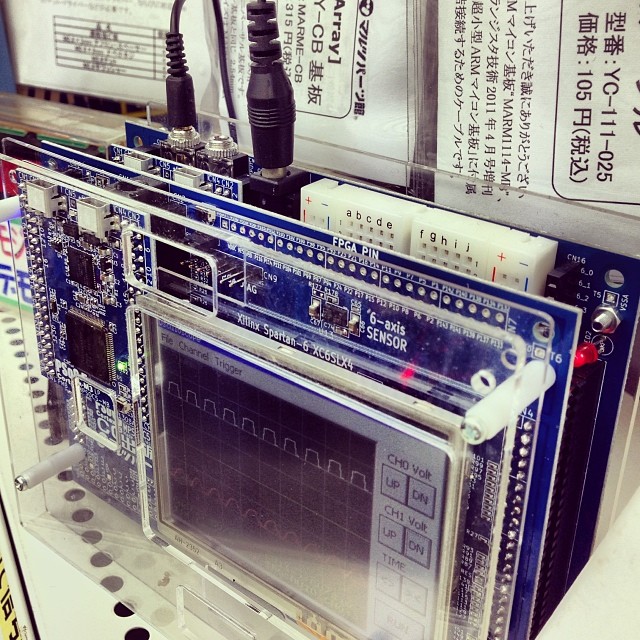

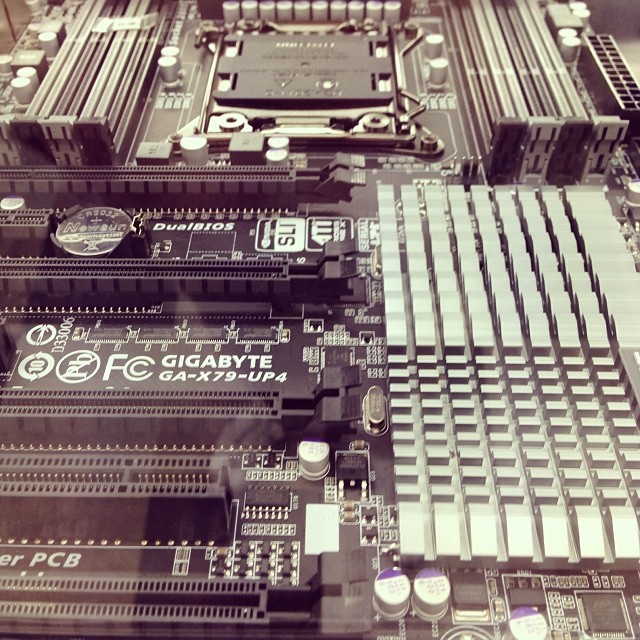

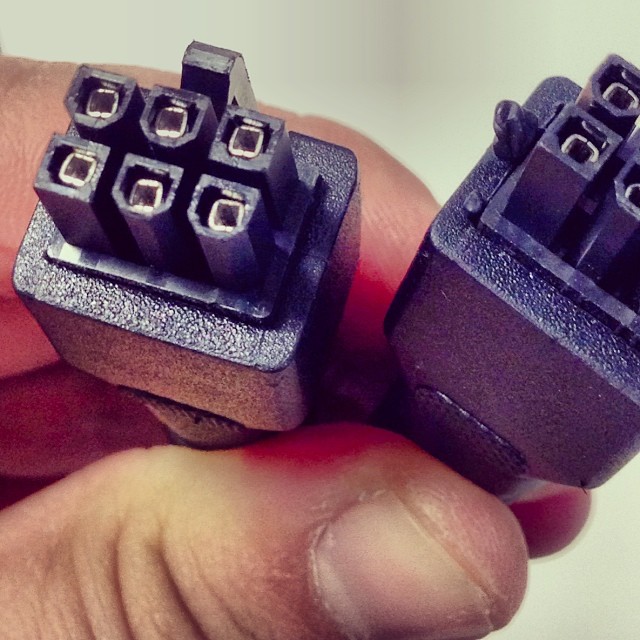
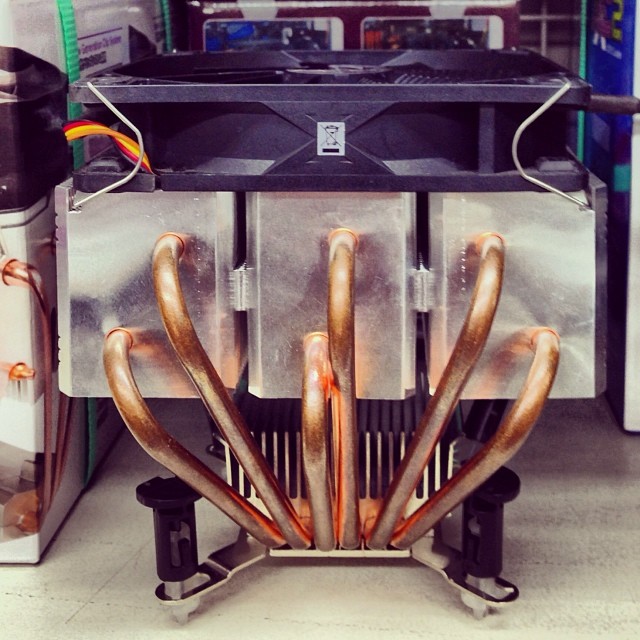

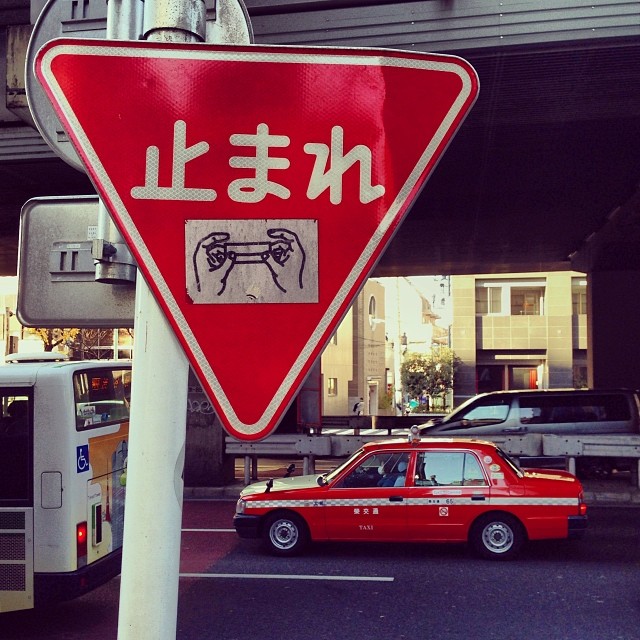
Tokyo usually does not celebrate New Year’s Eve. It turns inward. Families. Shrines. Routine. But that year, something surfaced.
That night we ended up at Le Baron, the Paris-born concept by André Saraiva. The real scene was there. No spectacle. No excess. Music tight. Energy precise. Tokyo doesn’t party often, but when it does, it commits.
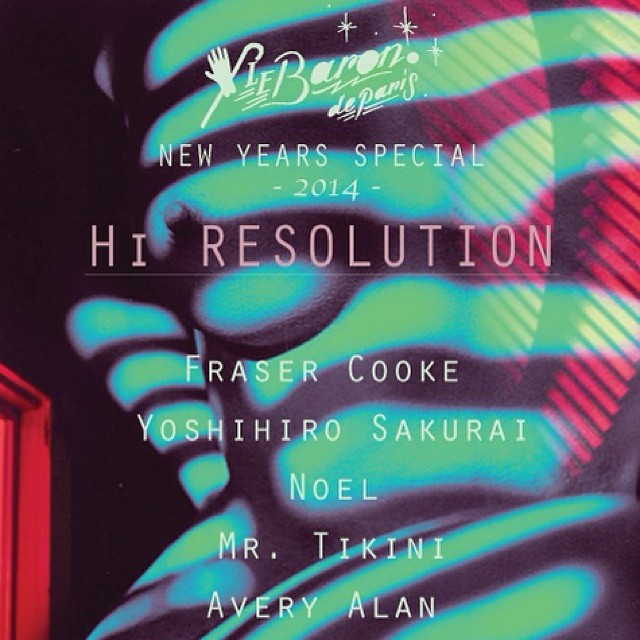
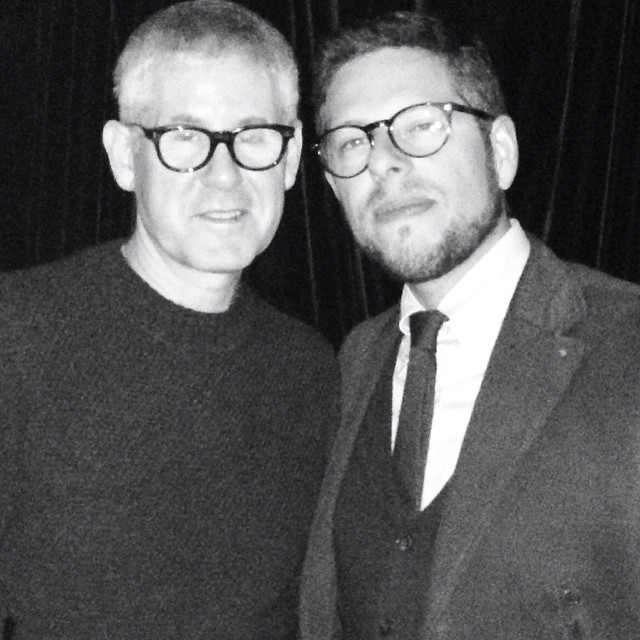
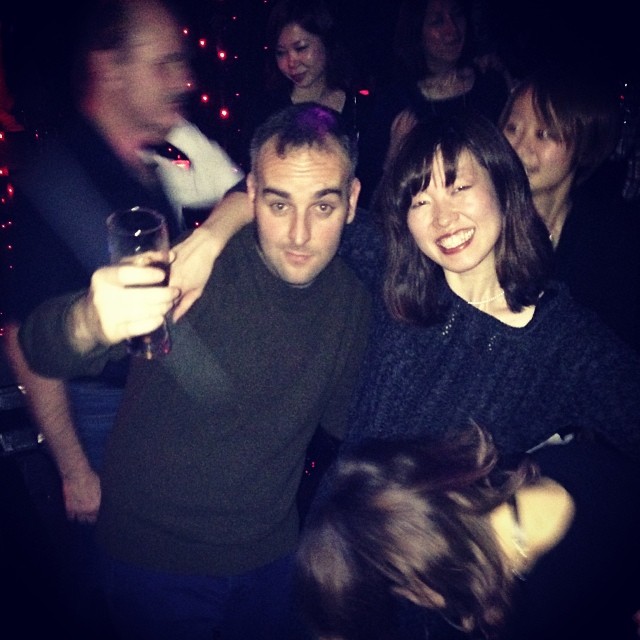


In that room, we met Fraser Cooke for the first time. No introductions needed. Just conversation. The kind that happens when cities briefly loosen their rules.
Outside, the city stayed sharp. Neon steady. Trains running. Inside, the year turned quietly.
One month later, Mt. Gox collapsed.
Looking back, the contrast is clear.
Tension in the daytime.
Release at night.
Tokyo gave us both, right before the silence.