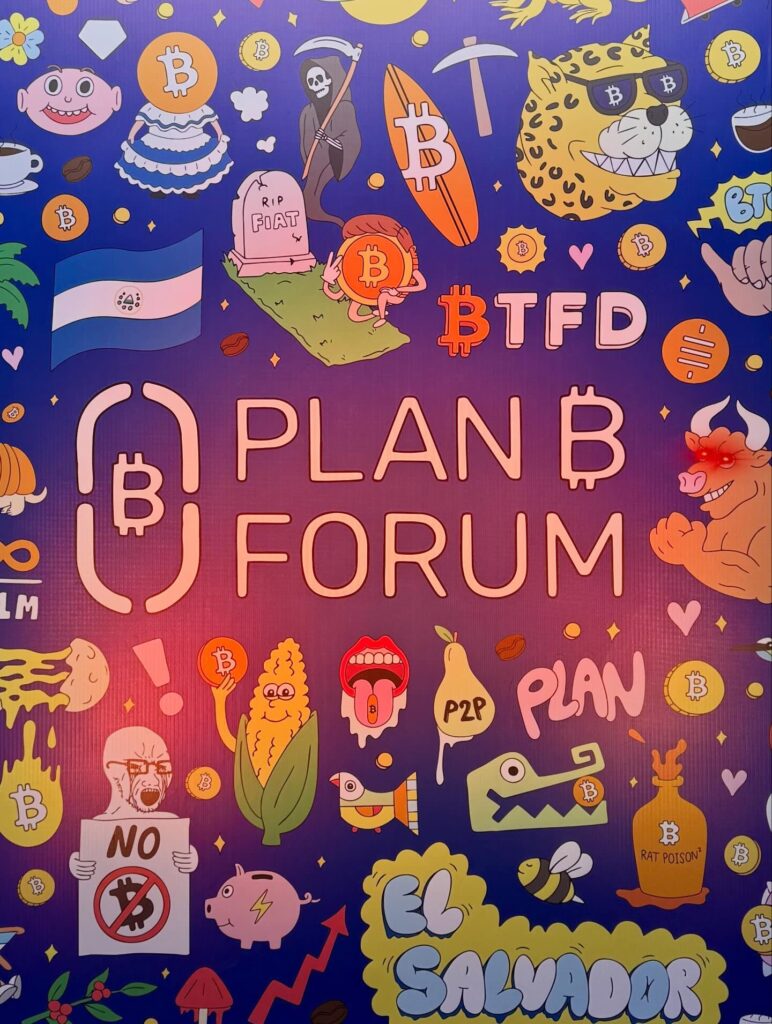
In January, I traveled to San Salvador with a particular curiosity: to visit the first Bitcoin country, attend the Plan B Forum, and see how an idea once considered marginal, almost impossible, has become part of the national narrative of El Salvador.
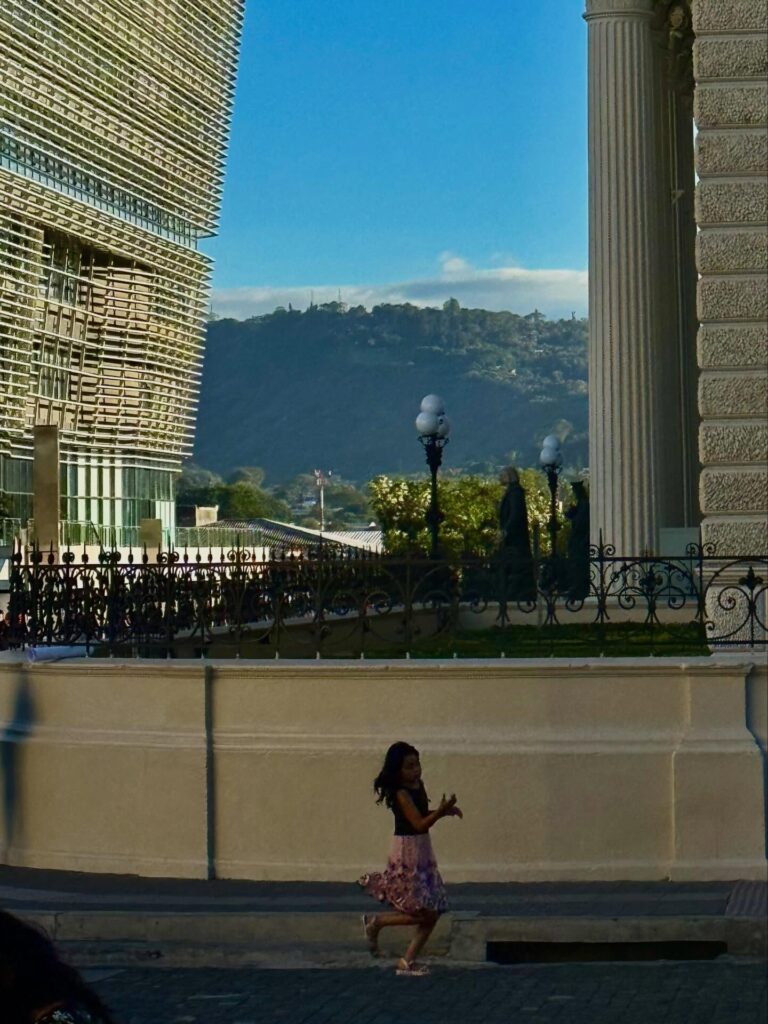
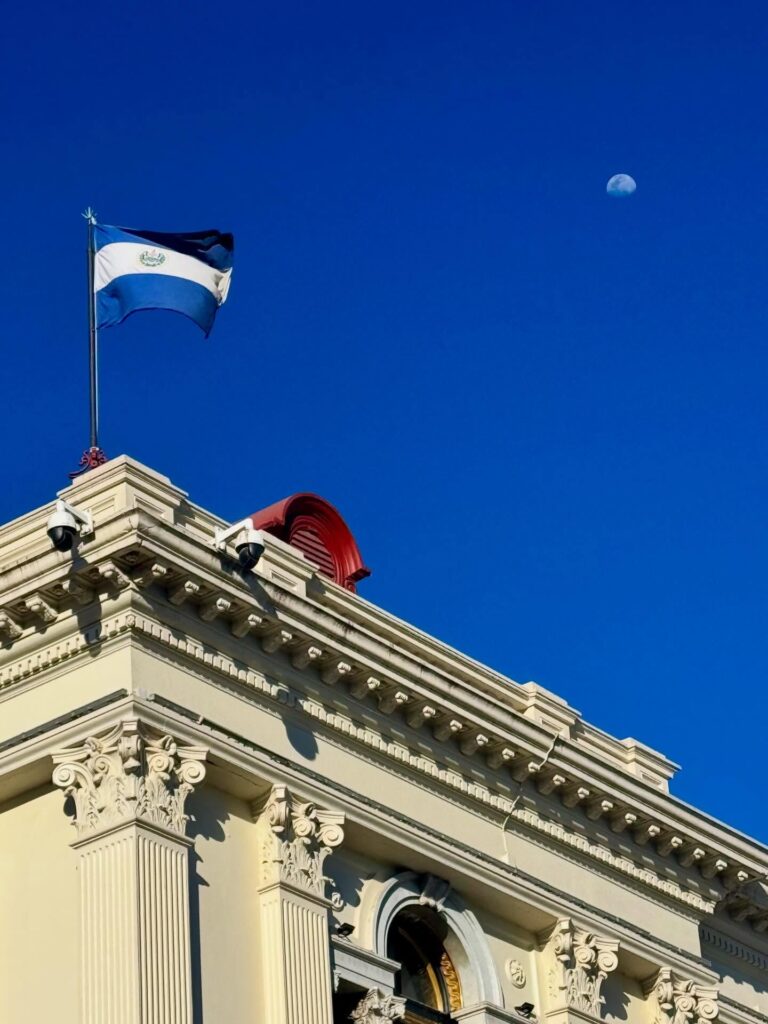
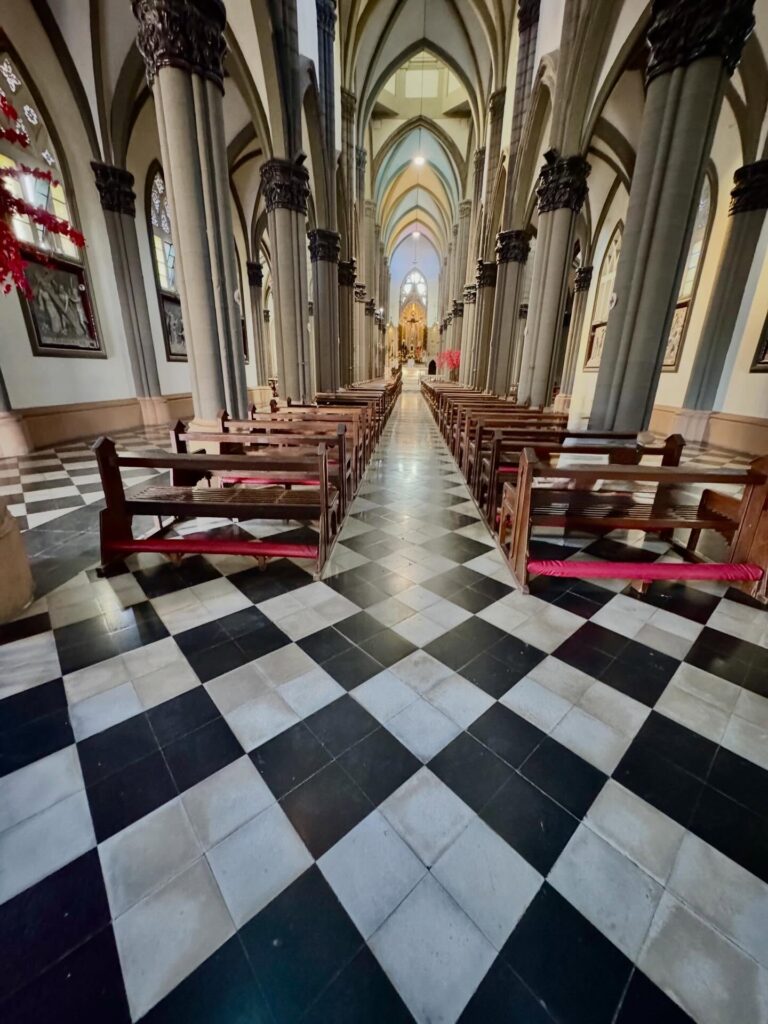
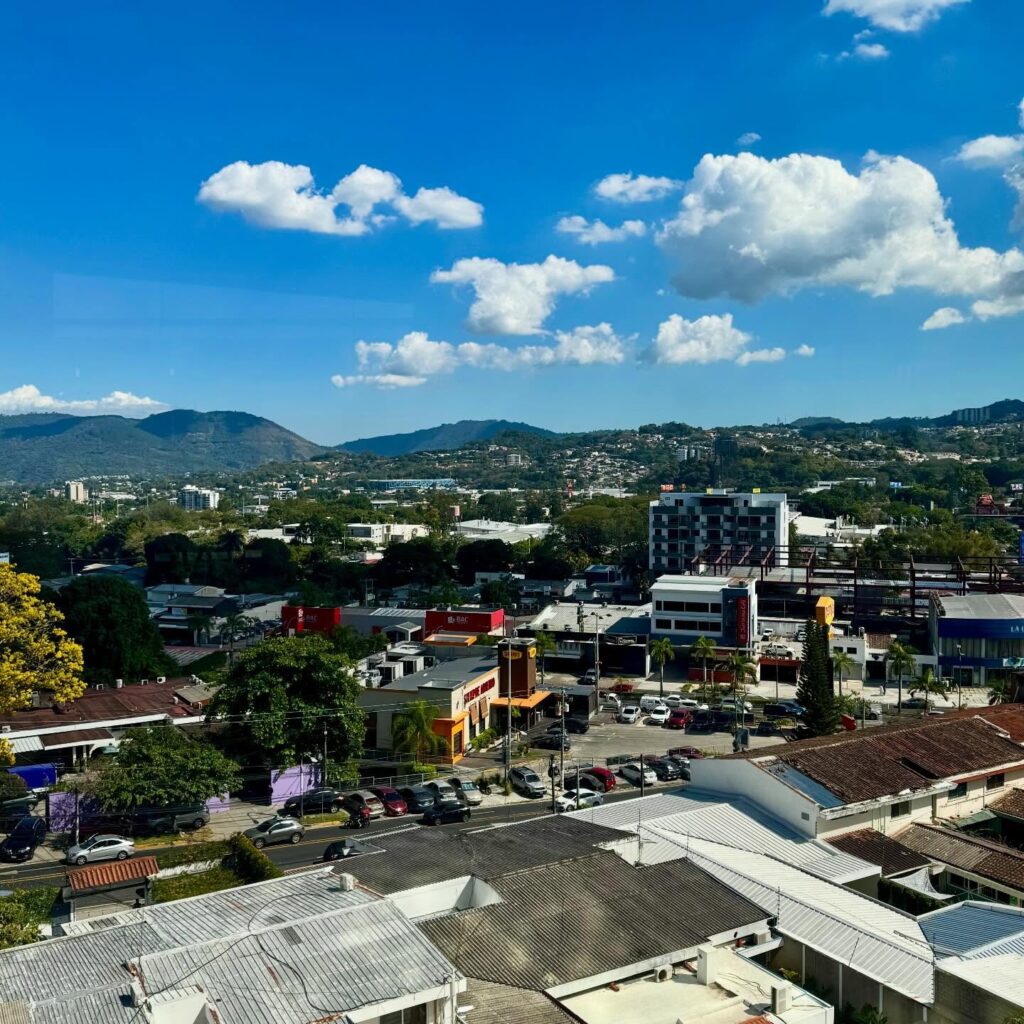
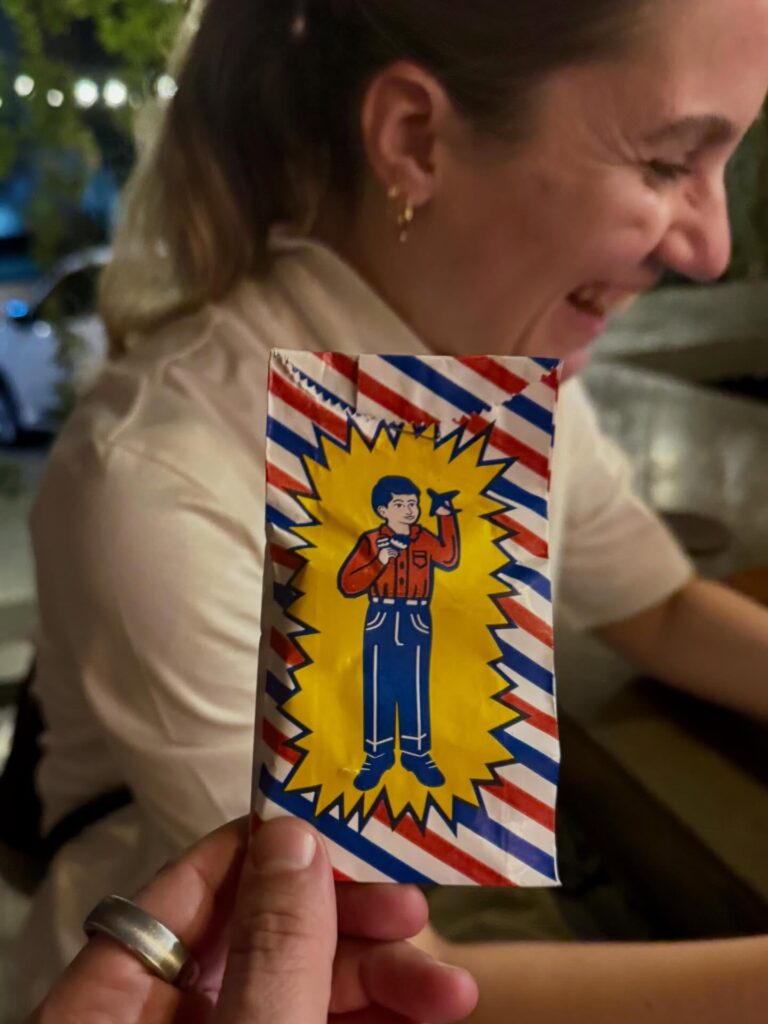
But travel is never only about conferences, institutions, or projects. It is also about light, smells, unexpected conversations, food, streets, and the strange feeling of recognizing something new as if it had been waiting for you.
San Salvador arrived first through heat.
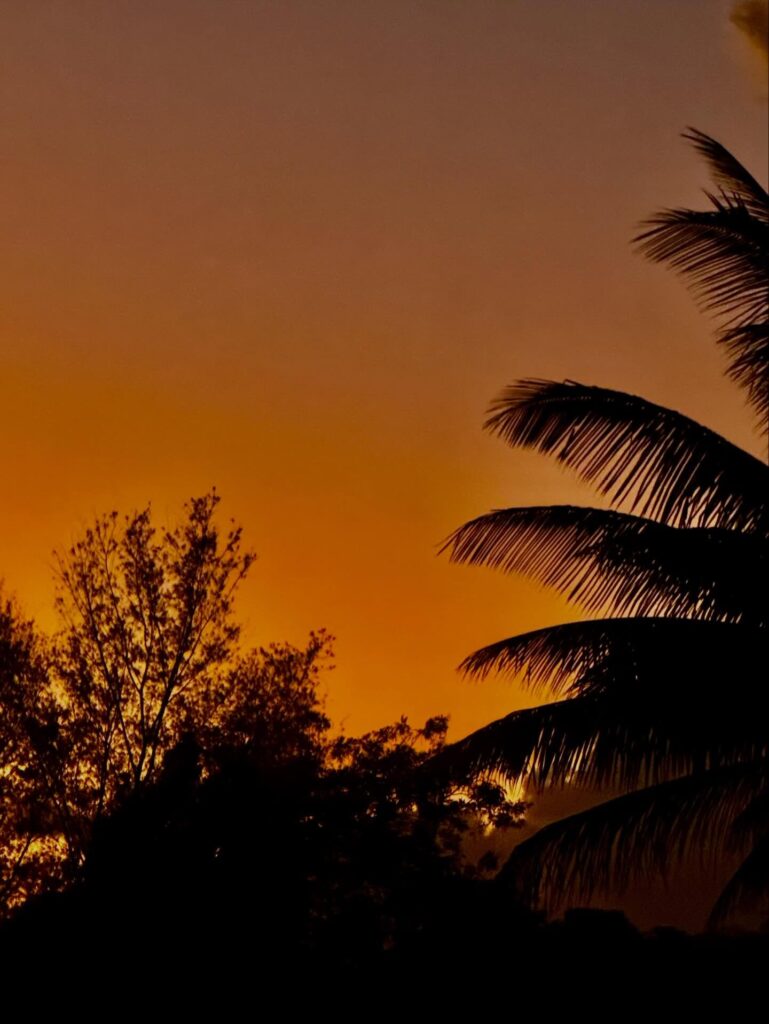
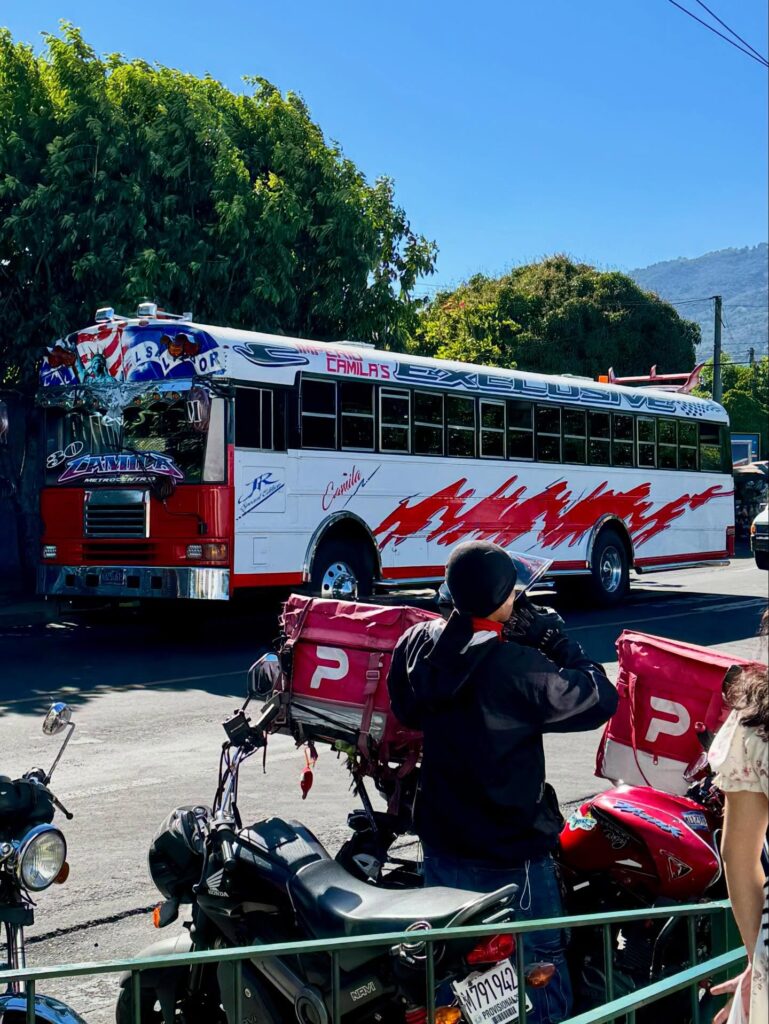
A dense, physical warmth. Not only climate, but atmosphere. The city has a rhythm that does not ask permission. Cars, vendors, voices, music leaking from open doors, the scent of corn, coffee, grilled meat, and fried plantains. In the morning, the air felt almost electric. In the evening, the sky turned volcanic, suspended between orange, violet, and deep tropical blue.
I came to El Salvador because of Bitcoin, but I quickly understood that Bitcoin here is not just a technology story. It is also a story of identity, sovereignty, risk, pride, contradiction, and imagination. To walk through San Salvador while attending the Plan B Forum was to experience Bitcoin outside the abstract language of charts and protocols. It was suddenly embedded in place, in faces, in conversations, in the question of what a small country can dare to become when it refuses to be defined only by its past.
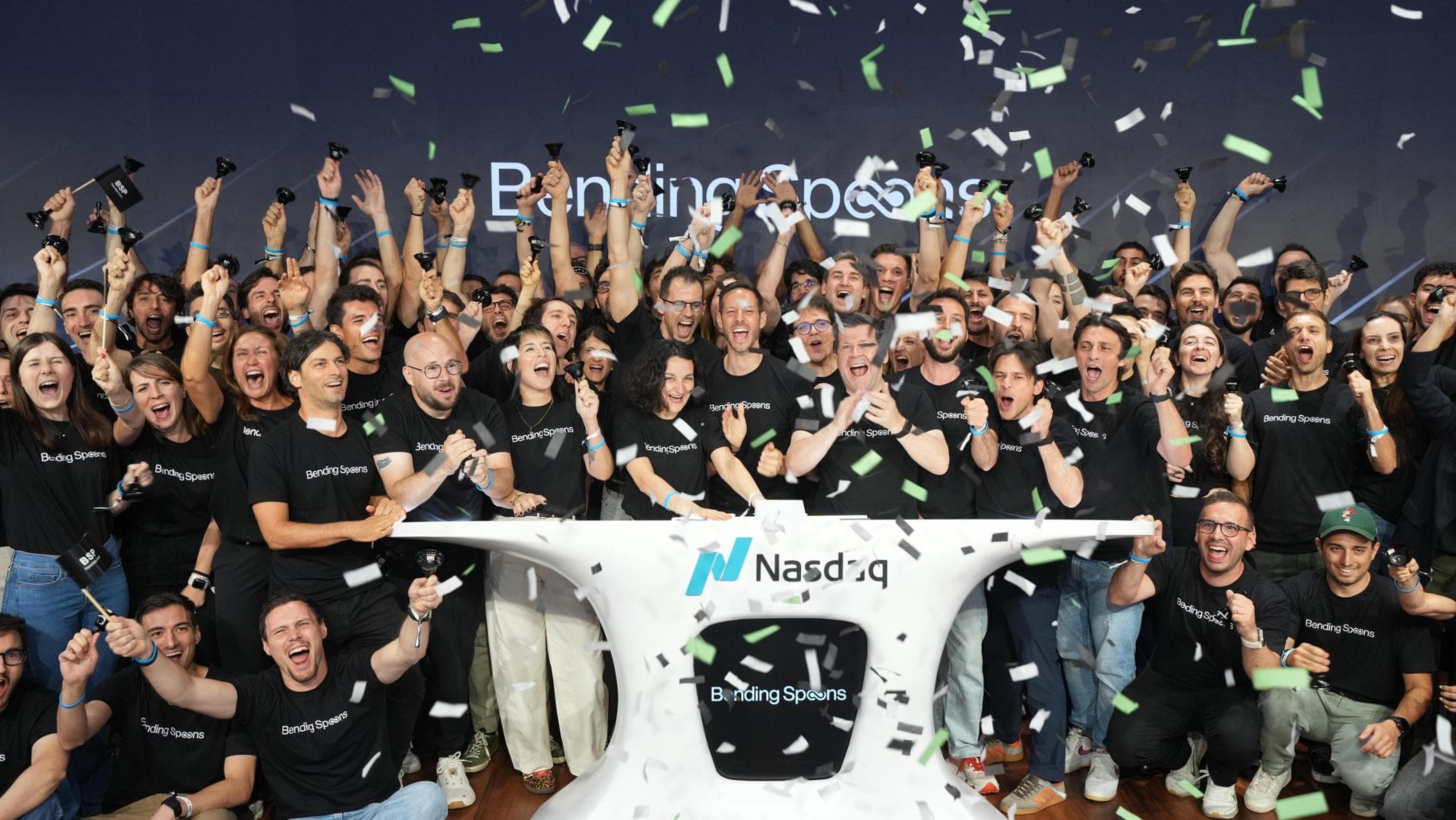
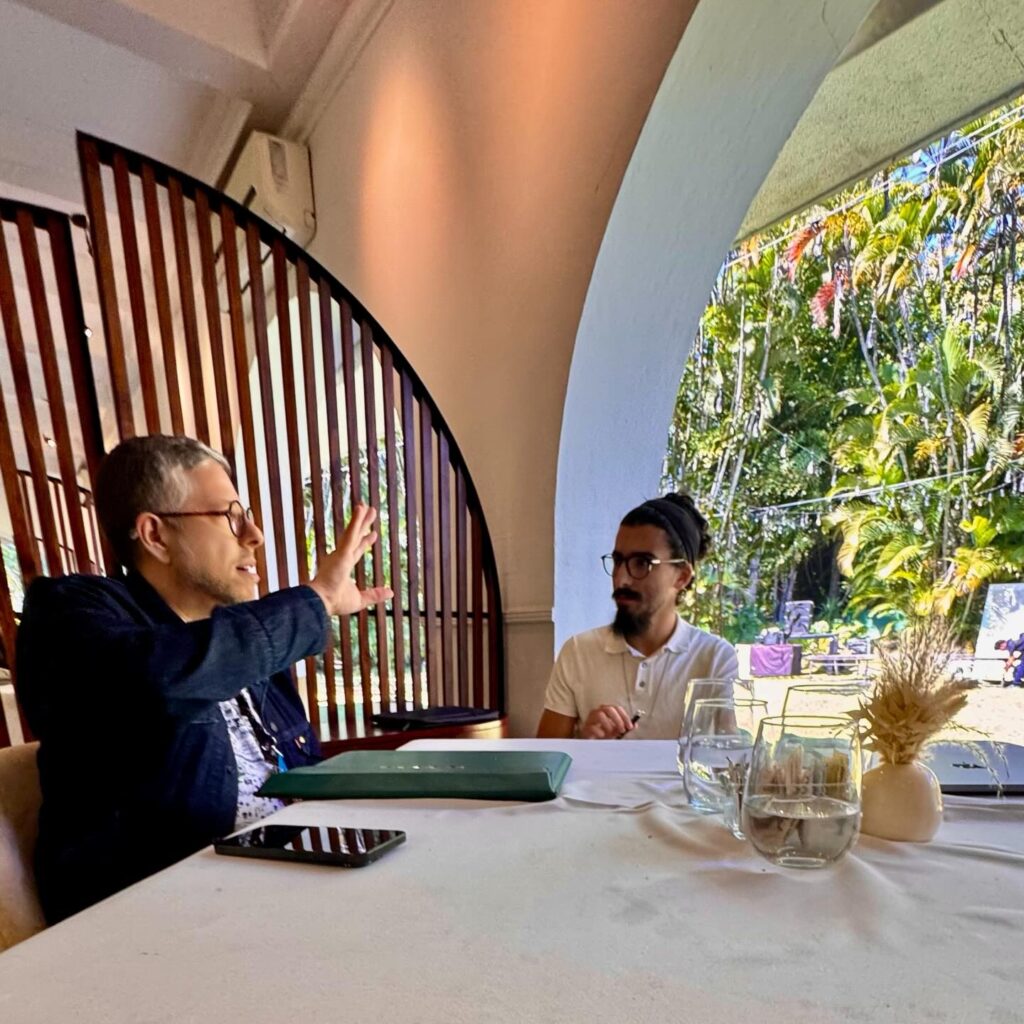
The Plan B Forum brought together a familiar but always fascinating constellation: builders, thinkers, investors, cypherpunks, entrepreneurs, idealists, and pragmatic operators. Some were old friends. Others became new ones over coffee, panels, dinners, or late conversations that moved from mining to politics, from monetary freedom to architecture, from regulation to the future of human coordination.
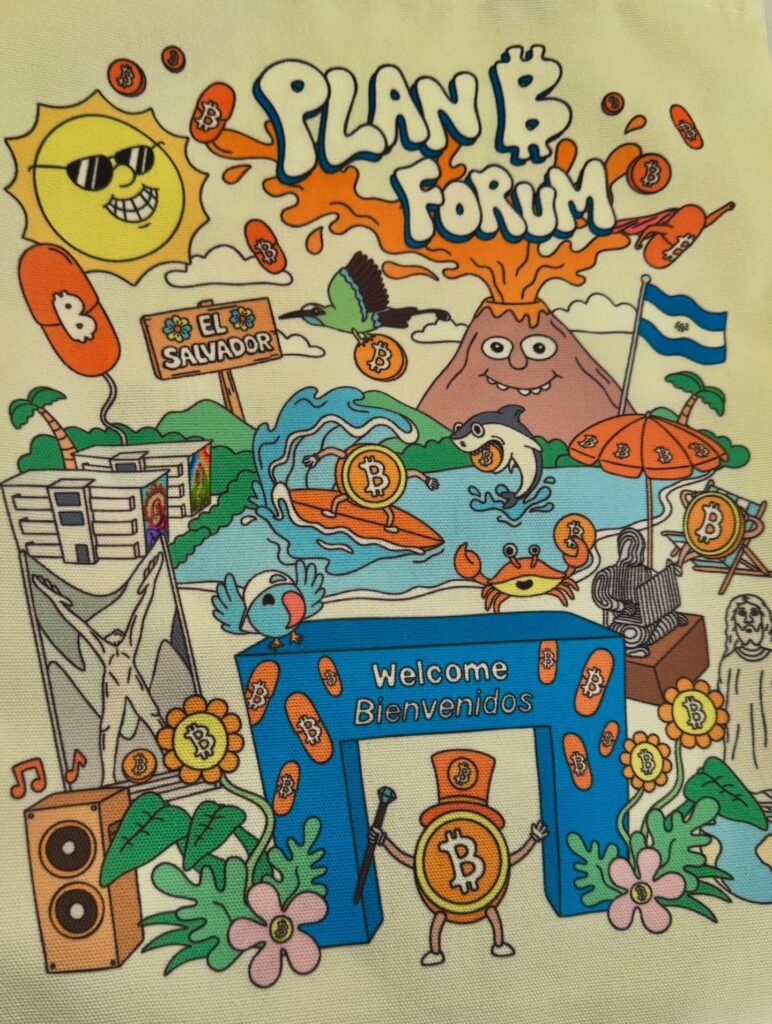

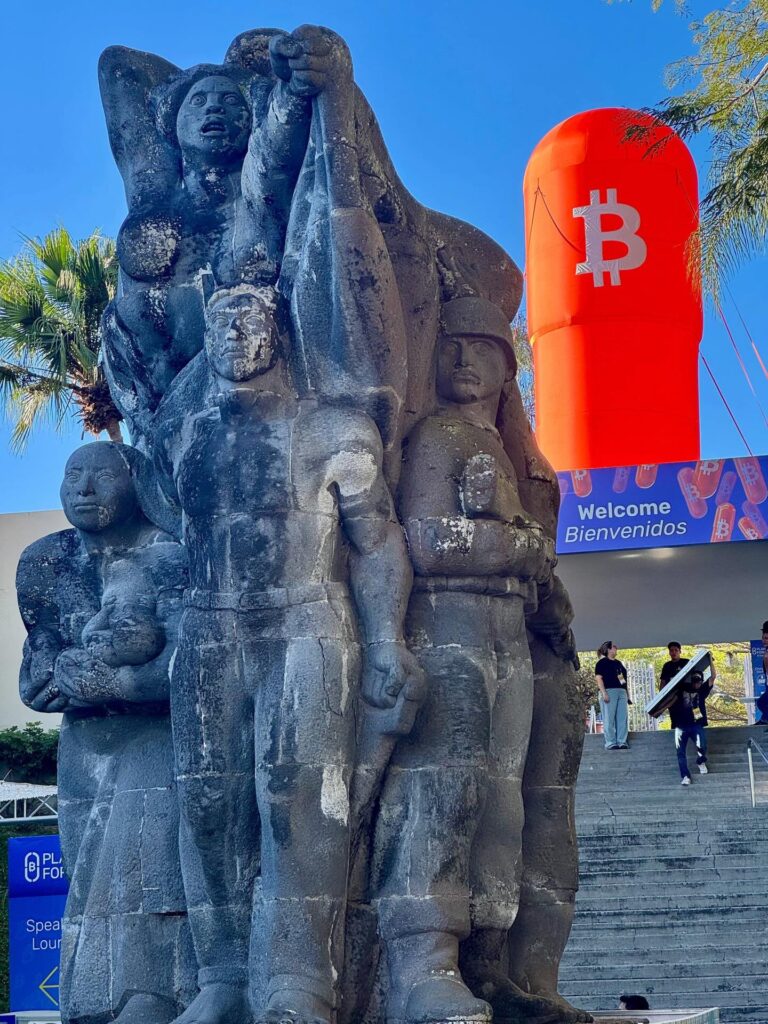
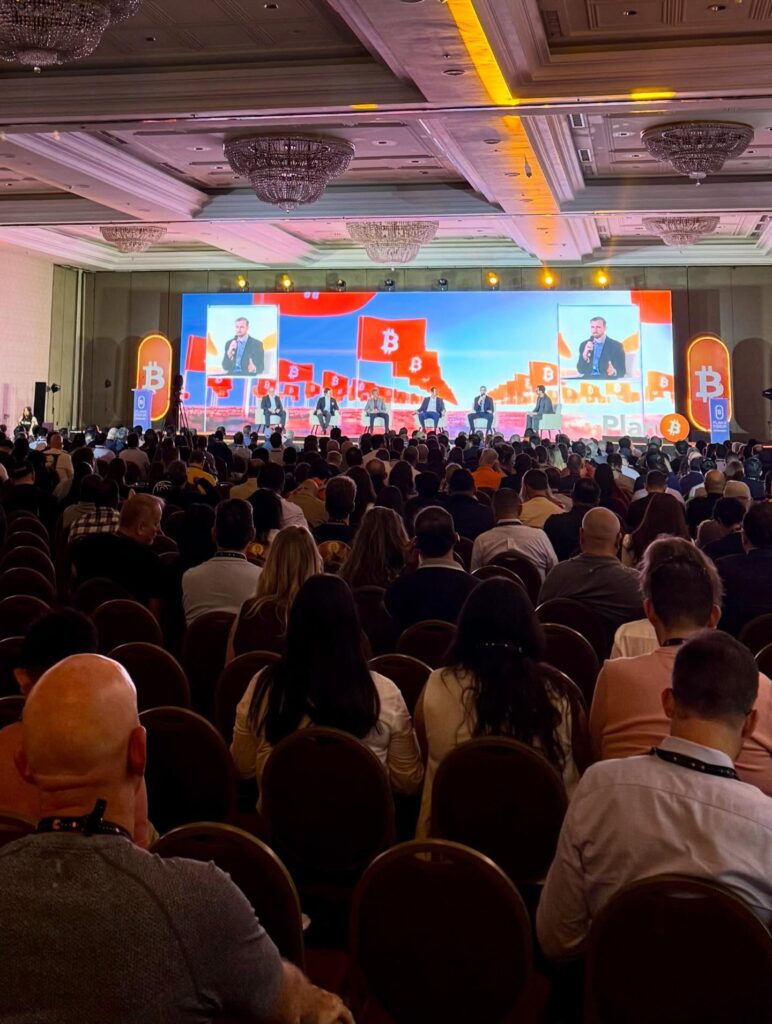
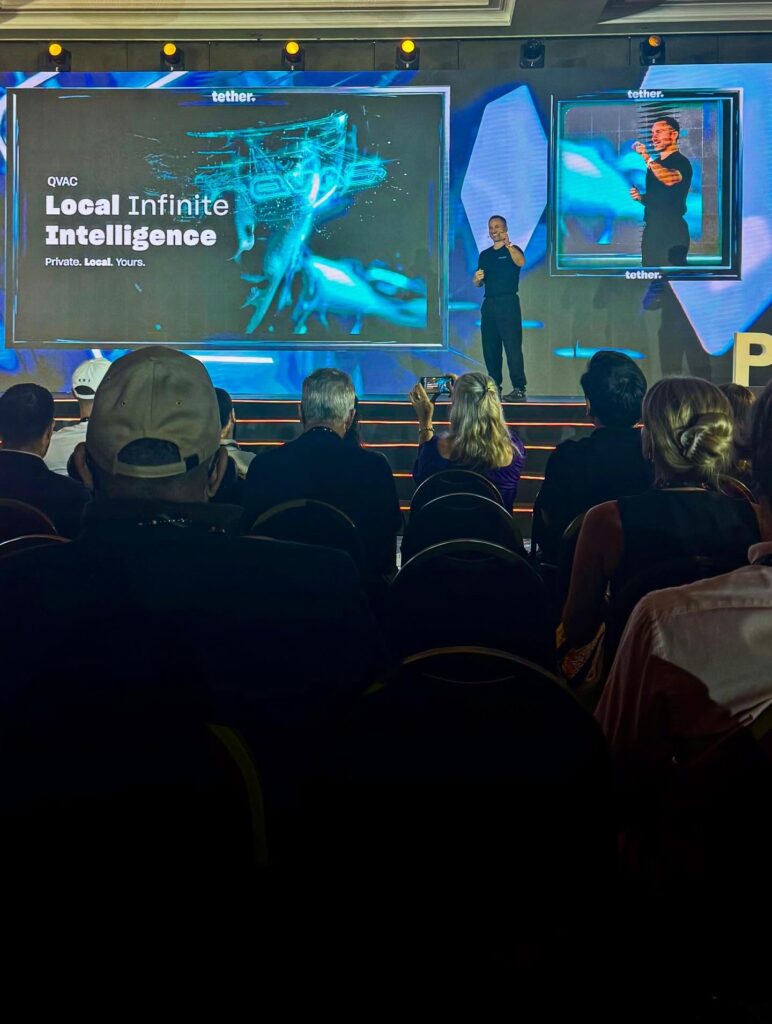
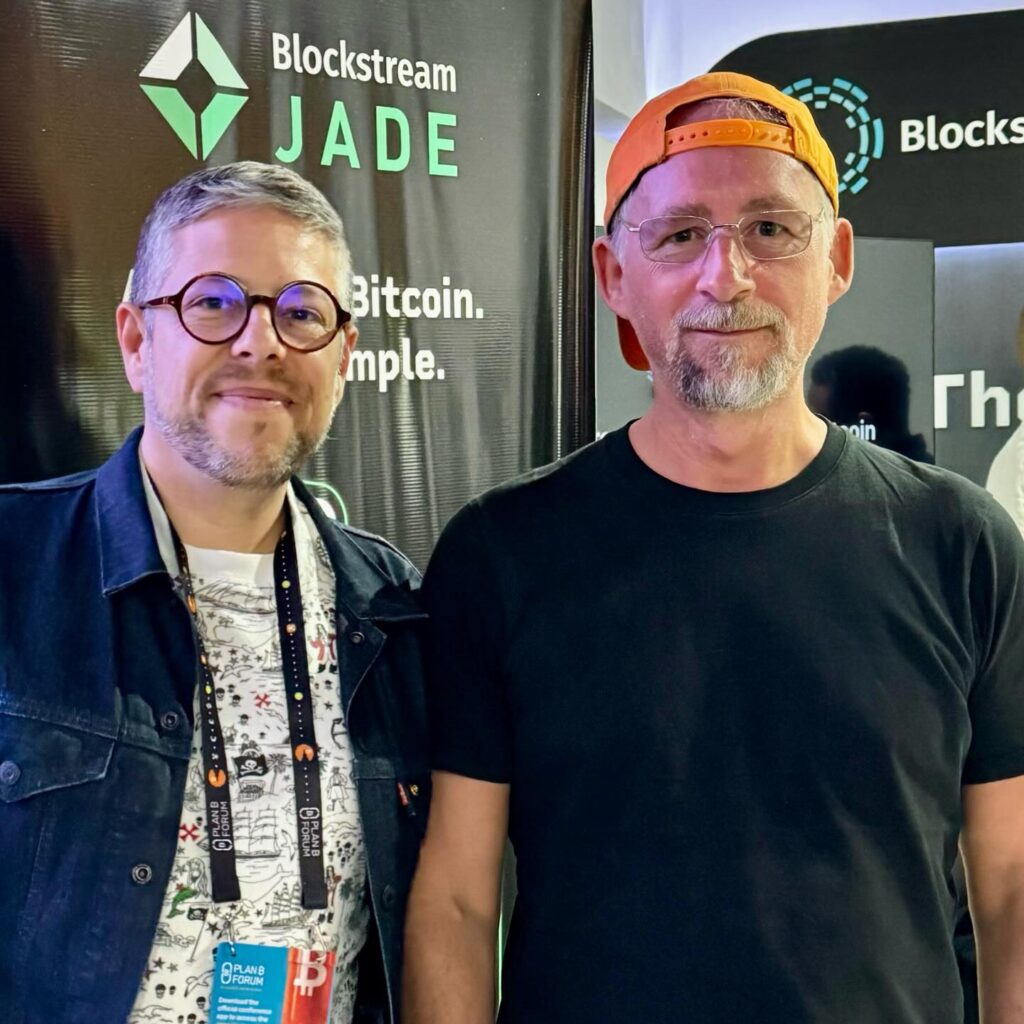
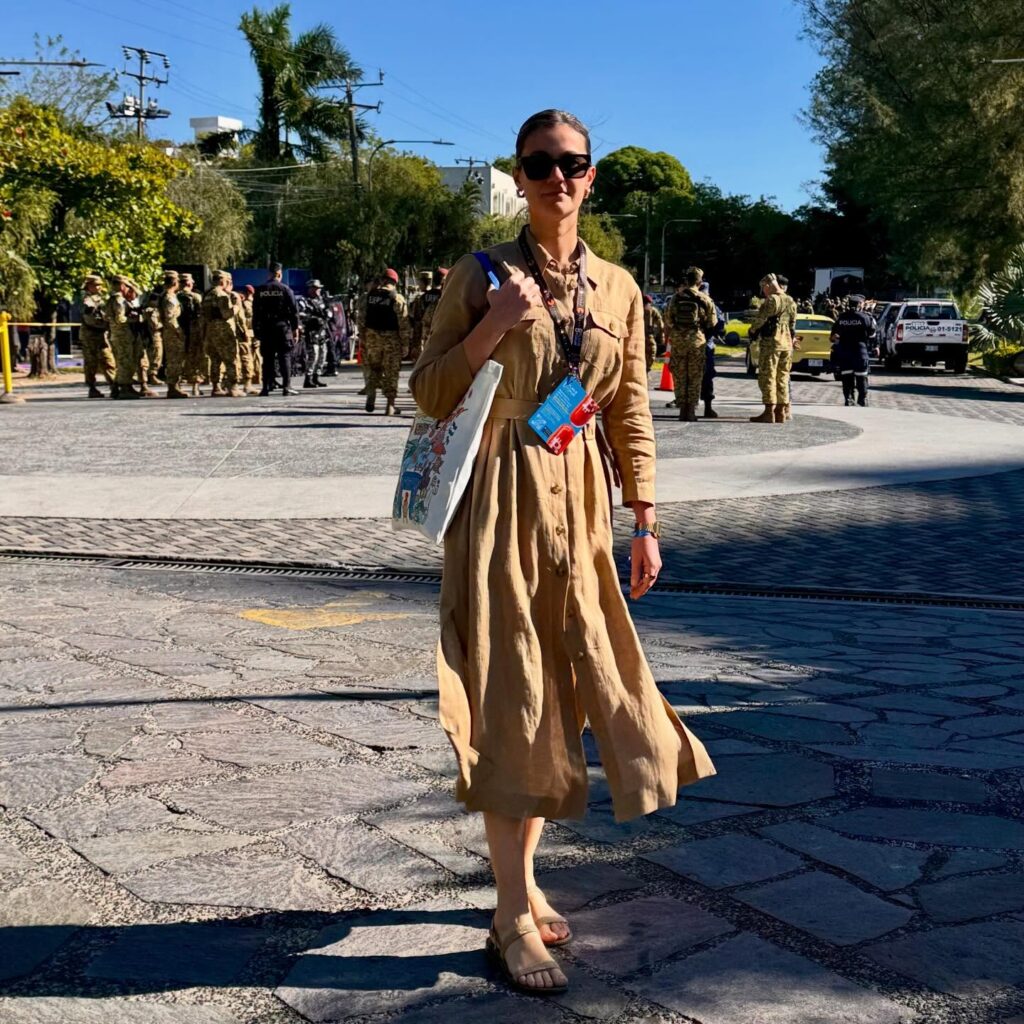
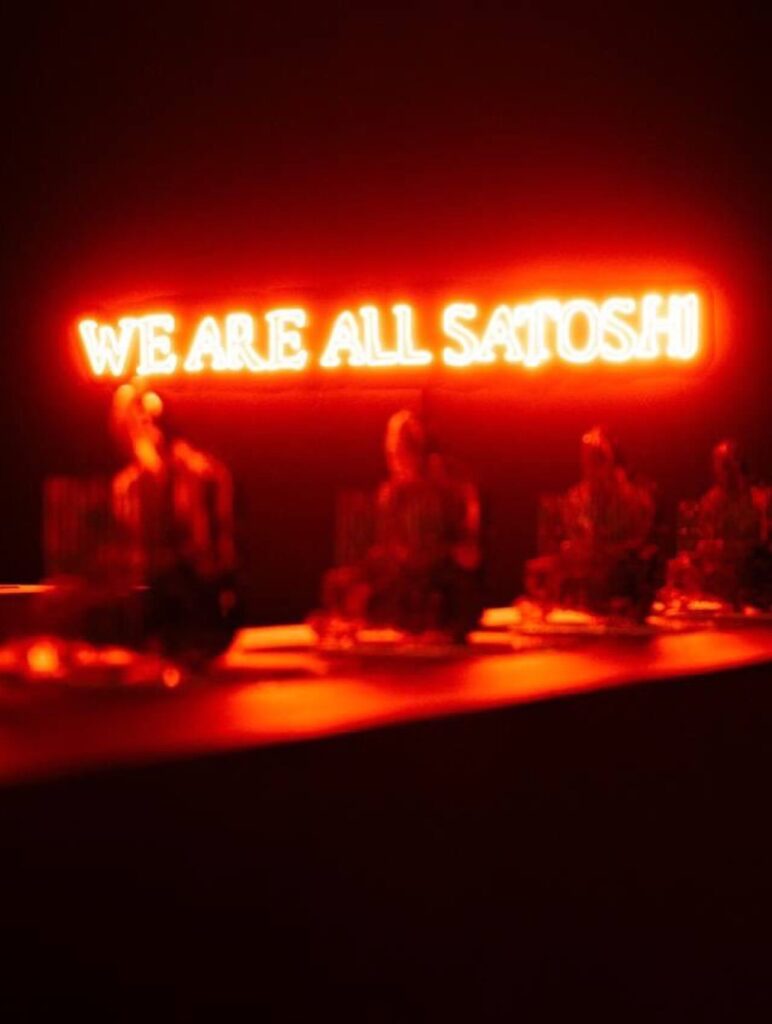
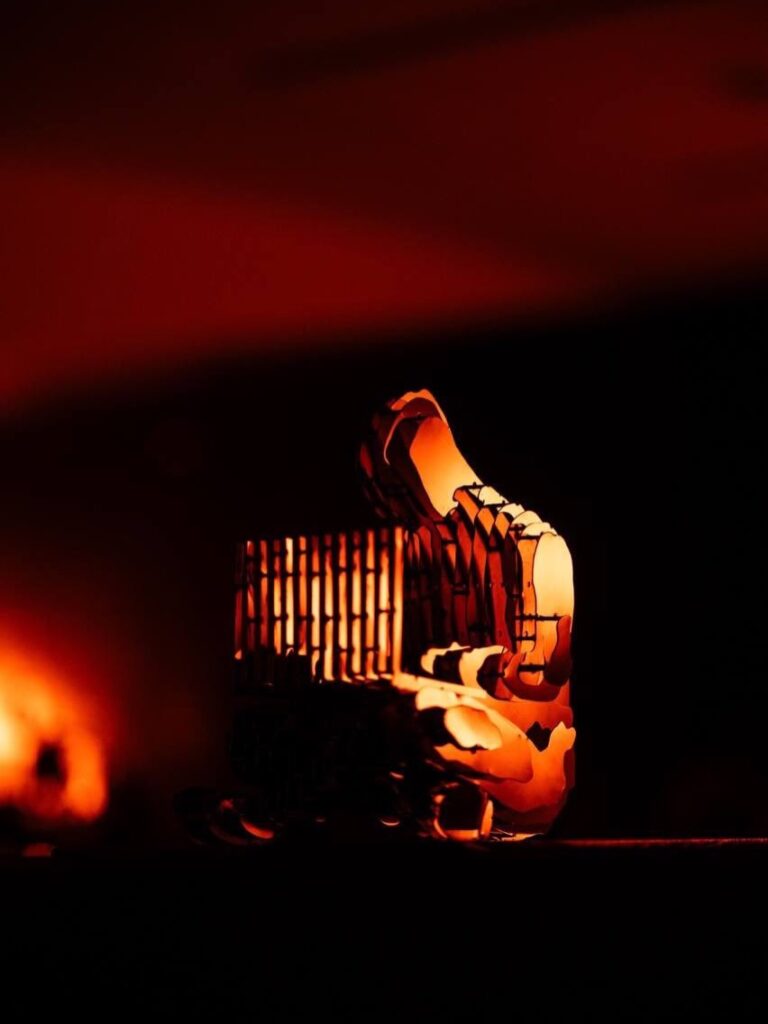
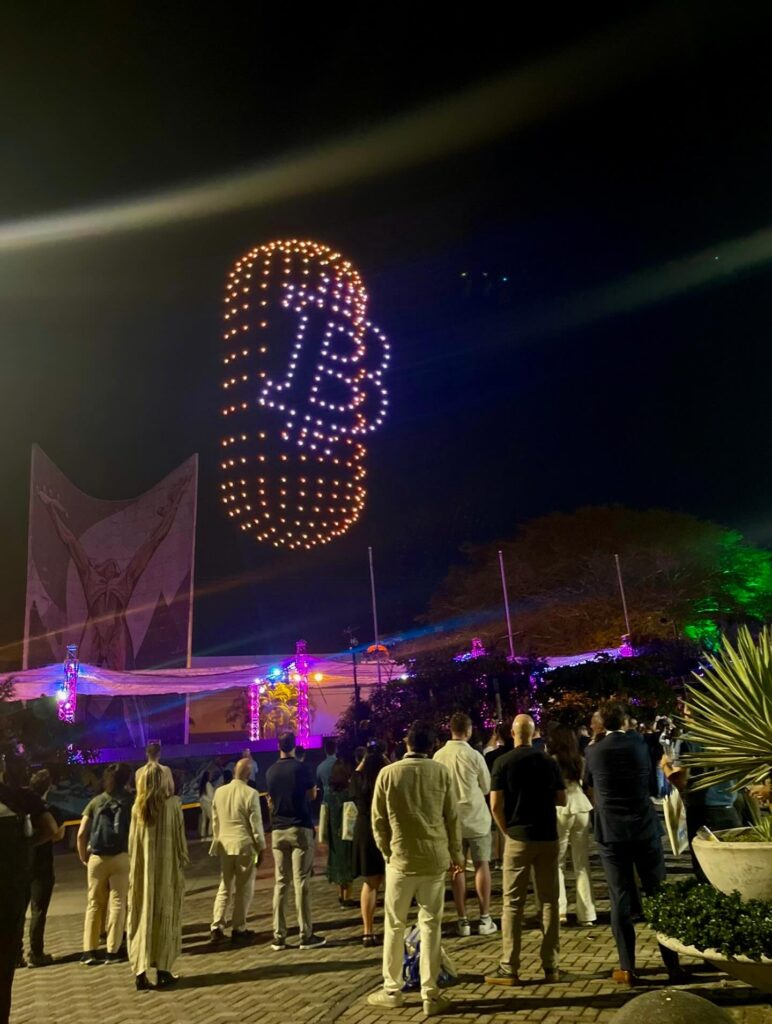
There is a special energy when you meet people in a place that is itself part of the thesis. El Salvador was not a neutral backdrop. It was the protagonist.
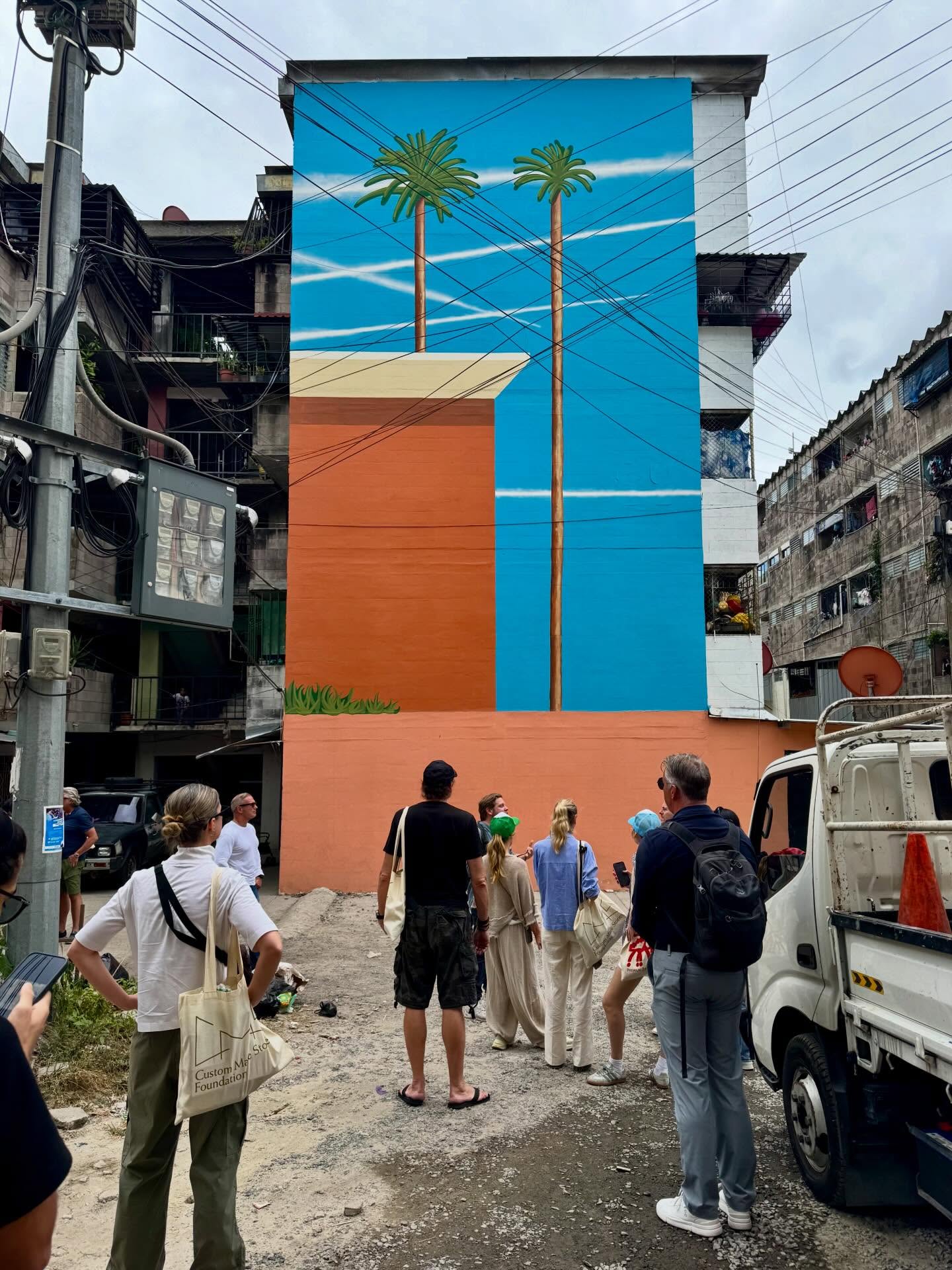
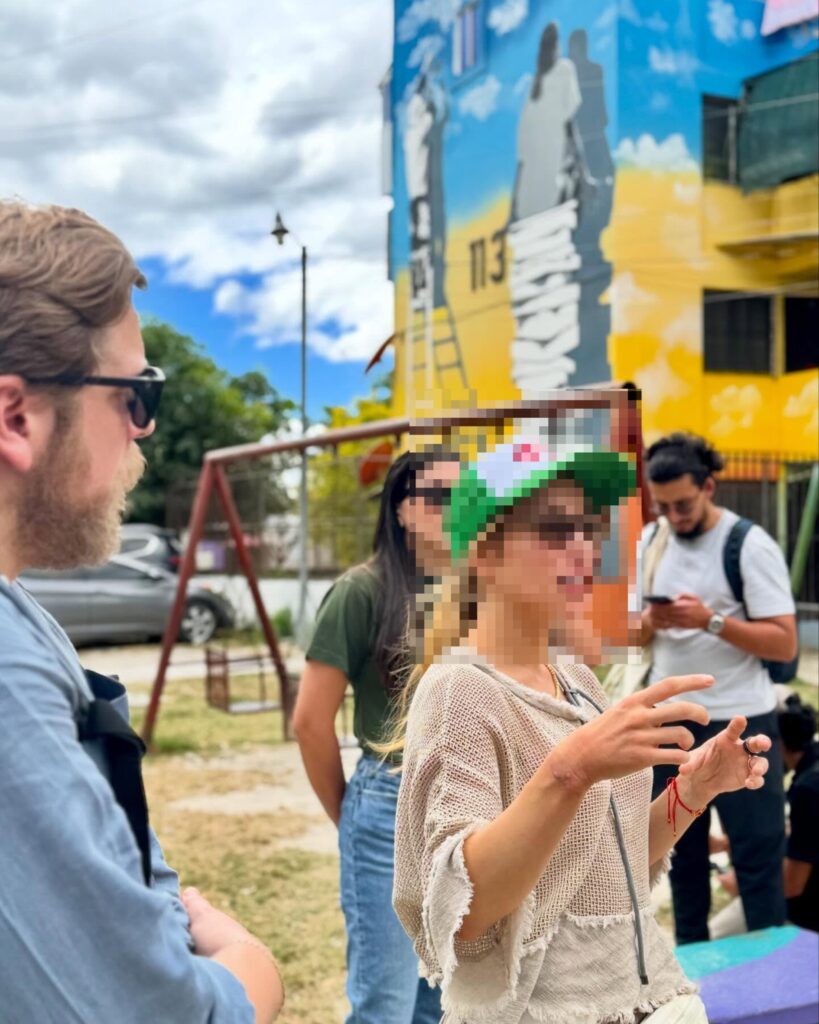
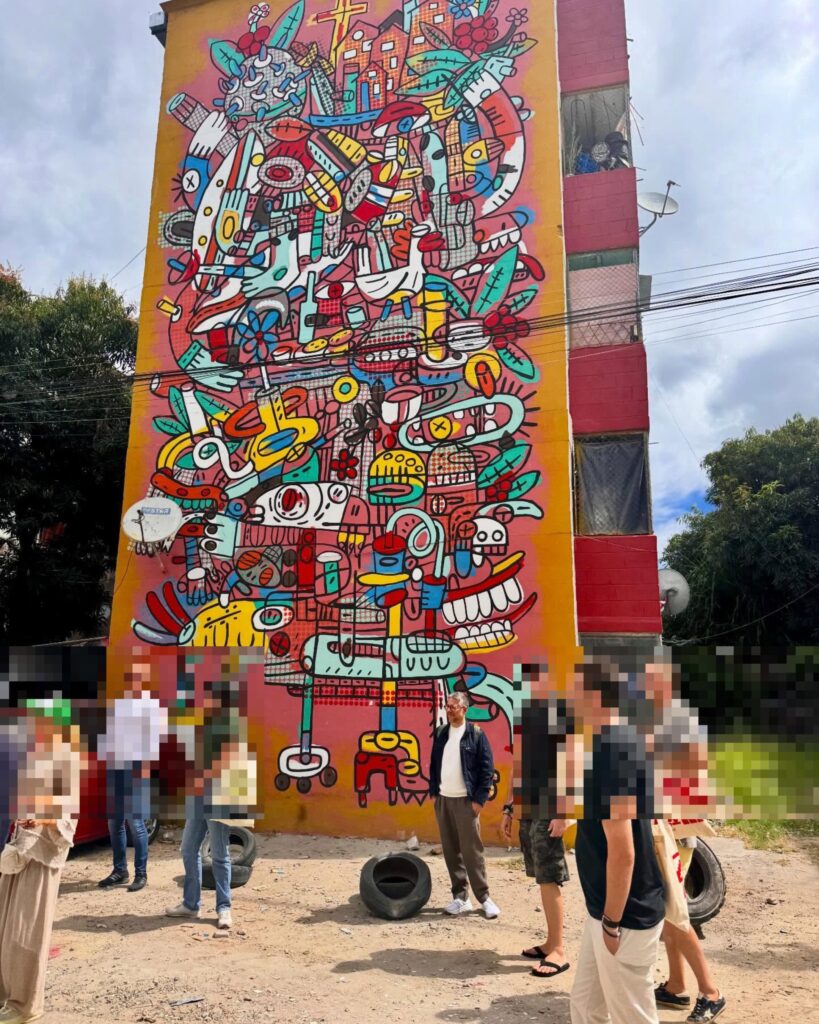
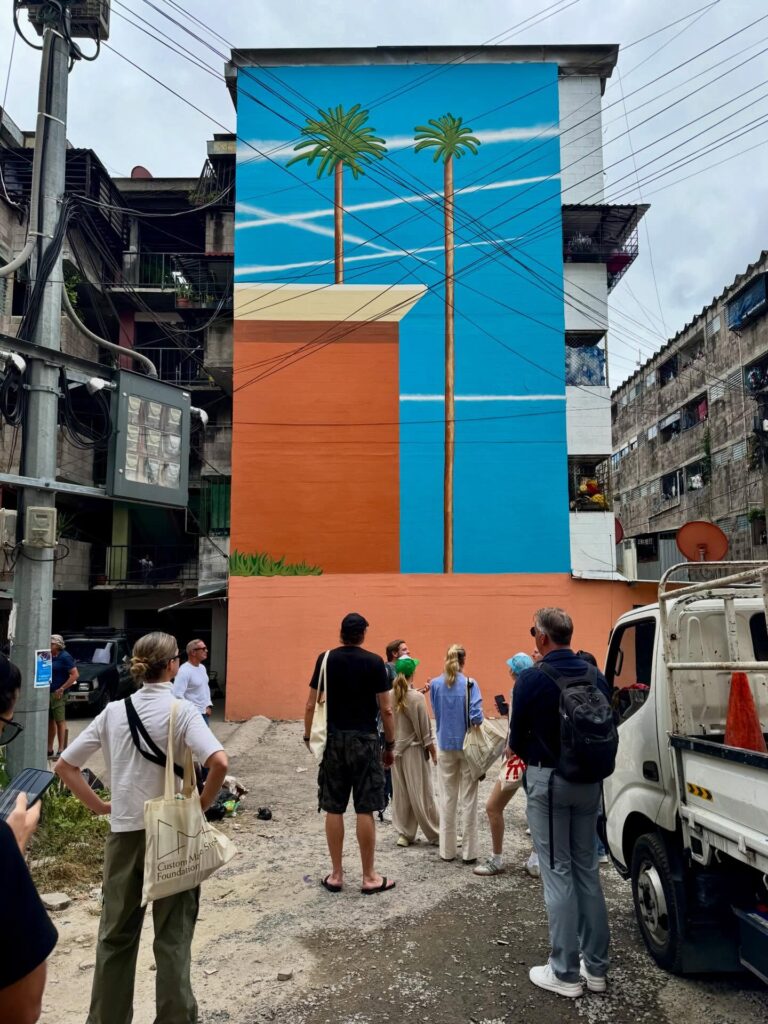
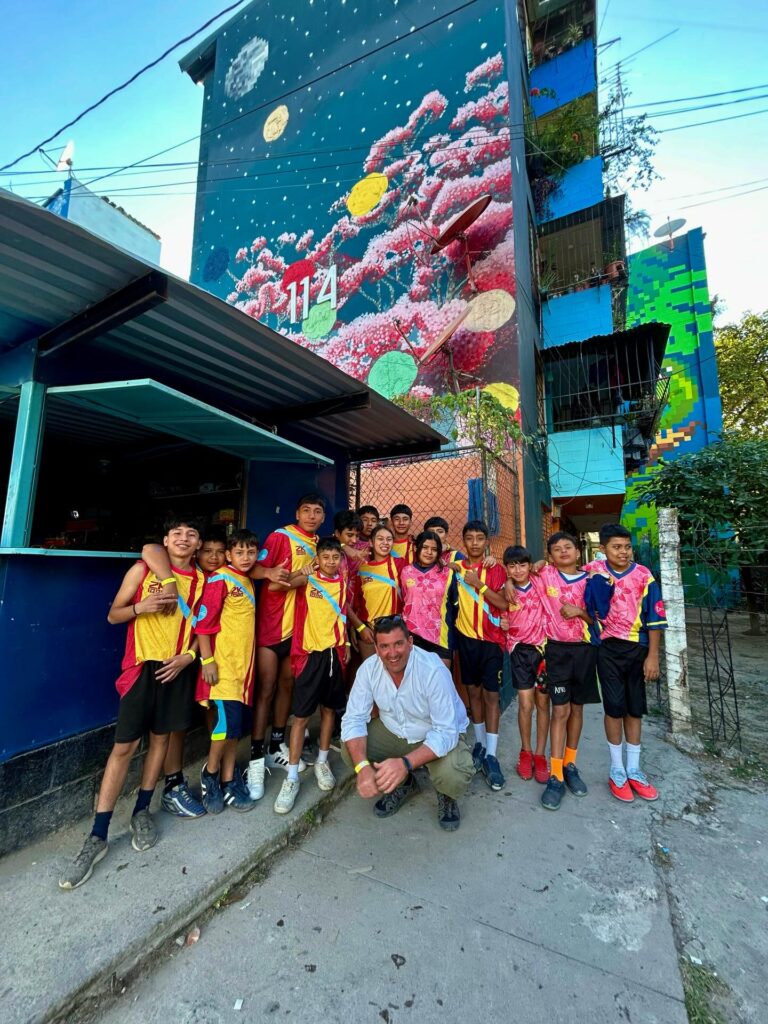
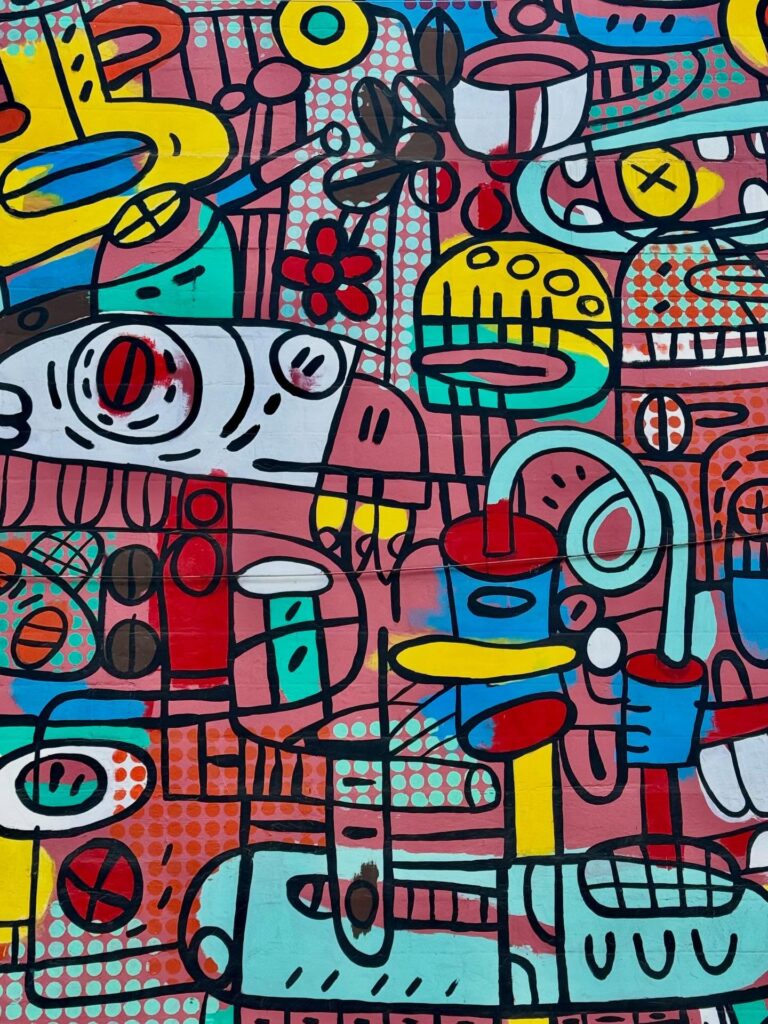
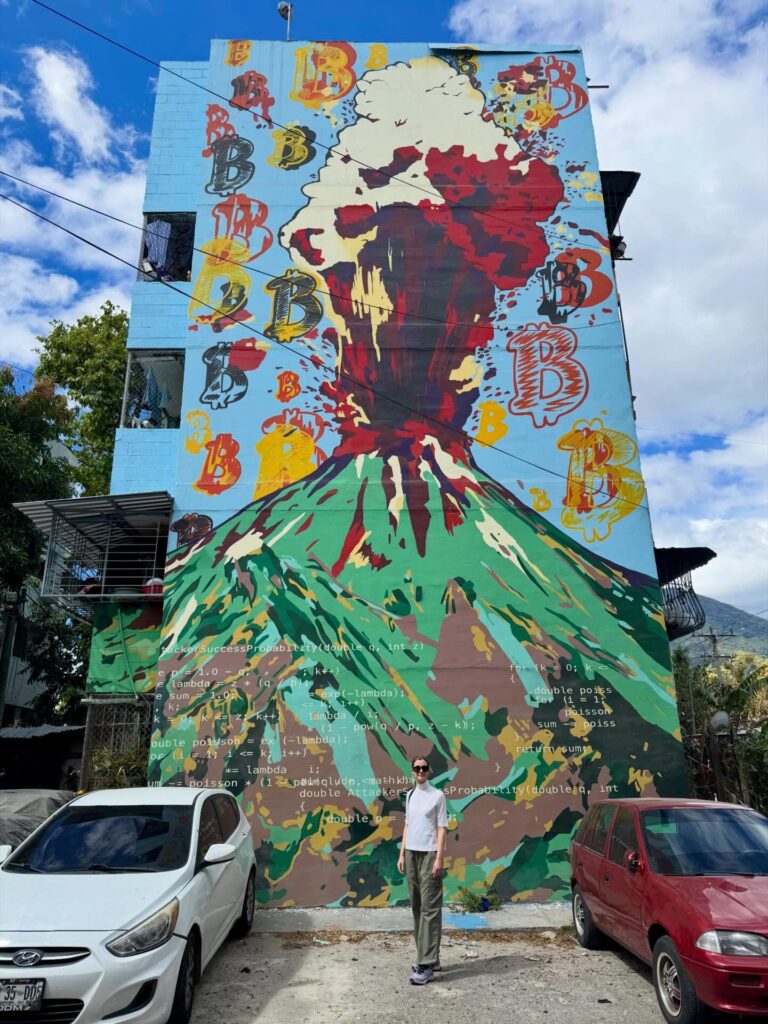
One of the most meaningful parts of the trip was visiting the Zacamil renovation project by Custom Made Stories Foundation. Zacamil is not an abstract “urban intervention.” It is a living place, full of memory, density, and human complexity. To walk through it is to understand that renovation is not simply about walls, colors, or infrastructure. It is about dignity. It is about the emotional temperature of a neighborhood. It is about giving form to possibility.
The work of Custom Made Stories Foundation felt powerful because it does not treat community as decoration. It listens to it. It enters the texture of daily life. Children, families, local stories, facades, public space, small rituals, invisible wounds, and visible hopes all become part of the same composition.
I have always believed that innovation is not only digital. Sometimes innovation is a renovated wall. A safer street. A color that changes the mood of a block. A space where people can gather without fear. A story that gives a neighborhood the right to imagine itself differently.
And then there was the food.
El Salvador speaks through food with generosity and simplicity. Pupusas, warm and handmade, became almost a daily ritual. The texture of masa, the melted cheese, the beans, the sharp freshness of curtido, the salsa slightly acidic and alive. Food that does not perform sophistication, but carries memory. Food that brings people close.
There were breakfasts with eggs, plantains, beans, tortillas, and coffee that tasted of earth and sun. There were dinners where conversation moved easily between English, Spanish, Italian, and the universal language of people who are curious about the world. There were moments when the table became more important than the agenda.


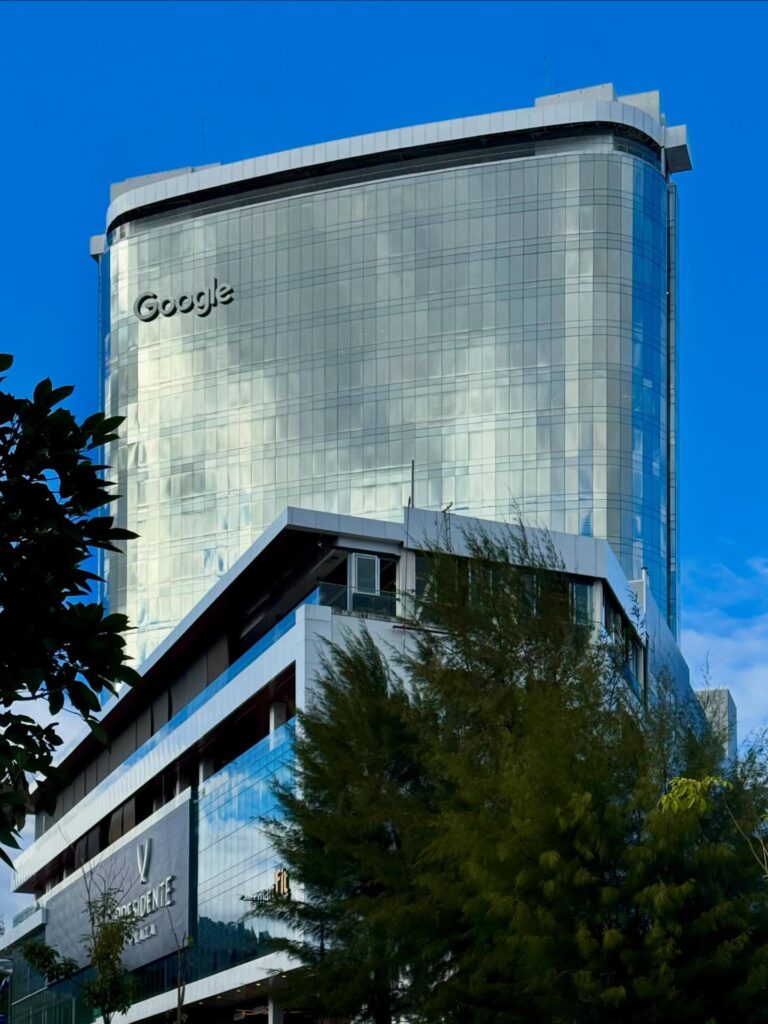
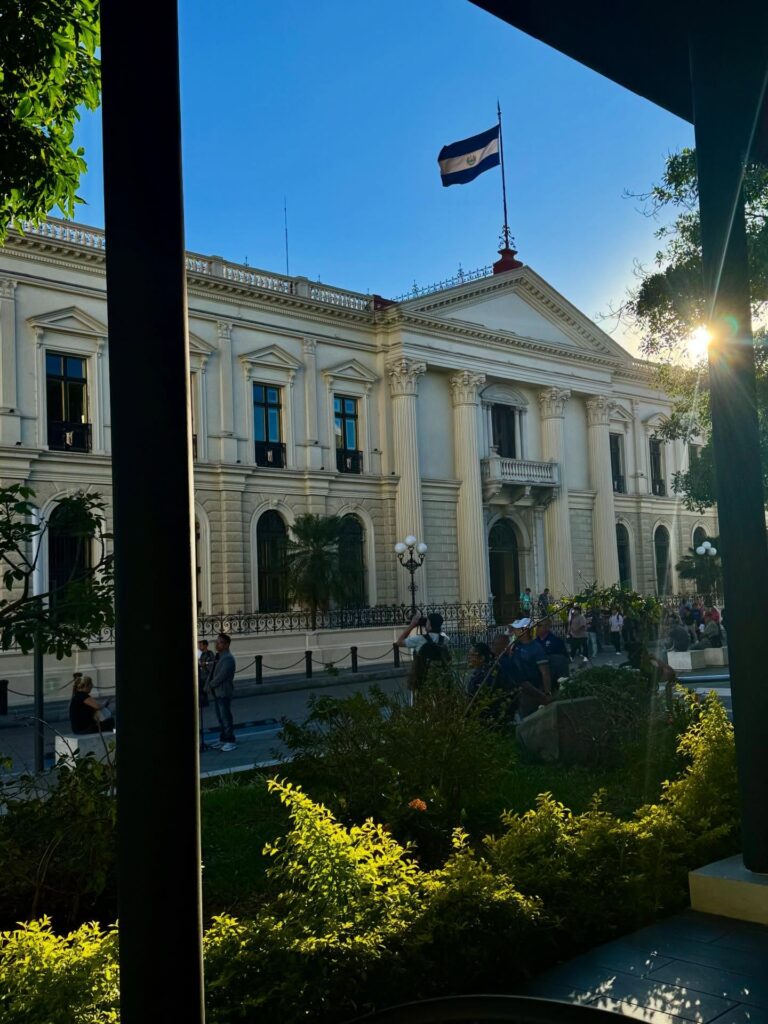
I discovered a country that is often spoken about through headlines, but experienced through details: the kindness of strangers, the intensity of entrepreneurs, the pride of people explaining their city, the elegance of certain old buildings, the pulse of markets, the mountain silhouettes surrounding the capital, the sound of tropical rain, the smell of fresh tortillas, the unexpected softness of a January night.
What stayed with me most was the human contrast. El Salvador is moving between histories. Between trauma and reinvention. Between global attention and local reality. Between myth and daily life. Between Bitcoin as a symbol and Bitcoin as infrastructure. Between what the world thinks it knows and what you begin to understand only by being there.
Traveling to San Salvador reminded me that the future never arrives as a clean presentation deck. It arrives noisy, imperfect, humid, contradictory, delicious, political, emotional, and alive.
It arrives in conference halls and construction sites. In neighborhoods like Zacamil. In old friends and new allies. In pupusas eaten with your hands. In the eyes of people who have decided that their country is not condemned to remain a story written by others.
January in El Salvador was not just a trip. It was a field note from a country experimenting with destiny. And perhaps that is why it felt so relevant.
Because the most interesting places in the world are not always the most polished ones. They are the places where the future is still under construction, where the paint is still fresh, where the debate is still open, where the risk is real, and where life, in all its sensory intensity, refuses to be reduced to a headline. San Salvador was exactly that.
A place where Bitcoin, community, food, friendship, memory, and possibility met under a volcanic sky.