Some exhibitions are programmed. Others are the visible form of a friendship network. The Bridges of Graffiti was both: a major Venice Biennale project and the temporary architecture of a global community that Giorgio De Mitri had been cultivating for decades.
On 22 November 2015, as the exhibition reached its final day at the Arterminal in San Basilio, I found myself thinking less about an ending than about the constellation Giorgio had brought together. A dear friend from Modena, Giorgio has always worked as a cultural connector: someone able to recognise an important signal early, earn the trust of the people producing it, and create the conditions for different worlds to meet.
For me, this was personal. We were fortunate to be included in the wider network around the project — a circle built long before Venice through studios, magazines, music, street culture, travel and friendship. Seeing that network materialise inside the Biennale was a reminder that culture moves through human relationships before institutions give it a name.
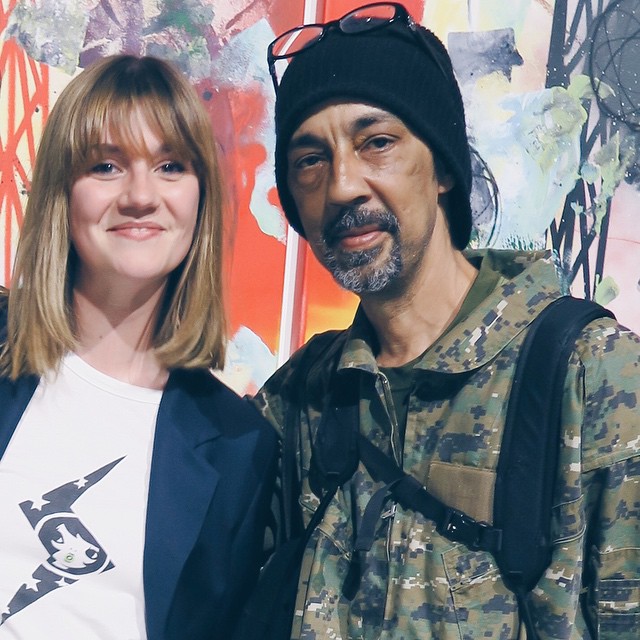
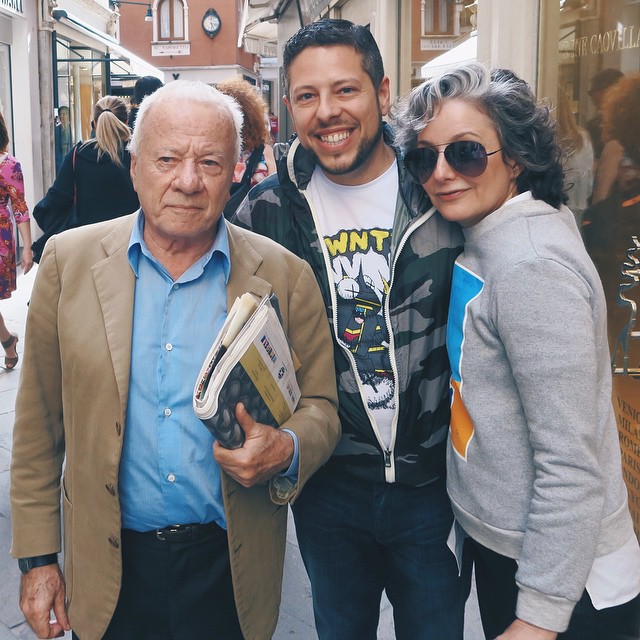
First image: Achille Bonito Oliva and Judith Benhamou-Huet with Lodovico Minelli Sarteri, photographed by V3rbo. Further fragments of the community surrounding the project. Images from the Sarteri archive.
Serendipity in a Venetian alley
Venice teaches you to walk slowly. Water asks for patience; stone answers with echoes. I arrived for the opening with salt on my lips and an invitation in my pocket. The 56th Venice Art Biennale was breathing again, and Giorgio — a friend who knows how to build passages between worlds — had invited me to see The Bridges of Graffiti take its place in the city.
The streets were full. Voices ricocheted between walls, oars struck water like a metronome and I crossed bridges without counting them. Venice never lets you count.

In a narrow alley, where the light fell like a blade, I encountered Achille Bonito Oliva. My friend V3rbo lifted his camera. We smiled, and a woman crossed the frame quickly, laughing before she disappeared into the city. What first looked like a perfect Venetian photobomb became something more when I recognised her: Judith Benhamou-Huet.
Years earlier, in Shanghai, I had met her daughter Jacobé, who suggested that I should meet her mother. Time passed and the meeting never happened. Then Venice completed the unfinished connection by chance. That is how destiny works there: it does not knock; it drifts in.
Venice does not explain. It connects.
A bridge across generations
The Bridges of Graffiti ran from 9 May to 22 November 2015 as a collateral event of the 56th International Art Exhibition of La Biennale di Venezia. It occupied the newly reconfigured Arterminal at Terminal San Basilio — a threshold between the lagoon, the port and the city, and therefore an unusually precise location for a project about cultural crossings.
The exhibition deliberately looked back thirty years to Arte di Frontiera. New York Graffiti, the landmark 1984 project curated by Francesca Alinovi that helped introduce the New York writing scene to Italy. Venice became the next bridge: not a retrospective that froze graffiti in the past, but a living encounter between generations, geographies and practices that had travelled from trains and city walls into studios, publishing, design and museums.
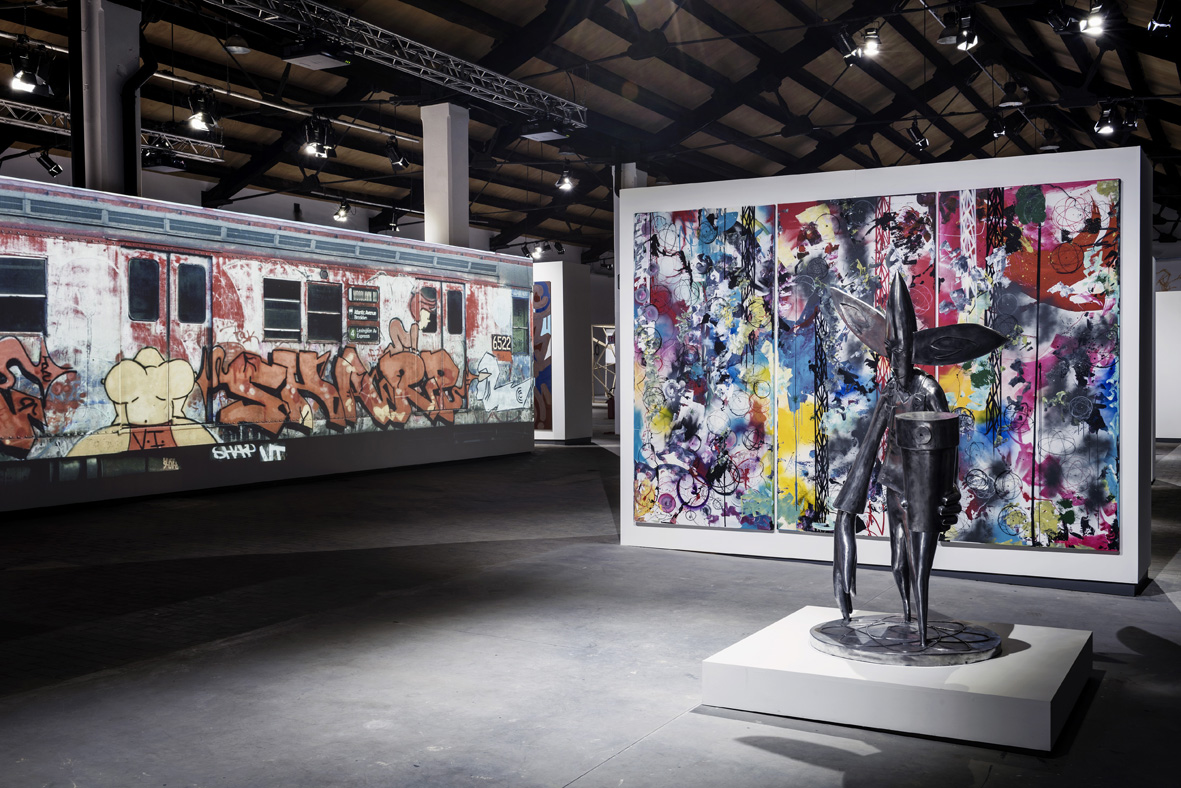
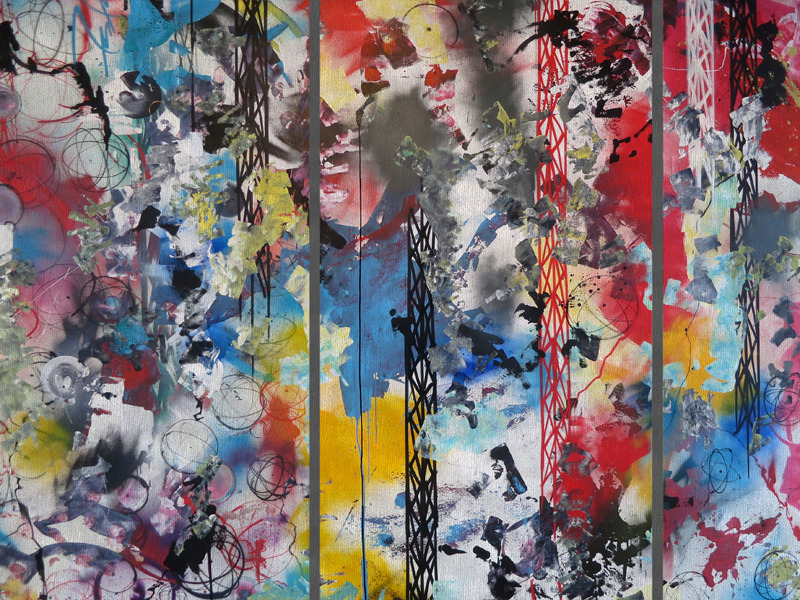
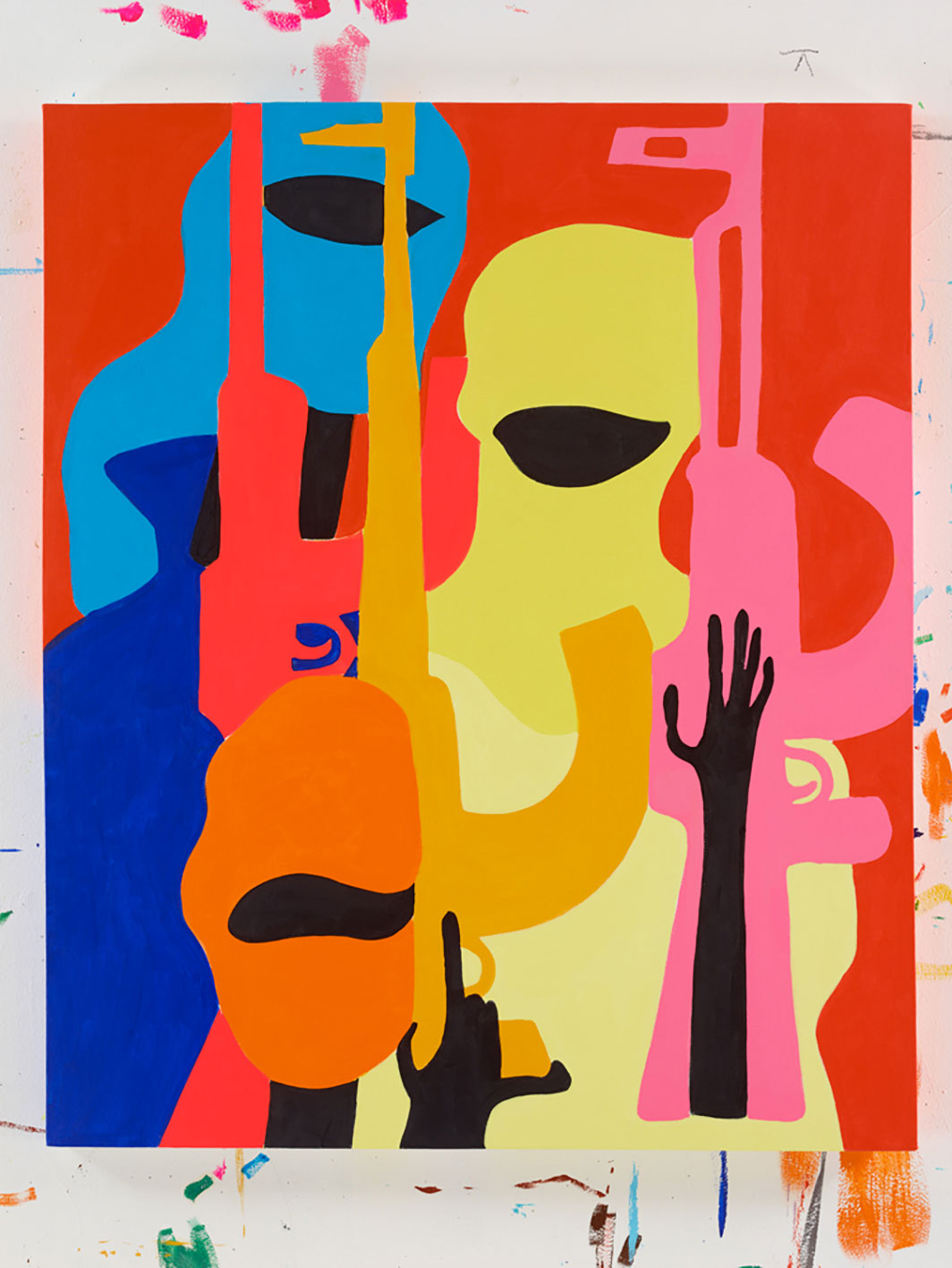
Ten artists — Boris Tellegen, Doze Green, Eron, Futura, Mode2, SKKI, Jayone, Todd James, Teach and Zero-T — worked together for the first time on a single, cohesive Hall of Fame piece across the Arterminal walls. Site-specific works extended that collective surface, while photographs by Martha Cooper and Henry Chalfant restored the documentary memory of graffiti’s early New York years. The exhibition received the patronage of the Italian National Commission for UNESCO.
The official credits describe a genuinely collective operation: the project was curated by Fondazione de Mitri and Mode2, with the consultancy of DeeMo, Luca Barcellona and Andrea Caputo; it was produced by Carlo Pagliani, Claudia Mahler and Sartoria Comunicazione, and organised by Associazione Inossidabile and Sartoria Comunicazione. Yet Giorgio’s imprint was unmistakable. Through Fondazione de Mitri and Sartoria, he transformed accumulated trust into a public cultural event of international scale.
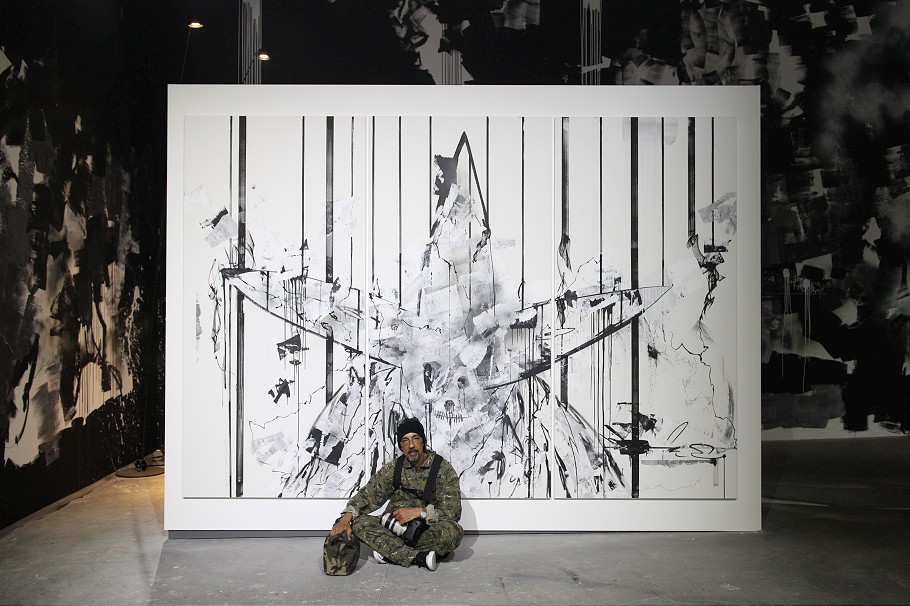
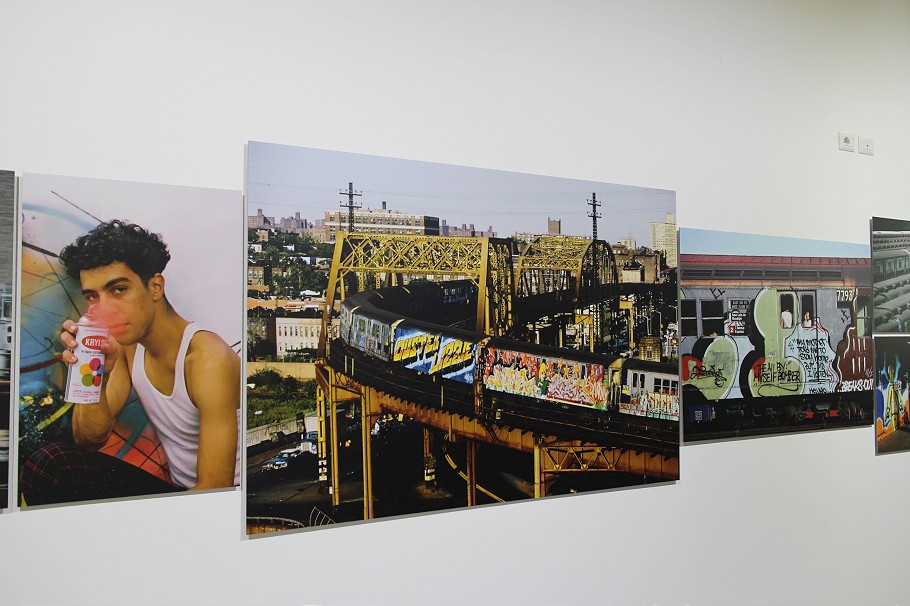
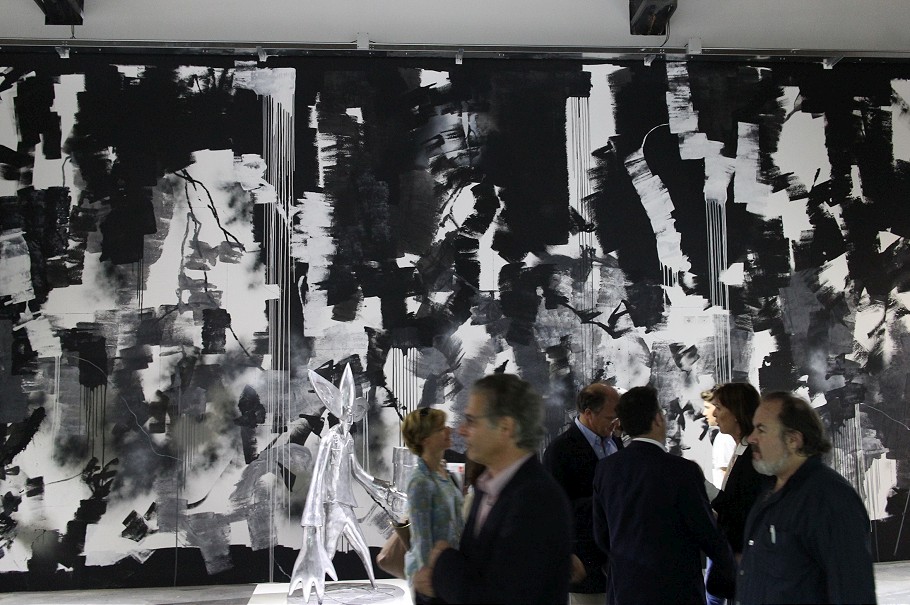
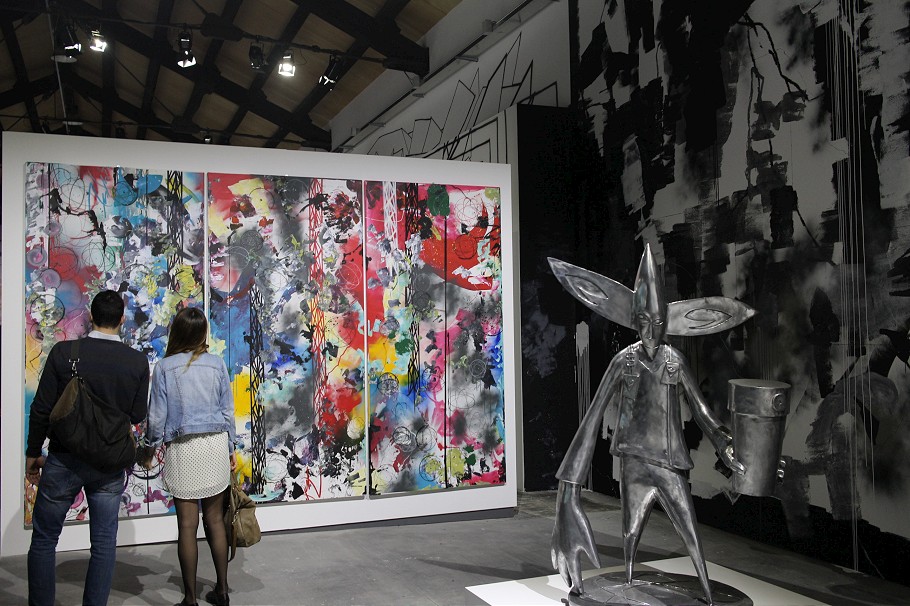
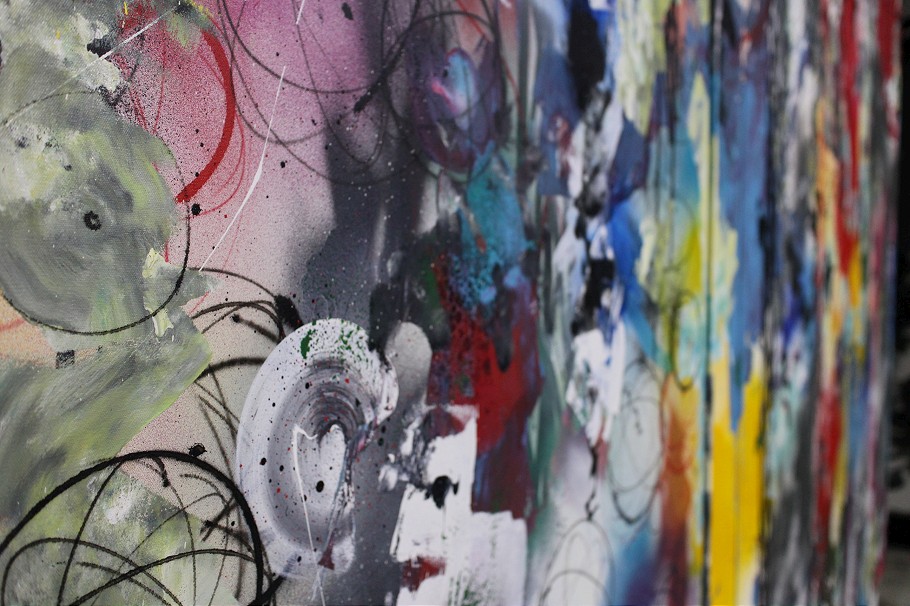
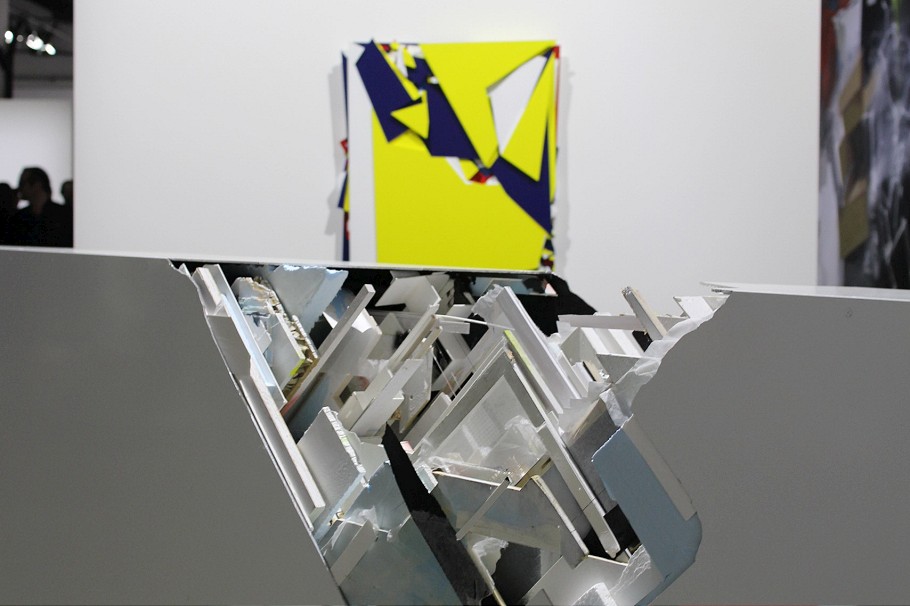
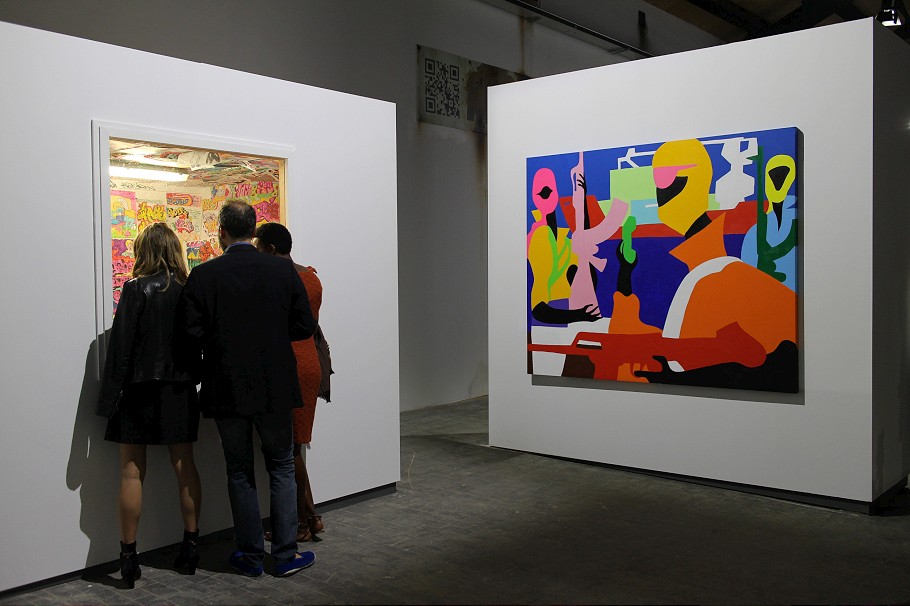
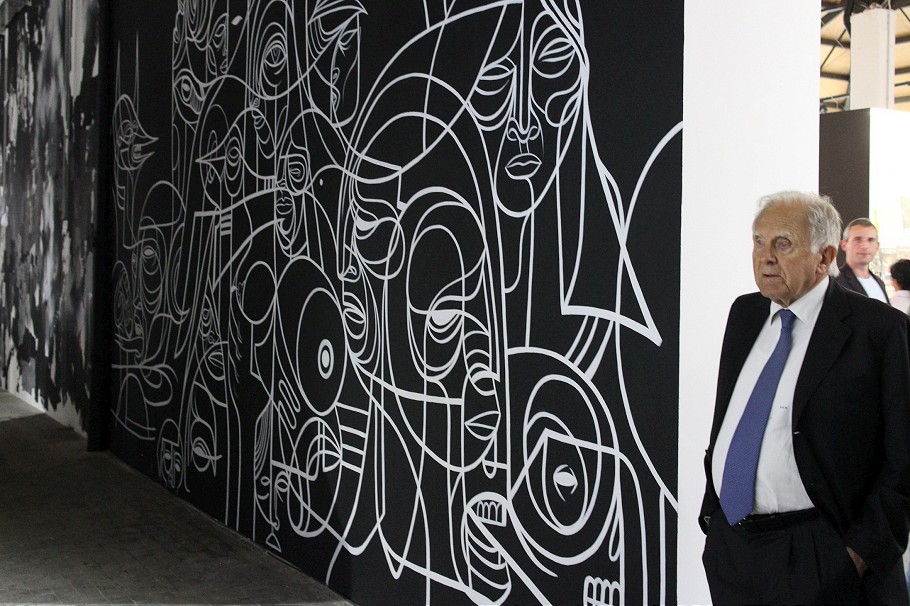
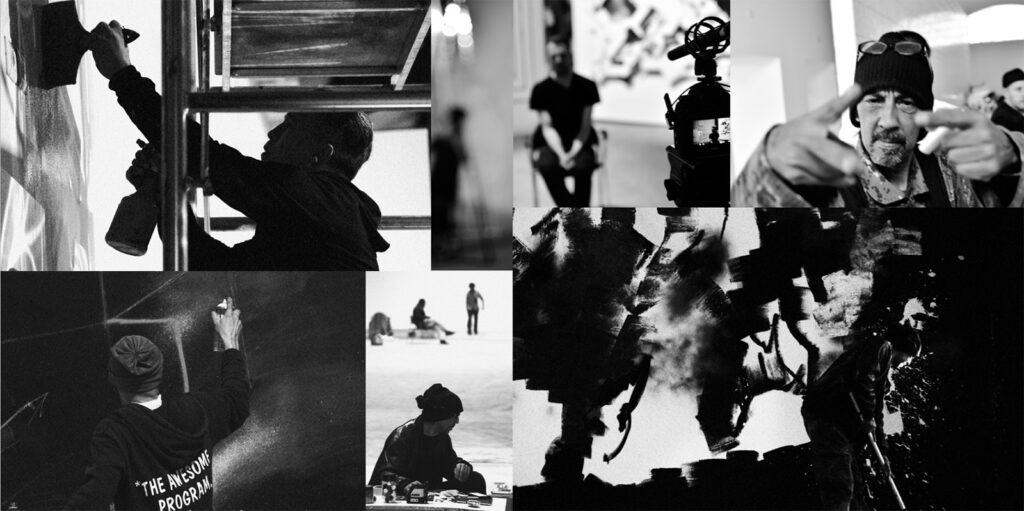
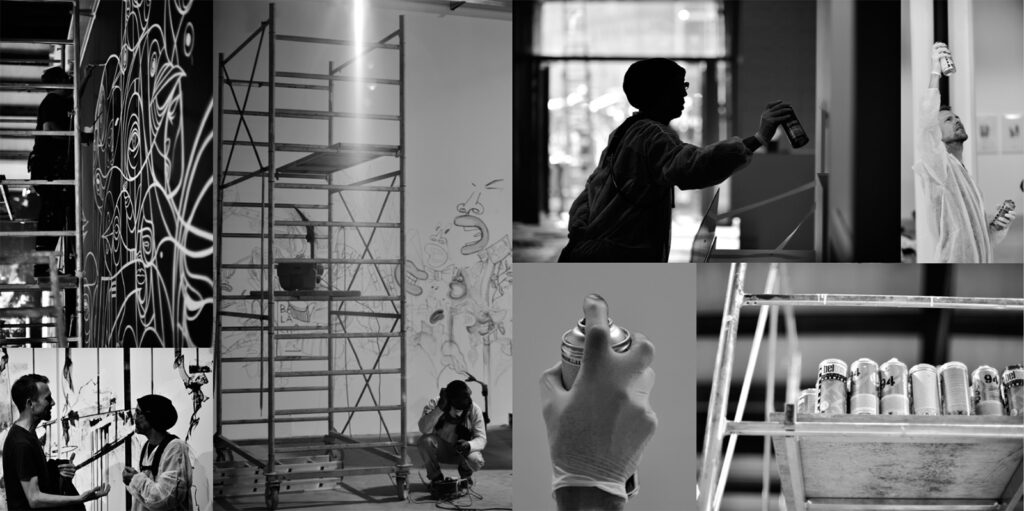
More views from the Arterminal archive
Beyond the collective wall, the exhibition unfolded as a conversation between individual practices, documentary memory and the industrial scale of the terminal.

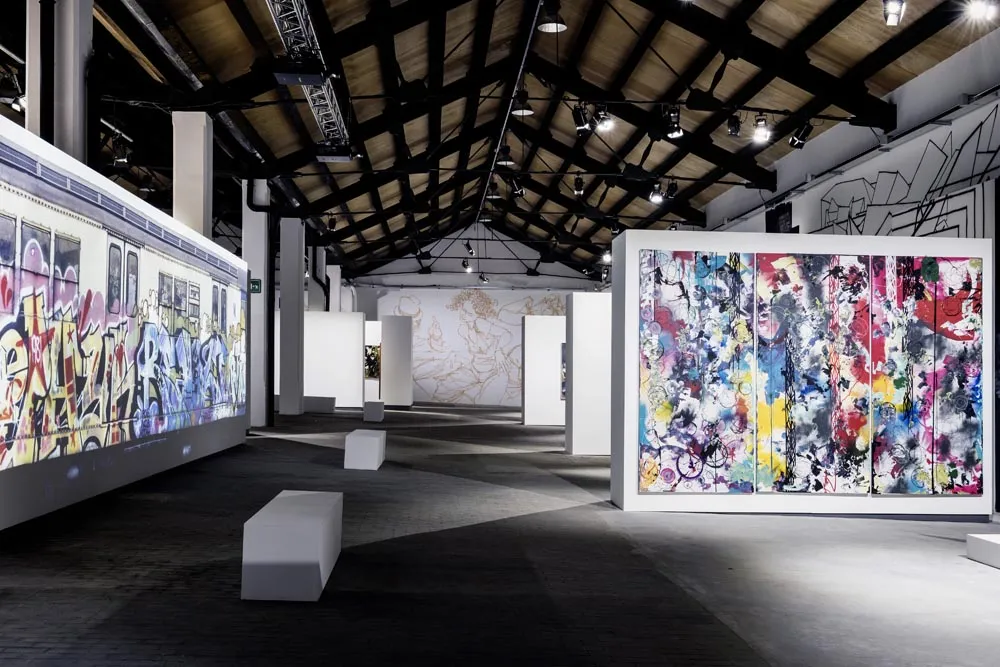
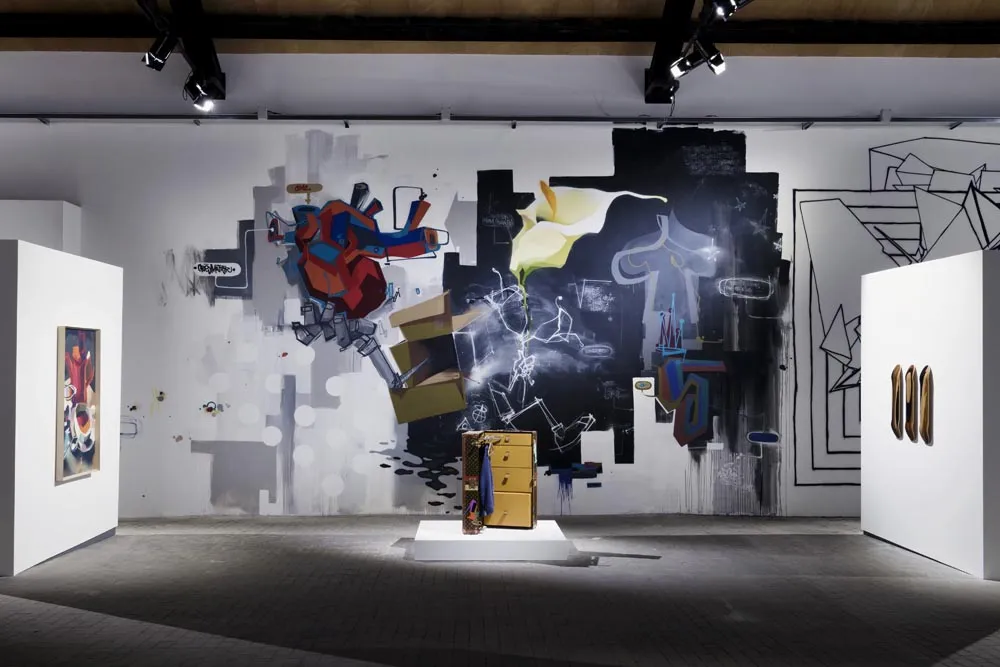
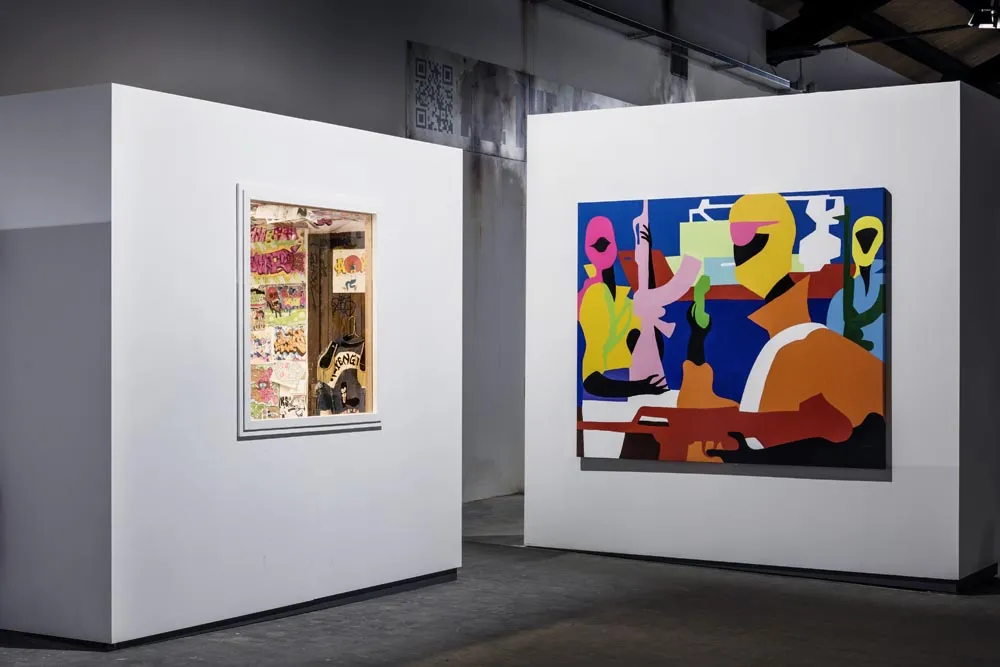


The network was the work
Giorgio has described projects such as DeFuMo, Beautiful Losers, Kindergarten and The Bridges of Graffiti as milestones in one human and intellectual journey. That continuity matters. The show did not assemble a fashionable list from a distance; it grew from relationships with DeeMo, Zero-T, Futura, Mode2, SKKI, Jayone, Doze Green, Teach, Eron and many others — relationships developed through years of curiosity, shared projects and mutual recognition.
The network was not simply around the exhibition. In a deeper sense, the network was the exhibition.
This is what made Venice feel less like an arrival and more like a reunion. It was a celebration of a global scene, but also of a particular way of working: follow the signal before it becomes consensus; stay close to the people who carry the culture; let disciplines contaminate one another; and build enough trust that an ambitious idea can become physical.
Beyond the opening: the abandoned terminal
The following day we crossed the water again, moving beyond postcard Venice and its polished stones. We reached an abandoned industrial terminal facing the city like a forgotten mirror: rust, oil, wind, and the smell of iron and algae.
Colour exploded across the walls. Letters stretched their limbs and figures watched us back. We wandered deeper into the complex without speeches or ceremony. Spontaneous art climbed over metal ribs, paint cracked like old skin, and wind passed through broken windows making its own music.


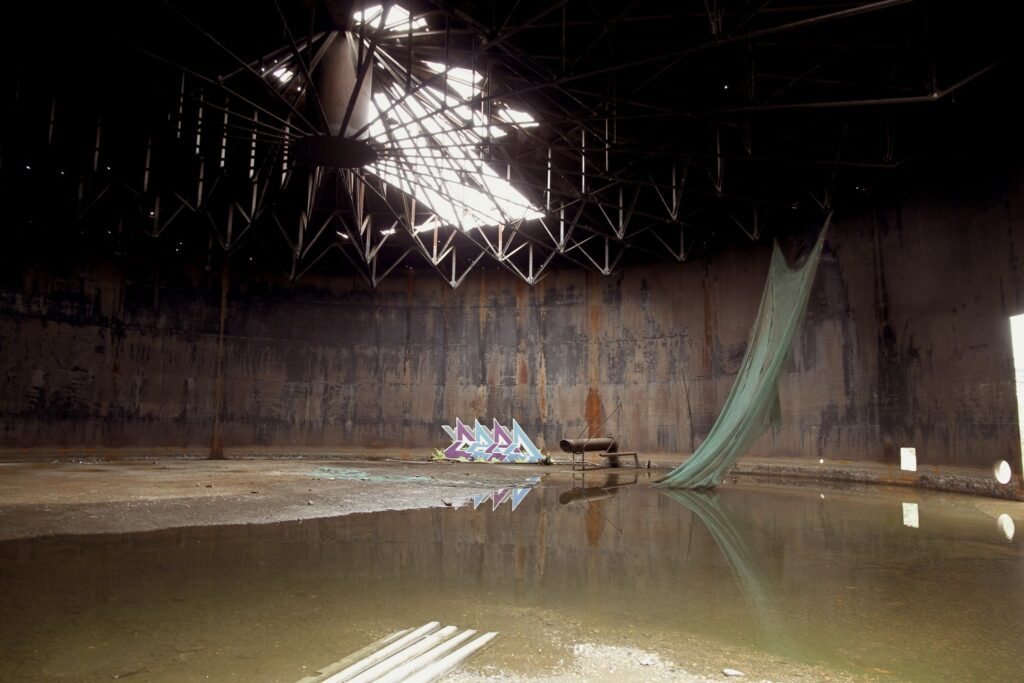

I understood there that bridges are not always made of stone. Some are made of chance, missed meetings and a woman running through a photograph. Others are made of graffiti on rusted walls facing one of the most fragile cities in the world.
Why it still matters
The Bridges of Graffiti anticipated a question that remains urgent: how can a culture born outside official systems enter institutions without losing its memory, codes and autonomy? The answer in Venice was not to flatten its contradictions. It was to place documentation beside new work, pioneers beside later generations, the street beside the museum, and personal history beside public history.
That lesson extends beyond art. Innovation is often visible first as a network of people who share language, risk and attention before a market or an institution understands what they are building. Giorgio’s great talent has always been to recognise those networks and give them a stage without severing the relationships that made them meaningful.
On the final day in Venice, the walls carried the evidence. What remained beyond them was the bridge itself: between New York and Europe, memory and invention, underground practice and cultural legitimacy — and between friends who had spent years making the future visible to one another.