Autumn 2026. Notes from South Tyrol, London, Lugano, Vienna and the Vatican.
A sculpture of the world’s most elusive inventor still has to fit inside a lift.
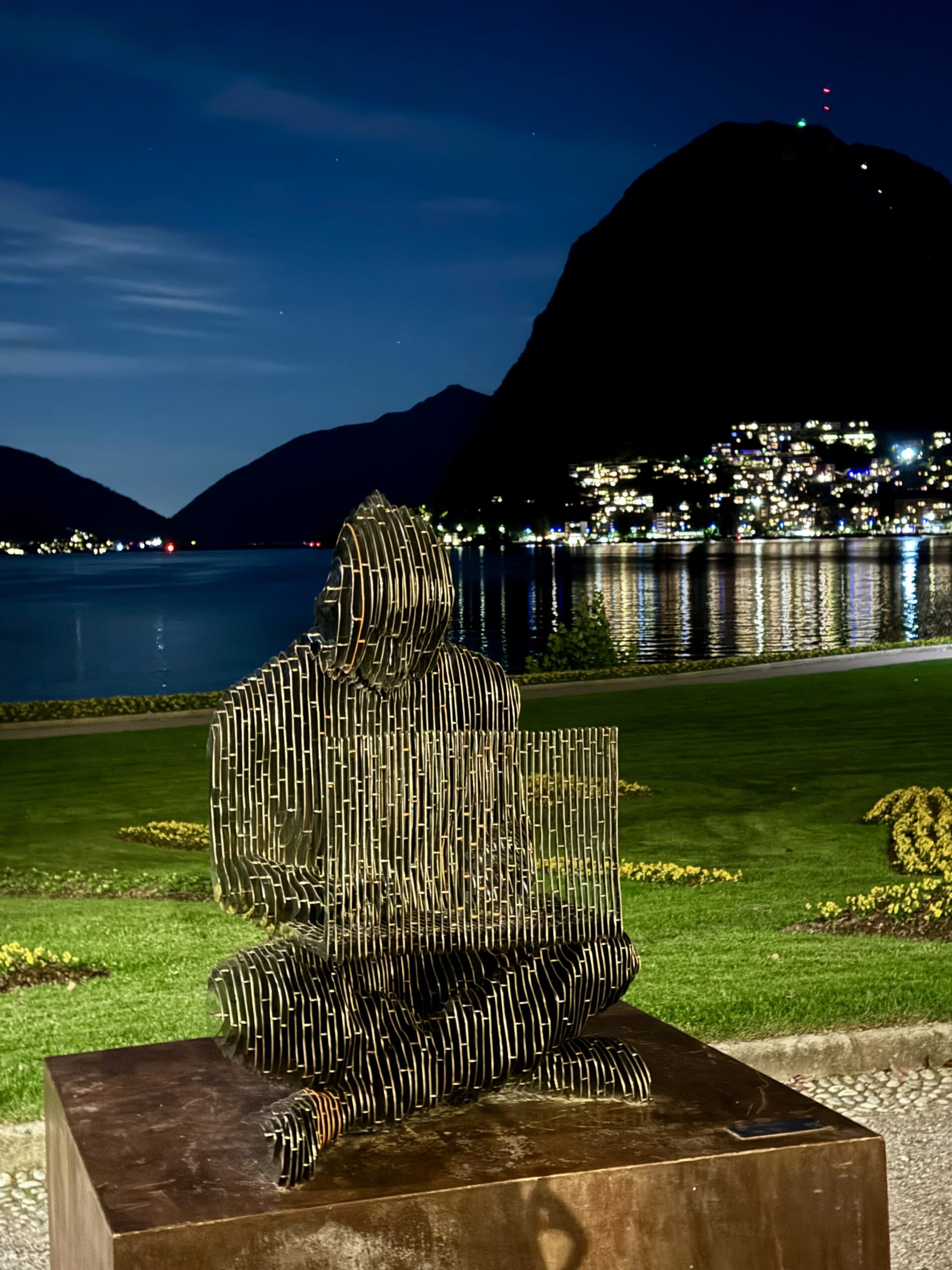
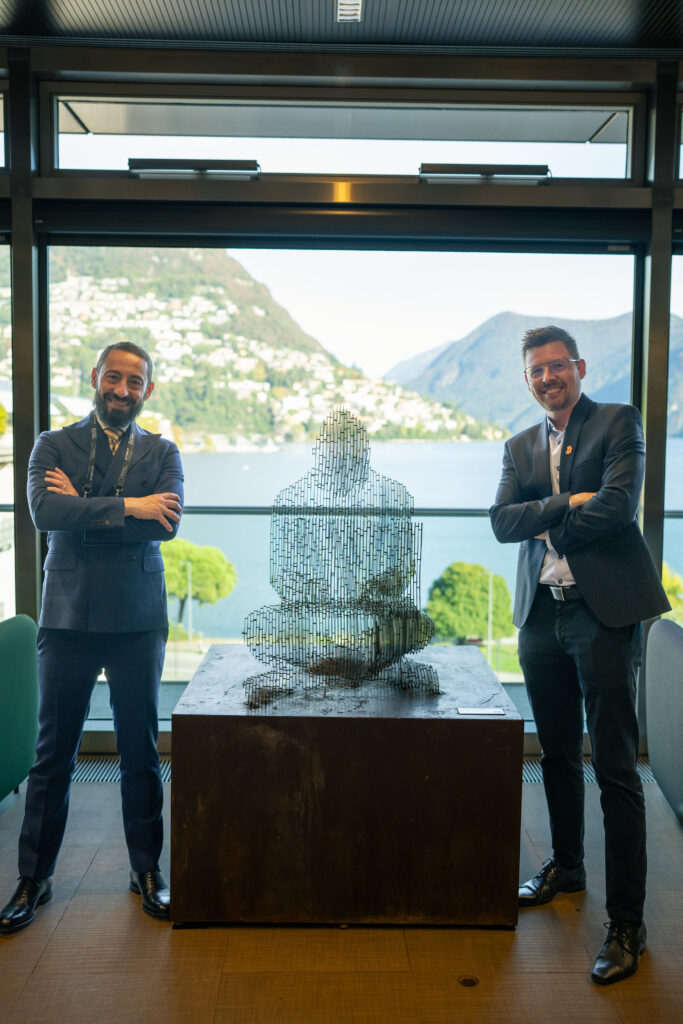
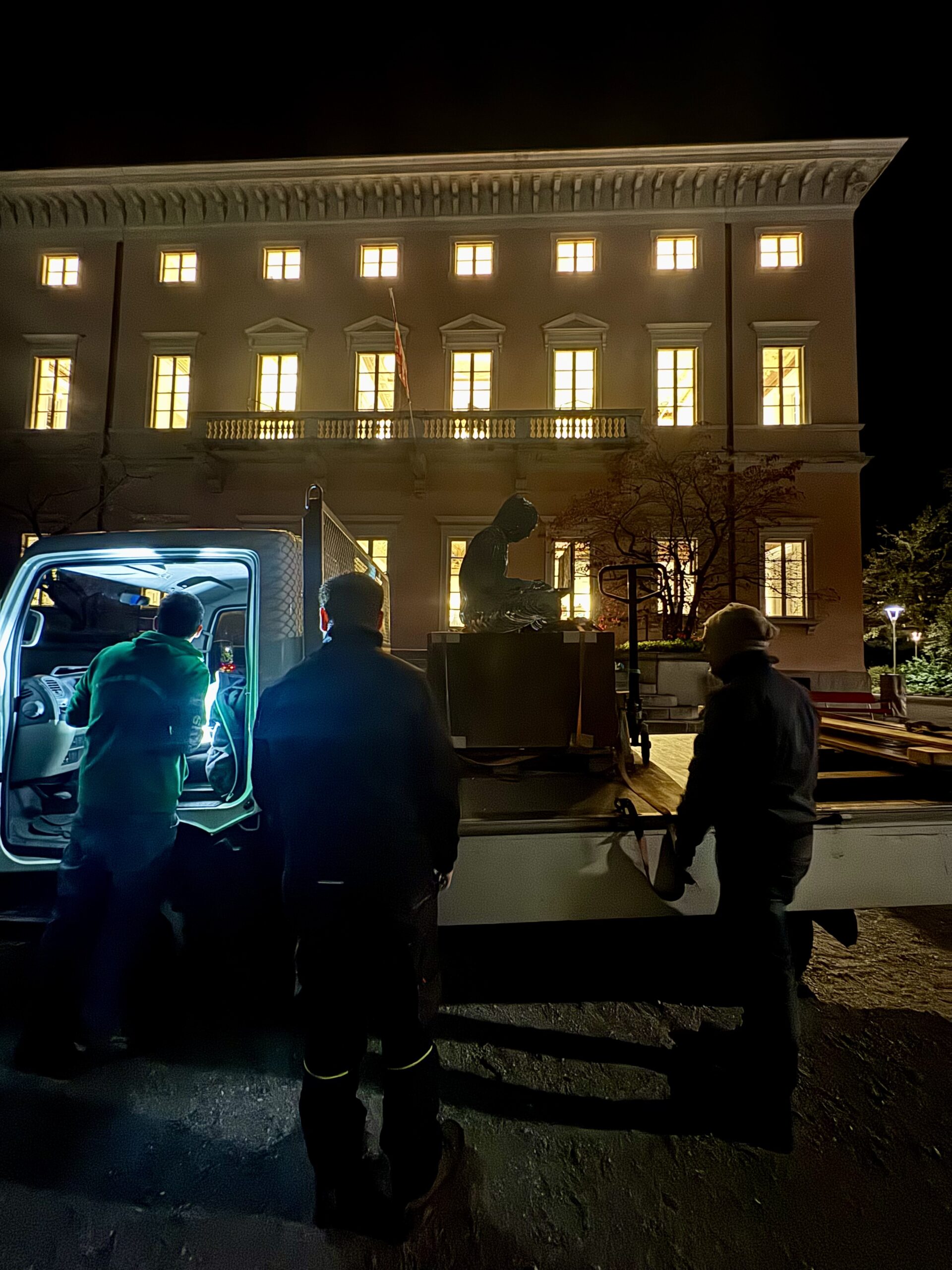
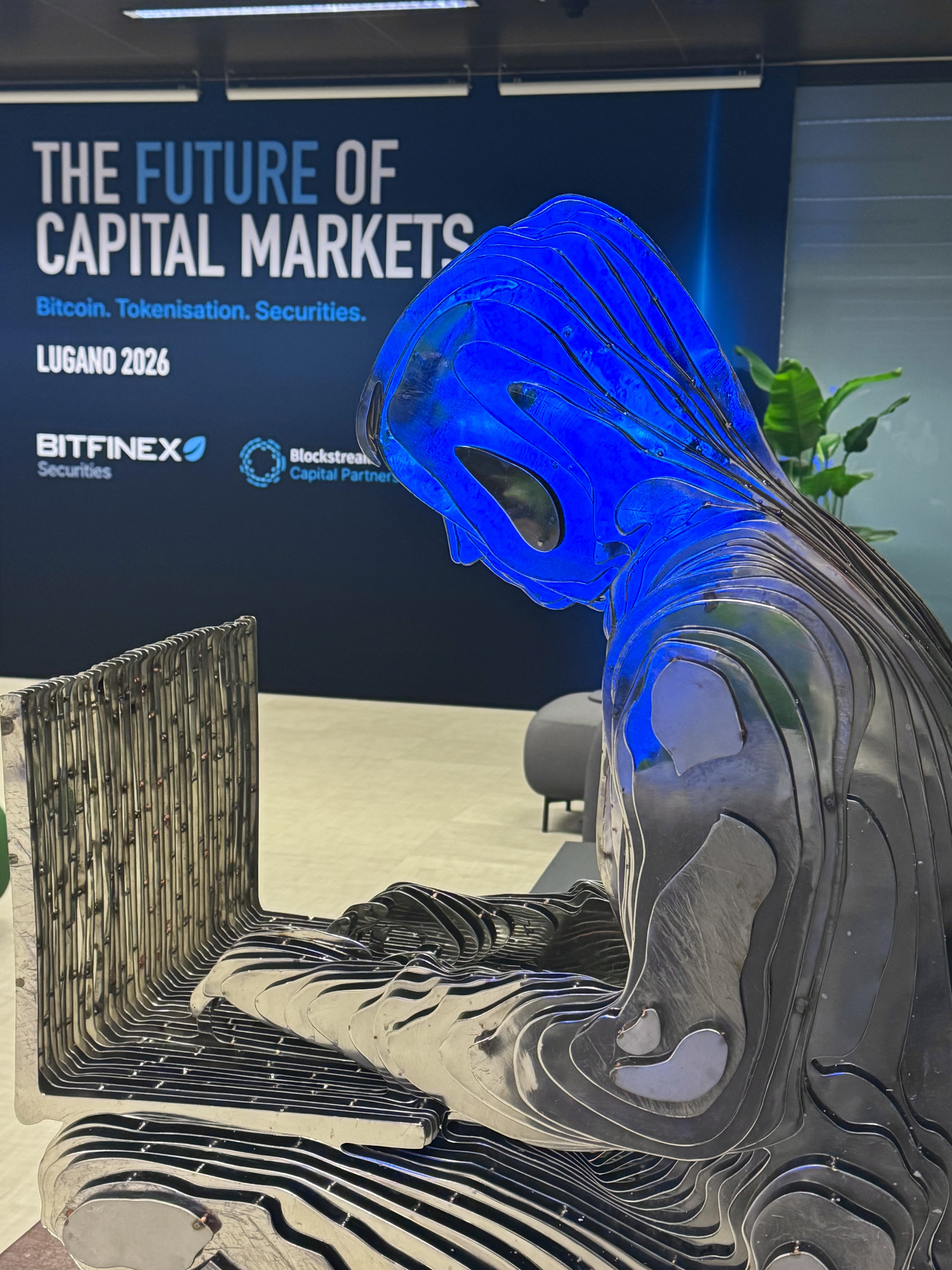
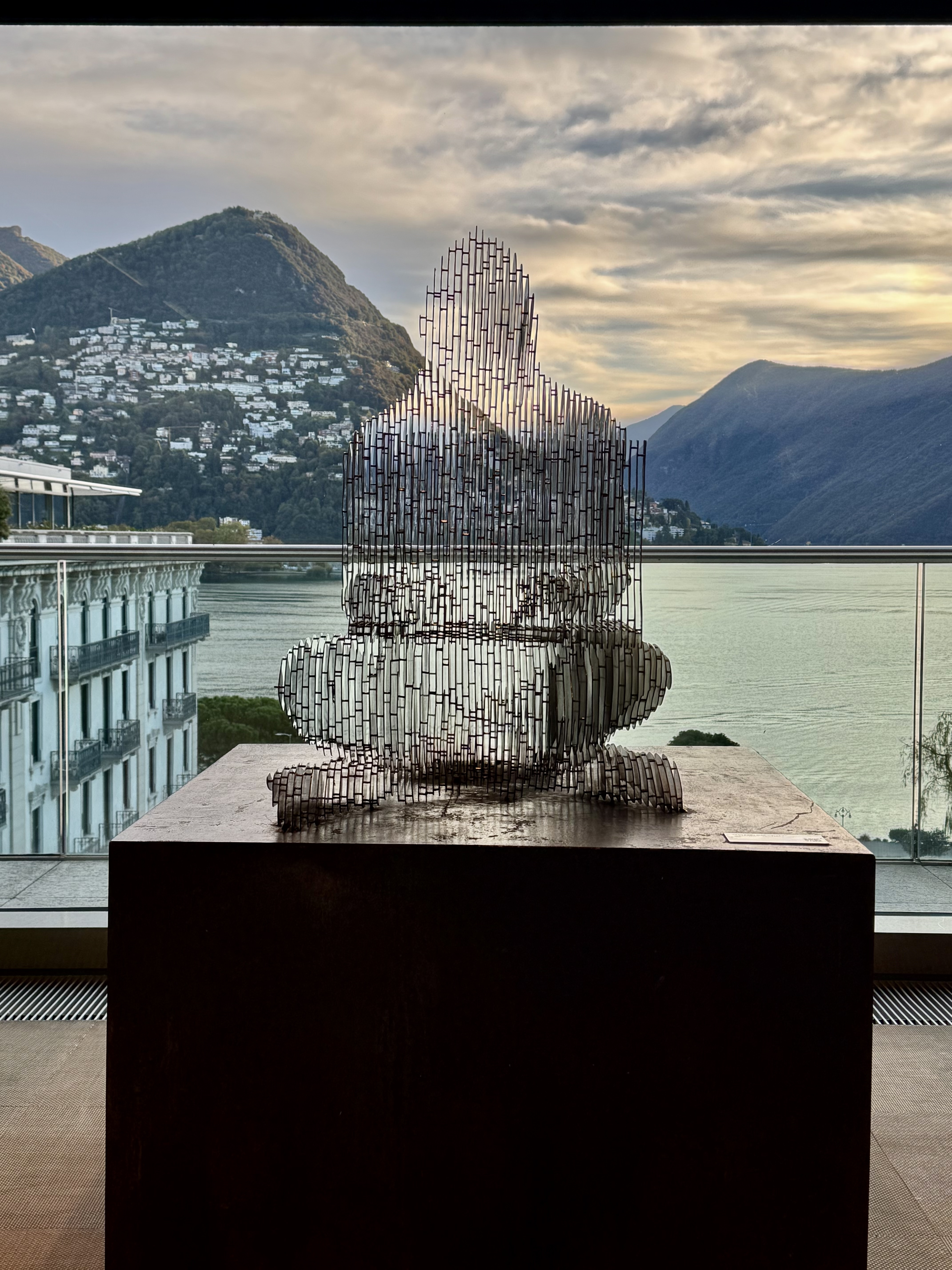
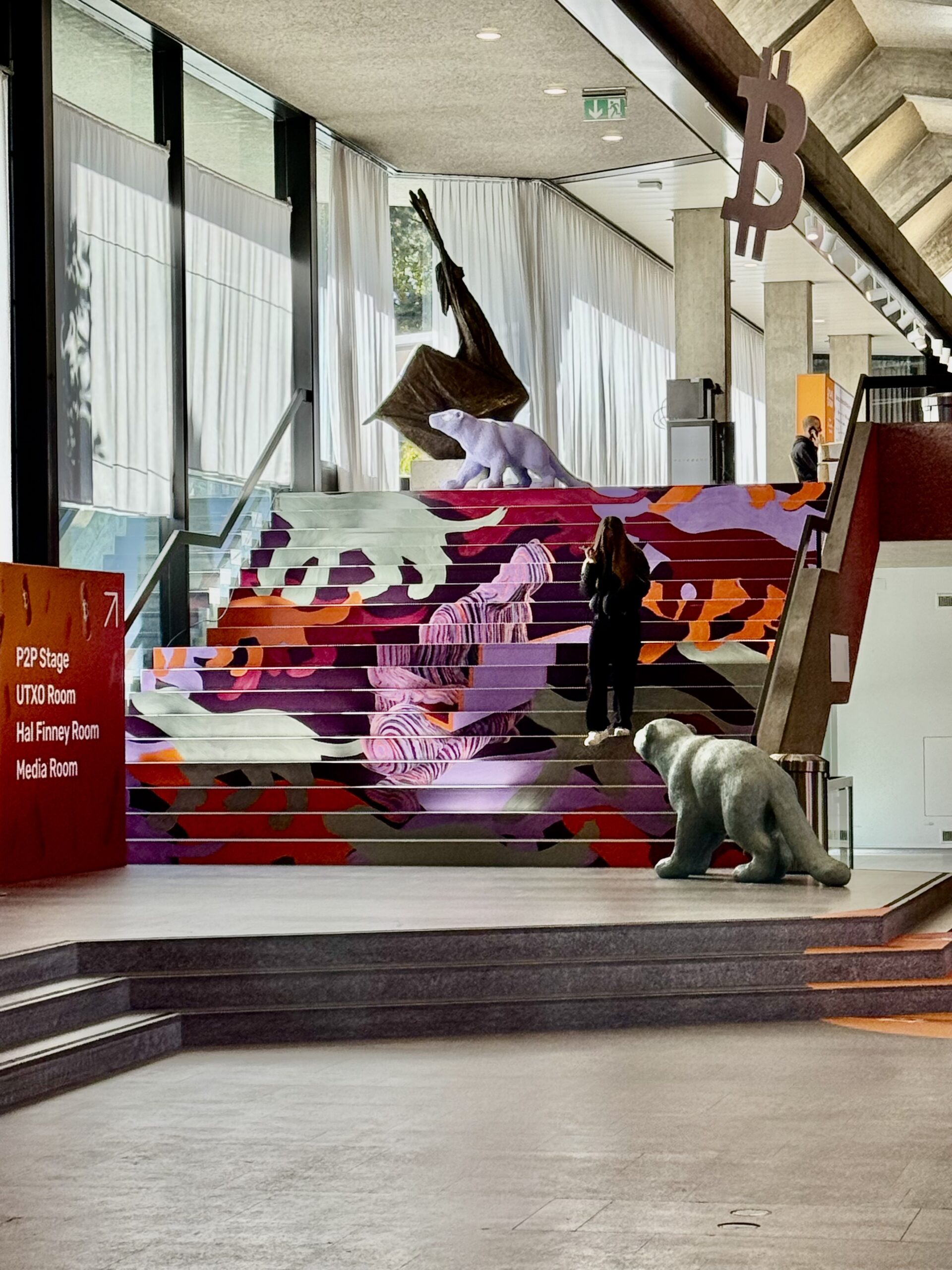
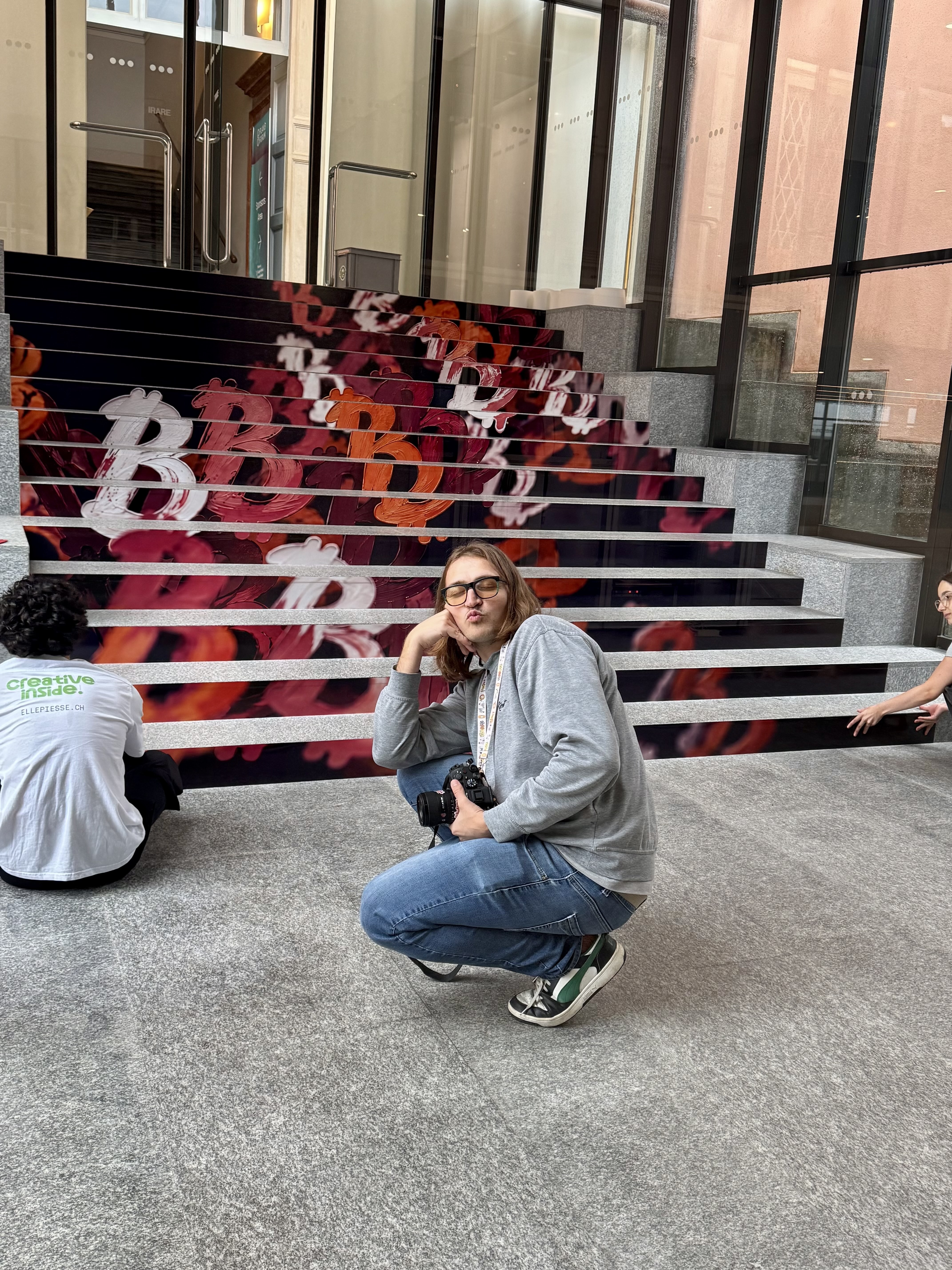
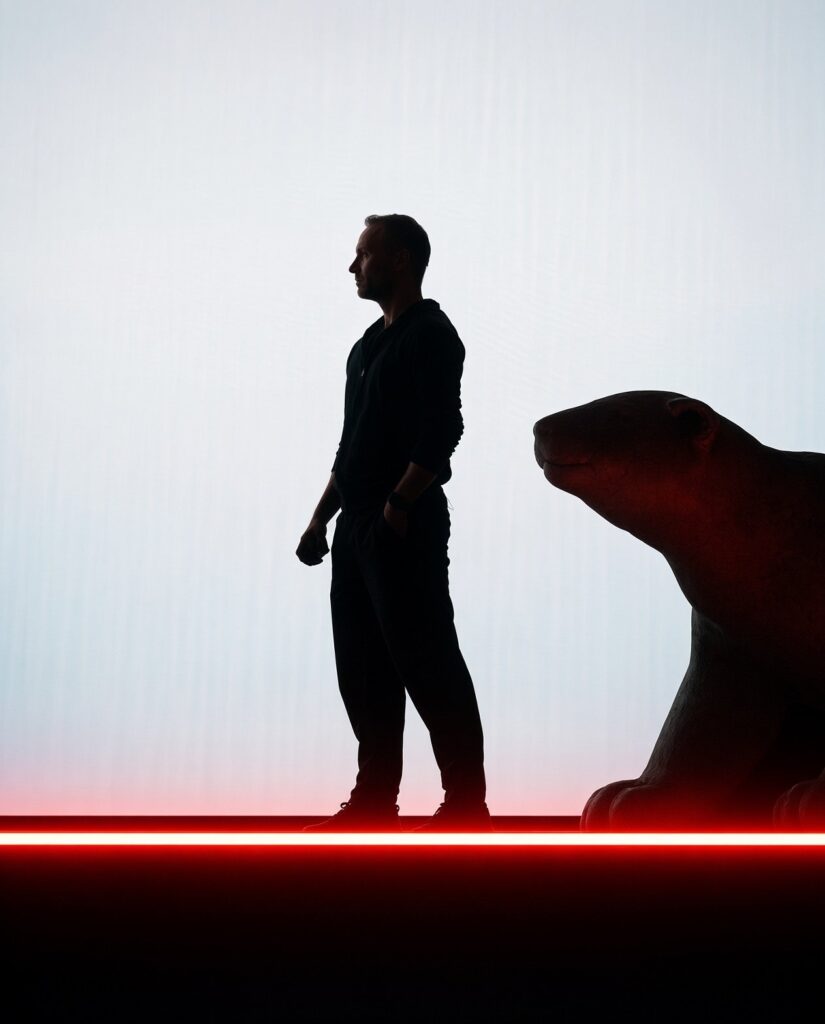
In Lugano, before the conference rooms filled, part of my work involved coordinating the Satoshi Nakamoto sculpture’s movements at night. The photographs tell that story better than an event programme: a truck by the lake, people gathered around a plinth, Satoshi in the lift.
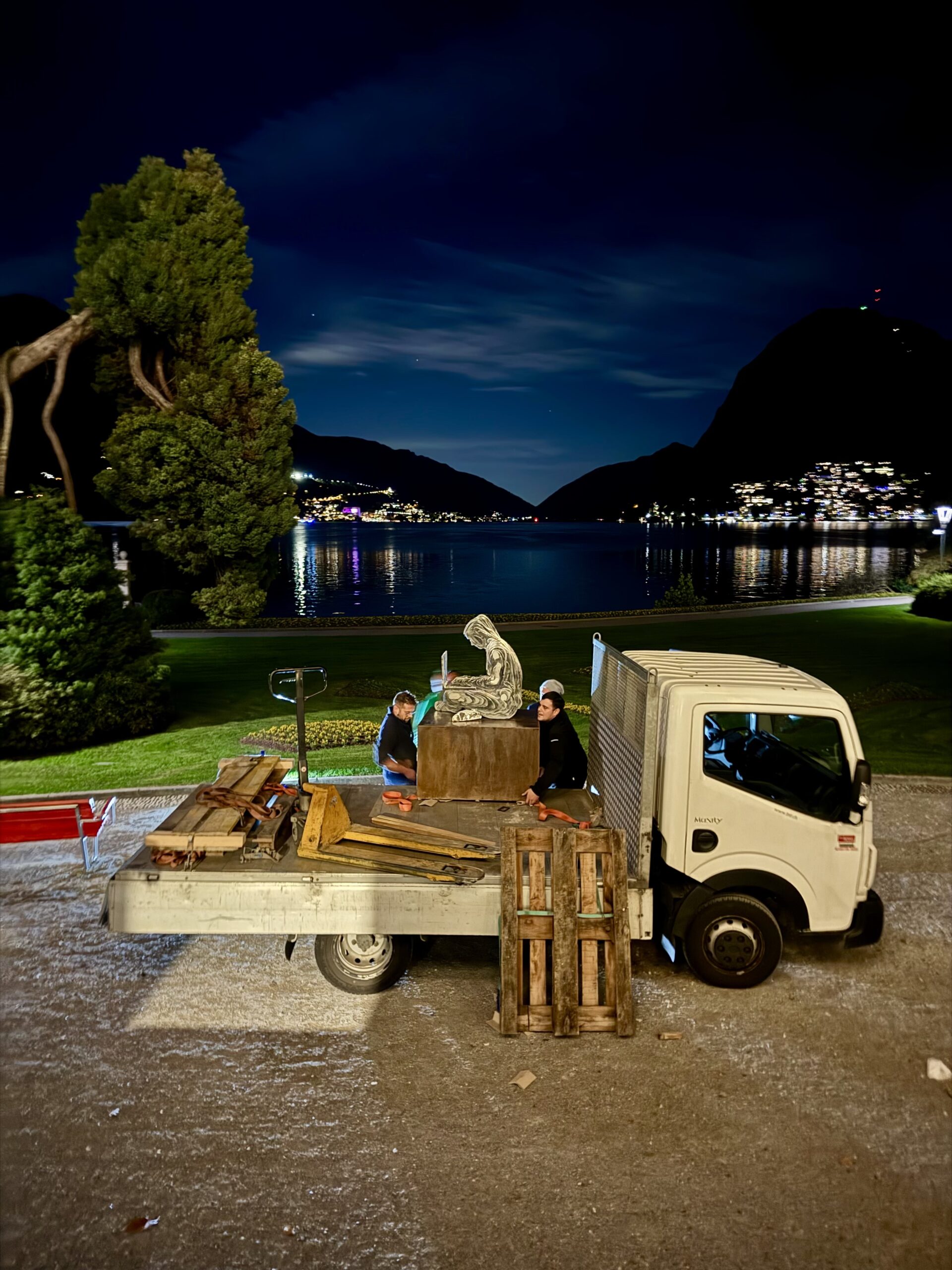
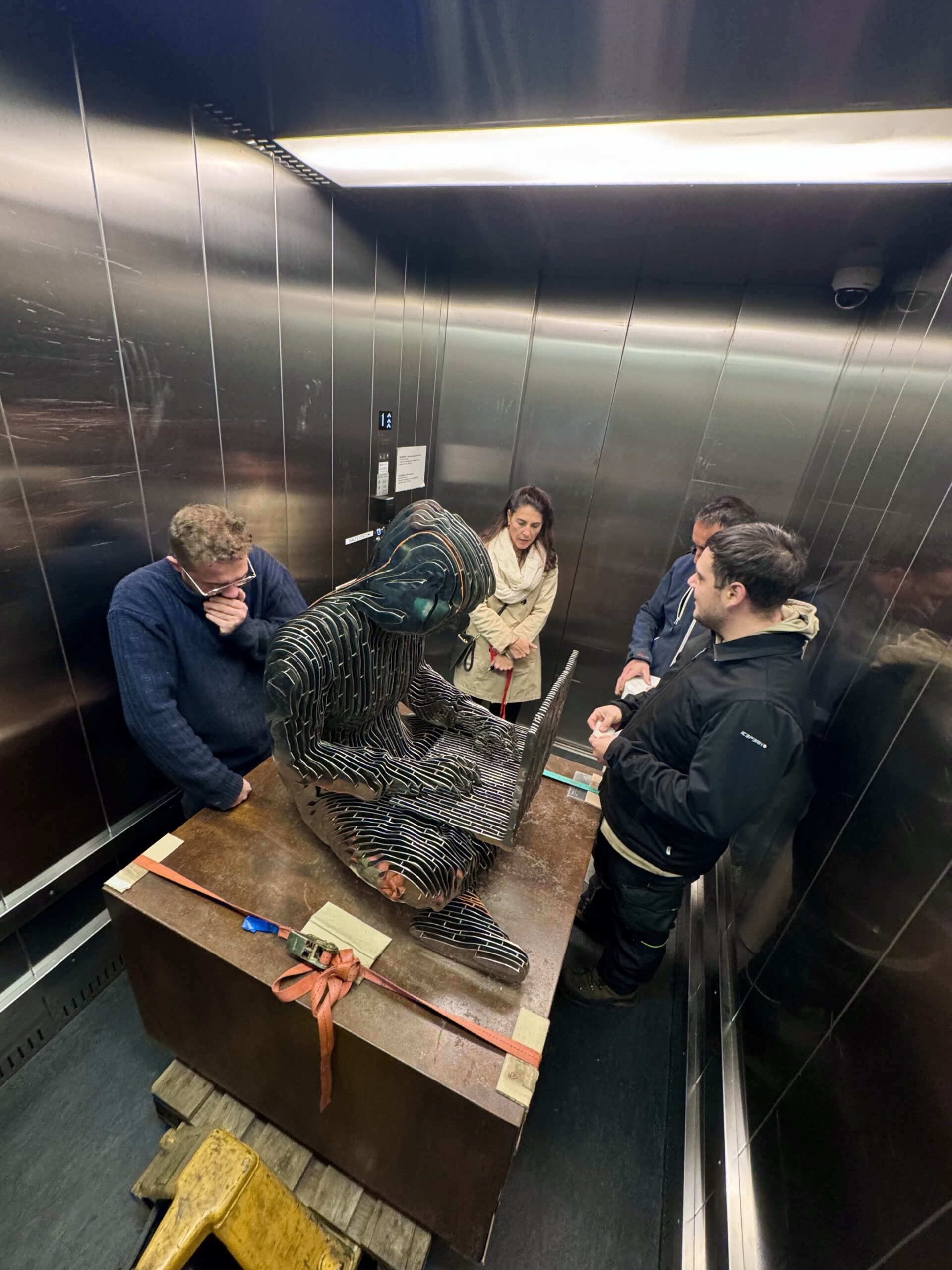
It was an unusually literal version of something I spend much of my life doing: helping an idea find its place in the world.
This autumn, that work took me from Emotitech’s research in South Tyrol to conversations about Bitcoin and capital, a wave across the Vatican Library, and old friends reunited at Museion. Several projects finally reached their public moment. Behind each one were teams, long preparations and plenty of energy spent out of sight.
I came away tired, curious and more convinced that research, finance and culture belong in the same conversation. But the moments I keep returning to were often smaller than the events themselves.
Emotitech, and the questions we cannot shortcut
At home in South Tyrol, Emotitech is beginning to emerge from stealth. Years of R&D, investment and work with new partners are becoming something we can share more openly. Friends and collaborators have come from California, Zurich, Milan and Rome to spend time at our headquarters.
Those visits matter to me. A project can sound perfectly coherent on a call. Around a table, people ask the question you have been avoiding, or notice the assumption everyone else has accepted. The work becomes more demanding, and more interesting.
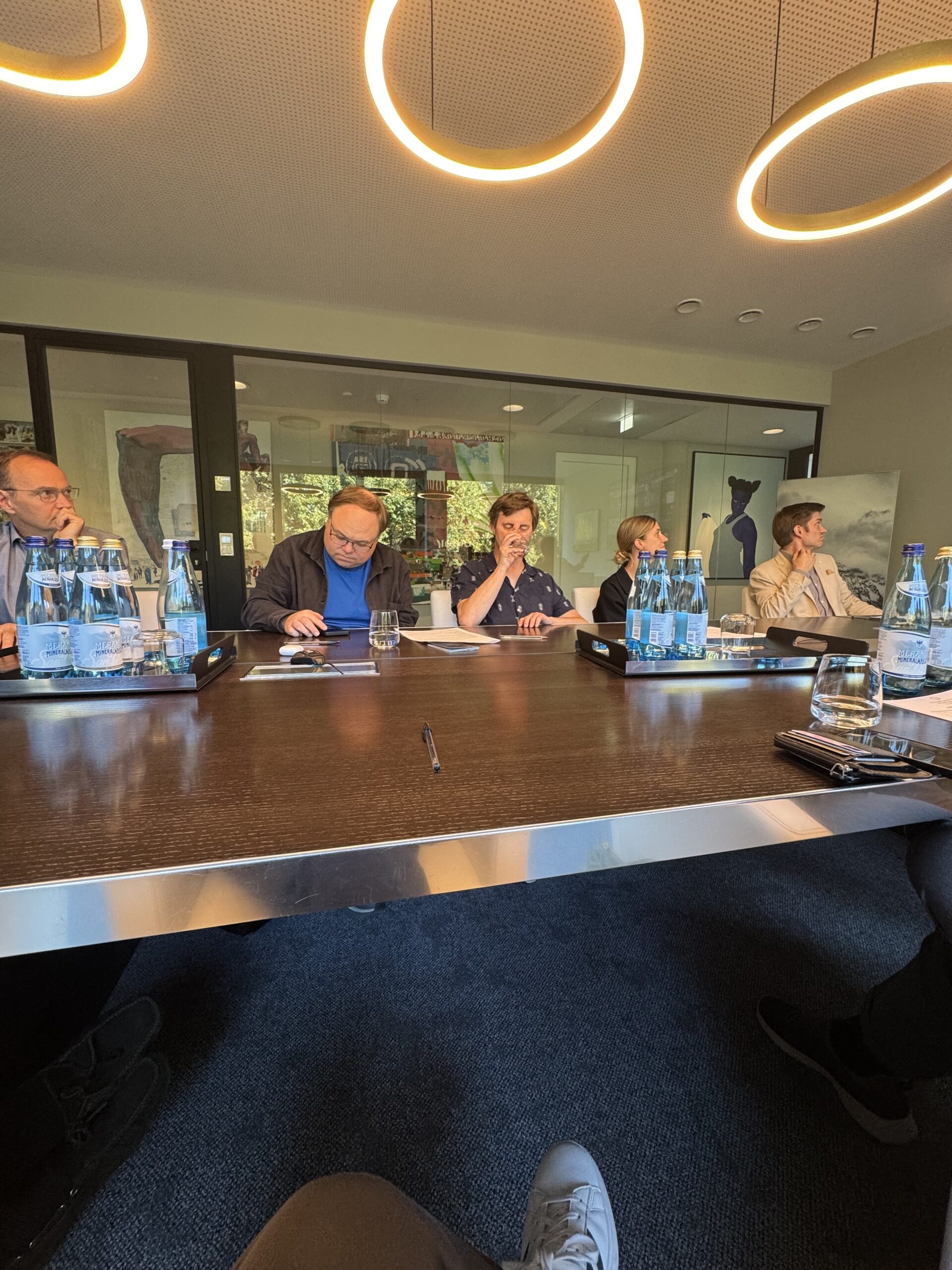
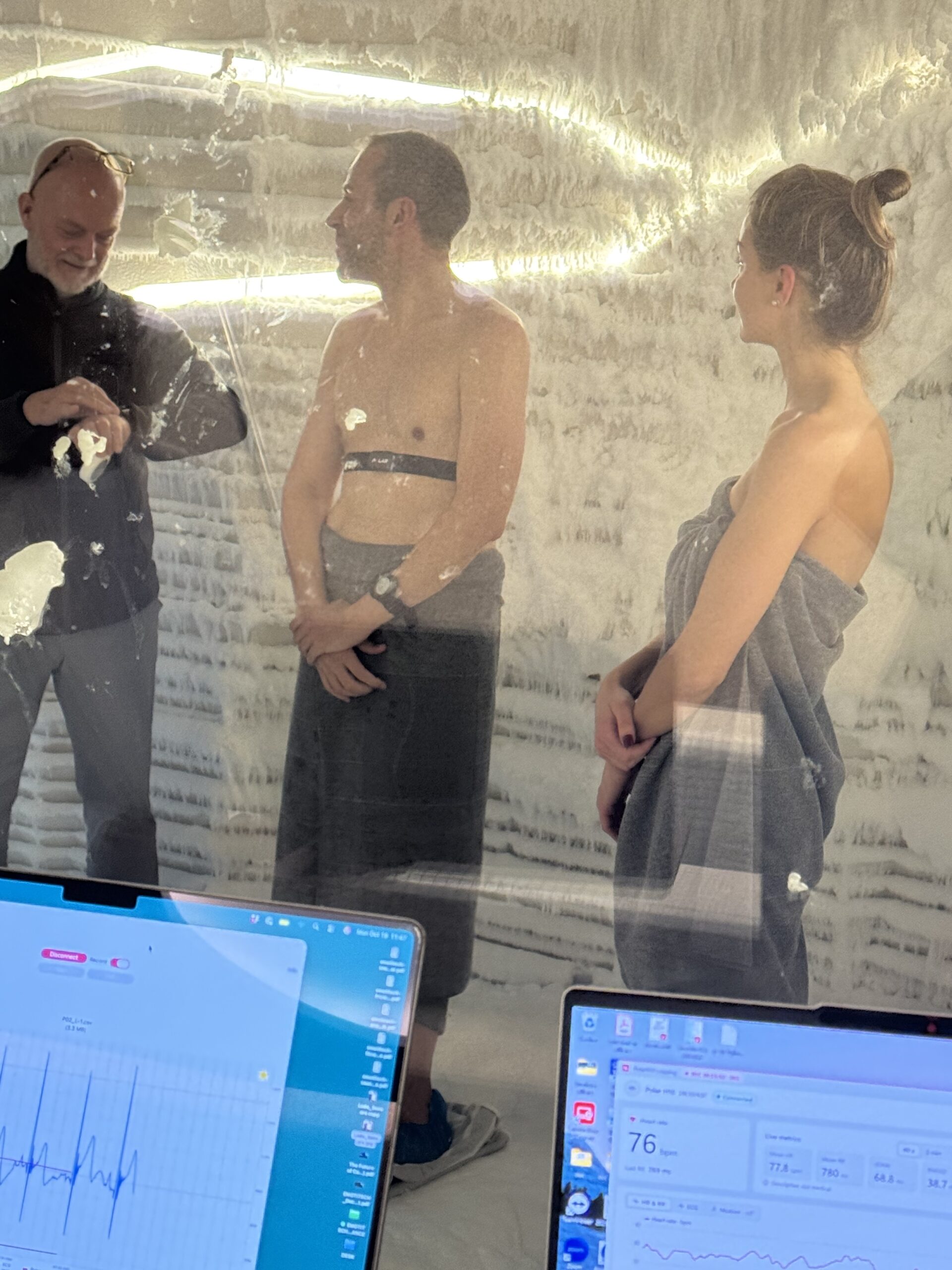
Meeting Federico Faggin at NOI Techpark in Bolzano on 16 October brought another dimension to those questions. A pioneer of the microprocessor, Faggin now asks what computation can explain about human experience, and where its limits lie.
His ideas about consciousness and information have long influenced my curiosity. At Emotitech, our research explores electromagnetic signals in the body and whether they can reveal meaningful information about emotional and physiological states. Affective technology, concerned with recognising and responding to emotion, is part of that ambition; possible health applications widen the questions further.
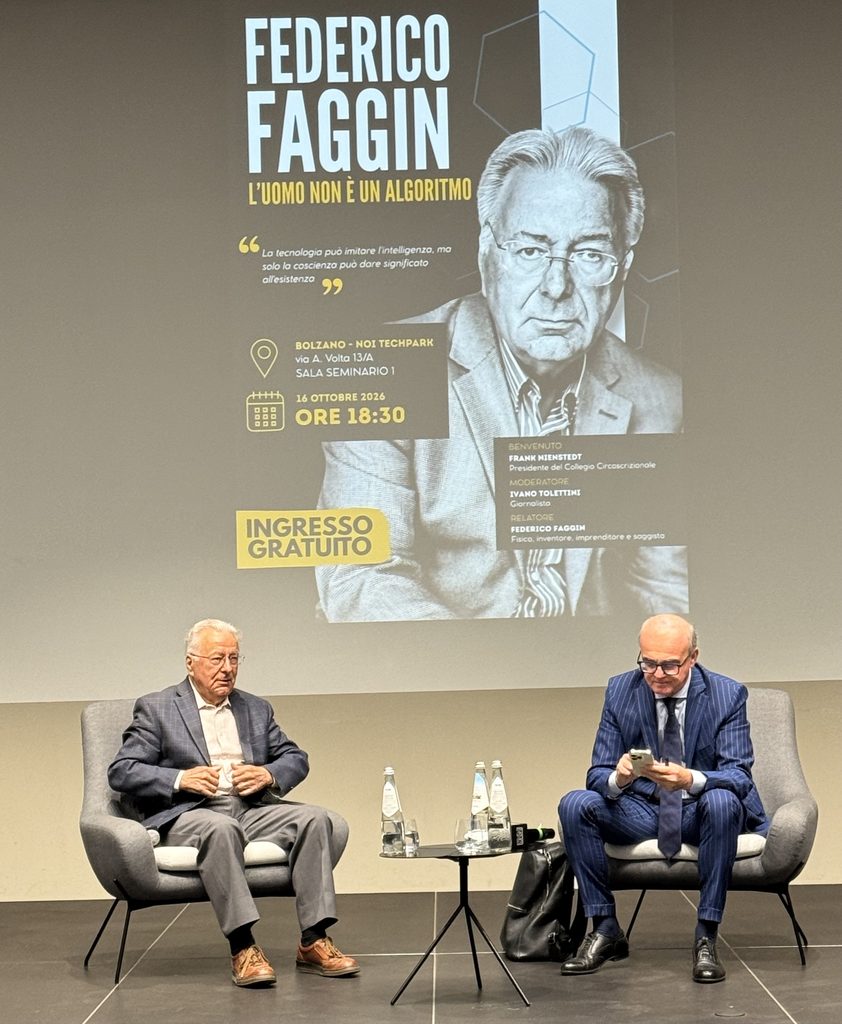
More photographs from the Faggin evening and computing displays
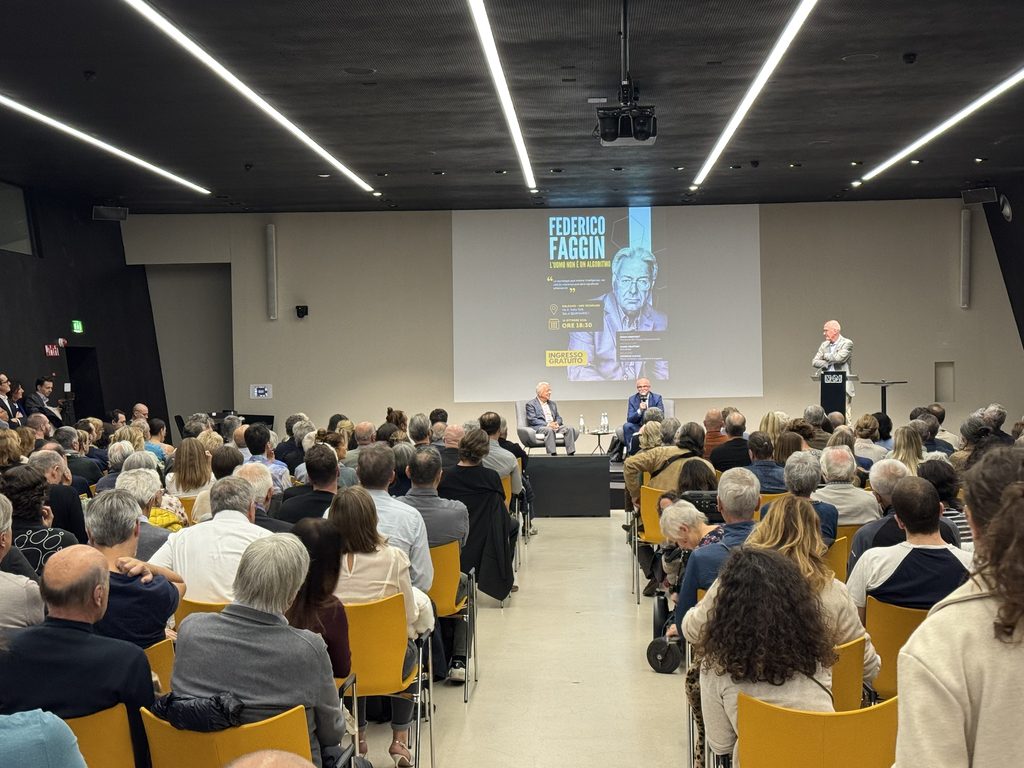
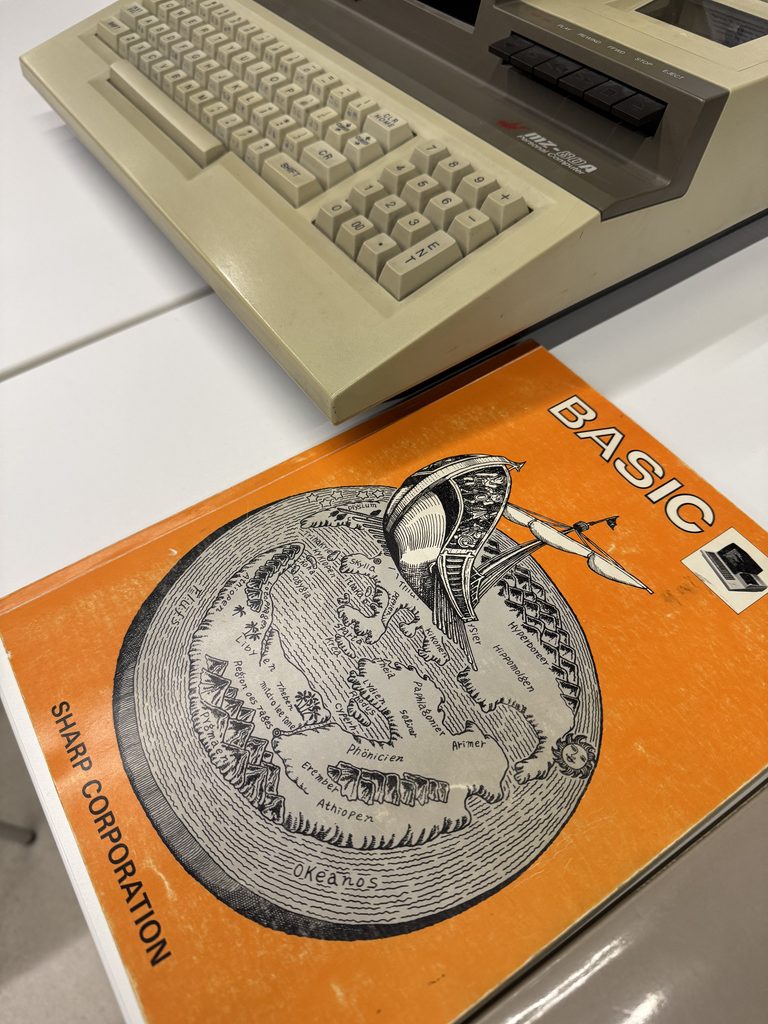
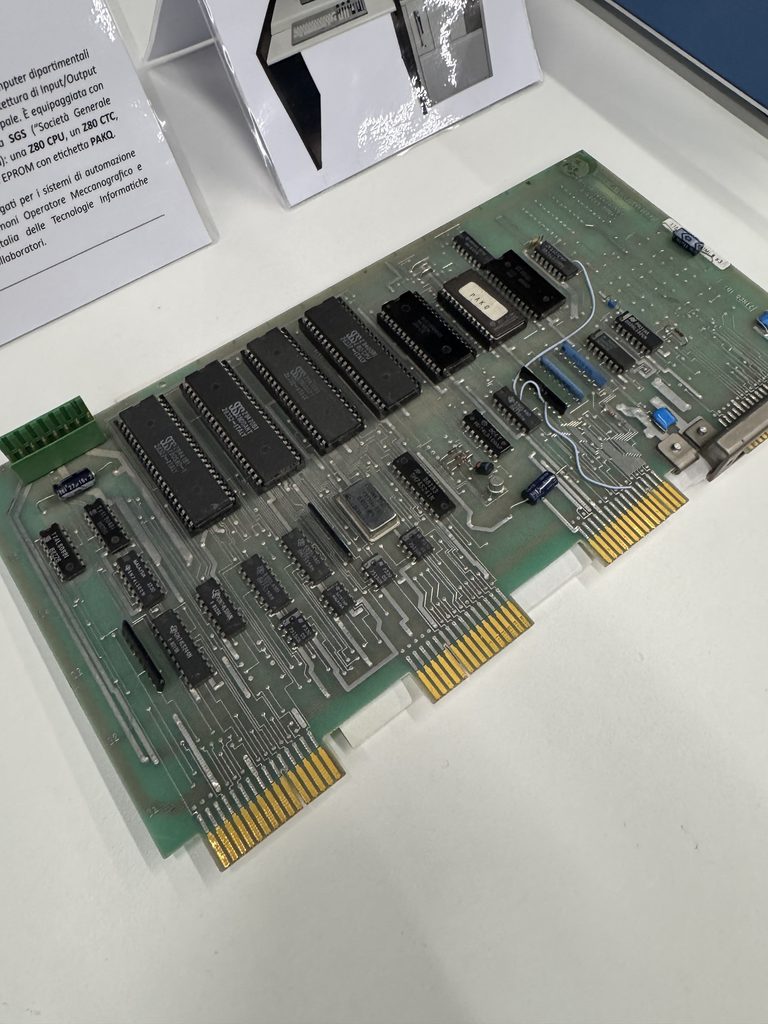
Inspiration gives us questions. Experiments must establish what we can actually measure, reproduce and use. Faggin’s theories are not evidence that our approach works, and a health application would need its own validation. I found the encounter energising precisely because it held engineering and these larger questions in the same room.
From a handshake in London to Satoshi after dark
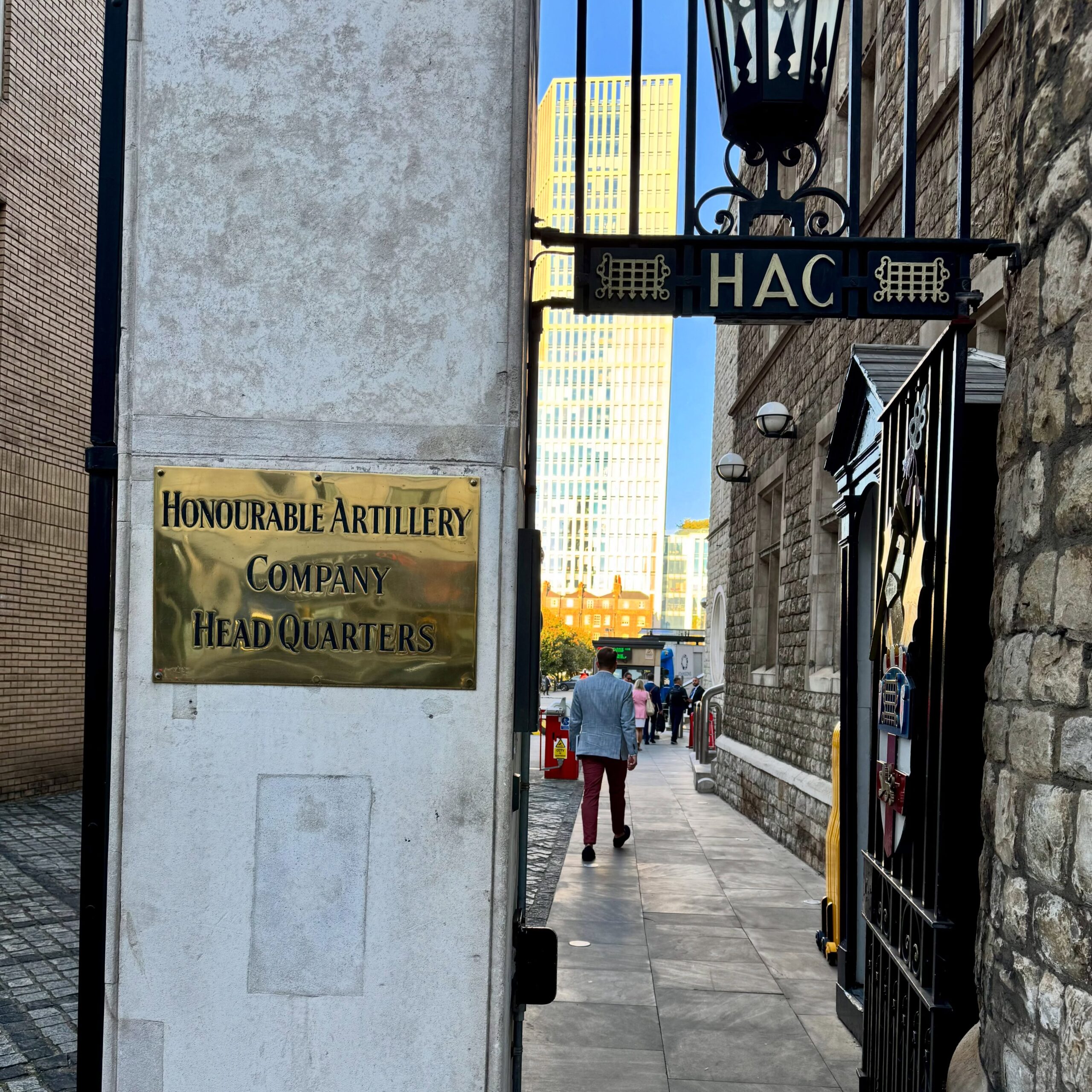
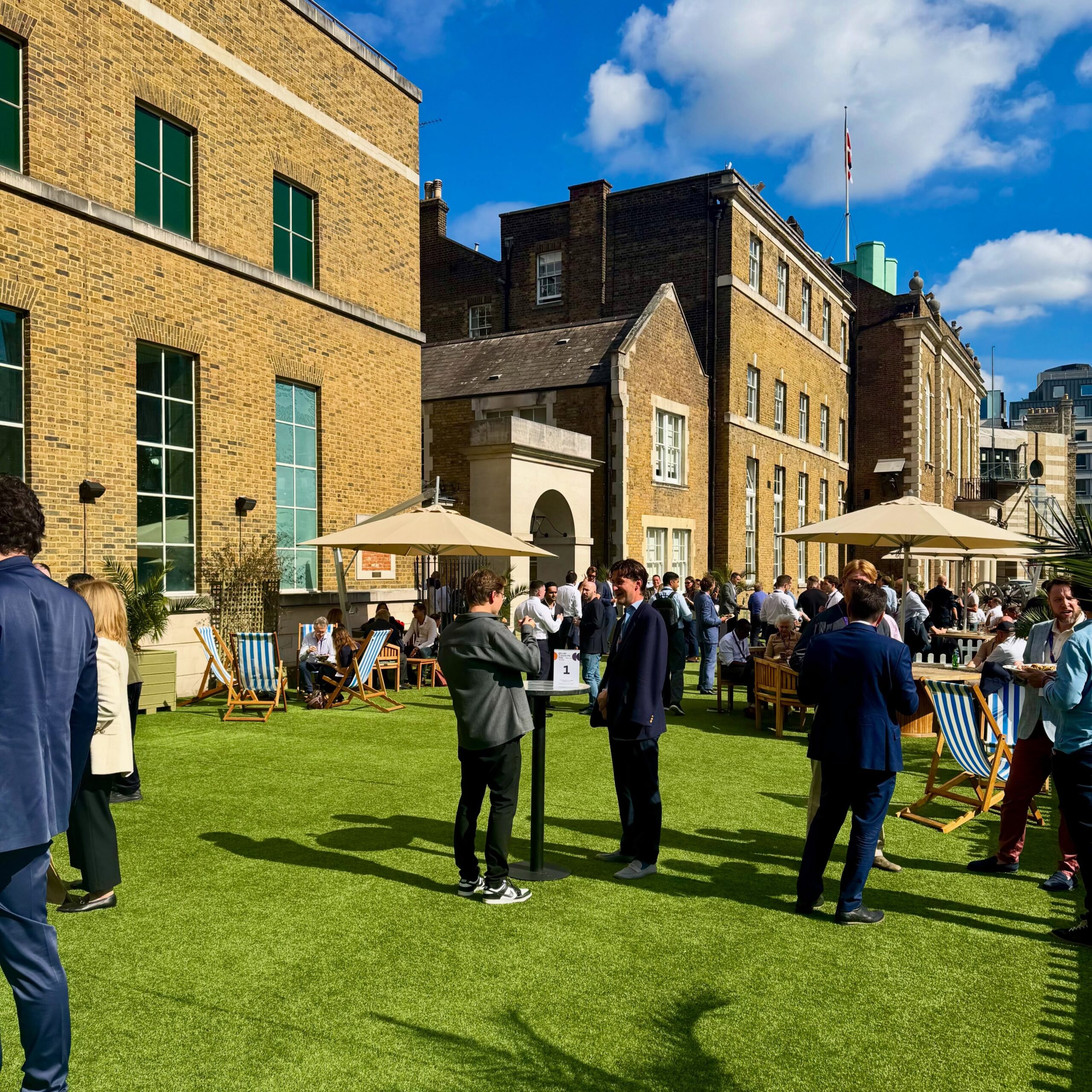
My stop at Bitcoin Corporate Day at London’s Honourable Artillery Company was brief. I went to meet prospective partners, shake hands and put a human being behind the messages. Trust often starts with something that simple. What matters is whether you follow through afterwards.
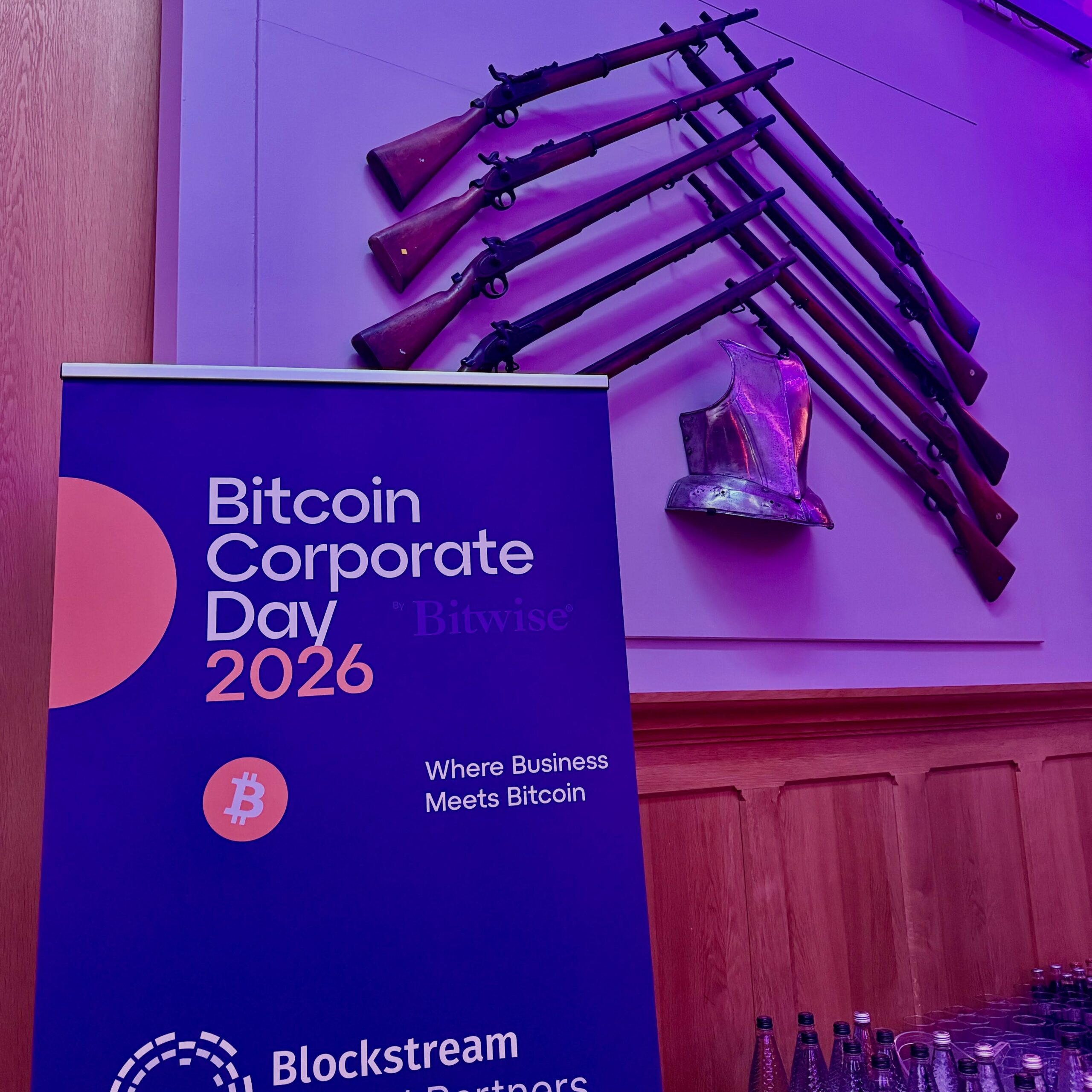
More photographs from London
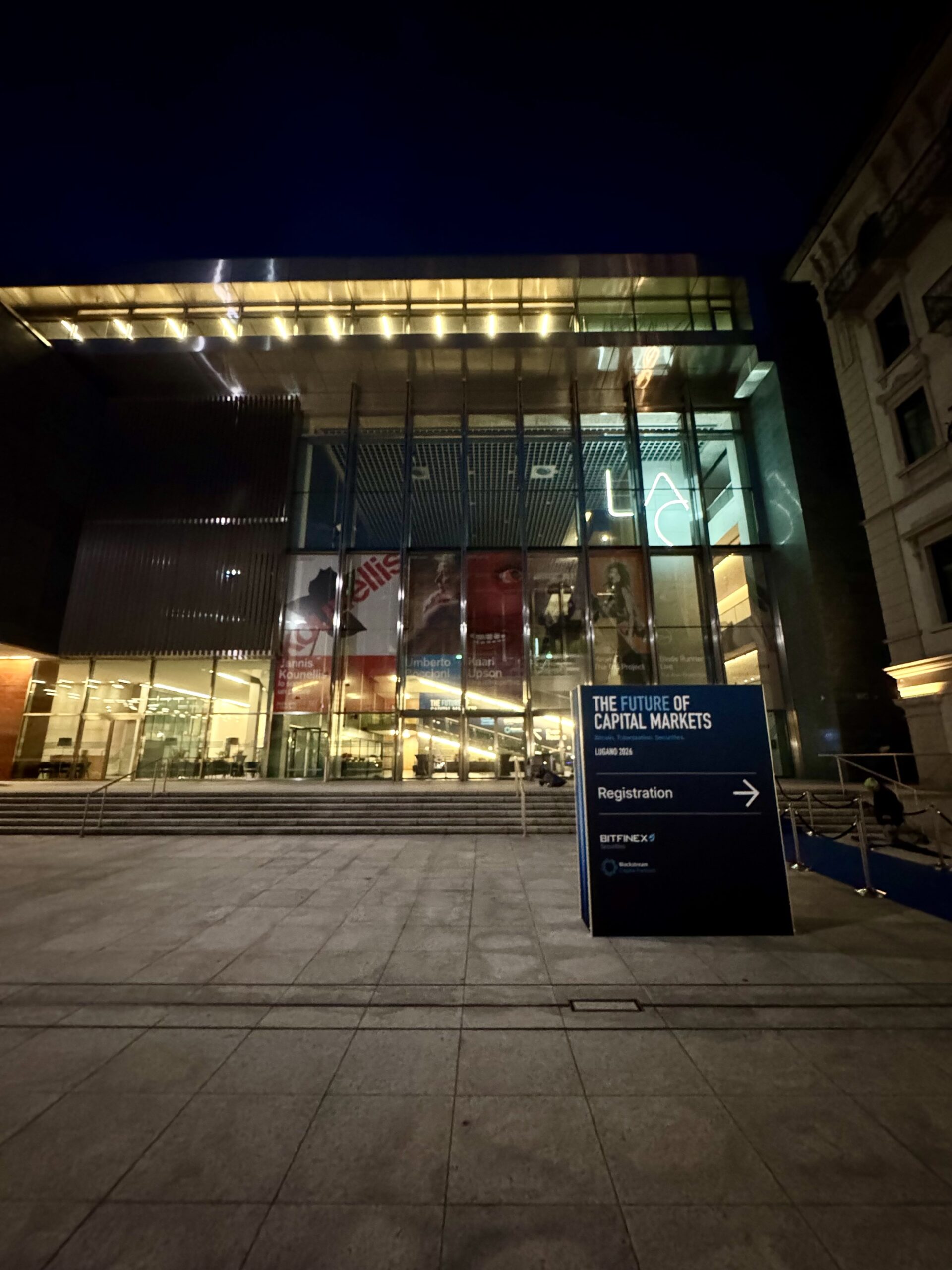
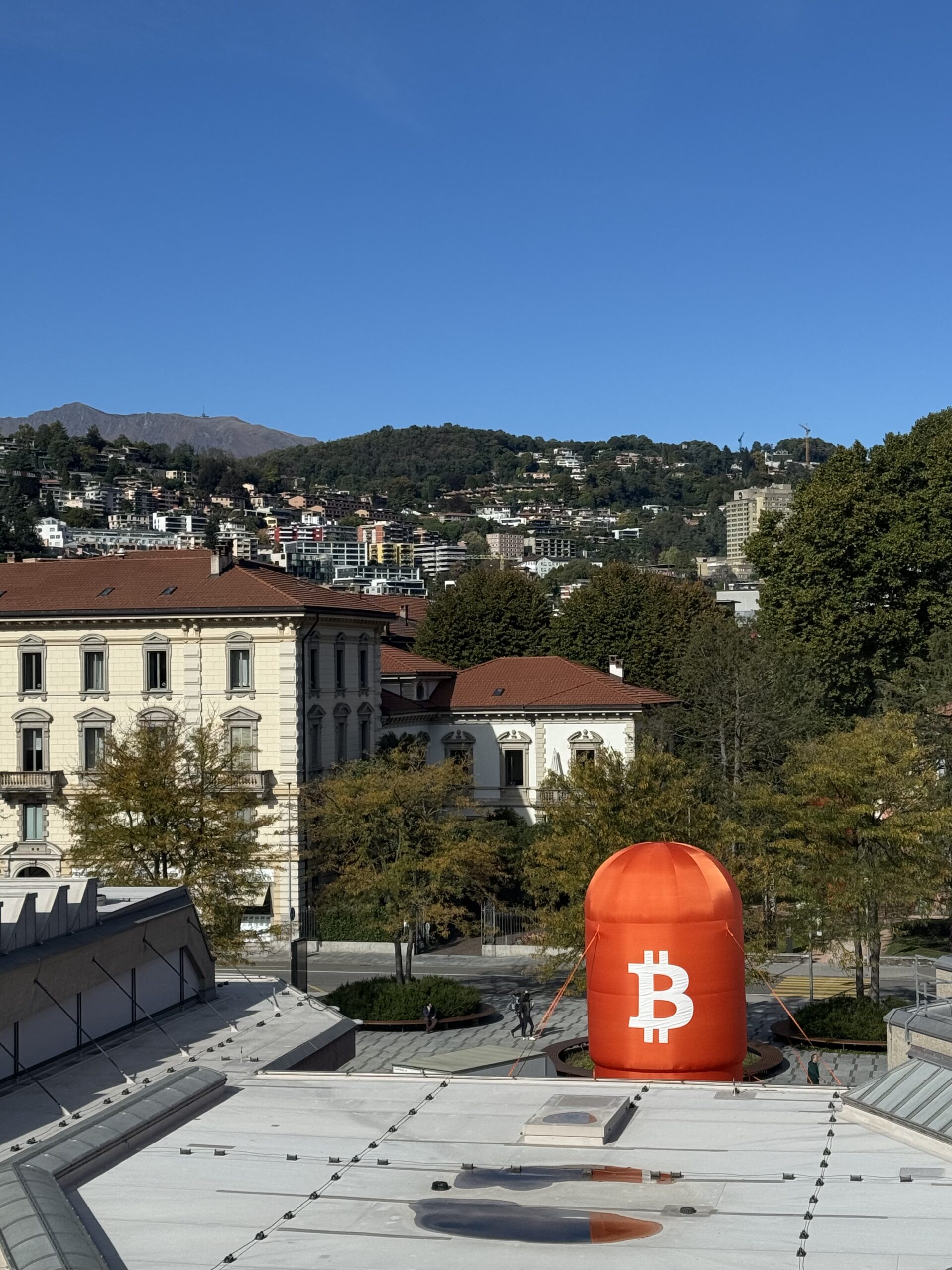
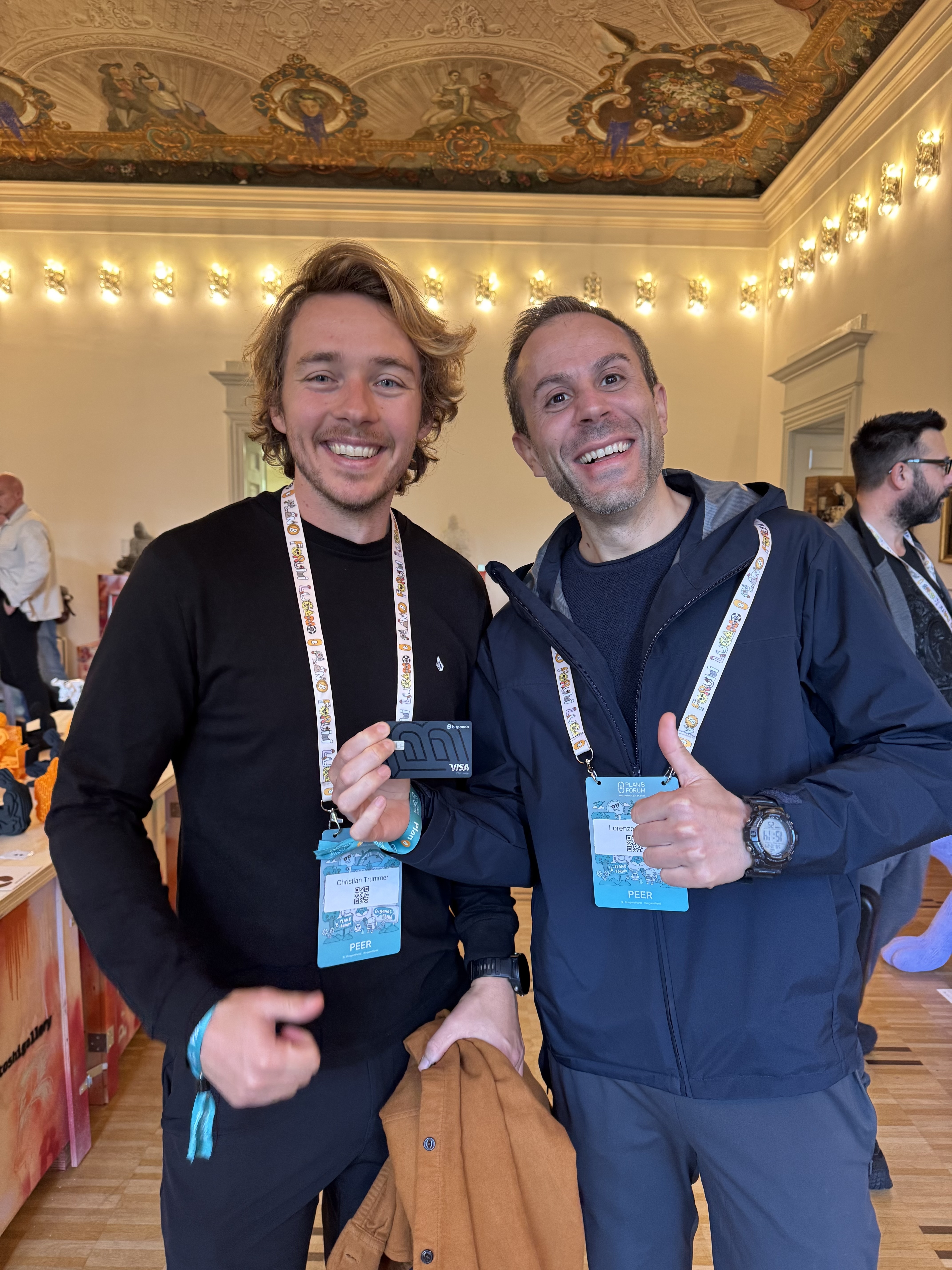
Lugano was more intensive. Working behind the scenes of The Future of Capital Markets at LAC and Plan ₿ Forum meant moving between established finance, the Bitcoin community and the practical work that makes a gathering happen.
For a deep-tech entrepreneur, the way money reaches a company is a daily constraint. Patient research needs people prepared to fund uncertainty. New financial infrastructure becomes interesting when it changes who can participate, how ownership works, or how long a team can keep learning. Those are the questions I bring into these rooms.
Then there was the sculpture. Coordinating its night-time movements was a reminder that even the most abstract discussions have a physical world underneath them. Someone has to arrange access, timing and the people who will get an object into place. I enjoy that part of the work, when a project becomes tangible.
More photographs from Lugano and Plan ₿ Forum
What a sculpture can start
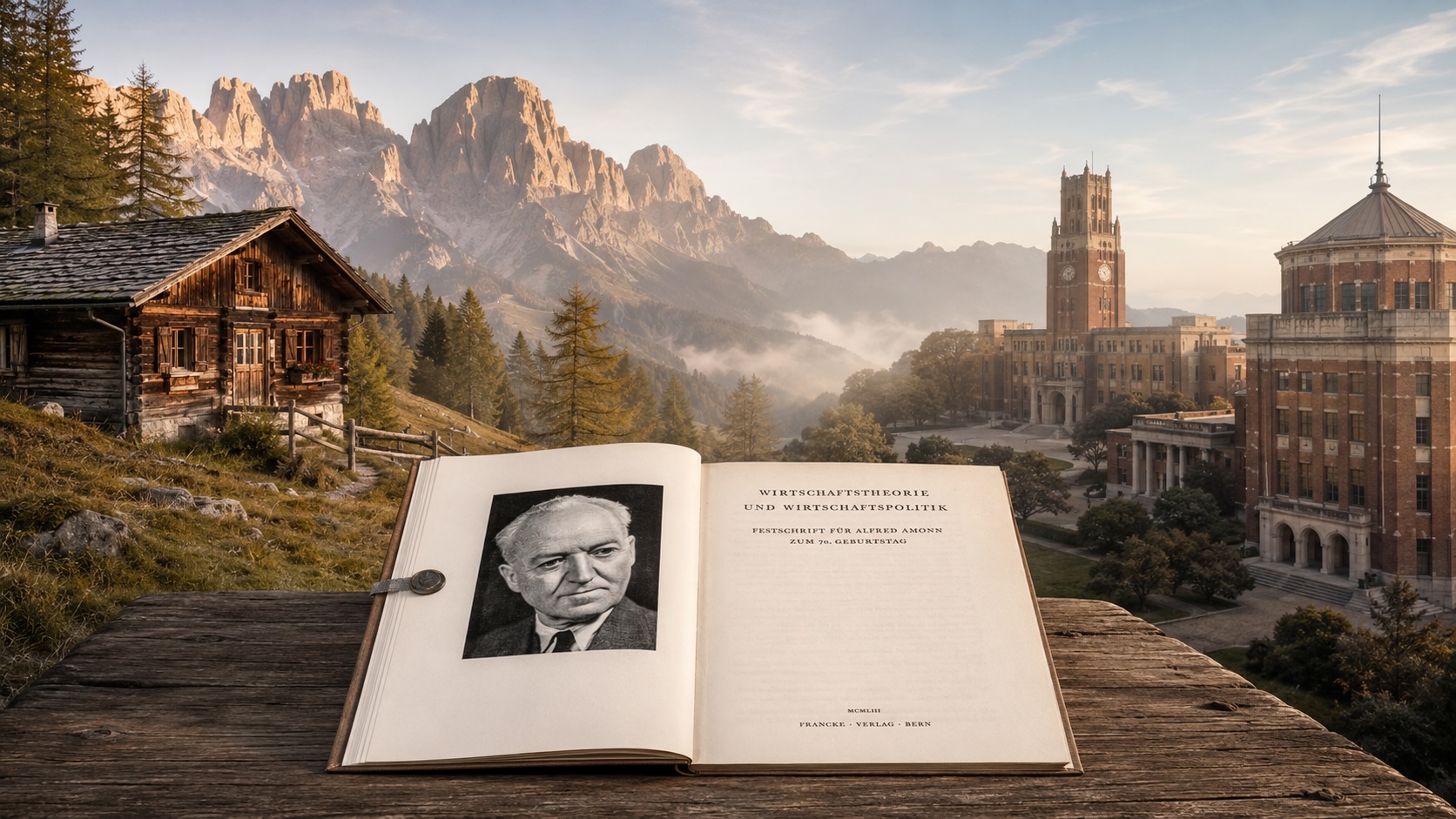
In Vienna, the Satoshi Nakamoto sculpture arrived in Viertel Zwei, near the University of Economics and Business. In a city so closely associated with the Austrian School of Economics, it feels like an invitation to continue an old argument about money in a new form.
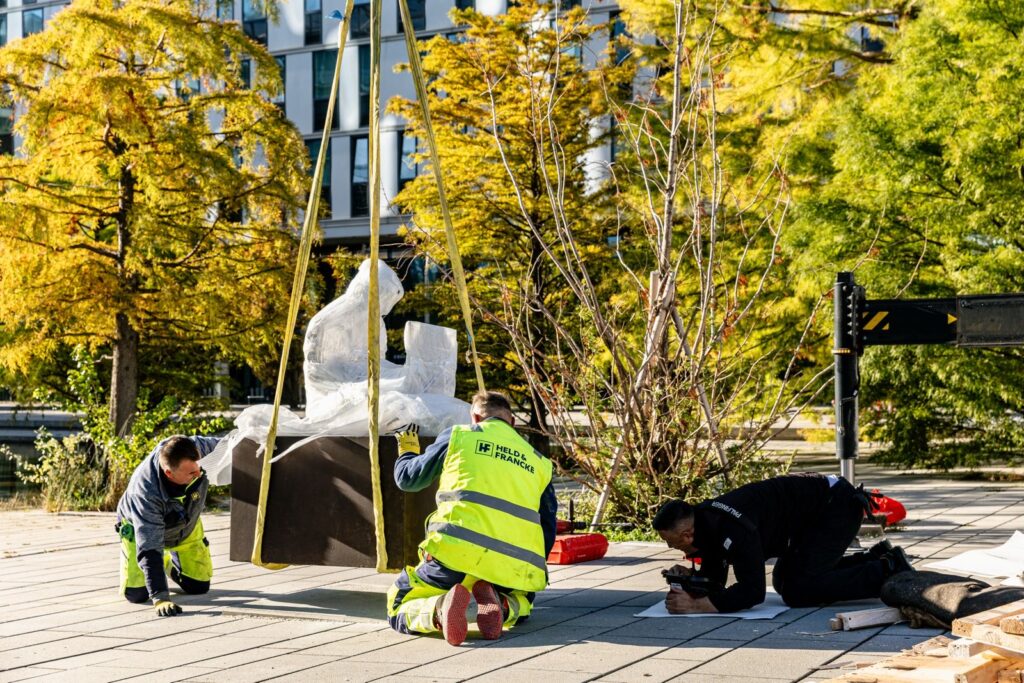
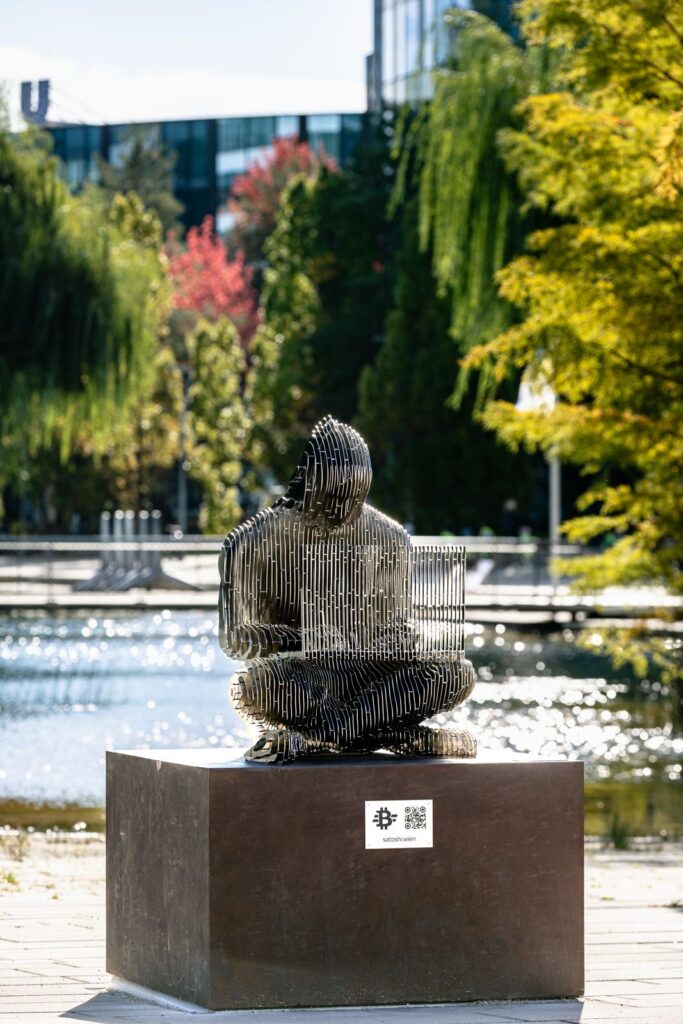
More photographs from the Vienna installation
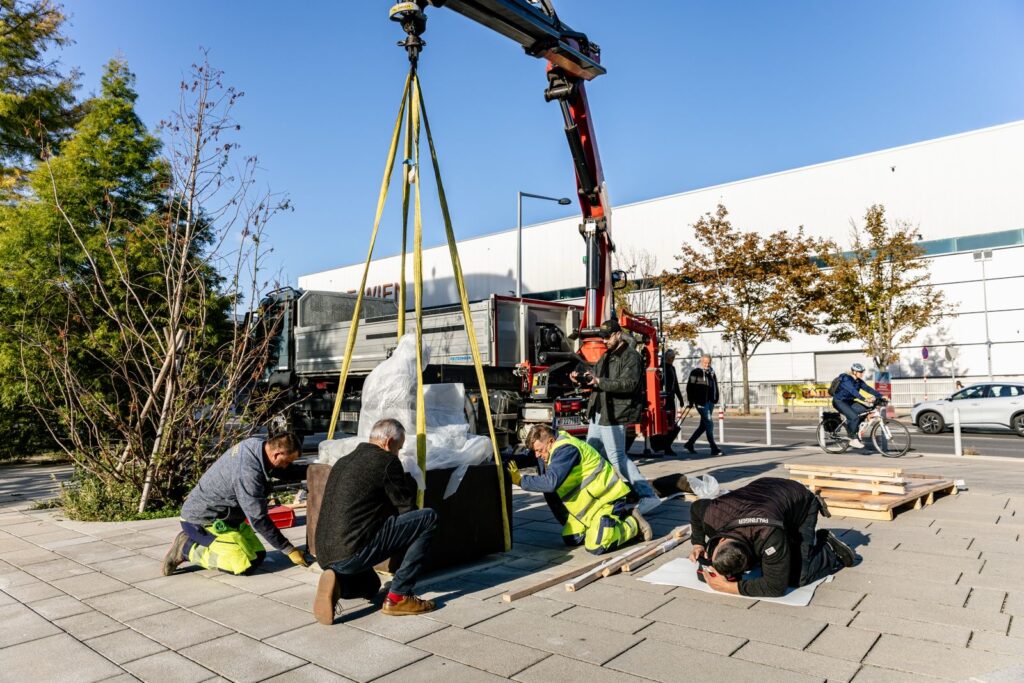
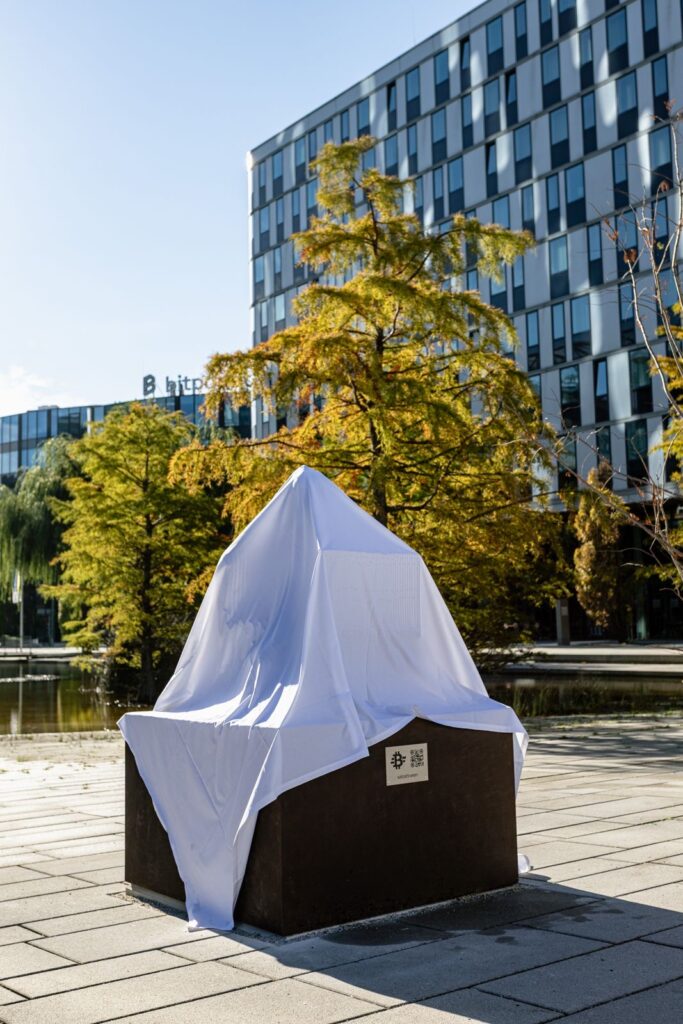
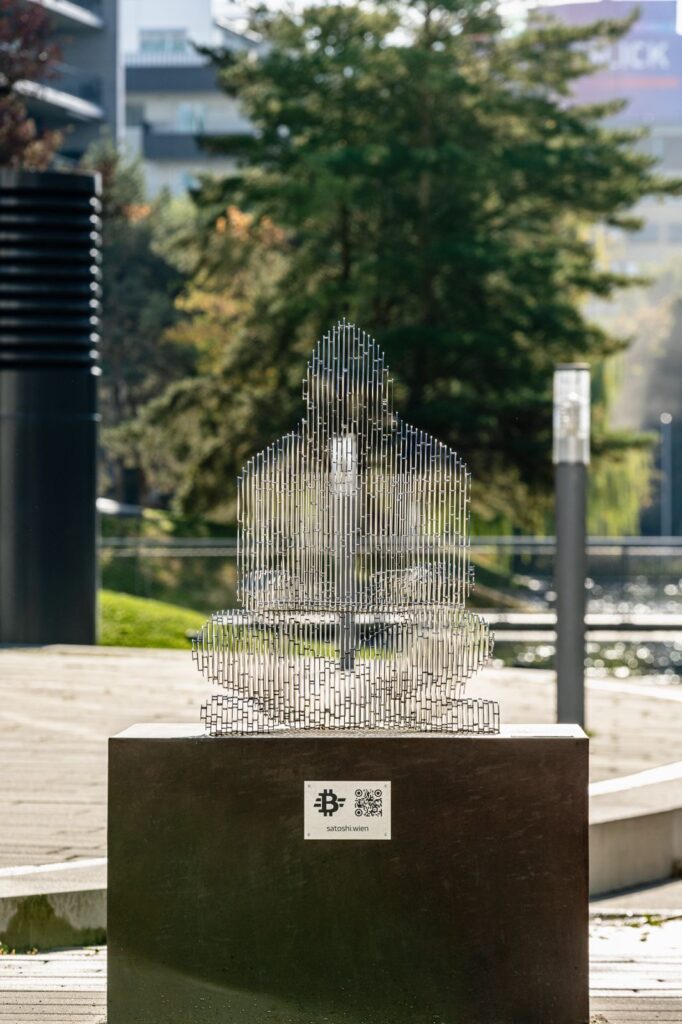
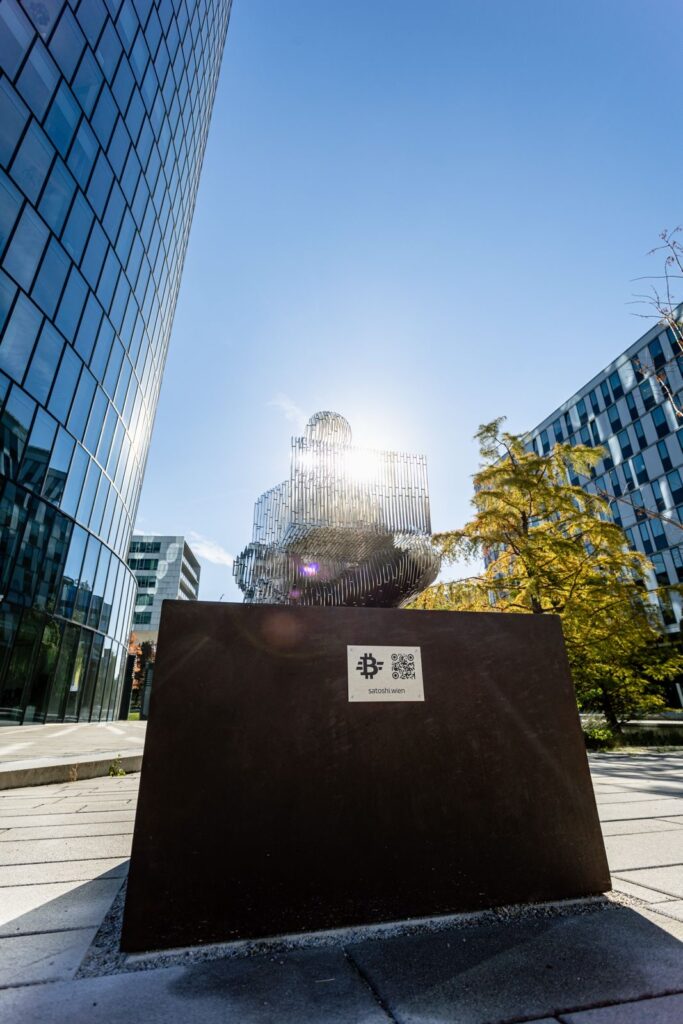
A public artwork reaches people who would never open a technical paper. They can walk around it, watch it appear and disappear between its metal layers, and ask why it is there. That first question can take a conversation surprisingly far.
A wave across centuries of memory
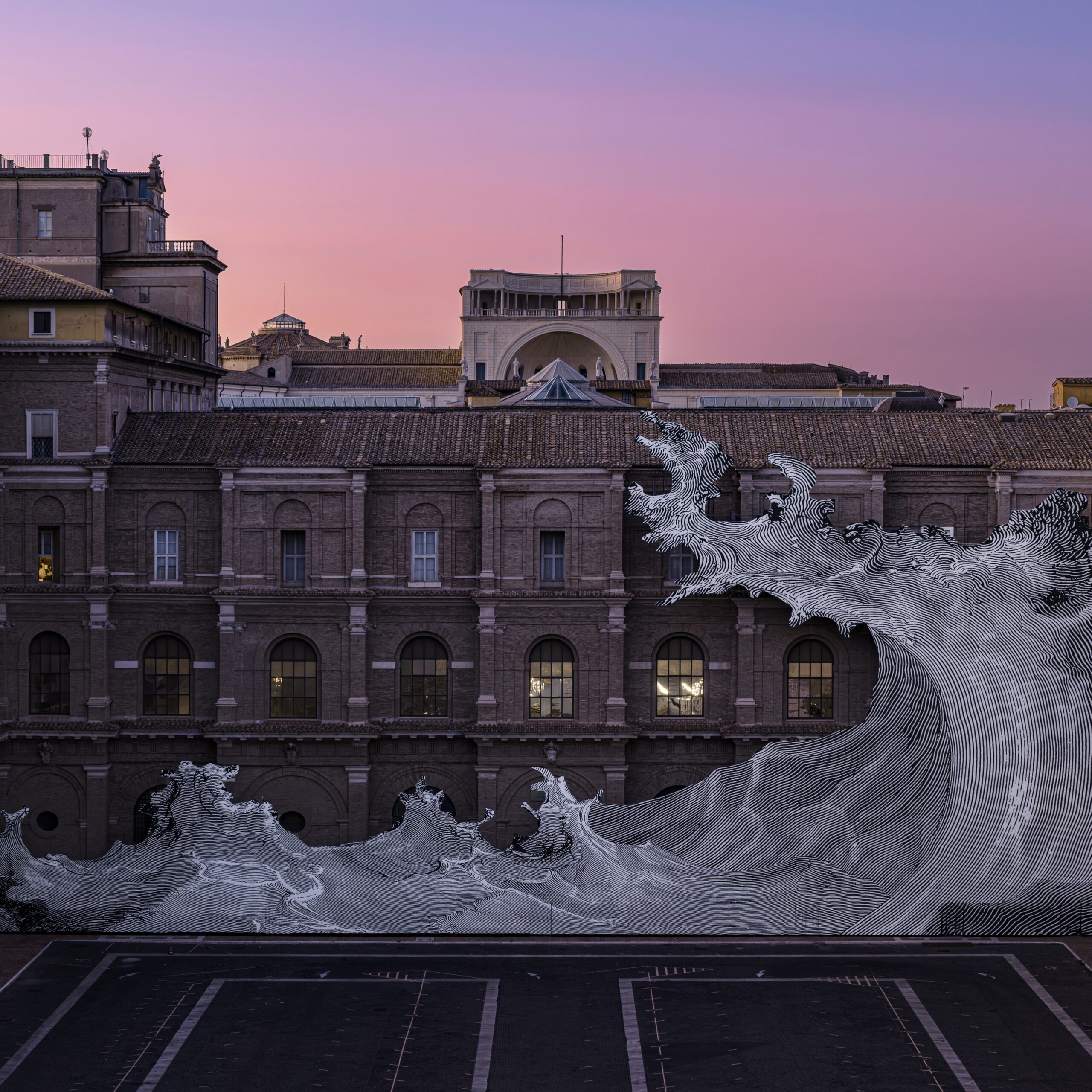
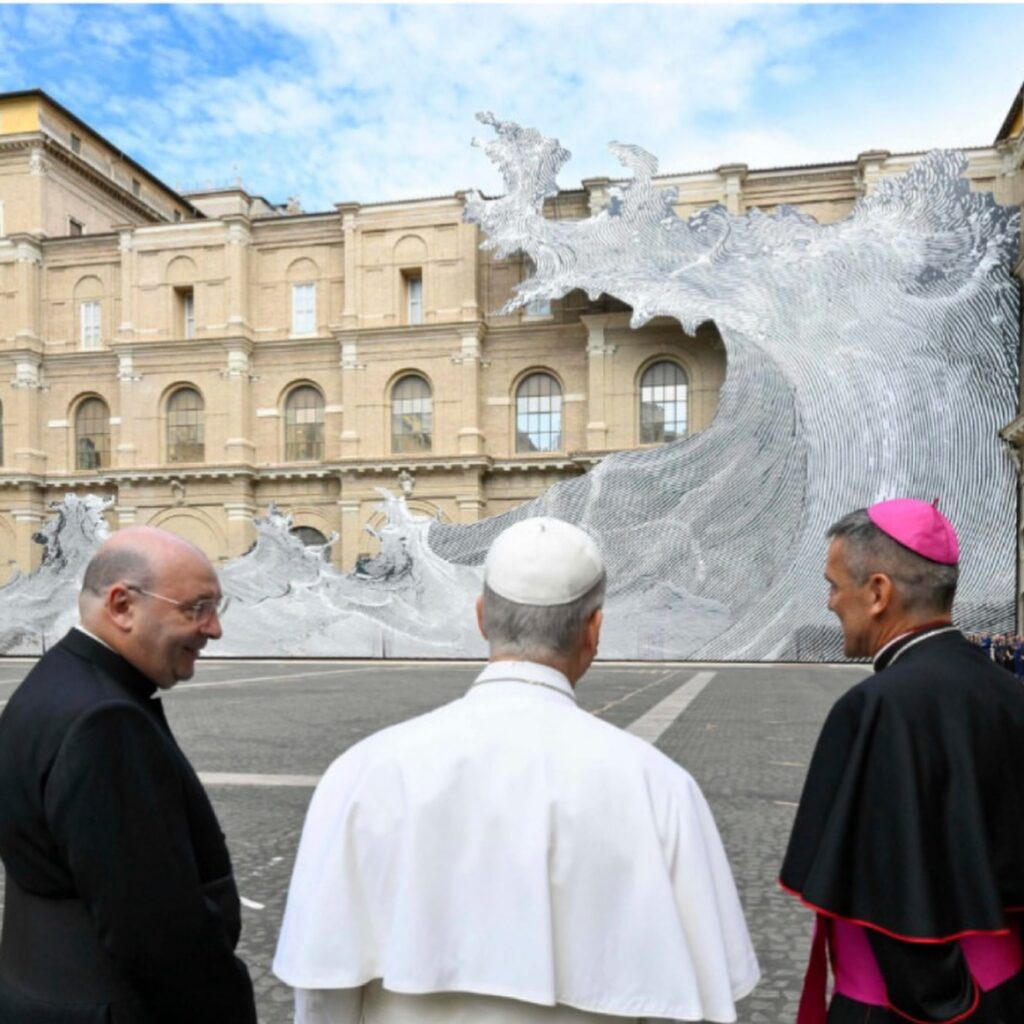
At the Vatican, the scale was entirely different. JR’s Diluvium turned the sixteenth-century façade of the Apostolic Library into a monumental black-and-white wave, roughly 30 metres high and 70 metres wide.
Marco, my partner for Art-PR in Italy, handled communications around the opening. Seeing Pope Leo XIV take in the installation during his birthday visit was surreal. An image full of force and movement had entered a place built to preserve knowledge across centuries.
More photographs from the Vatican
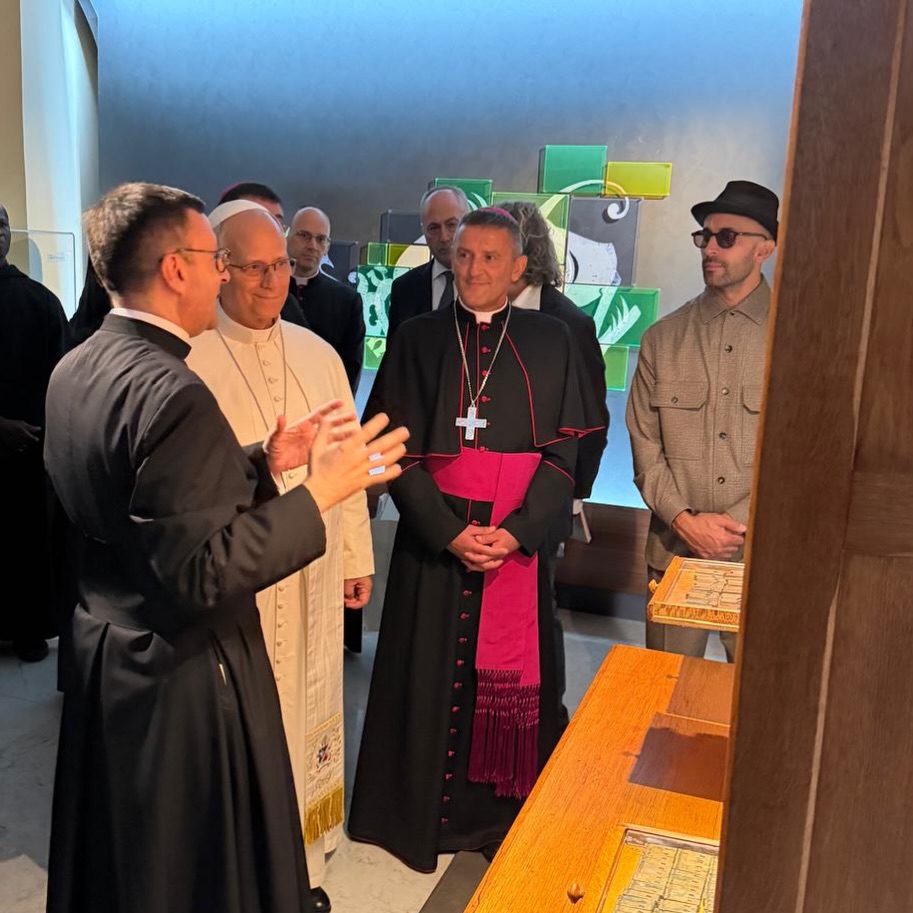
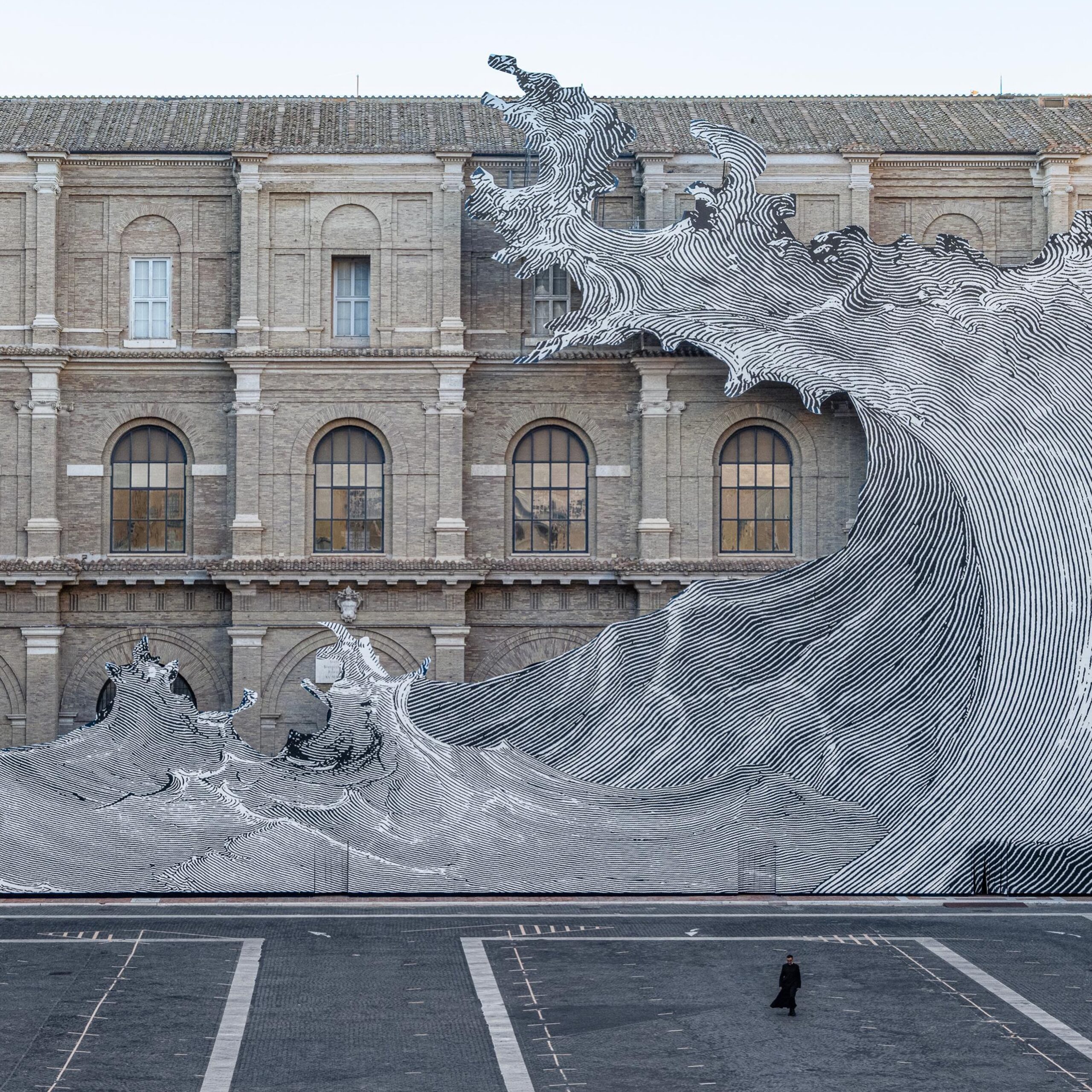
I keep thinking about that encounter. An artist can change how a building is seen without moving a single wall. It makes me wonder what else we have stopped noticing simply because its familiar form tells us we already understand it.
RAMMELLZEE comes to Bolzano
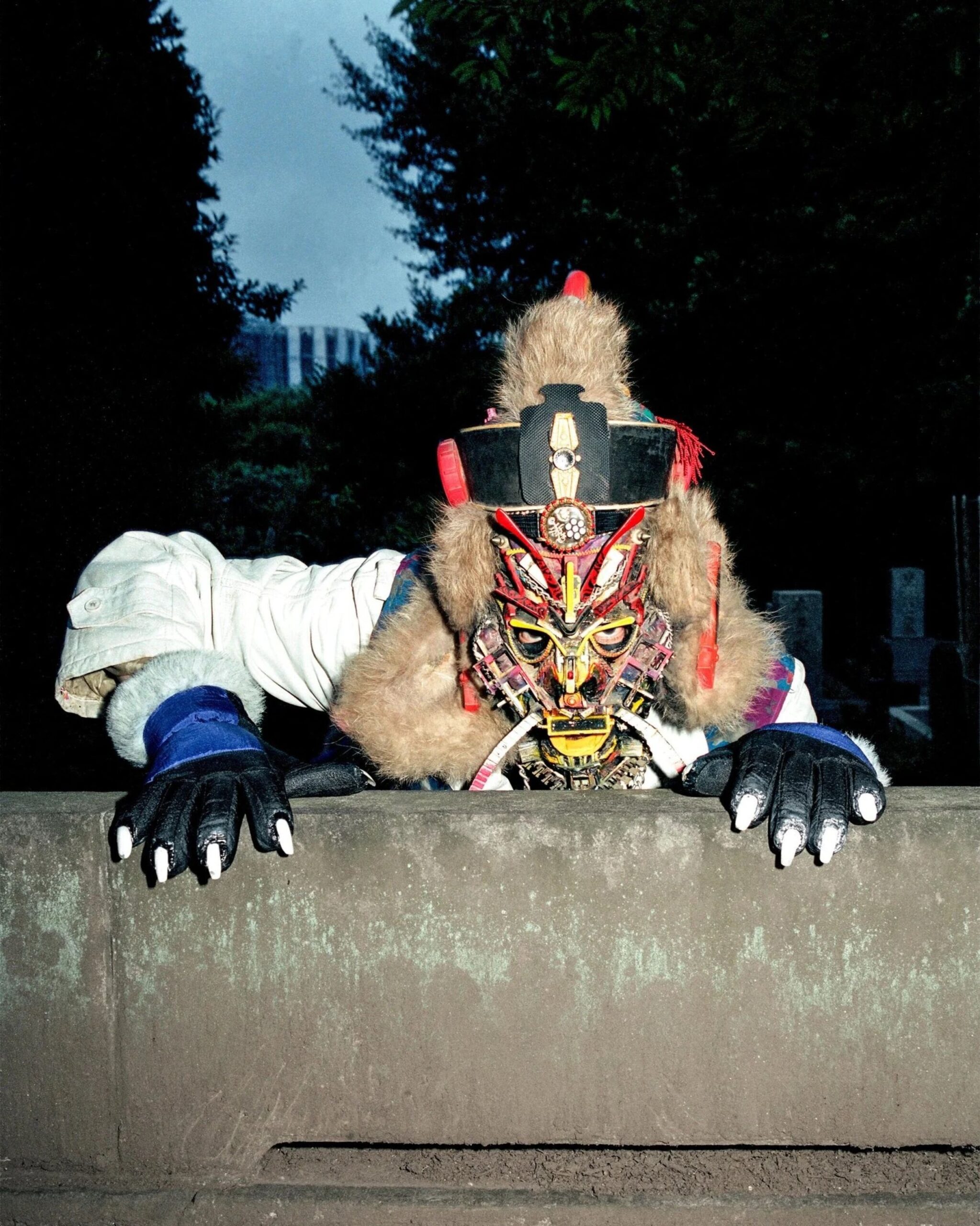
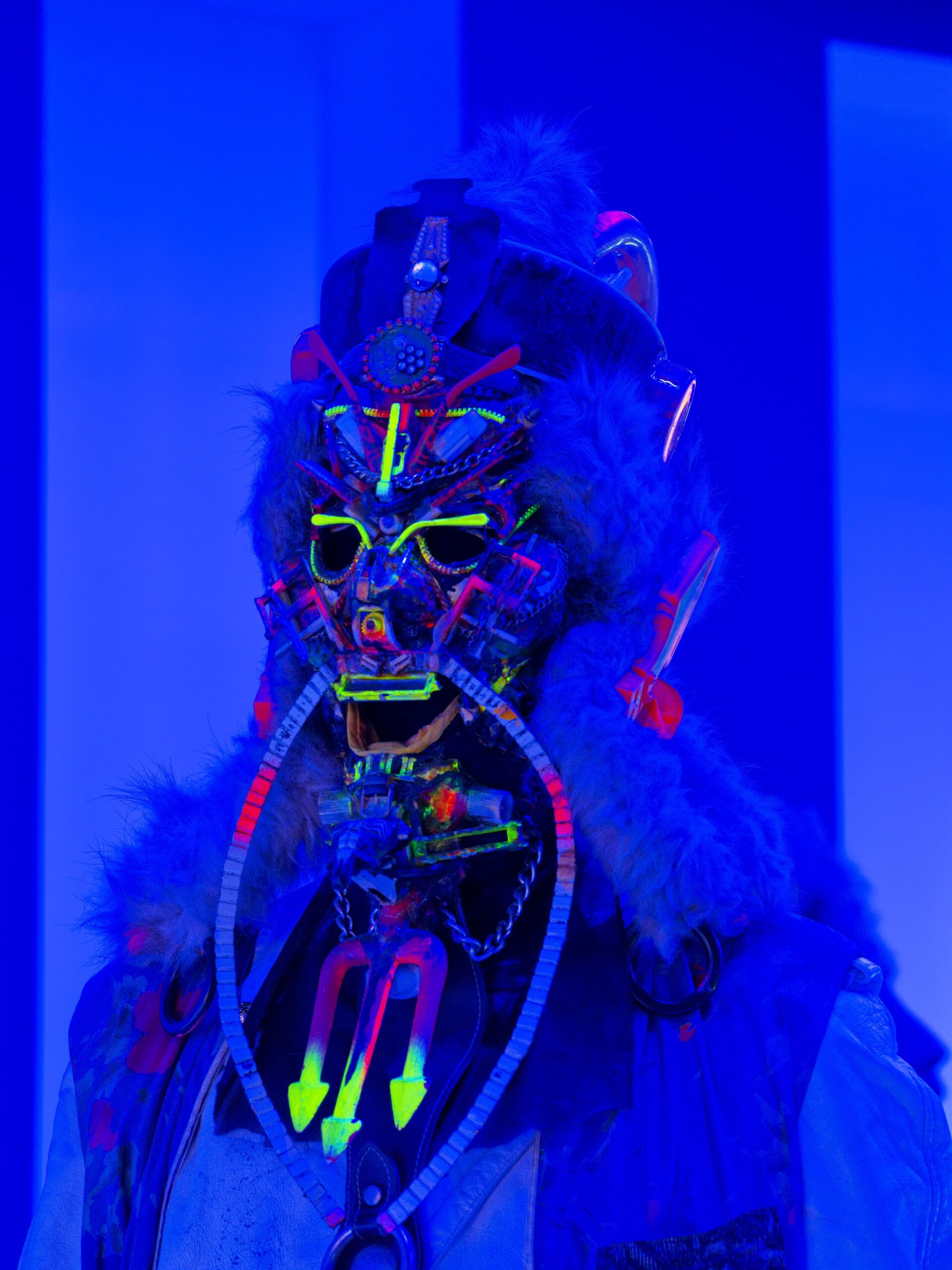
Closer to home, RAMM:ELL:ZEE TIME:LINE arrived at Museion. I have followed this project for years. My friend Mari Horiuchi photographed RAMMELLZEE during his lifetime; seeing her images travel from the Palais de Tokyo to my hometown made the opening particularly personal.
RAMMELLZEE moved between graffiti, music, sculpture, performance and his own theories of language. His work resists a neat category. I find that refreshing after spending so much time trying to explain unfamiliar technology in terms people already know.
More photographs from RAMM:ELL:ZEE TIME:LINE
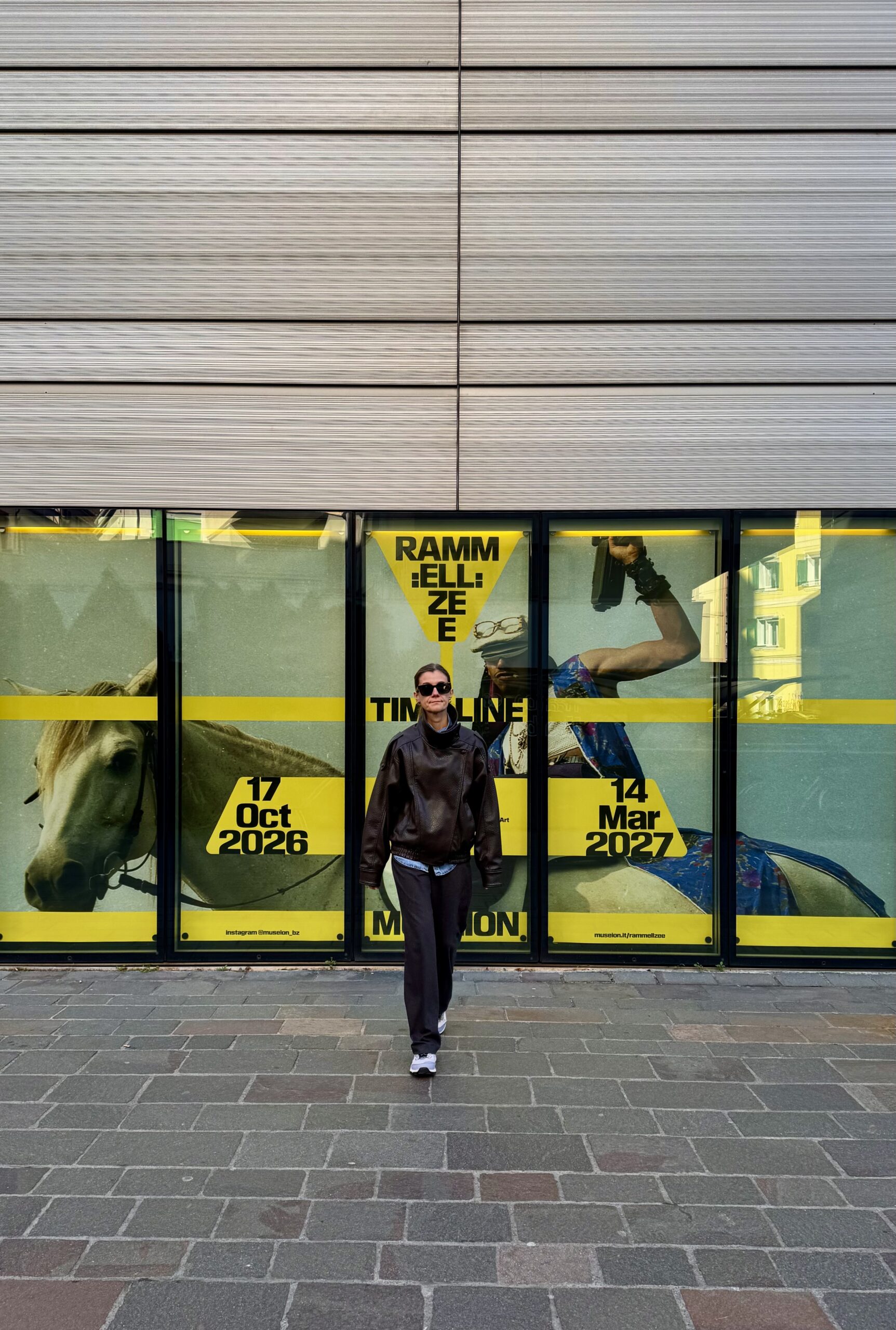
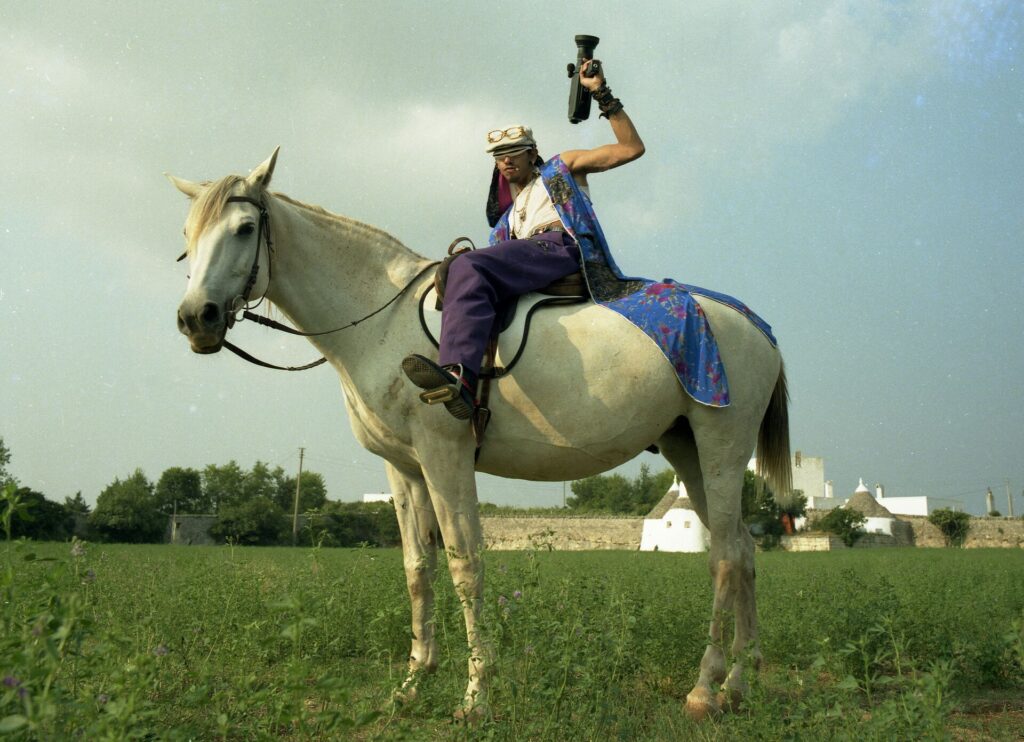
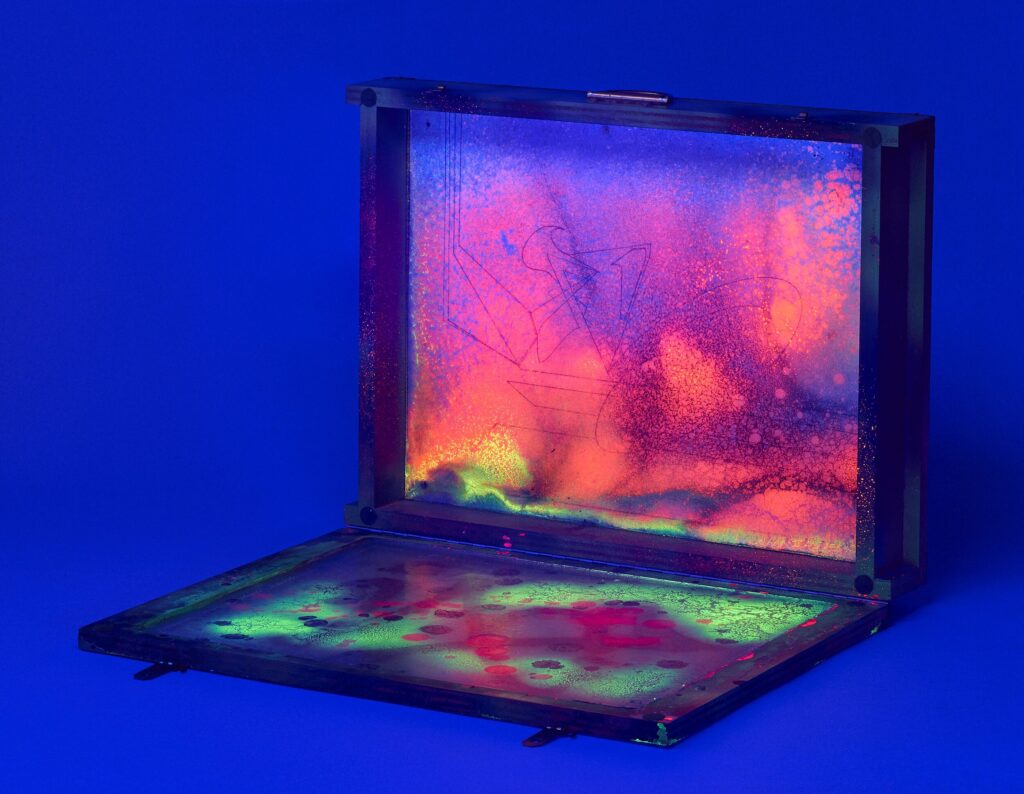
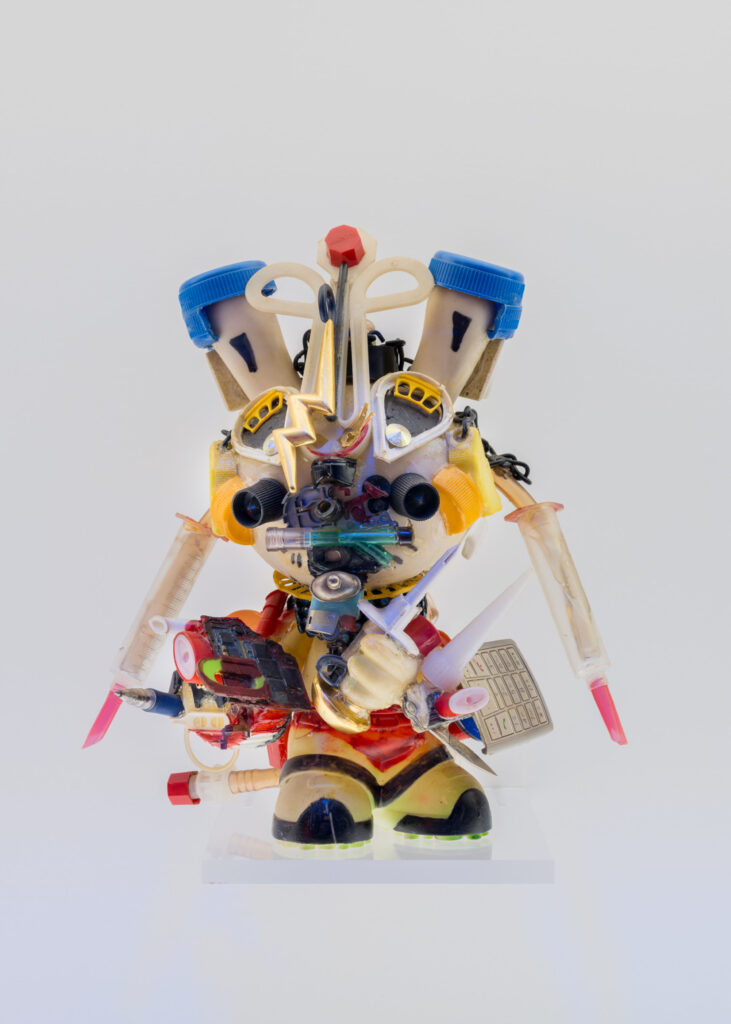
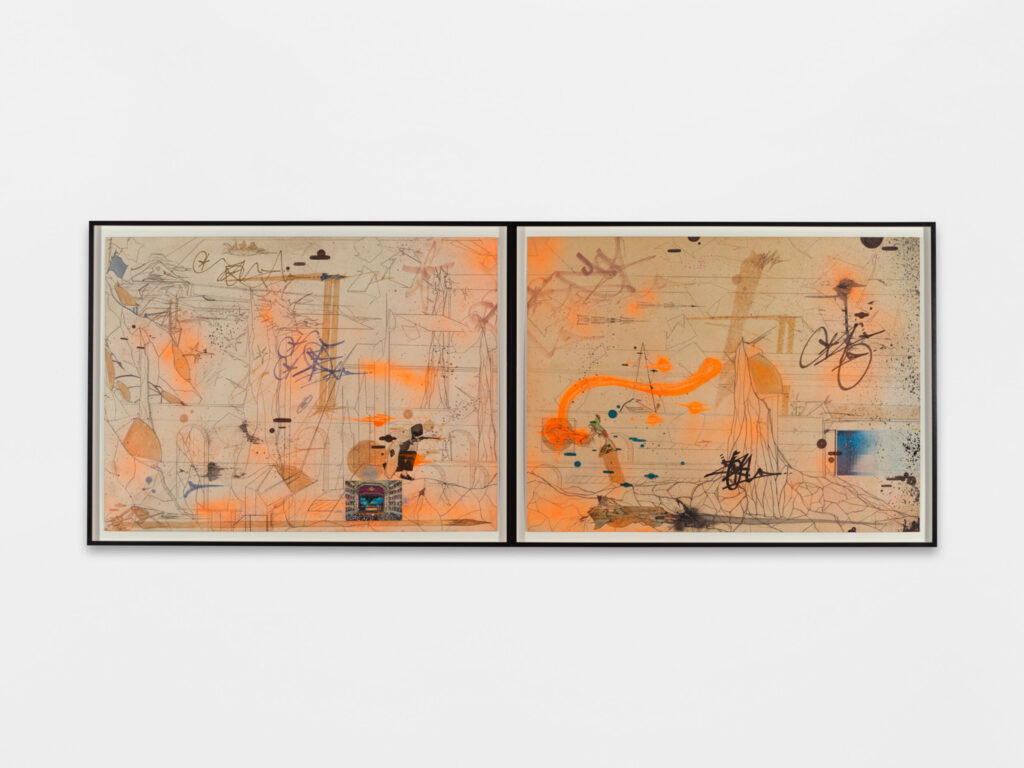
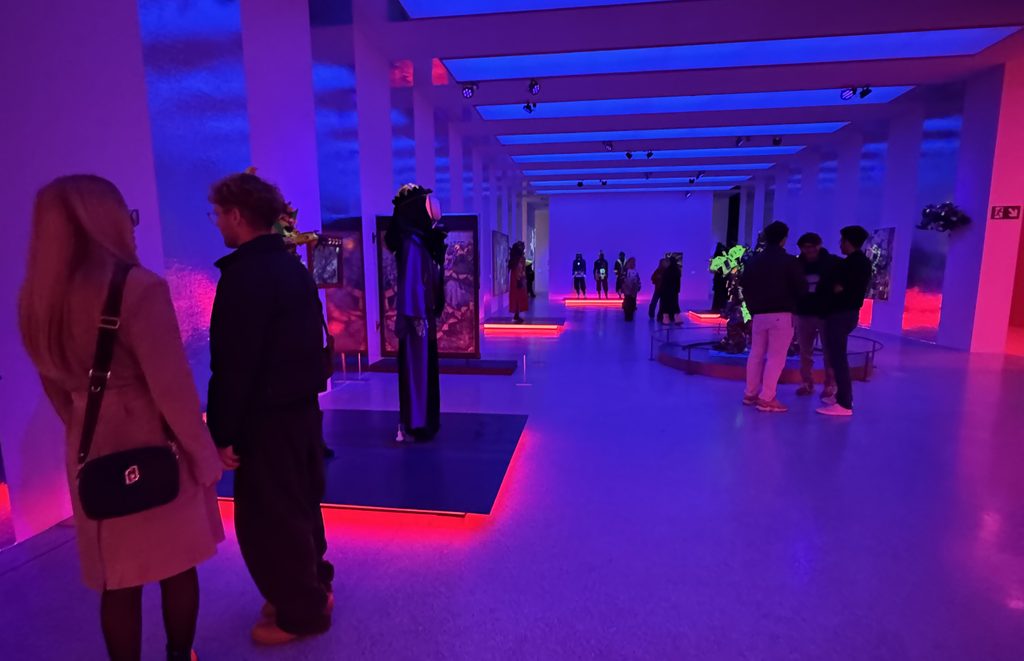
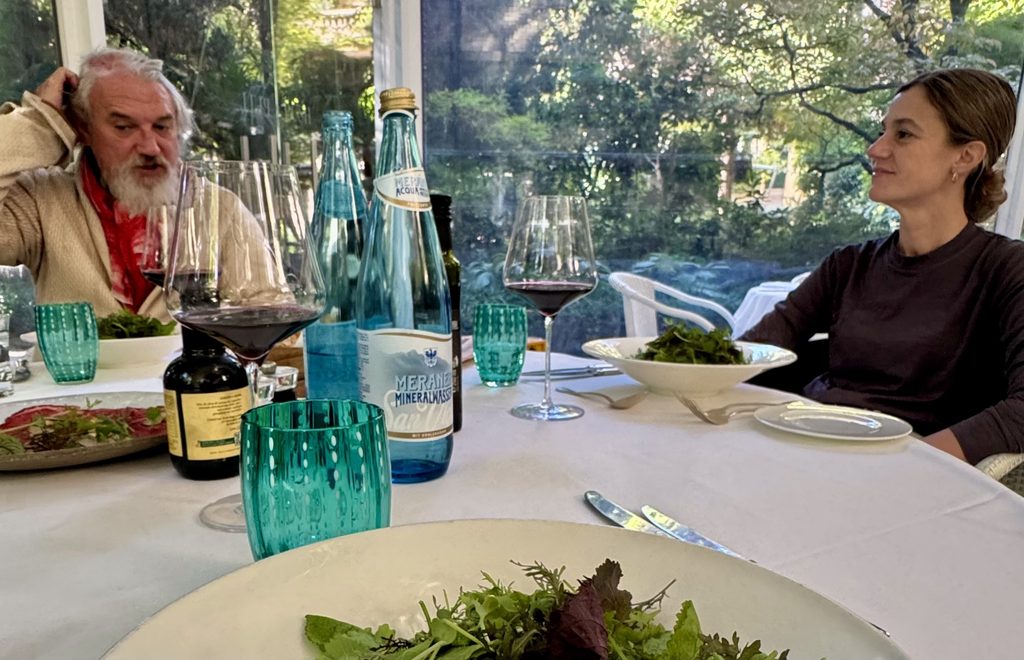
The opening also brought friends from the international worlds of art, streetwear and urban culture to South Tyrol. There was pleasure in the exhibition, and just as much in sitting around a table with people whose paths rarely cross in the same place. This time, that place was home.
A small region, a wider conversation
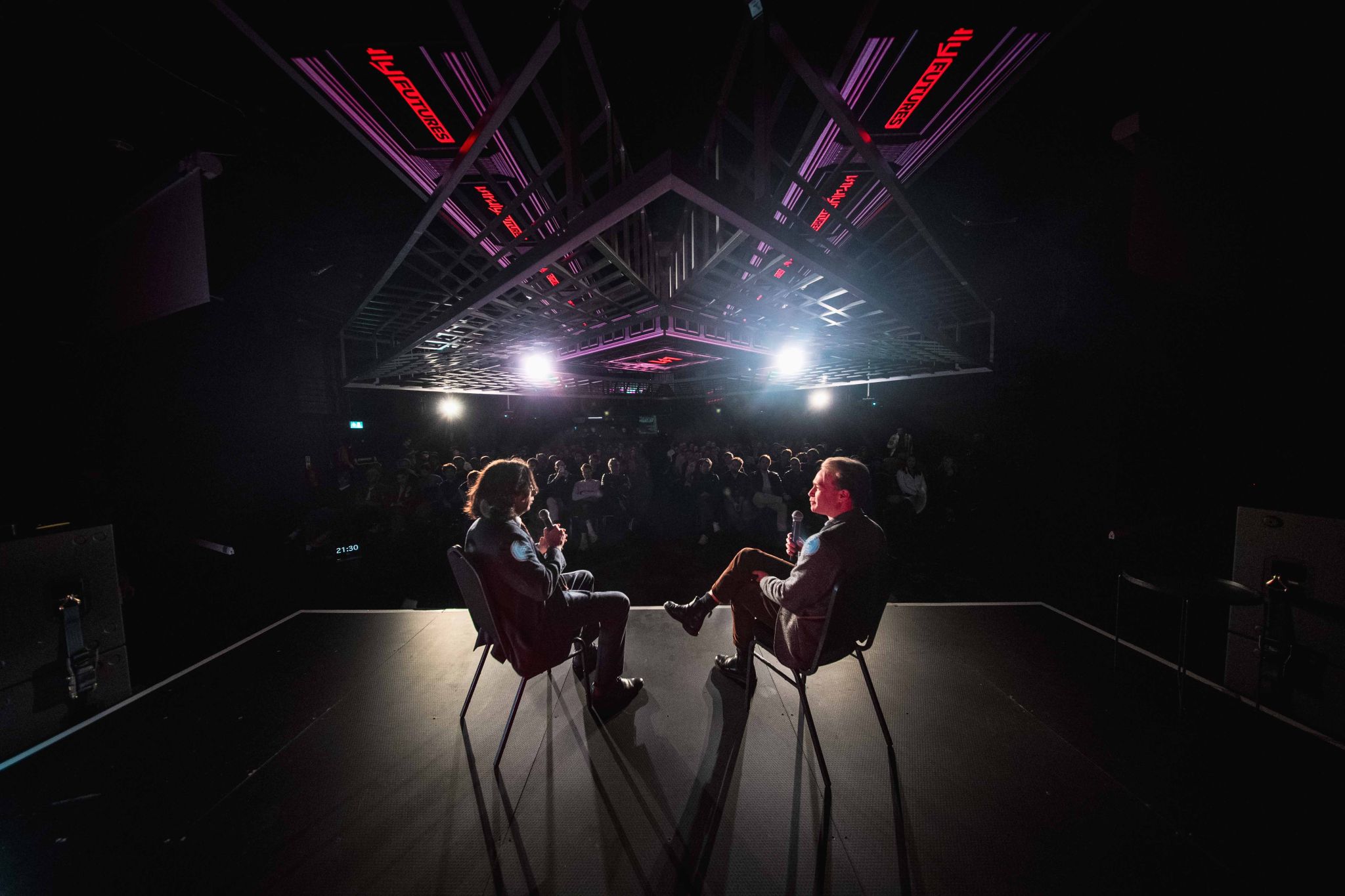
That connection between home and a wider world continued with Unruly Futures: The State of the Future in London on 4 November. Unruly Capital, a deep-tech investment firm directed from my region, brought people together around the technologies and institutions taking shape now.
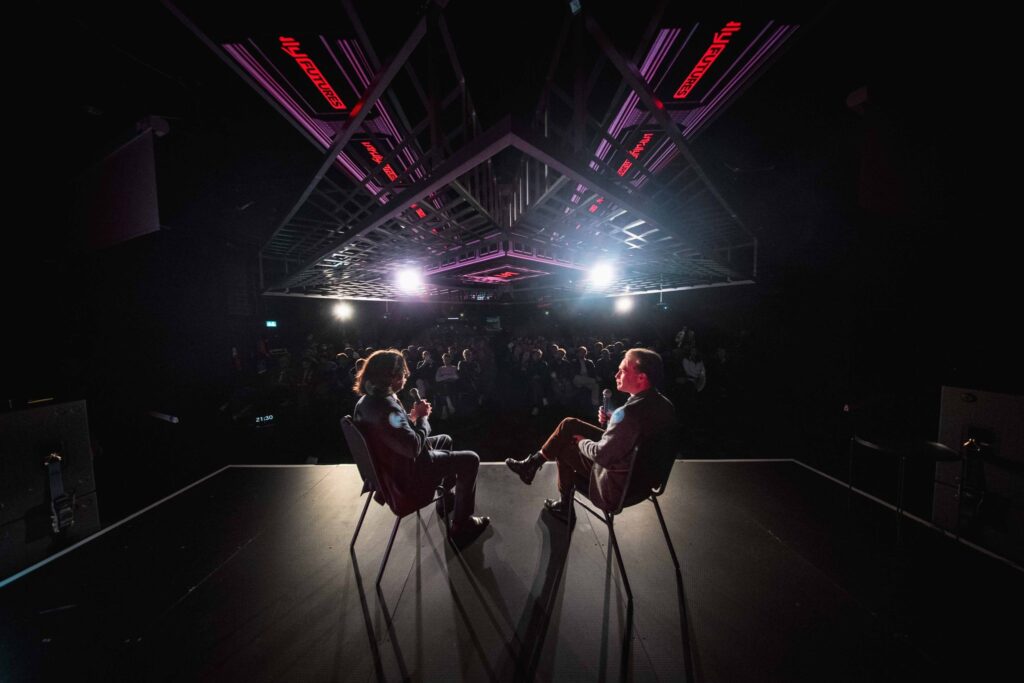
More photographs from Unruly Futures
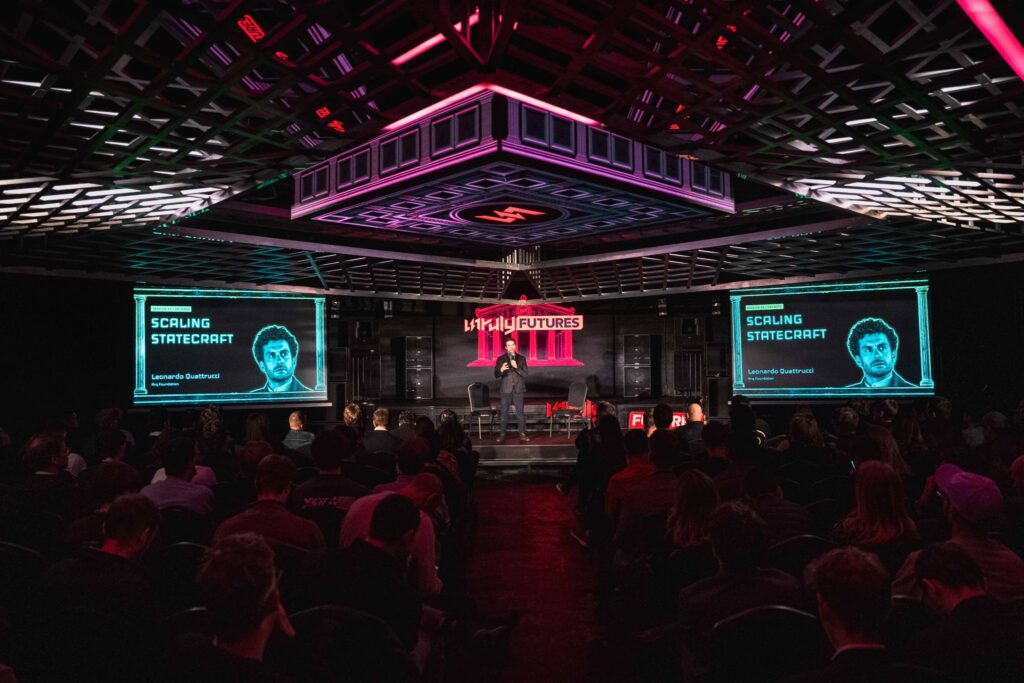
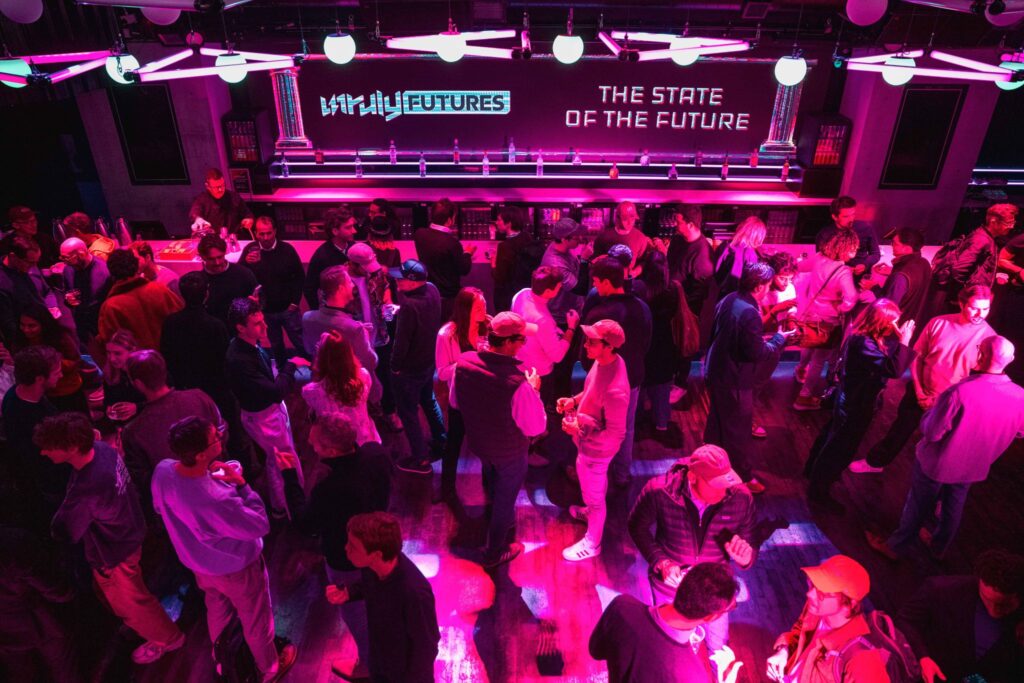
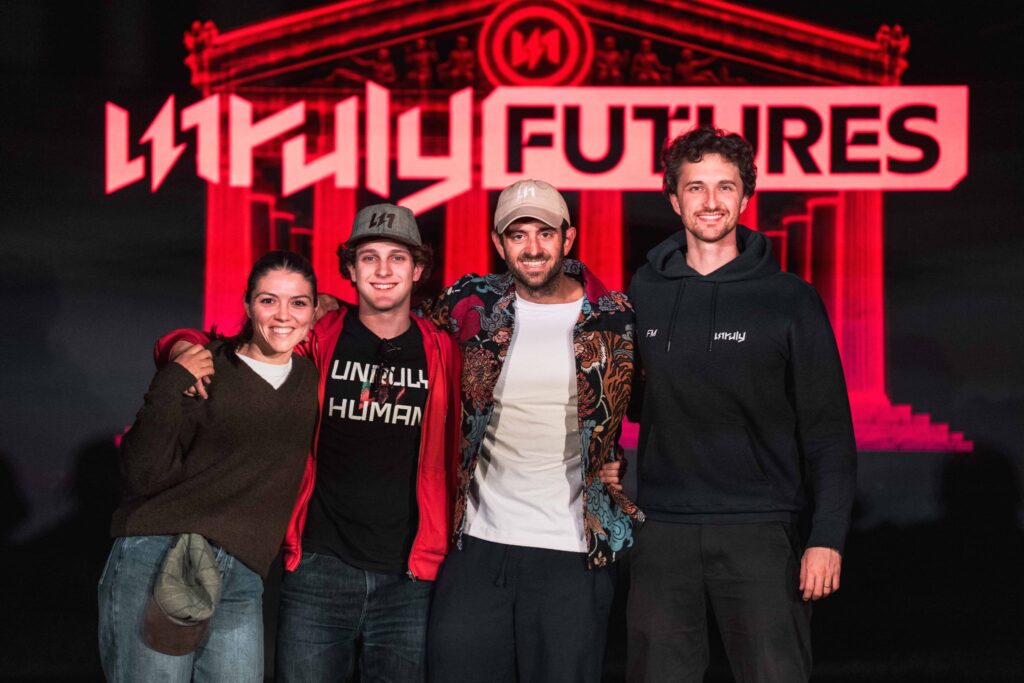
I like seeing that ambition come from the Alpine Region. A place can give you roots and still leave the horizon open. The same is true of a profession: building a technology company has taken me into finance and art because the people and questions I encounter there change how I do the work.
The part that does not go on the programme
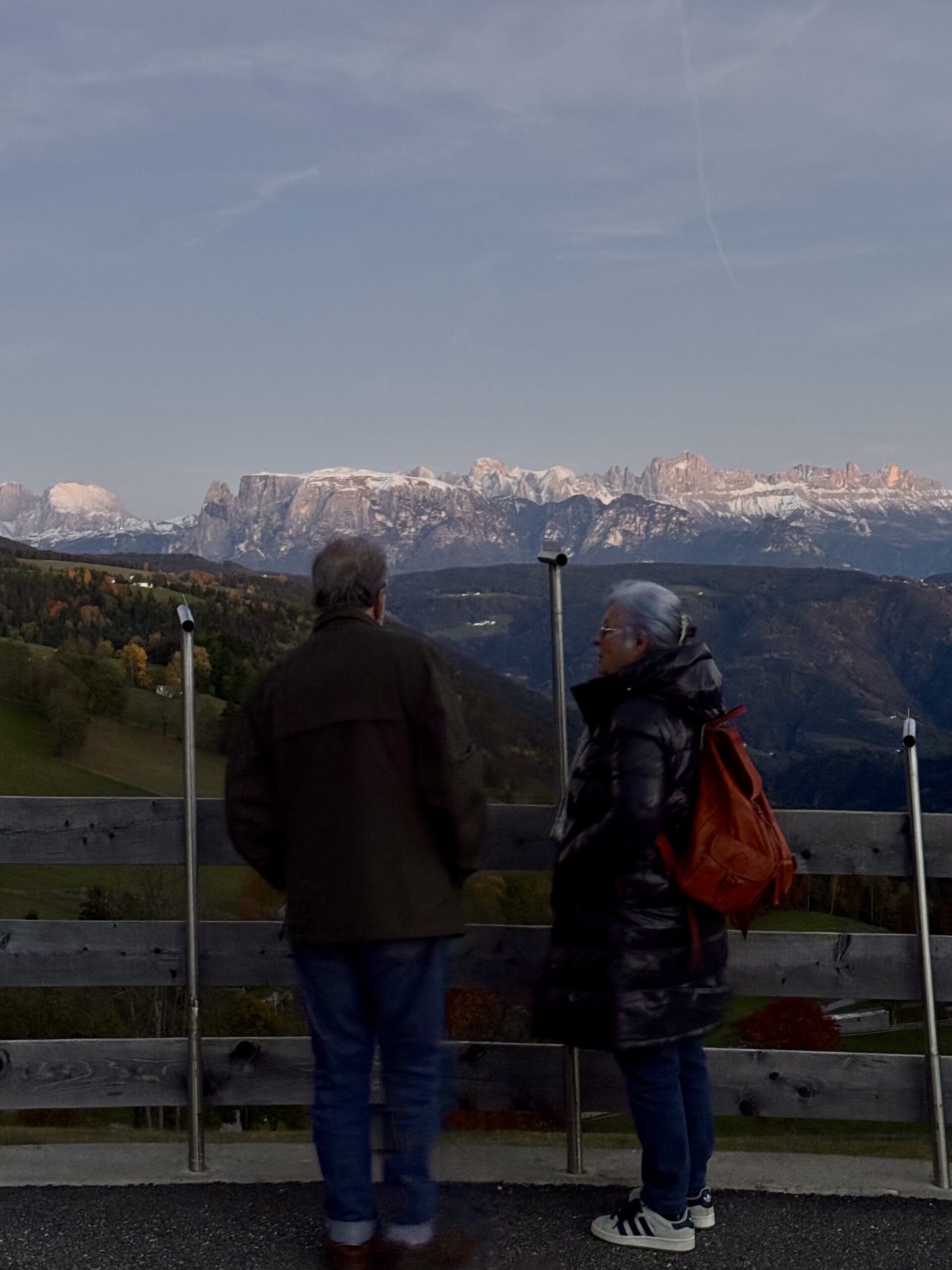
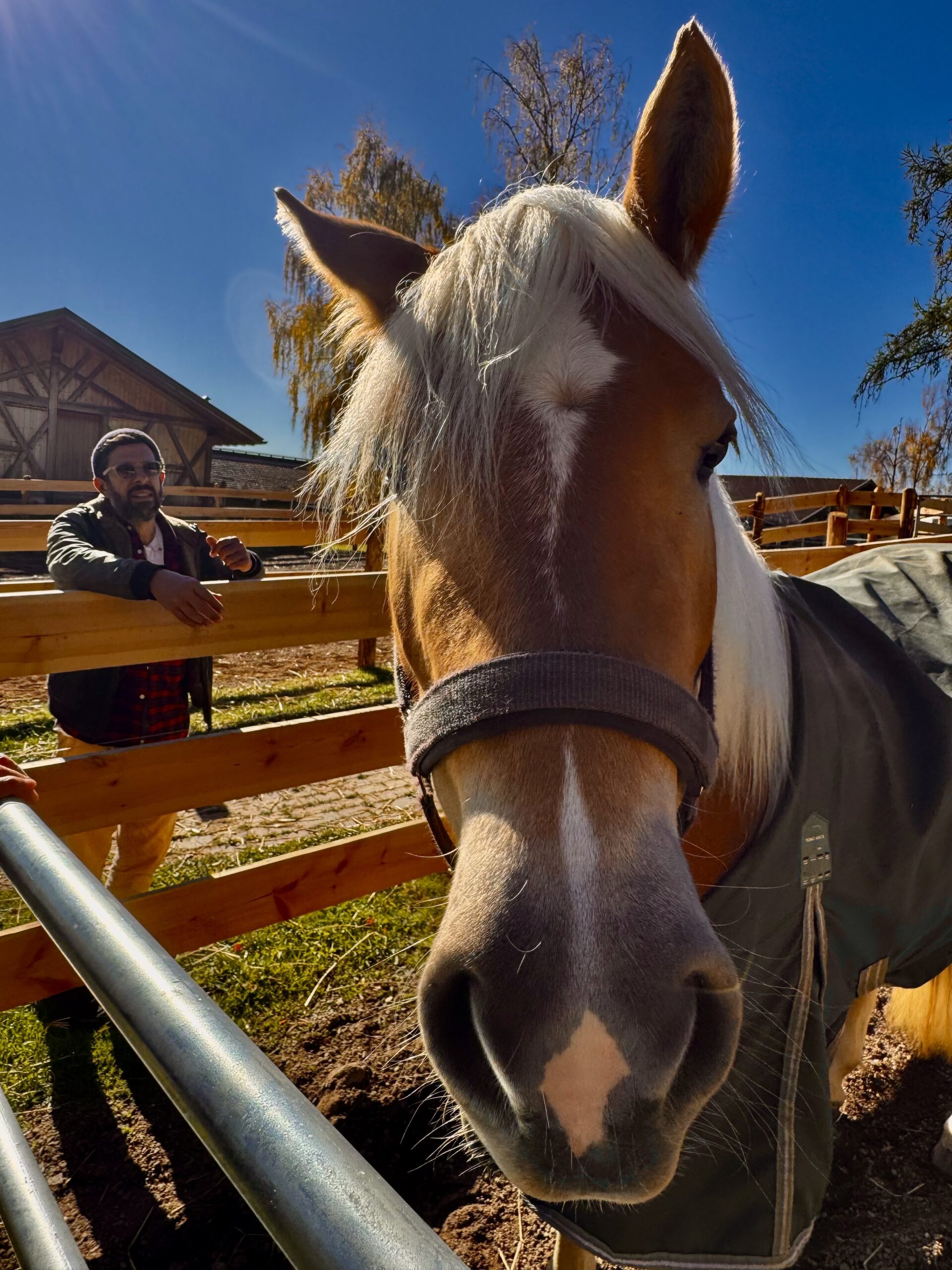
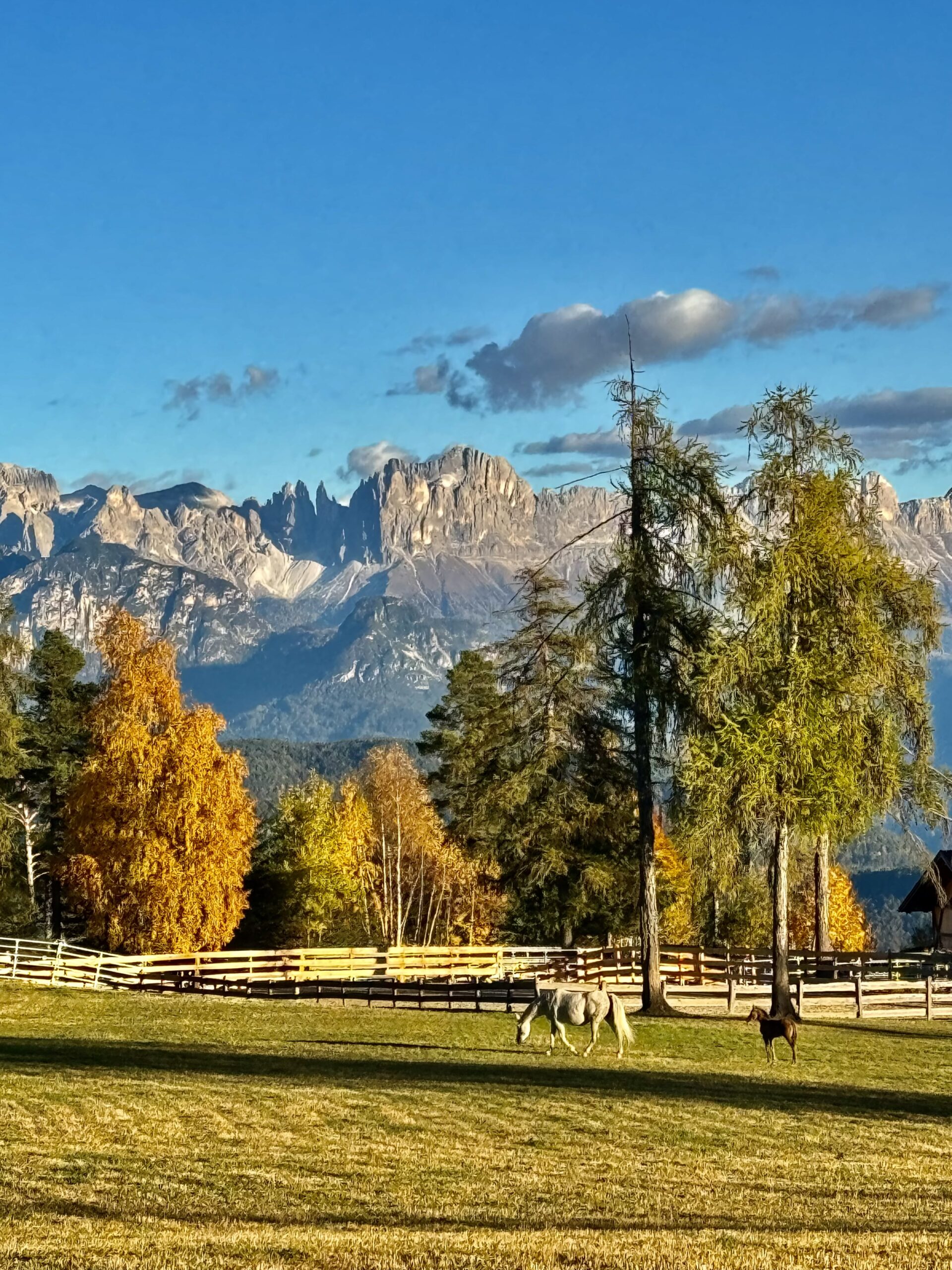
Between the journeys, family came to visit. We spent weekends together, with time to walk, talk and enjoy being in the same place. After so many schedules built around a project or a departure, I treasured days that did not need to produce anything.
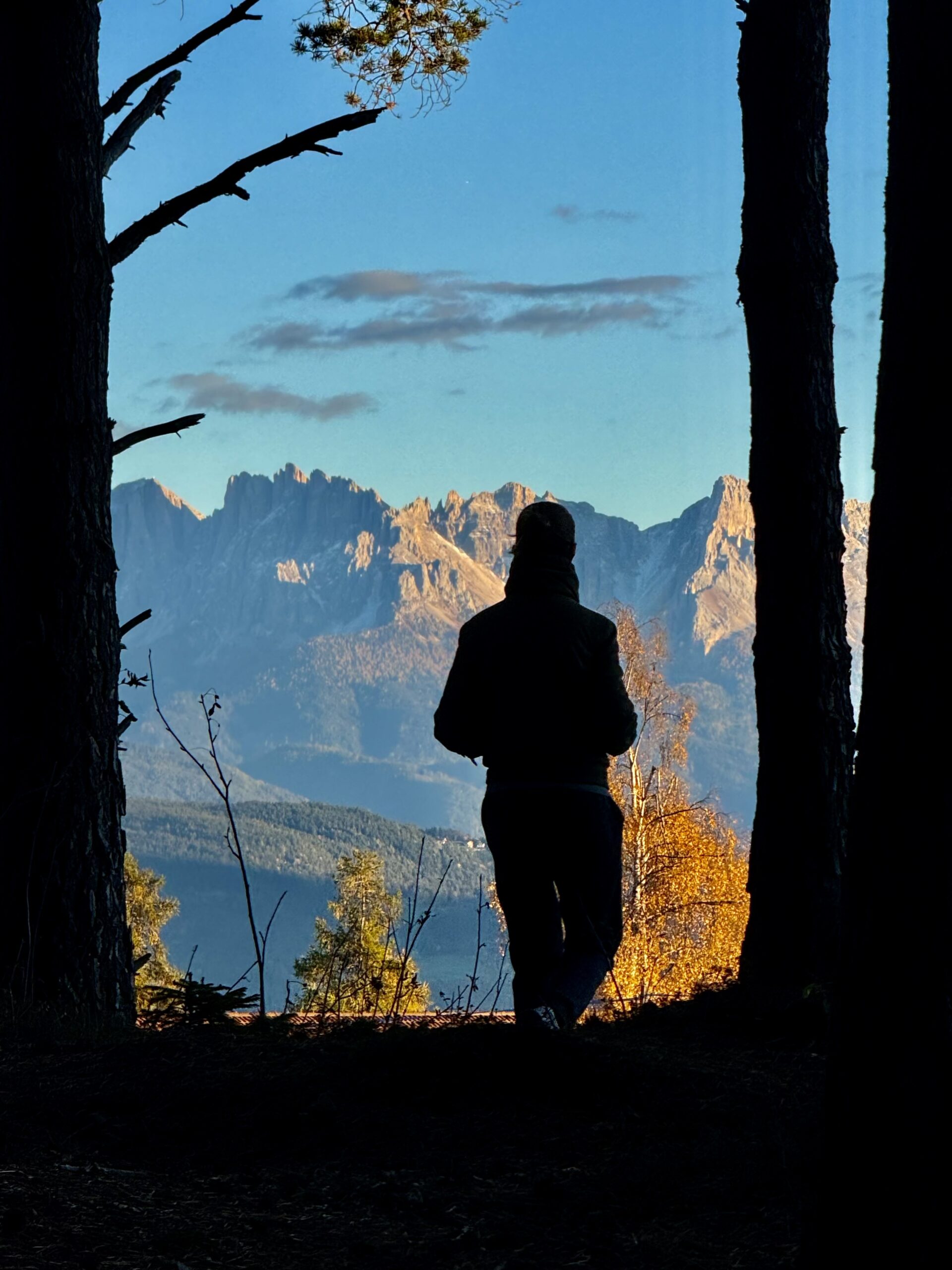
More photographs from weekends at home
This autumn also brought a loss I am still finding words for. We said goodbye to Akiiki, our fifteen-year-old cat, who had accompanied us through so much of our journey.
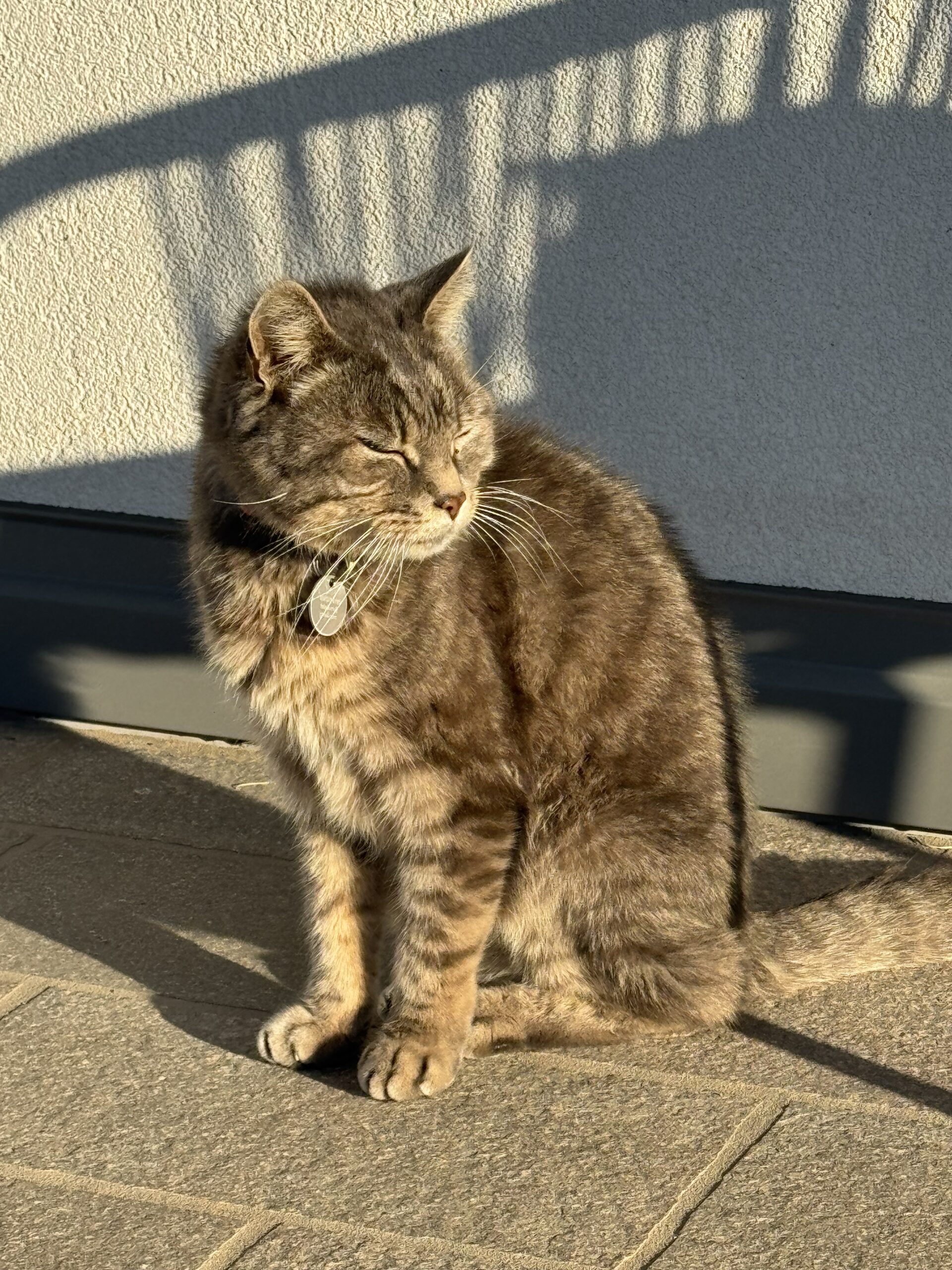
For fifteen years, he was part of the ordinary rhythm of home. The journeys and projects changed; he was there through so much of it. Now his absence is part of coming home, too.
I like to imagine him setting off on another journey, with new adventures ahead.